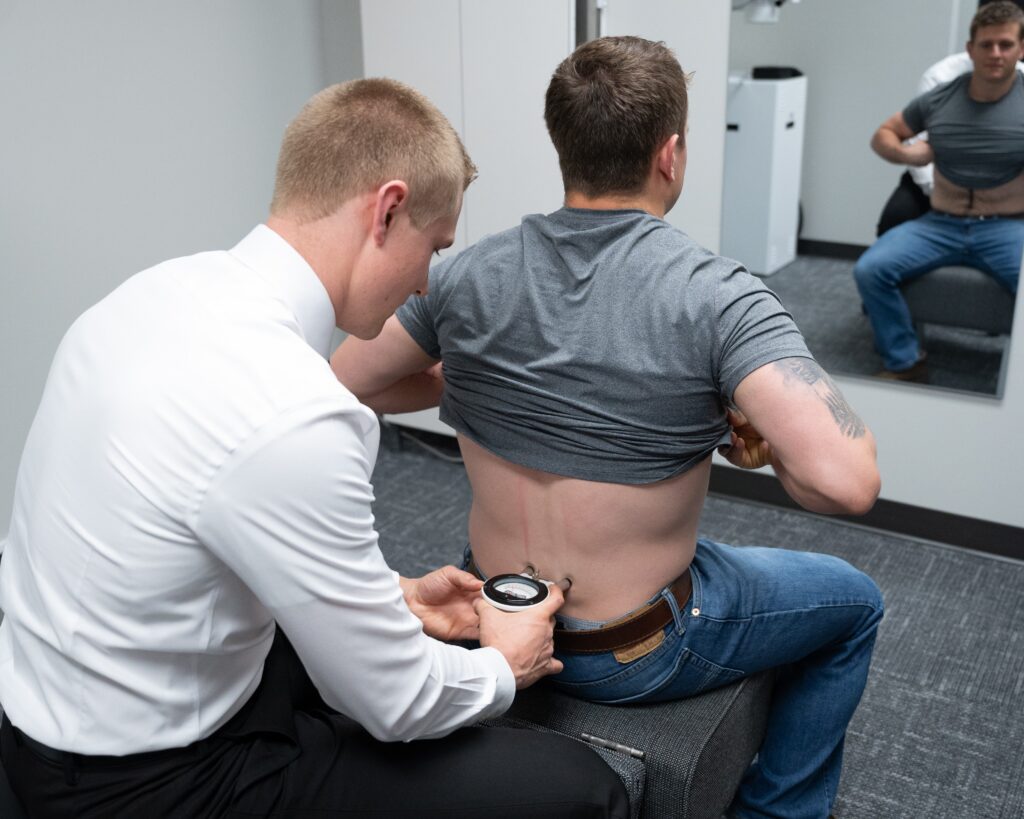

As a local chiropractor, I see many patients who struggle with persistent back pain. However, I want to emphasize that making some straightforward lifestyle changes can significantly help in preventing this discomfort. Many people may not realize how crucial factors like posture, exercise habits, and stress management are in maintaining a healthy spine.
By simply improving your posture while sitting or standing, incorporating regular exercise into your routine, and finding effective ways to manage stress, you can greatly reduce your risk of experiencing back pain. If you’re curious about practical steps you can take to enhance your back health, I’d love to share some effective strategies that can make a real difference. Together, we can work towards a pain-free future!
Improve Your Posture
As a local chiropractor, I want to share with you one of the simplest yet most effective methods for preventing back pain: improving your posture. When you maintain a straight posture while standing or sitting, you align your spine properly, which alleviates strain on your muscles and ligaments.
It’s important to consciously keep your shoulders back and your head aligned with your spine. If you find yourself sitting for extended periods, I recommend using a chair that offers proper support for your lower back and ensuring your feet remain flat on the floor.
An ergonomic workstation can make a significant difference; try positioning your computer screen at eye level to eliminate the need to hunch over. When standing, remember to distribute your weight evenly across both feet to enhance your balance.
Additionally, I encourage you to take regular breaks throughout your day. Stretching allows your muscles to relax and can help prevent stiffness.
Incorporate Regular Exercise
As a chiropractor dedicated to your well-being, I want to emphasize that improving your posture is just the beginning of your journey toward a pain-free life.
One of the most effective ways to prevent back pain is by incorporating regular exercise into your routine. Engaging in consistent physical activity is essential for strengthening the muscles that support your spine, which in turn enhances stability and flexibility.
I recommend aiming for a well-rounded exercise regimen that includes a mix of aerobic activities, strength training, and stretching exercises. Low-impact options like walking, swimming, or cycling are excellent choices, as they promote cardiovascular health while being gentle on your back.
Additionally, don’t overlook the importance of core-strengthening exercises. A strong core is vital for protecting your spine and maintaining proper posture. Activities such as yoga and Pilates can be particularly beneficial, as they combine strength and flexibility training.
I encourage you to set aside at least 30 minutes each day for exercise. It’s important to listen to your body and adjust the intensity according to your comfort level.
Maintain a Healthy Weight
As a local chiropractor, I want to emphasize the importance of maintaining a healthy weight, especially when it comes to preventing back pain. Carrying excess weight can put additional strain on your spine and the muscles that support it. This added pressure can lead to discomfort and aches that many people experience.
To help manage your weight effectively, I recommend focusing on a balanced diet that includes plenty of fruits, vegetables, lean proteins, and whole grains. It’s important to steer clear of processed foods that are high in sugar and unhealthy fats, as these can lead to unwanted weight gain and exacerbate back issues.
In addition to dietary choices, regular physical activity is crucial for maintaining a healthy weight and supporting your spine. Aim for at least 150 minutes of moderate exercise each week. This can help you burn calories and strengthen your core muscles, which play a key role in providing stability and support for your back.
Even small changes, like opting for stairs instead of elevators or taking daily walks, can significantly impact your overall health.
Manage Stress Effectively
As a local chiropractor, I want to emphasize the importance of managing stress for your overall well-being, especially when it comes to alleviating back pain. Stress can significantly contribute to discomfort, so it’s essential to recognize what triggers your stress. By identifying these triggers, we can work together to develop effective strategies to address them.
Incorporating relaxation techniques into your daily life can be incredibly beneficial. Practices such as deep breathing, meditation, or yoga can help calm your mind and promote physical relaxation, which in turn can relieve tension in your back. These methods are natural and can complement the chiropractic adjustments you may receive in our office.
Regular physical activity is another vital component of stress management. Exercise is known to release endorphins, which can enhance your mood and reduce anxiety levels. Even a stroll around your neighborhood can make a significant difference in how you feel.
Additionally, I encourage you to seek social support; discussing your stress with friends or family can provide valuable perspective and relief.
Lastly, ensure that you’re getting enough restorative sleep. A well-rested body is much more resilient and can better manage stress. By prioritizing these strategies—alongside chiropractic care—you can reduce your back pain and significantly enhance your quality of life.
Utilize Proper Lifting Techniques
As a local chiropractor, I want to emphasize the importance of proper lifting techniques in maintaining your overall health and preventing injuries. Many people overlook how crucial it’s to handle physical tasks safely, which can lead to unnecessary pain and discomfort.
Here are four essential tips I recommend to help you lift objects safely and protect your back:
- Bend at your knees, not your waist. This technique allows you to distribute the weight more evenly across your body, significantly reducing the strain on your back. Remember, your legs are stronger than your back!
- Keep the load close to your body. When you hold an object close, you minimize stress on your spine and maintain better balance. This simple adjustment can make a significant difference.
- Engage your core. A strong core acts as a natural support system for your back. By activating your abdominal muscles, you provide stability and help protect your spine while lifting.
- Ask for help if needed. If you encounter a heavy or awkward object, don’t hesitate to seek assistance. It’s always better to be safe than to risk injury.
By incorporating these techniques into your daily routine, you can help prevent back pain and injuries, allowing you to enjoy a healthier, more active lifestyle.
Conclusion
As a local chiropractor, I want to share some valuable insights on how you can significantly reduce your risk of back pain through simple lifestyle changes. One of the first things to consider is your posture; maintaining good alignment while sitting and standing can have a profound impact on your spinal health.
Incorporating regular exercise into your routine is also crucial. Activities that strengthen your core and improve flexibility can help support your spine and prevent discomfort. Additionally, keeping a healthy weight is vital, as excess weight can strain your back and lead to pain over time.
Don’t underestimate the importance of stress management, either. Stress can contribute to muscle tension, which may exacerbate back pain. Learning relaxation techniques can help alleviate this tension and promote overall well-being.
Moreover, using proper lifting techniques is essential for protecting your spine during daily activities. Always bend your knees and keep your back straight when lifting heavy objects.
These small but impactful adjustments can lead to a healthier, pain-free life. I encourage you to start these changes today—your back will thank you, and you may notice improvements in your overall comfort and quality of life! If you have any questions or need further guidance, feel free to reach out.