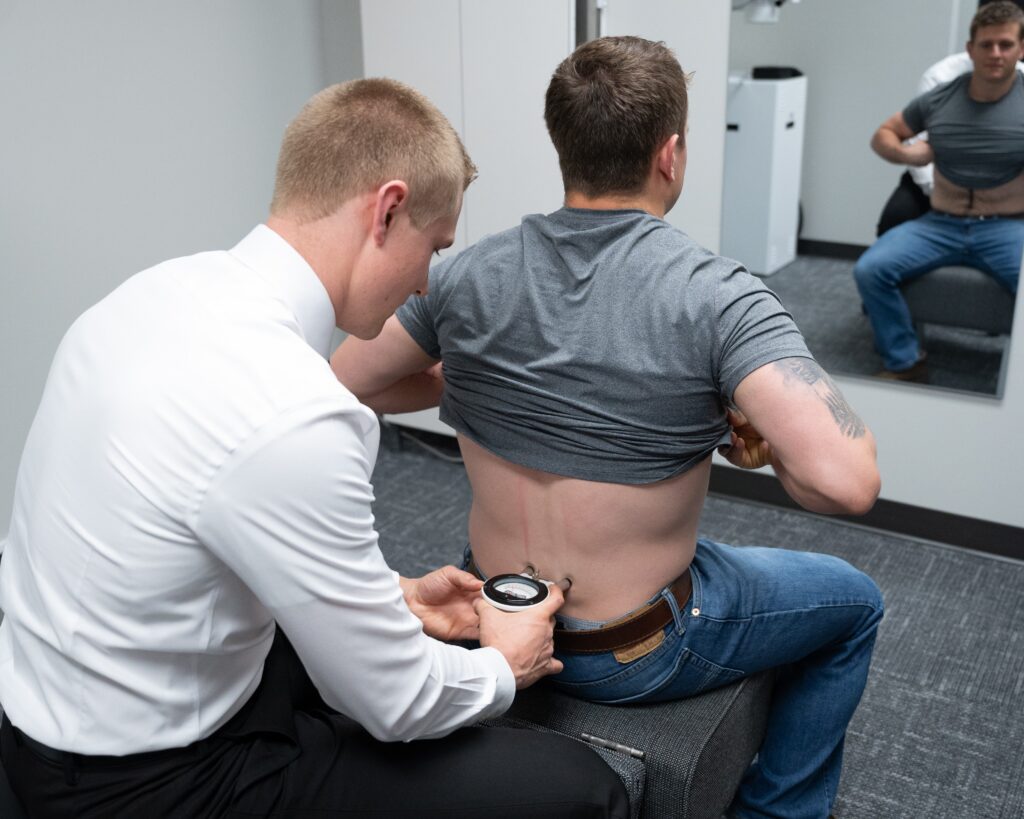

As a local chiropractor, I want to emphasize the vital role preventive care plays in managing chronic pain. Many people think of chiropractic care as a reactive solution, but it's so much more than that. It's about taking proactive steps to minimize pain and enhance your quality of life. By understanding your unique risk factors and making tailored lifestyle adjustments, you can significantly reduce the likelihood of experiencing debilitating discomfort.
So, what specific strategies can you incorporate into your daily routine? Think of activities like regular chiropractic adjustments, which can help align your spine and improve your overall function. Additionally, incorporating exercises that strengthen your core and improve flexibility can be a game-changer. Nutrition also plays a crucial role; a balanced diet can help combat inflammation and support your body's healing processes.
By exploring these strategies, we can work together to open new pathways to better health and well-being. Remember, preventive care is about creating a sustainable approach to your wellness, so you can live your life to the fullest without being held back by chronic pain. Let's take these proactive steps together!
Understanding Chronic Pain
Chronic pain is more than just a symptom; it's a complex condition that can significantly impact your daily life. Many people think of pain as a temporary experience following an injury or illness, but chronic pain lasts for months or even years. It can arise from various sources, including past injuries, underlying medical conditions, or emotional stress. As a chiropractor, I believe that understanding chronic pain is essential for effective management and healing.
Chronic pain can manifest in many forms, such as aching, stabbing, or burning sensations, and it can affect any part of your body. It often leads to fatigue, sleep disturbances, and emotional difficulties. It's important to recognize that chronic pain isn't just a physical issue—it's closely linked to your mental and emotional well-being. This connection can make it more challenging to cope, and you may notice that your mood and overall quality of life are affected.
One of the first steps in managing chronic pain is identifying the type you're experiencing. This understanding allows us, as your healthcare providers, to develop a personalized treatment plan tailored to your needs.
It's crucial to remember that what works for one person may not work for another, so being open to exploring various options—including chiropractic adjustments, physical therapy, and lifestyle changes—can help you find the best path toward relief.
Importance of Preventive Care
As your local chiropractor, I want to emphasize the vital role of preventive care in effectively managing chronic pain.
By implementing early intervention strategies, we can tackle issues before they become more severe, ultimately leading to improved outcomes for your health.
Embracing a holistic approach to health not only enhances your overall well-being but also builds your resilience against pain.
Through chiropractic care, we focus on natural healing methods that support your body's ability to function optimally.
Let's work together to prevent pain and promote a healthier, more active lifestyle.
Early Intervention Strategies
As a local chiropractor, I want to emphasize how addressing pain early can significantly enhance your quality of life. If you're experiencing the first signs of chronic pain, it's crucial to take proactive measures to prevent your condition from worsening.
Our approach to early intervention focuses on identifying the root causes of your discomfort and implementing natural solutions before the pain escalates.
One of the most effective strategies is to seek chiropractic care as soon as you notice persistent pain. I can assess your condition and recommend tailored treatment options, which may include spinal adjustments, physical therapy techniques, or lifestyle modifications that align with your individual needs.
Incorporating regular exercise, such as stretching or gentle, low-impact activities, is also vital in managing pain and enhancing mobility. Staying active not only strengthens your muscles but also maintains flexibility, significantly reducing the risk of injuries and pain flare-ups.
Moreover, keeping track of your pain triggers—such as stress, poor posture, or specific activities—can provide valuable insights into how to alleviate your discomfort.
By addressing these factors early on, you empower yourself to take charge of your health and improve your overall well-being, effectively minimizing the impact of chronic pain on your daily life.
Holistic Health Approaches
As a local chiropractor, I want to share how embracing holistic health approaches can transform your experience with chronic pain management. Many people often rely solely on medications, but I encourage you to explore natural healing techniques that can complement your care.
Mind-body practices, such as yoga and meditation, can be incredibly beneficial. They not only help reduce stress but also enhance your physical flexibility and mental clarity, which can lead to significant pain relief.
Another crucial aspect of holistic health is nutrition. Adopting an anti-inflammatory diet rich in whole foods can play a vital role in minimizing pain triggers. I recommend incorporating a variety of fruits, vegetables, and healthy fats into your meals.
Staying well-hydrated is equally important, as dehydration can worsen discomfort.
It's also essential to recognize the importance of social support in your healing journey. Being part of a community that understands what you're going through can provide invaluable emotional relief and motivation.
Regular physical activity, even low-impact exercises, is key to improving your overall well-being and managing pain effectively.
Additionally, I want to highlight the benefits of alternative therapies, such as chiropractic care and acupuncture. These treatments can offer profound pain relief and enhance your quality of life.
By adopting a holistic approach to your health, you're not merely addressing symptoms; you're nurturing a healthier, more balanced lifestyle that empowers you to take control of your chronic pain management.
Let's work together on this journey toward better health and wellness!
Risk Factors for Chronic Pain
As a local chiropractor, I want to share some important insights about chronic pain and the various risk factors that can affect your daily life. Understanding these factors is essential for effectively managing your pain and improving your overall well-being.
One of the primary risk factors is age. As we age, our bodies naturally undergo wear and tear, which often increases the likelihood of experiencing chronic pain. It's crucial to recognize this and seek appropriate care to maintain mobility and comfort.
Genetics also play a significant role. If you have family members who suffer from chronic pain conditions, you may find yourself more vulnerable to similar issues. This is where a tailored chiropractic approach can help in addressing these predispositions.
Psychological factors, such as anxiety and depression, can also contribute to chronic pain. When you're feeling stressed or down, your body can manifest these emotions physically, intensifying pain. Chiropractic care can be a valuable tool in managing stress, promoting relaxation, and supporting emotional health.
Your lifestyle choices are equally important. A sedentary lifestyle can lead to muscle weakness and stiffness, making you more susceptible to chronic pain. On the other hand, pushing yourself too hard with intense physical activity without adequate recovery can lead to injuries. As your chiropractor, I can guide you on safe and effective ways to stay active while avoiding injury.
Environmental factors are another aspect to consider. Exposure to excessive noise or extreme temperatures can sometimes lead to physical discomfort and chronic pain. Being aware of your surroundings and making adjustments can help mitigate these effects.
Lastly, pre-existing medical conditions like arthritis or diabetes can increase your risk for chronic pain. It's essential to recognize these underlying issues, as managing them proactively with chiropractic care can lead to better outcomes.
By understanding these risk factors, you empower yourself to take proactive steps on your health journey. Staying informed and seeking guidance from a chiropractor can make a significant difference in how you manage pain and maintain a high quality of life.
I'm here to help you navigate this process and support you in achieving your health goals naturally.
Lifestyle Changes for Prevention
As your local chiropractor, I want to emphasize how important lifestyle changes can be in preventing chronic pain. Engaging in regular exercise, adopting a nutritious diet, and practicing effective stress management techniques are essential for maintaining your overall well-being.
By integrating these healthy habits into your daily routine, you can take proactive steps to prevent pain before it even starts. Chiropractic care complements these lifestyle changes by promoting spinal health and improving your body's natural ability to heal.
Together, we can work towards a pain-free life and enhance your quality of life through natural healing methods.
Regular Exercise Benefits
As a local chiropractor, I want to emphasize the importance of regular exercise in managing and preventing chronic pain. Engaging in consistent physical activity isn't just about staying fit; it plays a crucial role in strengthening your muscles and enhancing flexibility. This directly supports your joints and significantly reduces the risk of injury. By building this strength, you can alleviate existing pain and prevent future flare-ups.
Moreover, exercise stimulates the release of endorphins—your body's natural painkillers. These feel-good hormones not only elevate your mood but also help diminish discomfort. You might be surprised to learn that even moderate activities such as walking or swimming can significantly boost your energy levels and enhance your overall well-being.
Consistency is key in any exercise routine. I recommend aiming for at least 150 minutes of moderate exercise each week. Remember, you don't need to tackle it all in one session; breaking it down into smaller, manageable segments throughout your day can make it more approachable.
It's also crucial to listen to your body. If you're new to exercise, start slowly and gradually increase the intensity as you become more comfortable.
Healthy Eating Habits
As a local chiropractor, I want to emphasize that while regular exercise is essential for overall wellness, adopting healthy eating habits can significantly enhance your ability to manage and prevent chronic pain. What you choose to eat plays a crucial role in how your body responds to inflammation and impacts your overall health.
I encourage you to start incorporating a variety of fruits and vegetables into your daily meals. These foods are packed with antioxidants and vital nutrients that can help reduce inflammation in the body.
Focus on whole grains, lean proteins, and healthy fats—such as those found in fish, nuts, and avocados. These food groups provide your body with the necessary building blocks for healing and proper functioning.
It's important to steer clear of processed foods that are high in sugar and unhealthy fats, as these can worsen inflammation and increase pain.
Another key aspect to consider is hydration. Make sure you're drinking plenty of water throughout the day. Staying well-hydrated supports your joints and helps maintain a healthy weight, which can reduce stress on your body and alleviate discomfort.
I also recommend keeping a food diary to monitor what you eat and how it relates to your pain levels. This practice can help you pinpoint any food sensitivities or triggers that may be contributing to your discomfort.
Stress Management Techniques
As a local chiropractor dedicated to your well-being, I want to share some insights on how stress can significantly impact chronic pain.
It's essential to adopt effective stress management techniques alongside your chiropractic care. By incorporating these strategies into your daily routine, you can help reduce stress and potentially alleviate your discomfort. Here are some techniques to consider:
- Practice mindfulness and meditation: Just a few minutes each day of focusing on your breath can calm your mind and help lower your stress levels. This practice can enhance your overall well-being and support your healing process.
- Engage in regular physical activity: Exercise isn't only vital for your physical health but also releases endorphins, which are natural pain relievers and mood enhancers. Even a brief walk can significantly impact how you feel.
- Establish a consistent sleep schedule: Prioritizing restful sleep is crucial. When you're well-rested, you can manage stress more effectively, which can also help reduce your perception of pain.
- Connect with others: Building and maintaining relationships is important for your emotional health. Spending time with friends or family, or even discussing your feelings with a therapist, can provide the support you need to feel less isolated.
Incorporating these techniques into your life can complement your chiropractic treatments and promote a holistic approach to your health.
Therapeutic Approaches and Techniques
As a local chiropractor, I want to help you understand the various therapeutic approaches available for managing chronic pain, emphasizing the benefits of chiropractic care and natural healing. Chronic pain can significantly impact your daily life, but there are effective methods to address both the physical and psychological aspects of this condition.
One foundational technique in our practice is spinal alignment through chiropractic adjustments. By correcting misalignments in your spine, we can help alleviate pain, improve mobility, and enhance your overall well-being. Many patients find that regular chiropractic care not only reduces their pain but also supports better movement and flexibility.
In addition to chiropractic adjustments, I encourage patients to explore complementary therapies like cognitive-behavioral therapy (CBT). This approach can help you manage the emotional toll that chronic pain can take by reshaping negative thought patterns and developing effective coping strategies.
Mindfulness and relaxation techniques, such as meditation and deep breathing exercises, are also valuable tools for managing stress and pain. These practices can empower you to take control of your pain experience and improve your mental health.
Acupuncture is another effective option that some patients find beneficial. This ancient practice involves inserting thin needles into specific points on the body and can lead to significant pain relief and enhanced overall wellness.
Moreover, massage therapy can be incredibly helpful in relieving muscle tension and improving circulation, which are vital for effective pain management. I also recommend considering other natural therapies, such as nutritional support and exercise programs, which can complement your chiropractic treatment.
It's essential to adopt a holistic approach that considers your physical, emotional, and mental health. By exploring these various techniques, you can find the right combination that works for you.
Building a Care Plan
Creating a personalized care plan is vital for effectively managing chronic pain and finding long-lasting relief, especially through chiropractic care and natural healing methods. This plan should be tailored to your unique needs, preferences, and lifestyle. By collaborating with a chiropractor, you can develop a comprehensive strategy that addresses both the physical and emotional aspects of your condition.
To begin, identify your pain triggers and keep track of when and how your pain manifests. Understanding these patterns can guide you in developing strategies to avoid or minimize these triggers. Chiropractic care often includes a combination of hands-on adjustments and lifestyle recommendations that can greatly influence your pain levels.
Your care plan may include:
- Regular chiropractic visits: Schedule consistent appointments with your chiropractor to assess your progress, make necessary adjustments, and ensure you're on the right path to recovery.
- Lifestyle enhancements: Emphasize a healthy diet, regular physical activity, and sufficient sleep to support your overall well-being. Your chiropractor can offer guidance on exercises that are beneficial for your specific condition.
- Natural pain relief techniques: Explore options such as spinal adjustments, massage therapy, or stretching exercises that can relieve tension and alleviate pain naturally.
- Emotional support: Consider engaging in support groups or therapy to build emotional resilience and connect with others who share similar experiences. Your chiropractor can help you find local resources.
Conclusion
As a local chiropractor, I want to share how incorporating preventive care into your daily routine can significantly alleviate chronic pain. Understanding your body and recognizing potential risk factors are essential steps in taking charge of your health. By embracing natural healing methods and working closely with healthcare professionals like myself, you can create a personalized care plan that fits your unique needs.
Prioritizing prevention not only enhances your overall well-being but also strengthens your resilience and improves your quality of life. Simple lifestyle changes, along with chiropractic adjustments, can make a profound difference in managing pain. Start your journey towards a healthier, pain-free future with us today, and discover the benefits of holistic care.