
When you face a sports injury, knowing your options for relief can make all the difference in your recovery. You might start with the R.I.C.E. method or consider over-the-counter pain relievers to manage discomfort. But what happens when those initial steps aren't enough? From physical therapy to alternative treatments, there are various paths to explore, each offering unique benefits. Understanding these options not only aids your recovery but can also help prevent future injuries. So, what's the best route for you to take?
Common Types of Sports Injuries
Sports injuries can happen to anyone, with studies showing that nearly 3.5 million children under 14 are treated for such injuries each year.
These injuries vary widely based on the sport and level of activity, but understanding the common types can help you recognize when you might need medical attention.
One of the most prevalent injuries is a sprain, which occurs when ligaments get stretched or torn. You might experience this while playing basketball or soccer, often resulting in swelling and pain around the joint.
Another common injury is a strain, affecting muscles or tendons, typically from overexertion or sudden movements. If you're running and feel a sharp pain in your hamstring, you might be dealing with a strain.
Fractures are also frequent among athletes, especially in contact sports like football and hockey. A fracture can range from a simple hairline crack to a complete break, and you'll likely notice severe pain and an inability to use the affected area.
Dislocations, which happen when bones in a joint are forced out of their normal position, can occur in sports involving falls or collisions.
Tendinitis is another issue, often seen in athletes who perform repetitive motions, like tennis players or swimmers. This condition results in inflammation and pain in the affected tendon.
Recognizing these common injuries can help you take the right steps toward treatment and recovery, ensuring you're back to your favorite activities as soon as possible.
At-Home Remedies
Managing sports injuries at home can be effective with the right remedies. First and foremost, you should remember the R.I.C.E. method—Rest, Ice, Compression, and Elevation.
After an injury, give yourself time to rest. This helps reduce stress on the affected area and promotes healing. Applying ice for 15-20 minutes every hour can minimize swelling and numb the pain. Just make sure to wrap the ice pack in a cloth to protect your skin.
Compression aids in reducing swelling as well. You can use an elastic bandage to wrap the injured area snugly but not too tight—ensure there's no tingling or numbness.
Elevating the injured limb above heart level can also help decrease swelling and improve circulation.
Over-the-counter pain relievers like ibuprofen or acetaminophen can provide additional relief. These medications can help reduce pain and inflammation, allowing you to feel more comfortable as you recover.
Herbal remedies, such as arnica or turmeric, may also offer natural pain relief, so consider incorporating them into your routine.
Finally, don't underestimate the power of gentle stretching and mobility exercises. Once the initial pain decreases, slowly reintroducing movement can help maintain flexibility and prevent stiffness.
Just listen to your body and stop if you feel any pain.
With these at-home remedies, you can effectively manage your sports injury and promote healing while minimizing discomfort.
Physical Therapy Techniques
When you're recovering from a sports injury, physical therapy techniques can play a vital role in your healing process.
Manual therapy approaches can help relieve pain and improve mobility, while exercise rehabilitation programs focus on strengthening and restoring function.
Let's explore how these techniques can benefit your recovery journey.
Manual Therapy Approaches
Manual therapy techniques play an essential role in the recovery process for athletes dealing with injuries. These hands-on approaches focus on manipulating soft tissues and joints to relieve pain, improve mobility, and promote healing. When you seek manual therapy, your therapist may use various techniques such as massage, joint mobilization, or myofascial release.
Massage therapy helps reduce muscle tension, enhance blood circulation, and alleviate pain. It allows your body to relax, which can speed up recovery.
Joint mobilization, on the other hand, involves gentle movements to restore proper joint function. This technique can help you regain range of motion and decrease stiffness.
Myofascial release targets the fascia, the connective tissue surrounding muscles. By applying sustained pressure, it can release tightness and restore normal movement patterns. Each of these techniques can be tailored to your specific needs, ensuring that you receive the most effective treatment possible.
Incorporating manual therapy into your rehabilitation plan can greatly enhance your recovery journey. It not only addresses the physical aspects of your injury but also helps you regain confidence in your body, paving the way for a successful return to your sport.
Exercise Rehabilitation Programs
Exercise rehabilitation programs are crucial for athletes recovering from injuries, as they focus on restoring strength, flexibility, and endurance. These tailored programs help you regain function and prevent future injuries by addressing your specific needs.
In a typical rehabilitation program, you'll start with a thorough assessment by a physical therapist who'll evaluate your injury and movement patterns. Based on their findings, they'll create a personalized plan featuring exercises that target the affected area while promoting overall fitness.
You'll engage in strength training to rebuild muscle power and stability, while flexibility exercises will improve your range of motion. Endurance workouts will help you get back to your previous activity levels without fatigue.
Incorporating balance and coordination drills is also essential, as they enhance your overall athletic performance and lower the risk of re-injury.
As you progress, your therapist will adjust your program to challenge you further, ensuring you stay motivated and on track.
Over-the-Counter Medications
Over-the-counter medications can be a convenient and effective way to manage pain and inflammation from sports injuries. When you experience discomfort, these medications can provide quick relief without needing a prescription.
However, it's crucial to choose the right type for your situation. Here are some common options:
- Nonsteroidal Anti-Inflammatory Drugs (NSAIDs): Medications like ibuprofen or naproxen can help reduce pain and swelling.
- Acetaminophen: This is a good option for pain relief, particularly if you can't take NSAIDs.
- Topical Pain Relievers: Creams or gels containing ingredients like menthol can be applied directly to the affected area for localized relief.
- Cold Packs: While not a medication, using cold packs can notably reduce swelling and numb sharp pain.
- Antihistamines: These can help if the injury causes swelling or allergic reactions, although they're not typically used for pain.
Before taking any medication, it's wise to read the label carefully and follow the dosage instructions.
Consider consulting with a healthcare professional if you're unsure about which option is best for your injury.
Remember, while over-the-counter medications can provide temporary relief, they shouldn't replace proper medical advice or treatment, especially for more severe injuries.
Use them wisely as part of a thorough approach to your recovery.
Prescription Treatments
When pain from a sports injury persists despite over-the-counter options, prescription treatments can offer more potent relief and targeted solutions. Your healthcare provider may recommend stronger nonsteroidal anti-inflammatory drugs (NSAIDs) or prescription pain relievers that can help manage your discomfort more effectively.
These medications work by reducing inflammation or blocking pain signals in your body, allowing you to regain mobility and function.
In addition to stronger pain medications, your doctor might prescribe muscle relaxants if tightness or spasms are affecting your recovery. These medications can help ease muscle tension, allowing for smoother movement and reducing the risk of further injury.
It's crucial to follow your doctor's instructions regarding dosage and duration to avoid potential side effects.
If your injury involves more complex issues, such as severe inflammation or persistent pain, corticosteroid injections could be an option. These injections deliver anti-inflammatory medication directly to the affected area, providing quick relief and reducing swelling.
While effective, these treatments should be used judiciously and under a healthcare provider's supervision.
Physical therapy is another valuable component of prescription treatments. Your doctor may refer you to a physical therapist who can design a tailored rehabilitation program that focuses on strengthening and improving flexibility in the injured area.
This approach not only aids in recovery but also helps prevent future injuries.
Ultimately, prescription treatments can greatly enhance your sports injury recovery journey, allowing you to return to the activities you love more quickly and safely.
Alternative Therapies
Alternative therapies can provide effective relief for sports injuries, especially when traditional treatments fall short. These approaches often focus on enhancing your body's natural healing abilities and can complement conventional medical care.
By exploring alternative therapies, you might find the relief you need to get back to your game.
Here are some popular alternative therapies to take into account:
- Acupuncture: This ancient Chinese practice involves inserting thin needles into specific points on your body to alleviate pain and improve healing.
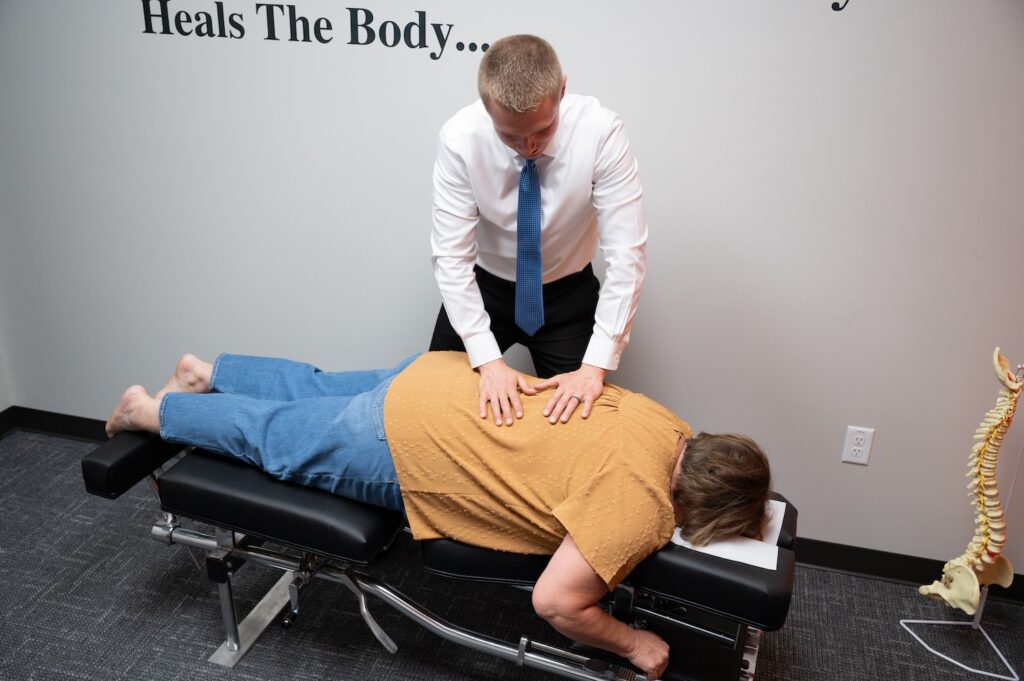
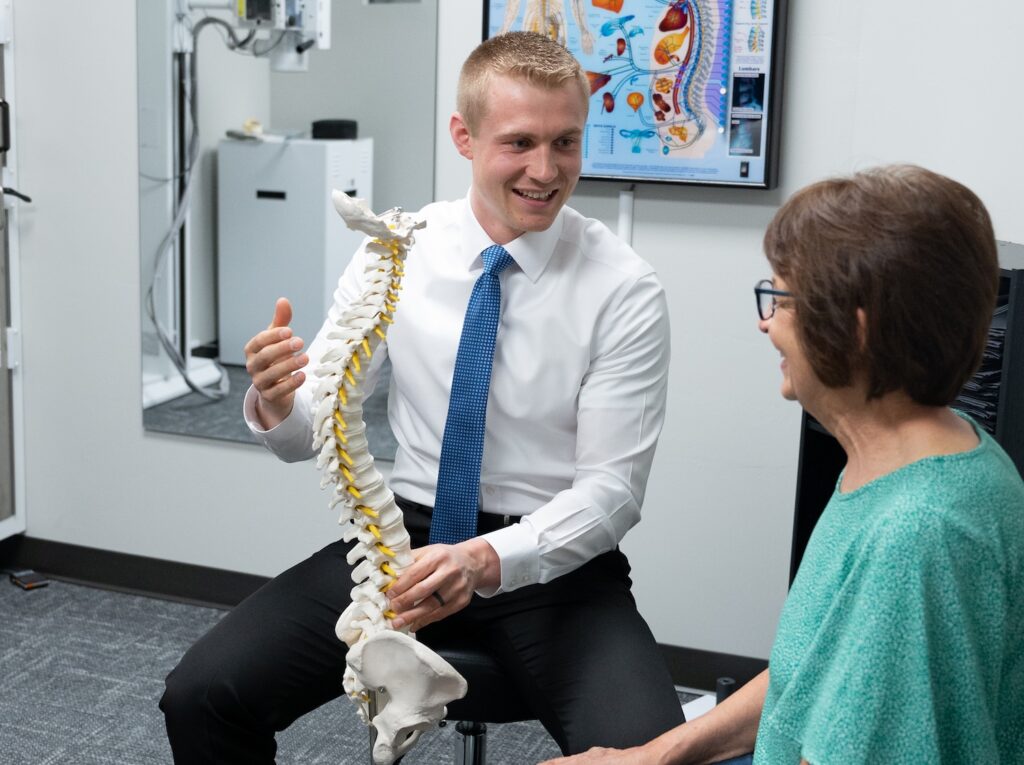
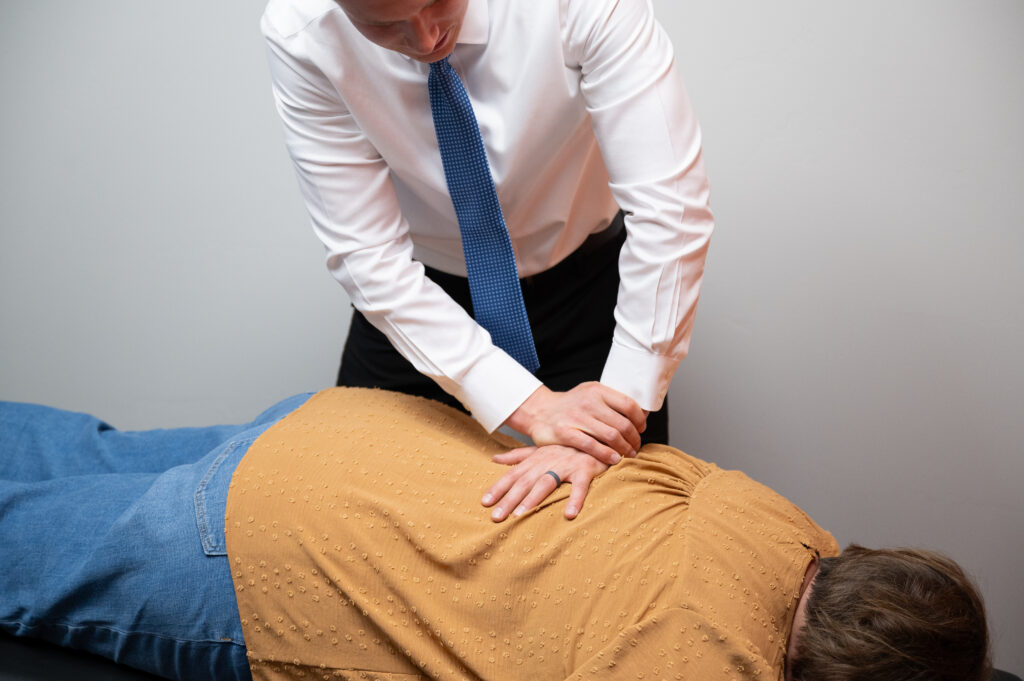
- Chiropractic care: A chiropractor can help realign your spine and joints, potentially reducing pain and improving mobility, which is crucial for athletes.
- Massage therapy: Therapeutic massage can relieve muscle tension, reduce soreness, and promote relaxation, helping your body recover faster.
- Physical therapy: Tailored exercises and treatments from a licensed physical therapist can help you regain strength and improve function after an injury.
- Herbal remedies: Certain herbs and natural supplements may support healing and reduce inflammation, though it's best to consult with a healthcare professional before trying them.
When exploring alternative therapies, it's important to consult with a healthcare provider to verify they're appropriate for your specific injury.
Each therapy has its benefits, and finding the right combination can help speed up your recovery process.
Exploring these options could lead to a more holistic approach to your sports injury relief and enhance your overall well-being as you return to your favorite activities.
Preventive Measures and Tips
To stay injury-free while enjoying your favorite sports, it's vital to adopt preventive measures that protect your body. Start by warming up properly before every practice or game. Spend at least 10-15 minutes performing dynamic stretches and light aerobic exercises to increase blood flow and flexibility.
Next, pay attention to your equipment. Make sure your shoes fit well and provide adequate support. If you're playing a sport that requires specific gear, such as pads or helmets, verify they're in good condition and fit correctly. Wearing the right gear can greatly reduce your risk of injuries.
Additionally, listen to your body. If you feel pain or discomfort, don't push through it. Taking a break or modifying your activities can prevent a minor issue from becoming a serious injury.
Incorporate strength training into your routine to build muscle and improve stability. Strong muscles support your joints, reducing the risk of sprains and strains.
Stay hydrated and maintain a balanced diet to fuel your body for peak performance. Dehydration can lead to fatigue, increasing your chance of injury.
Finally, consider cross-training. Engaging in different activities can help you develop overall strength and flexibility, making you less prone to injuries in your primary sport.
Conclusion
Injuries can sideline you, but with the right approach, you can get back in the game faster. Start with the R.I.C.E. method and consider over-the-counter pain relievers for immediate relief. If symptoms persist, don't hesitate to explore physical therapy or alternative therapies. Remember, prevention is key—warm up properly and listen to your body. By combining these strategies, you'll not only recover effectively but also reduce your risk of future injuries. Keep pushing forward!