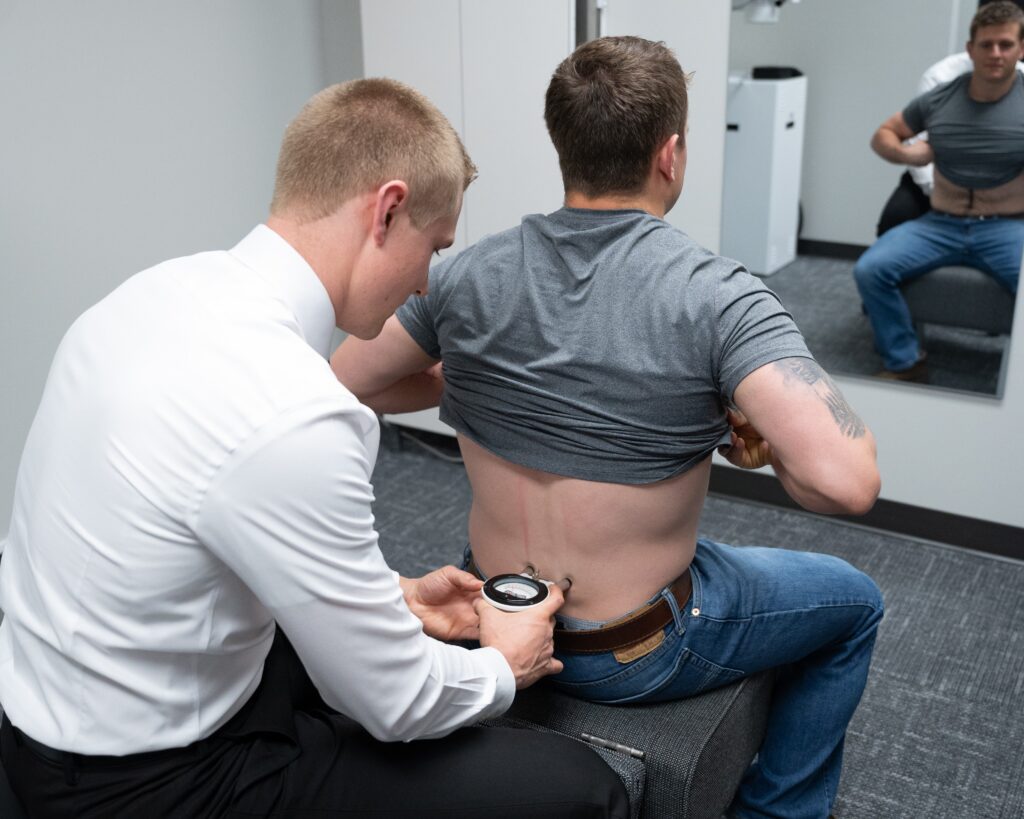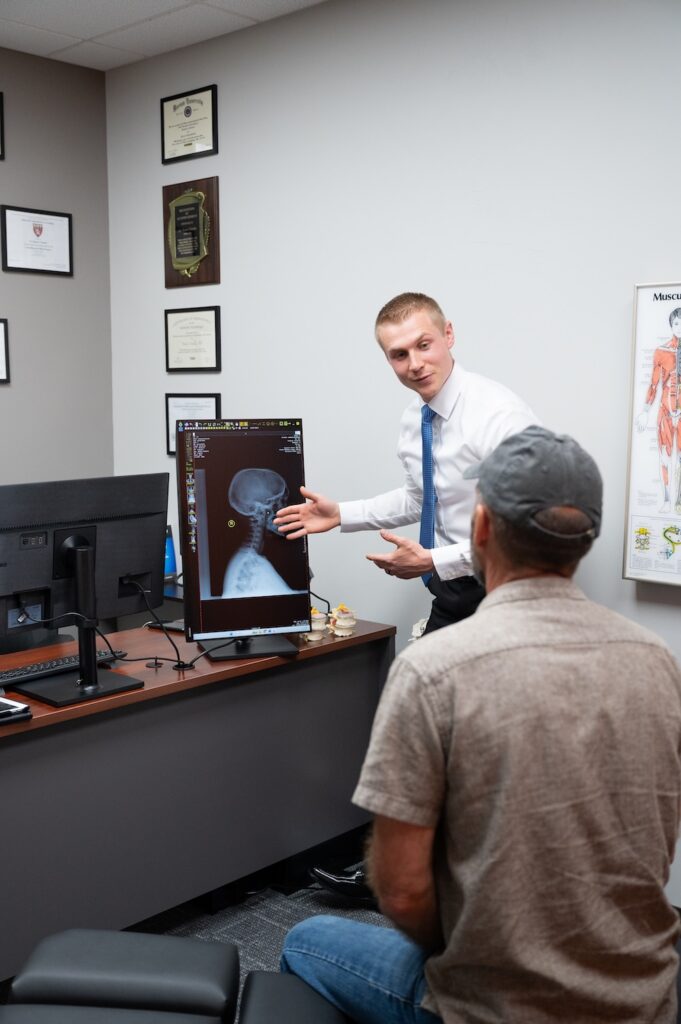

As a local chiropractor, I want to share some insights about the various treatments available for neurological disorders, especially through the lens of natural healing and chiropractic care. It's important to recognize that there are multiple avenues to explore, each tailored to the unique needs of individuals.
Chiropractic care, for instance, focuses on the relationship between the spine and the nervous system. By ensuring proper alignment and function of the spine, we can help alleviate symptoms and improve overall neurological health. Alongside chiropractic adjustments, therapies such as physical therapy, massage, and nutritional guidance can play significant roles in managing symptoms and enhancing your quality of life.
In addition to these traditional approaches, I encourage you to consider lifestyle changes that promote overall wellness, including stress management techniques and regular physical activity. While advancements like gene therapy and neuromodulation are exciting, it's essential to understand how foundational practices like chiropractic care can serve as a natural and effective complement to your treatment plan.
Let's discuss how these different approaches can work together to support your journey toward better health and well-being!
Overview of Neurological Disorders
As a local chiropractor, I want to shed light on neurological disorders and how they can affect your overall well-being. These conditions influence the brain, spinal cord, and nerves throughout your body, impacting your ability to think, move, and feel. This can lead to daily challenges, affecting everything from your motor skills to your emotional health. Symptoms may include persistent headaches, memory loss, or muscle weakness, which can vary significantly depending on the specific disorder.
Some common neurological disorders include Alzheimer's disease, Parkinson's disease, multiple sclerosis, and epilepsy. Each of these conditions comes with its own set of challenges. For example, Alzheimer's primarily affects memory and cognitive function, while Parkinson's disrupts motor control, resulting in tremors and stiffness.
Multiple sclerosis can present a wide array of symptoms, like fatigue, mobility issues, and numbness, as it affects the nerve coverings. Epilepsy is characterized by unpredictable seizures, which can severely impact your quality of life.
Understanding these disorders is crucial, especially when it comes to seeking effective treatment. In my practice, I emphasize the importance of early diagnosis and holistic management of symptoms, which can lead to improvements in your daily life. Many neurological disorders have identifiable risk factors such as genetics or environmental triggers, and understanding these can help you gain insight into your condition.
Living with a neurological disorder can be demanding, but with the right support and education, you can manage daily challenges more effectively. Chiropractic care focuses on natural healing and the alignment of the spine, which can positively impact your nervous system and overall health.
Medication Types and Uses
As a local chiropractor, I want to help you understand how different approaches can support your health, particularly when it comes to managing neurological disorders.
While medication can play a role, there are natural healing methods that can complement your overall well-being.
For instance, antidepressants are often used to help regulate mood, but did you know that certain chiropractic techniques can also promote emotional balance?
By addressing spinal alignment and reducing tension, we can help enhance your body's natural ability to cope with stress.
Similarly, antiepileptics are critical for controlling seizures, but incorporating lifestyle changes and natural therapies may also play a supportive role in your treatment plan.
Chiropractic care can help improve nervous system function, which may contribute to overall seizure management.
In the case of Parkinson's disease, dopaminergic drugs are commonly prescribed, but chiropractic adjustments can provide relief from symptoms associated with movement disorders.
By improving mobility and reducing stiffness, we can help enhance your quality of life.
Let's explore how these natural healing methods can work alongside traditional treatments to promote your health and well-being.
Antidepressants for Neurological Disorders
As a chiropractor dedicated to holistic health, I want to shed some light on the complex interplay between neurological disorders and emotional well-being. Many patients suffering from conditions such as Parkinson's disease or multiple sclerosis often face depression alongside their physical challenges.
It's important to understand that addressing both your physical and emotional health is vital for improving your overall quality of life.
In my practice, I emphasize a multifaceted approach to health, which may include natural methods to support your mental health. One such method involves understanding the role of antidepressants, which some individuals with neurological conditions may be prescribed.
While I focus primarily on natural healing techniques, it's important to recognize how these medications, like selective serotonin reuptake inhibitors (SSRIs) such as fluoxetine or sertraline, can help improve mood by boosting serotonin levels in the brain. Similarly, serotonin-norepinephrine reuptake inhibitors (SNRIs) like venlafaxine can also play a role in managing mood disorders.
However, I always encourage my patients to have open conversations with their healthcare providers about their symptoms and medical history. Finding the right approach to your mental health isn't a one-size-fits-all situation—what works for one person mightn't work for another.
Regular check-ins with your healthcare team, including your chiropractor, can help monitor your progress and ensure that you're on the path to optimal health.
Antiepileptics for Seizure Control
As a local chiropractor, I often encounter patients who are seeking ways to manage their health naturally, including those living with seizures. Antiepileptic medications, commonly known as anticonvulsants, are one option for controlling seizures, but there are also holistic approaches that can enhance your quality of life.
These medications work by stabilizing electrical activity in the brain, which helps to reduce the frequency of seizure episodes. However, it's essential to understand that not all patients respond the same way to these drugs. There are various types of antiepileptic drugs (AEDs), each designed for specific seizure types, such as lamotrigine and levetiracetam for focal seizures, or valproate for generalized seizures.
Collaborating with your healthcare provider is crucial to finding the right medication and dosage tailored to your needs.
In addition to medications, chiropractic care can play a supportive role in your overall health and well-being. By addressing spinal alignment and improving nervous system function, chiropractic adjustments may help enhance your body's natural ability to manage stress and improve balance, potentially benefiting those living with seizure conditions.
It's important to stay informed about the potential side effects of AEDs, which can include dizziness, fatigue, and mood changes. Regular communication with your healthcare provider allows for ongoing assessment and adjustments as needed.
Dopaminergic Drugs for Parkinson's
As a local chiropractor, I want to share some insights about managing Parkinson's disease, particularly through natural healing approaches. While dopaminergic drugs, such as Levodopa and dopamine agonists, are commonly prescribed to help manage symptoms by increasing dopamine levels in the brain, there are also complementary strategies that can enhance your overall well-being.
Dopaminergic medications can provide significant relief from motor symptoms such as tremors and stiffness, but alongside these, it's important to consider holistic options that support your body's natural healing processes. Chiropractic care focuses on optimizing your nervous system function, which can play a vital role in how your body responds to various treatments, including medications.
Incorporating chiropractic adjustments may help improve mobility and reduce discomfort, which can be beneficial for individuals experiencing bradykinesia and other motor challenges. Additionally, lifestyle factors such as nutrition, exercise, and stress management can profoundly influence your quality of life and overall health.
While medications like MAO-B inhibitors may help prolong dopamine effects, combining them with chiropractic care and natural healing approaches can create a more comprehensive treatment plan.
It's essential to work with your healthcare provider, but I encourage you to explore how chiropractic care can complement your journey toward better health and well-being. Together, we can find the right balance that suits your needs.
Physical Therapy Techniques
Chiropractic care plays a vital role in the recovery and management of various disorders, including neurological issues. Our focus is on enhancing your mobility, strength, and overall function, which can help you regain independence and improve your quality of life.
When you visit our practice, we'll develop a customized care plan designed specifically to meet your individual needs and health goals.
One key aspect of our approach is therapeutic exercise, which encompasses strength training, flexibility exercises, and balance training. These exercises are crucial for rebuilding muscle strength and improving coordination, both of which are essential for performing daily activities.
We also emphasize gait training, particularly for those who may have difficulties with walking. Together, we'll work on enhancing your walking pattern and stability, thus minimizing the risk of falls.
In addition to exercises, we utilize manual therapy techniques, including soft tissue mobilization and joint manipulation. These hands-on methods are effective for relieving pain, reducing stiffness, and improving your range of motion.
Furthermore, we incorporate neuromuscular re-education, which helps retrain your nervous system to develop better movement patterns and functional skills.
As you progress, we may introduce assistive devices, such as walkers or canes, to support your mobility. We'll provide guidance on how to properly use these devices to ensure your safety and comfort.
Lastly, education is a fundamental component of our chiropractic care. We'll teach you strategies to manage your condition, prevent complications, and safely engage in daily activities.
At our practice, we're dedicated to helping you understand the benefits of chiropractic care and natural healing, empowering you to take control of your health and well-being.
Occupational Therapy Benefits
As a local chiropractor, I want to highlight the incredible benefits that occupational therapy can bring to your daily life.
It can significantly enhance your functionality, making everyday tasks not just easier, but also more enjoyable. By focusing on improving motor skills and cognitive abilities, occupational therapy empowers you to regain your independence and confidence in your everyday activities.
Understanding these benefits can truly transform your approach to health and wellness.
Let's delve into how integrating occupational therapy with chiropractic care can support your journey to a more balanced and fulfilling life.
Enhancing Daily Functionality
Everyday activities can be particularly challenging for those dealing with neurological disorders, but chiropractic care offers a natural approach to support your journey towards regaining independence and enhancing daily functionality.
By focusing on your specific needs, chiropractors can help you develop effective strategies to manage daily tasks more smoothly.
Here are four key benefits of chiropractic care that can improve your daily functionality:
- Personalized Treatment Plans: You'll collaborate with your chiropractor to identify customized treatment goals that align with your lifestyle and health objectives.
- Holistic Techniques: Chiropractors provide guidance on natural methods to improve your physical abilities, from enhancing mobility to relieving discomfort, allowing you to tackle everyday tasks with greater ease.
- Postural and Ergonomic Advice: You may receive recommendations on how to modify your posture and workspace to create a safer and more supportive environment, minimizing barriers to independence.
- Emotional Well-being: Chiropractic care also addresses the emotional challenges that come with living with a neurological disorder, helping you cultivate confidence and resilience as you navigate your daily activities.
Building Motor Skills
As you strive to enhance your daily functionality, understanding the importance of building motor skills is crucial for your overall progress. Chiropractic care can significantly support the development of these skills, which are essential for performing everyday tasks effectively. Through specific adjustments and exercises, you can improve your coordination, strength, and dexterity.
In our sessions, we'll engage in various activities designed to challenge and refine your motor abilities. Initially daunting tasks, such as buttoning a shirt, using utensils, or writing, can become manageable with consistent practice.
I'll guide you through personalized exercises that target both fine motor skills, like grasping small objects, and gross motor skills, such as walking or lifting.
Additionally, we'll explore adaptive techniques to simplify these tasks, allowing you to navigate your environment with greater ease. These strategies not only enhance your motor function but also contribute to a better quality of life overall.
My goal is to empower you with the skills and confidence you need to thrive in your daily activities.
Improving Cognitive Abilities
As a local chiropractor dedicated to your overall health and well-being, I want to share how engaging in targeted therapeutic practices can significantly enhance your cognitive abilities. While many people think of chiropractic care solely for physical health, it can also play a vital role in improving your mental functioning and everyday skills.
Here are four key benefits of incorporating chiropractic care for cognitive improvement:
- Holistic Approach: Chiropractic care takes a personalized approach, addressing not just your physical ailments but also how they affect your mental clarity. By aligning your spine and improving nervous system function, we can create an optimal environment for cognitive enhancement.
- Enhanced Focus and Memory: Regular chiropractic adjustments can lead to improved blood flow and oxygenation to the brain, which may help strengthen your memory and focus. This can make it easier for you to retain and recall important information.
- Improved Problem-Solving Skills: Chiropractic care can help reduce stress and anxiety, which often hinder your ability to think critically and solve problems. With a clear mind and reduced tension, you can engage in activities that sharpen your cognitive skills.
- Better Daily Functioning: By improving your physical health, chiropractic care can enhance your overall daily functioning. You'll find it easier to manage tasks and responsibilities, leading to greater independence and confidence in your abilities.
Investing time in chiropractic care not only boosts your cognitive abilities but also enhances your quality of life. You'll feel more capable and empowered in your everyday activities, fostering a healthier mind-body connection.
If you're looking for a natural way to improve your mental health, consider incorporating chiropractic care into your wellness routine!
Speech and Language Therapy
Chiropractic care plays a crucial role in promoting overall wellness and addressing various health issues, including those related to neurological function. If you or a loved one experiences challenges with movement, coordination, or overall health due to conditions like spinal misalignments or nerve interference, chiropractic adjustments can be highly beneficial.
During your visits, a licensed chiropractor will evaluate your specific needs and create a personalized treatment plan tailored to your health goals. This plan may include spinal adjustments aimed at improving alignment, enhancing mobility, and relieving tension. You'll participate in targeted therapies designed to strengthen your body's natural ability to heal, making daily activities more manageable.
Furthermore, chiropractic care goes beyond just spinal adjustments; it also emphasizes holistic wellness. You may explore exercises, stretches, and lifestyle modifications that support your overall health. These strategies can help improve your physical interactions and foster a greater sense of well-being.
In addition to addressing physical alignment, chiropractors often work with patients on lifestyle factors that affect overall health, such as nutrition, stress management, and exercise. This comprehensive approach ensures that you not only feel better physically but also enhance your cognitive function and emotional balance.
As you progress in your treatment, your chiropractor will provide ongoing feedback and modify your care plan as necessary. Remember, consistency is vital; regular visits and adherence to recommended exercises will reinforce your healing journey.
Surgical Interventions
As a local chiropractor, I want to take a moment to educate you about the potential benefits of exploring natural healing methods for neurological disorders. While surgical interventions can be an option for some, there are non-invasive approaches that may offer significant relief and improvement in your quality of life.
Here are some natural alternatives worth considering:
- Chiropractic Adjustments: These gentle spinal manipulations can help restore proper alignment and function to your nervous system. By optimizing nerve communication, many patients experience reduced symptoms related to neurological conditions.
- Nutritional Support: A well-balanced diet rich in vitamins and minerals can play a crucial role in brain health. Proper nutrition may help support your body's natural healing processes and improve overall neurological function.
- Physical Therapy and Rehabilitation: Engaging in tailored exercises can help strengthen muscles and improve coordination. This holistic approach can enhance mobility and reduce discomfort associated with neurological disorders.
- Stress Management Techniques: Practices such as yoga, meditation, and deep breathing can help alleviate stress, which is known to exacerbate many neurological symptoms. Focusing on relaxation can promote overall well-being and resilience.
It's essential to discuss these natural options with your healthcare provider, as they can help you determine the best approach for your specific needs.
Remember, chiropractic care and natural healing aren't one-size-fits-all solutions, and understanding your unique situation will empower you to make informed decisions about your health.
Lifestyle and Home Remedies
As a local chiropractor, I understand that lifestyle changes and home remedies can significantly influence how you manage neurological disorders. Embracing a healthier lifestyle not only enhances your overall well-being but may also alleviate some of the symptoms associated with your condition.
Let's start with your diet. Consuming a balanced diet that includes plenty of fruits, vegetables, whole grains, and lean proteins is fundamental. Foods rich in Omega-3 fatty acids, like salmon and flaxseeds, can be particularly beneficial as they may help reduce inflammation in the brain.
Also, staying well-hydrated by drinking sufficient water throughout the day is crucial for your body's functions.
Incorporating regular physical activity into your routine is vital for maintaining neurological health. I recommend aiming for at least 150 minutes of moderate exercise each week, which could include activities like walking, swimming, or yoga. Not only does exercise improve circulation, but it also elevates your mood and enhances cognitive function.
Managing stress effectively is another key component. Techniques such as mindfulness meditation, deep breathing exercises, or engaging in hobbies can help keep stress levels in check.
Additionally, don't overlook the importance of quality sleep; restorative rest is essential for your brain health.
Lastly, consider integrating natural remedies, such as herbal supplements or essential oils, into your wellness routine. However, it's always wise to consult with your healthcare provider before trying new treatments.
These small lifestyle adjustments can lead to significant improvements, empowering you to take control of your neurological disorder and enriching your overall quality of life.
Emerging Treatment Modalities
As a local chiropractor dedicated to promoting natural healing and wellness, I want to share some exciting advancements in treatment modalities that may be of interest to those dealing with neurological disorders.
These innovative approaches focus on addressing the root causes of these conditions, and I believe they can offer hope for improved health. Here are four emerging treatments worth noting:
1. Gene Therapy: This groundbreaking technique works to correct genetic issues by introducing or modifying genes within a patient's cells.
While it's primarily in the research phase for conditions like Huntington's disease and specific muscular dystrophies, it signifies a shift toward personalized medicine that may eventually complement chiropractic care.
2. Neuromodulation: Techniques such as transcranial magnetic stimulation (TMS) and deep brain stimulation (DBS) aim to modify brain activity to alleviate symptoms of disorders like Parkinson's disease and epilepsy.
These methods can be non-invasive or minimally invasive, and while they aren't chiropractic treatments, they highlight the importance of a comprehensive approach to health that includes various modalities.
3. Stem Cell Therapy: This treatment involves using stem cells to repair or replace damaged neurons.
Its potential for conditions like multiple sclerosis and spinal cord injuries is particularly promising, as it aligns with the chiropractic philosophy of supporting the body's natural healing processes.
4. Virtual Reality (VR) Therapy: As an emerging tool in cognitive rehabilitation, VR technology is being explored for helping patients recover from strokes and traumatic brain injuries.
It creates an engaging environment that can enhance motivation during therapy sessions, which is something we also strive to achieve in our chiropractic practice through personalized care.
These innovative treatments represent the forefront of medical advancement and can complement the holistic approach of chiropractic care.
If you or someone you know is facing a neurological disorder, staying informed about these developments could be beneficial.
At our practice, we're committed to integrating the latest research into our approach to help you achieve optimal health in a natural way.
Support and Rehabilitation Services
Navigating the complexities of neurological disorders can be daunting, but I want to emphasize how comprehensive support and rehabilitation services, including chiropractic care, can significantly enhance your recovery journey.
As a local chiropractor, I'm dedicated to helping you regain function, independence, and improve your overall quality of life through natural healing methods. Chiropractic care focuses on optimizing your body's alignment and function. By realigning the spine and other joints, we can enhance your nervous system's communication with the rest of your body.
This holistic approach can improve your movement, strength, and overall coordination, making it easier for you to engage in daily activities. In addition to chiropractic adjustments, I often recommend physical therapy techniques that complement our treatments. These may involve specific exercises aimed at enhancing balance and coordination, empowering you to regain your mobility and confidence.
Occupational therapy is another essential component of recovery, and I collaborate with occupational therapists to help you adapt your environment and develop strategies for managing personal care and work tasks effectively. Together, we can create a tailored plan that aligns with your personal goals.
If you're facing challenges with communication or swallowing, I can refer you to trusted speech-language pathologists who specialize in these areas. By working together, we can help you regain your ability to communicate effectively, which is vital for maintaining social connections and improving your quality of life.
Emotional support is equally important in this journey. I encourage you to consider joining support groups where you can share experiences and find encouragement from others facing similar challenges.
As a chiropractor, I also understand the mental strain that can accompany physical issues and can recommend mental health services, including counseling, to help you cope with these emotional hurdles.
Ultimately, embracing chiropractic care and other rehabilitation services empowers you to take control of your healing process. By actively participating in your recovery through these natural and supportive methods, you're investing in a healthier, more independent future.
Your journey towards wellness begins here, and I'm here to guide you every step of the way.
Conclusion
As a local chiropractor, I want to share with you how we can address neurological disorders through natural healing methods. Treating these conditions often involves a combination of chiropractic adjustments, lifestyle changes, and supportive therapies tailored specifically to your needs.
Chiropractic care can play a vital role in enhancing your overall well-being. Techniques such as spinal adjustments can help improve nervous system function, which is crucial for your brain health. Additionally, incorporating therapies like physical and occupational therapy may further aid your recovery process.
Don't forget to explore the potential benefits of holistic practices, such as nutritional counseling and stress management, that can complement your chiropractic care. It's essential to stay proactive in your health journey and seek professional guidance to navigate through these options effectively. By embracing a comprehensive approach to your care, you can make significant strides in improving your quality of life and achieving better brain health. Let's work together on this journey to wellness!