

If you’ve been in a car accident, suffered a sports injury, or experienced any sudden jarring motion of the head and neck, you may be dealing with whiplash. This common but often misunderstood injury can leave you with pain, stiffness, and limited mobility that disrupts your daily life. The good news? You don’t have to simply “wait it out” or rely solely on pain medication. Here in Green Bay, WI, many patients find relief and regain their quality of life through conservative, drug-free care that addresses the root cause of whiplash symptoms. In this article, we’ll explore what whiplash really is, how it affects your body, and how chiropractic care at 920 Chiropractic Health & Injury Care can help you on the path to recovery.
What is whiplash? Whiplash is a neck injury caused by a rapid, forceful back-and-forth movement of the head—similar to the cracking of a whip. This sudden motion can strain or tear the muscles, ligaments, tendons, and other soft tissues in the neck, and can also affect the alignment of the cervical spine.
Table of Contents
- Understanding Whiplash: More Than Just a “Sore Neck”
- Common Causes of Whiplash
- Signs and Symptoms of Whiplash
- How Whiplash Affects Your Body
- How Chiropractic Care Fits In
- What Whiplash Treatment Looks Like at 920 Chiropractic Health & Injury Care
- Practical Tips for Managing Whiplash Symptoms
- When to See a Chiropractor for Whiplash
- Myths vs. Facts About Whiplash
- Final Thoughts
Understanding Whiplash: More Than Just a “Sore Neck”
Whiplash is often dismissed as a minor inconvenience that will resolve on its own. While some mild cases do improve with time, many people experience persistent symptoms that can last weeks, months, or even longer without proper care. The rapid acceleration-deceleration force that causes whiplash doesn’t just make your neck sore—it can create lasting changes in the biomechanics of your cervical spine.
When your head is suddenly thrown forward and then snapped back (or vice versa), the normal curvature of your neck can be disrupted. The muscles that support your head and neck can become strained or go into protective spasm. Ligaments that hold your vertebrae in proper alignment may stretch beyond their normal range. Even the small facet joints between your vertebrae can become irritated or misaligned.
What makes whiplash particularly challenging is that symptoms don’t always appear immediately. You might feel fine right after an accident, only to wake up the next morning with severe neck pain and stiffness. This delayed onset is common because inflammation and tissue damage take time to develop. That’s why it’s so important to get evaluated even if you don’t have symptoms right away.
Common Causes of Whiplash
While rear-end car accidents are the most well-known cause of whiplash, they’re far from the only culprit. Understanding how whiplash can occur helps you recognize when you might be at risk and need evaluation.
Motor vehicle accidents remain the leading cause of whiplash injuries. Even low-speed collisions can generate enough force to injure neck structures. Rear-end impacts are particularly problematic because your body is often unprepared for the sudden jolt, and the muscles can’t contract quickly enough to protect the neck.
Sports injuries are another common source of whiplash. Football tackles, hockey checks, and collisions in soccer or basketball can all produce the rapid head movement that causes whiplash. Even contact-free sports like gymnastics or diving can result in whiplash if a fall or awkward landing occurs.
Physical assaults or altercations that involve being shaken or struck can cause whiplash. Slip and fall accidents, particularly when the head strikes a hard surface or whips backward during the fall, may also result in whiplash-type injuries. Even amusement park rides with sudden starts, stops, or directional changes have been known to cause whiplash in some riders.
Signs and Symptoms of Whiplash
Recognizing the signs and symptoms of whiplash is the first step toward getting appropriate care. These symptoms can vary widely from person to person, depending on the severity of the injury and individual factors like age, overall health, and previous neck problems.
Neck pain and stiffness are the hallmark symptoms of whiplash. The pain may be concentrated in one area or spread throughout the entire neck. You might notice that the pain worsens with movement, particularly when trying to turn your head from side to side or look up and down. Many patients describe a feeling of tightness or muscle spasm in the neck and upper shoulders.
Headaches are extremely common after whiplash injuries. These typically start at the base of the skull and radiate upward toward the forehead or temples. The headaches may be constant or come and go, and they often worsen as the day progresses or with certain neck movements.
Reduced range of motion in the neck is another telltale sign. You may find it difficult or impossible to turn your head fully to check your blind spot while driving, or you might struggle to look over your shoulder. This limitation can significantly impact your daily activities and quality of life.
Some people experience tenderness or pain in the shoulders, upper back, or arms. This can occur because the same forces that injure the neck can also affect surrounding structures, or because muscle spasm and altered biomechanics create tension in these areas.
Neurological symptoms like tingling, numbness, or weakness in the arms or hands may develop if the injury affects the nerves that exit the cervical spine. Dizziness, fatigue, difficulty concentrating, sleep disturbances, and irritability are also reported by many whiplash patients. These symptoms may be related to disrupted nervous system function, pain-related stress, or both.
How Whiplash Affects Your Body
To understand why whiplash causes such varied and persistent symptoms, it helps to know what’s happening inside your body after this type of injury. The cervical spine is a complex structure designed for both mobility and stability, and whiplash disrupts this delicate balance.
The soft tissues of your neck—muscles, ligaments, and tendons—are particularly vulnerable during whiplash. These tissues can be stretched, torn, or strained when subjected to forces beyond their normal range. When this happens, your body responds with inflammation as part of the healing process. While inflammation is necessary for healing, it also causes pain, swelling, and stiffness.
The vertebrae in your neck can shift out of their normal alignment during the whiplash motion. These misalignments, which chiropractors call subluxations, can interfere with normal joint mechanics and create areas of restricted movement. When one or more joints aren’t moving properly, neighboring joints often compensate by moving too much, leading to further strain and discomfort.
The muscles around your neck may go into protective spasm after a whiplash injury. This is your body’s way of trying to stabilize the injured area, but prolonged muscle spasm can actually perpetuate pain and limit healing. Tight, spasmed muscles also restrict blood flow and oxygen to the tissues, which can slow recovery.
The normal cervical curve—the gentle C-shape your neck should have when viewed from the side—can be altered or even reversed after whiplash. This loss of normal curvature changes how forces are distributed through your spine and can contribute to chronic pain and degenerative changes if not addressed.
Research suggests that whiplash may also affect the nervous system more broadly. The sudden trauma can create changes in how your brain processes pain signals and how your nervous system regulates muscle tone and coordination. This helps explain why some whiplash patients develop symptoms that extend beyond simple mechanical neck pain.
How Chiropractic Care Fits In
Chiropractic care offers a conservative, non-surgical, drug-free approach to whiplash recovery that addresses the underlying biomechanical problems causing your symptoms. Rather than simply masking pain with medication, chiropractic treatment aims to restore proper alignment, improve joint function, reduce muscle tension, and support your body’s natural healing processes.
Here at 920 Chiropractic Health & Injury Care in Green Bay, we understand that every whiplash injury is unique. The care you receive is tailored to your specific condition, symptoms, and recovery goals. We recognize that the forceful nature of whiplash requires a careful, evidence-based approach that prioritizes your safety and comfort.
Evidence indicates that chiropractic care can be beneficial for whiplash-associated disorders. Multiple studies have shown that chiropractic adjustments, combined with appropriate soft tissue therapies and rehabilitative exercises, can help reduce pain, improve range of motion, and support functional recovery. The approach is particularly valuable because it addresses multiple aspects of the injury—joint dysfunction, muscle tension, inflammation, and impaired movement patterns.
Chiropractic care for whiplash typically involves gentle spinal adjustments to restore proper alignment and motion to the cervical vertebrae. These adjustments are modified based on the acute nature of your injury and your tolerance. In the early stages of healing, we use gentle techniques that work with your body’s natural healing timeline.
Soft tissue therapies play an important role in whiplash recovery. These may include intersegmental traction and non-surgical spinal decompression designed to reduce muscle spasm, break up scar tissue, and improve tissue flexibility. These therapies help prepare the tissues for adjustments and promote better circulation to support healing.
Rehabilitative exercises and stretches are introduced at the appropriate time to help restore normal range of motion, strengthen supporting muscles, and retrain proper movement patterns. These exercises are progressed gradually based on your healing and tolerance.
What Whiplash Treatment Looks Like at 920 Chiropractic Health & Injury Care
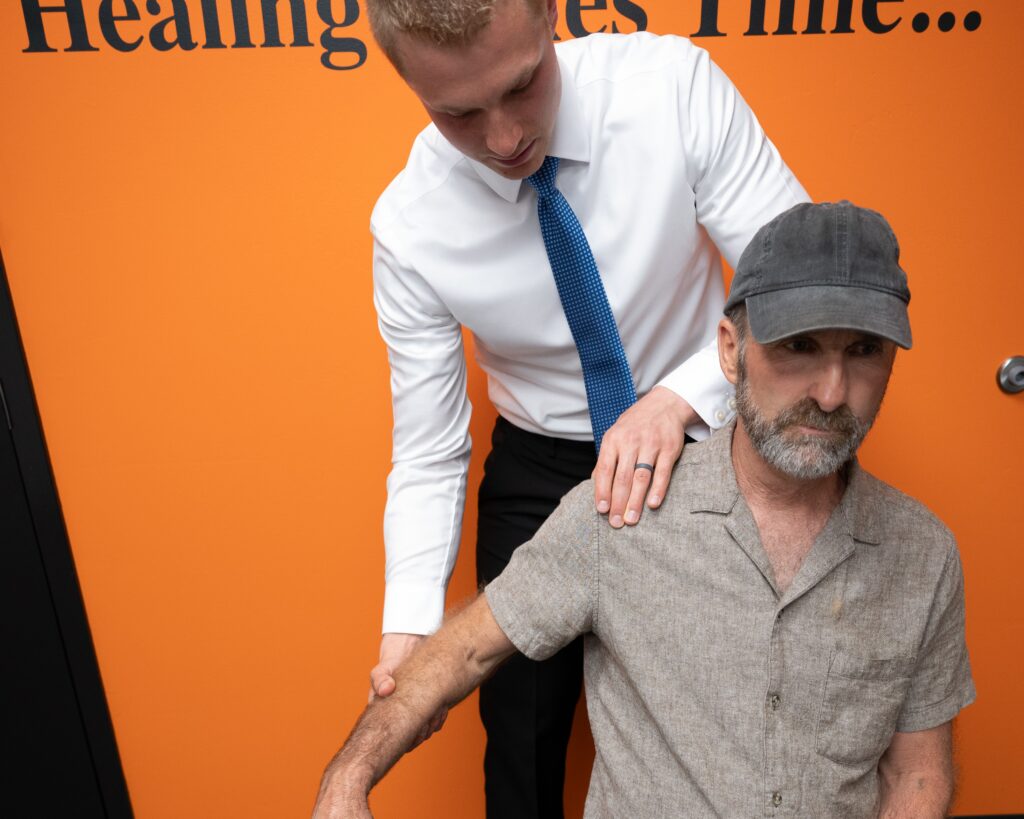
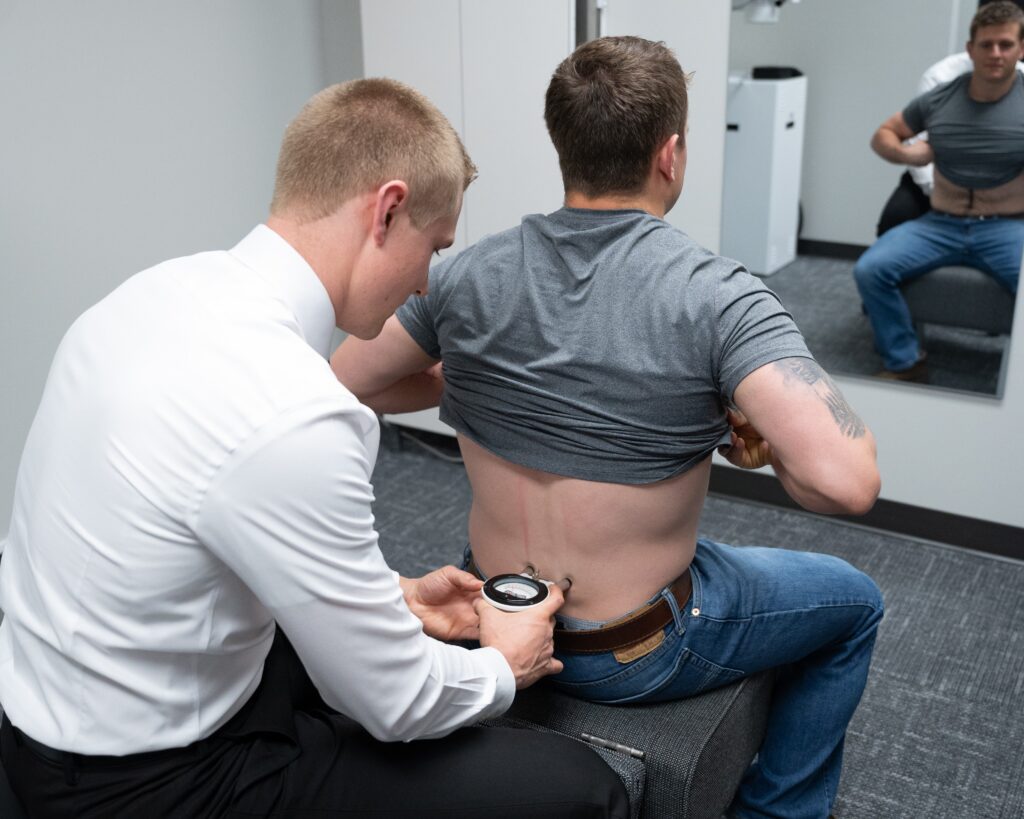
When you come to our Green Bay practice with whiplash, your care begins with a thorough evaluation. We’ll discuss how your injury occurred, what symptoms you’re experiencing, and how these symptoms are affecting your daily life. A comprehensive examination helps us understand the extent of your injury and identify any red flags that might require additional medical attention.
The examination typically includes assessments of your neck range of motion, posture, spinal alignment, muscle tension, and neurological function. We may also take X-rays to evaluate the cervical spine structure and rule out fractures or other serious conditions. This thorough evaluation allows us to develop a treatment plan tailored to your specific needs.
In the initial phase of care, the focus is on reducing pain and inflammation while protecting injured tissues. Treatment during this phase may include gentle chiropractic adjustments, ice or cold therapy, soft tissue work, and education about proper positioning and activities to avoid. The goal is to calm the inflammatory response and begin restoring normal motion without aggravating the injury.
As healing progresses, treatment shifts toward restoring full function and preventing long-term complications. Adjustments may become more specific and vigorous as your tissues heal and can tolerate more intervention. Therapeutic exercises and stretches are introduced to rebuild strength and flexibility. We also address any compensatory patterns that may have developed in other areas of your spine or body.
Throughout your care, we provide guidance on home care strategies, ergonomic modifications, and lifestyle adjustments that support your recovery. This might include advice on sleeping positions, work station setup, or activities to modify during healing. Patient education is a cornerstone of our approach because we believe informed patients are empowered patients who achieve better outcomes.
Practical Tips for Managing Whiplash Symptoms
While professional chiropractic care is essential for whiplash recovery, there are several things you can do at home to support your healing and manage symptoms between visits to 920 Chiropractic Health & Injury Care.
Apply ice to your neck during the first 48 to 72 hours after injury. Use an ice pack wrapped in a thin towel for 15 to 20 minutes at a time, several times per day. Cold therapy helps reduce inflammation and numb acute pain. After the initial inflammatory phase, you may benefit from alternating ice and heat, but check with us first to ensure this is appropriate for your specific situation.
Maintain good posture throughout the day, even though it might be challenging with neck pain. Avoid slouching or jutting your head forward, as these positions place additional stress on injured neck structures. When sitting, keep your ears aligned over your shoulders and your shoulders aligned over your hips. Use a supportive chair with proper lumbar support.
Be mindful of your sleeping position. Sleep on your back or side with a supportive pillow that maintains the natural curve of your neck. Avoid sleeping on your stomach, which forces your neck into rotation for extended periods. A cervical pillow designed to support proper neck alignment may be helpful, and we can provide recommendations based on your specific needs.
Limit activities that aggravate your symptoms in the early stages of healing. This doesn’t mean complete rest—prolonged immobility can actually slow recovery and lead to stiffness—but it does mean avoiding activities that cause sharp pain or significantly worsen your symptoms. Light, gentle movement within your tolerance is generally beneficial.
Stay hydrated and maintain good nutrition to support tissue healing. Your body needs adequate protein, vitamins, and minerals to repair damaged tissues. Anti-inflammatory foods like fatty fish, leafy greens, berries, and nuts may help reduce inflammation naturally.
Practice stress management techniques. Pain and injury can be stressful, and stress can amplify pain perception and muscle tension. Gentle breathing exercises, meditation, or other relaxation techniques may help you manage the emotional aspect of recovery.
Follow the treatment plan and home exercise program prescribed by your chiropractor. Consistency is key to recovery. Skipping appointments or neglecting home exercises can prolong healing and reduce the effectiveness of your care.
When to See a Chiropractor for Whiplash
Knowing when to seek chiropractic care for whiplash can make a significant difference in your recovery outcome. The earlier you address the biomechanical problems caused by whiplash, the better your chances of preventing chronic pain and long-term complications.
You should seek evaluation soon after any incident that could have caused whiplash, even if you don’t have immediate symptoms. As mentioned earlier, whiplash symptoms often have a delayed onset. Getting examined while tissues are still in the early stages of injury allows for prompt intervention and better outcomes.
If you do develop symptoms—neck pain, stiffness, headaches, or reduced range of motion—don’t wait for them to become severe before seeking care. Early conservative treatment has been shown to help prevent the transition from acute to chronic whiplash-associated disorders. What might seem like minor discomfort can progress if underlying joint dysfunction and muscle imbalances aren’t addressed.
If your symptoms persist beyond a few days or worsen despite home care measures, it’s time to get professional help. While some muscle soreness might be expected after any injury, persistent or worsening pain suggests that the injury needs specific treatment beyond rest and over-the-counter medication.
However, there are certain red flags that warrant immediate medical attention rather than waiting for a chiropractic appointment. Seek emergency care if you experience severe headache unlike any you’ve had before, loss of consciousness, difficulty breathing or swallowing, severe dizziness or vision changes, weakness or numbness that’s progressive or affects both sides of your body, loss of bowel or bladder control, or fever along with neck pain and stiffness.
These symptoms could indicate a more serious condition such as a fracture, spinal cord injury, infection, or other medical emergency. At 920 Chiropractic Health & Injury Care, we’re trained to recognize these red flags and will refer you for appropriate medical care when necessary. Your safety is always our top priority.
Understanding Your Whiplash Recovery Timeline
| Recovery Phase | Typical Timeline | Focus of Care | Expected Progress |
|---|---|---|---|
| Acute Inflammatory Phase | 0-72 hours | Reduce inflammation, protect tissues, manage pain | Symptoms may worsen initially before improvement begins |
| Early Healing Phase | 3 days – 3 weeks | Restore gentle motion, reduce muscle spasm, begin rehabilitation | Gradual reduction in pain intensity, improved range of motion |
| Repair and Strengthening Phase | 3 weeks – 3 months | Restore full function, strengthen supporting muscles, correct biomechanics | Return to normal activities, continued improvement in strength and flexibility |
| Remodeling and Prevention Phase | 3+ months | Maintain gains, prevent recurrence, optimize spinal health | Full or near-full recovery with occasional maintenance care |
These timelines are general guidelines. Your actual recovery may be faster or slower depending on the severity of your injury, your overall health, how quickly you began treatment, and your compliance with the care plan. Some mild cases resolve in just a few weeks, while more severe whiplash injuries may require several months of care for optimal recovery.
Myths vs. Facts About Whiplash
Myth: Whiplash isn’t a real injury—it’s just people trying to get insurance money.
Fact: Whiplash is a legitimate injury with well-documented biomechanical causes and measurable physical changes in the neck structures. Research using advanced imaging has shown actual tissue damage, inflammation, and altered joint mechanics in whiplash patients. While fraudulent claims do occasionally occur, the vast majority of whiplash sufferers experience genuine pain and disability that can significantly impact their quality of life.
Myth: You should keep your neck completely still and wear a cervical collar for weeks after whiplash.
Fact: Evidence indicates that prolonged immobilization and extended collar use may actually slow recovery from whiplash. While a soft collar might provide short-term comfort in the first few days after injury, current best practices recommend early, gentle movement within your tolerance. Appropriate movement helps maintain circulation, prevents excessive stiffness, and promotes faster healing. Your chiropractor will guide you on safe, beneficial movement strategies.
Myth: If you don’t have symptoms immediately after an accident, you didn’t get whiplash.
Fact: Delayed symptom onset is extremely common with whiplash injuries. Symptoms can appear hours or even days after the initial trauma as inflammation develops and tissues stiffen. This delayed onset doesn’t mean the injury is less severe—it’s simply a characteristic of how soft tissue injuries manifest. This is why evaluation is recommended even if you feel fine immediately after an accident.
Myth: There’s nothing you can do for whiplash except wait it out and take pain pills.
Fact: While some mild whiplash injuries do resolve on their own, many people benefit significantly from active treatment that addresses the underlying biomechanical problems. Chiropractic care, physical rehabilitation, and other conservative therapies have been shown to help reduce pain, restore function, and potentially prevent chronic symptoms. Simply masking pain with medication doesn’t address the joint dysfunction, muscle imbalances, and altered movement patterns that perpetuate whiplash symptoms.
Myth: Chiropractic adjustments are too aggressive for whiplash injuries.
Fact: Chiropractors are trained to modify their techniques based on the nature and severity of your injury. For acute whiplash, we use gentle, low-force methods that respect your body’s healing timeline and tolerance. As your tissues heal, adjustments can be progressed appropriately. Chiropractic care for whiplash is tailored to your specific condition and comfort level, not a one-size-fits-all approach.
Final Thoughts
Recovering from whiplash can feel overwhelming, especially when pain and stiffness disrupt your work, hobbies, and daily activities. But with proper care and patience, most people do recover and return to normal function. The key is addressing the injury early with comprehensive treatment that goes beyond just managing symptoms.
Here in Green Bay, the team at 920 Chiropractic Health & Injury Care is committed to helping whiplash patients restore their health and mobility through evidence-based, patient-centered chiropractic care. We understand the biomechanics of whiplash, the healing process, and how to support your body’s natural recovery while preventing long-term complications.
Whether your whiplash resulted from a car accident, sports injury, or any other trauma, you don’t have to navigate recovery alone. Professional chiropractic care can provide the guidance, treatment, and support you need to heal properly and get back to the activities you love. Your neck does incredible work supporting your head and facilitating movement every day—it deserves proper care after an injury.
If you’re dealing with whiplash symptoms or have recently experienced trauma that could have caused this type of injury, we encourage you to reach out. Early intervention often leads to better outcomes, and we’re here to help you every step of the way on your path to recovery.
Frequently Asked Questions About Whiplash
How long does it take to recover from whiplash with chiropractic care?
Recovery time varies based on injury severity, but many patients experience significant improvement within 4 to 12 weeks of consistent chiropractic care. Mild cases may resolve in just a few weeks, while more severe whiplash injuries might require several months of treatment. Your chiropractor will provide a more specific timeline after evaluating your condition.
Can whiplash cause problems years later if not treated properly?
Research suggests that untreated or inadequately treated whiplash can lead to chronic neck pain, headaches, reduced mobility, and potentially accelerated degenerative changes in the cervical spine. This is why addressing the biomechanical problems early is so important. Proper treatment helps restore normal function and may reduce the risk of long-term complications.
Will my insurance cover chiropractic treatment for whiplash?
Many insurance plans, including auto insurance with personal injury protection (PIP) coverage, do cover chiropractic care for whiplash injuries. Coverage varies by policy, so we recommend contacting your insurance provider or our office to verify your specific benefits. At 920 Chiropractic Health & Injury Care, we can help you understand your coverage and work with your insurance company.
Is it normal to feel worse after the first few chiropractic treatments for whiplash?
Some people do experience temporary soreness or slight symptom increase after initial treatments, similar to how you might feel after starting a new exercise program. This typically resolves within 24 to 48 hours and often indicates that your body is responding to treatment. However, if symptoms worsen significantly or persist, contact your chiropractor right away.
Can I still work and do normal activities while recovering from whiplash?
This depends on your job demands and symptom severity. Many people can continue working with some modifications, especially if they have desk jobs. Your chiropractor will provide specific guidance on activities to modify or avoid during healing, and can provide documentation for your employer if work restrictions are necessary. Staying active within your tolerance generally supports recovery better than complete rest.
Do I need X-rays or MRI for whiplash?
X-rays are commonly used to evaluate the cervical spine structure and rule out fractures after whiplash. MRI is typically reserved for cases with severe symptoms, neurological findings, or symptoms that don’t improve with conservative care. Your chiropractor will determine what imaging, if any, is appropriate based on your examination findings and clinical presentation.
TL;DR – Key Takeaways
- Whiplash is a real injury caused by rapid back-and-forth head movement that damages neck muscles, ligaments, and joints—symptoms often appear hours or days after the initial trauma.
- Chiropractic care addresses the underlying biomechanical problems of whiplash through gentle adjustments, soft tissue therapy, and rehabilitative exercises tailored to your healing stage.
- Early treatment is important—seeking chiropractic care soon after injury can help prevent chronic pain and long-term complications while supporting faster recovery.
- Recovery typically takes 4 to 12 weeks with proper care, though severe cases may require longer treatment—prolonged immobilization actually slows healing.
- Contact 920 Chiropractic Health & Injury Care in Green Bay if you experience whiplash symptoms, but seek emergency care for red flags like severe headache, progressive weakness, or loss of consciousness.