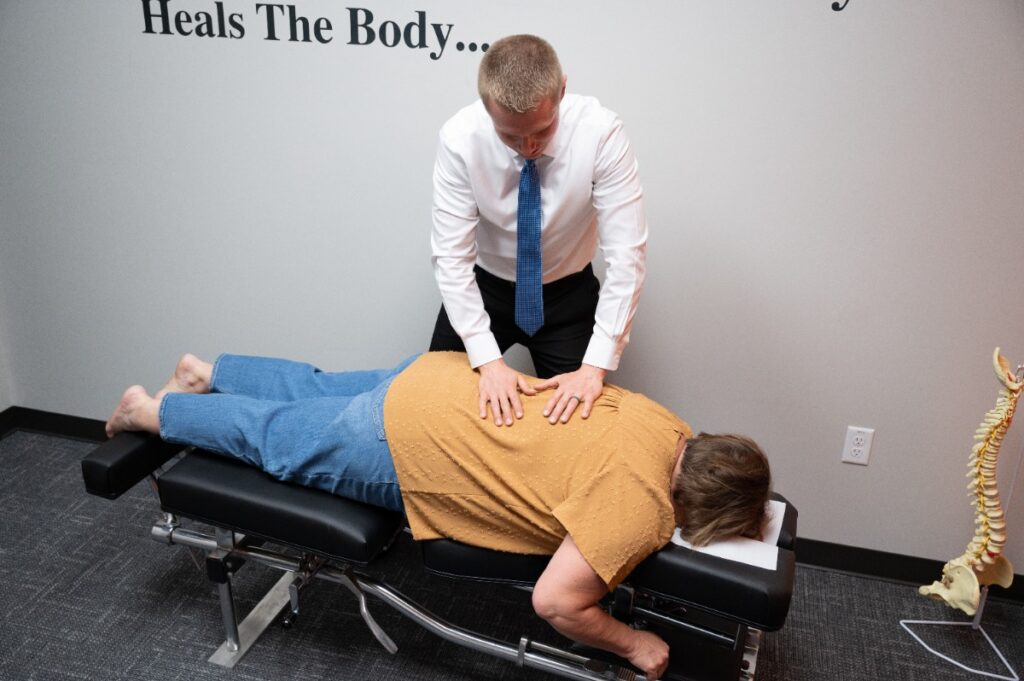

Have you ever considered how chiropractic care might help alleviate the stress you face daily? By focusing on spinal alignment, you can optimize your nervous system's function, which plays an essential role in managing stress. Regular adjustments not only tackle physical discomfort but also promote a sense of relaxation and emotional balance. As you explore the connection between chiropractic treatments and stress relief, you might find surprising insights about your overall well-being that could change how you approach stress management. So, what specific benefits can chiropractic care offer in your quest for a calmer life?
Understanding Chiropractic Care
In today's fast-paced world, understanding chiropractic care can be a game-changer for managing stress. Chiropractic care focuses on the relationship between your body's structure, primarily the spine, and its function. By using hands-on spinal manipulation and other techniques, chiropractors aim to enhance your overall health and alleviate discomfort. When your spine is in alignment, your nervous system functions more efficiently, which can help reduce stress levels.
You mightn't realize it, but misalignments in your spine can lead to a range of issues, including tension and discomfort throughout your body. When you visit a chiropractor, they'll assess your posture, mobility, and any areas of pain to create a tailored treatment plan. This personalized approach guarantees you receive care specific to your needs, promoting relaxation and well-being.
Regular chiropractic adjustments can help improve your body's alignment and enhance its ability to cope with stressors. By addressing physical discomfort, you may find it easier to manage emotional stress, allowing you to navigate daily challenges with greater ease.
Additionally, many people report feeling a sense of calm and improved mood after their chiropractic sessions, making it a valuable tool in your stress relief toolkit.
Ultimately, understanding chiropractic care empowers you to take charge of your health. By incorporating it into your routine, you can cultivate a greater sense of balance and resilience, making stress more manageable in your life.
How Stress Affects the Body
Stress can take a toll on your body in ways you mightn't even realize.
You may experience physical symptoms like headaches or muscle tension, while also feeling mentally overwhelmed or anxious.
Understanding these effects is essential for finding effective relief and restoring balance to your life.
Physical Symptoms of Stress
The toll of stress on the body manifests in various physical symptoms that can surprise you. You might experience tension headaches, a tight neck, or even back pain as your muscles tighten in response to stress. It's not just about discomfort; stress can lead to chronic issues if left unaddressed.
Your digestive system may also take a hit, causing symptoms like stomach cramps, bloating, or changes in appetite. You might notice that your heart races or you feel fatigued, even after a full night's sleep. Stress can weaken your immune system, making you more susceptible to colds and infections.
You could also find that your skin reacts, leading to breakouts or rashes. Even your breathing patterns can change; you may notice that you breathe more shallowly when stressed, which can exacerbate feelings of anxiety.
All these physical symptoms signal that your body is reacting to stress, and it's essential to pay attention. Recognizing these signs is the first step toward managing stress effectively. Integrating chiropractic care into your routine can help alleviate these physical manifestations, allowing your body to find balance again.
Mental Health Impacts
Chronic stress can considerably impact your mental health, leading to feelings of anxiety, depression, and irritability. When you're under constant stress, your body releases hormones like cortisol, which can affect your mood and overall mental well-being. You might find it hard to concentrate or make decisions, and even small tasks can feel overwhelming.
Moreover, stress can disrupt your sleep patterns, causing fatigue and further exacerbating mental health issues. You may experience mood swings or feel on edge, making social interactions challenging. This cycle can leave you feeling isolated, as stress impacts your relationships and your ability to connect with others.
Chiropractic care can help alleviate some of this stress. By addressing physical tension, it can create a sense of relaxation that promotes mental clarity. Regular adjustments can also improve your sleep quality, allowing your body to recover and rejuvenate.
As you experience less physical discomfort, you may find that your mental load lightens as well. Incorporating chiropractic care into your routine can be a proactive step towards improving both your mental and physical health, helping you manage stress more effectively.
Role of Spinal Alignment
Proper spinal alignment plays an essential role in your overall well-being, especially when it comes to stress relief. When your spine is properly aligned, it helps maintain an ideal flow of energy throughout your body. This alignment not only supports your physical health but also contributes to a balanced mental state.
Misalignments in your spine can lead to tension and discomfort, which can heighten stress levels. You might find yourself feeling more irritable or anxious when you're dealing with physical pain or discomfort. By seeking chiropractic care, you can address these misalignments, alleviating pain and promoting relaxation.
When your spine is aligned, it can enhance your body's ability to function effectively. This proper alignment supports better posture, which can lead to increased confidence and a more positive outlook on life.
Plus, when you're not preoccupied with discomfort, you can better manage daily challenges and stressors.
Regular chiropractic adjustments can help you maintain spinal alignment, allowing you to experience relief from both physical and mental stress. Additionally, these adjustments can improve your sleep quality, which is vital for stress management.
A well-aligned spine can also enhance your body's natural ability to recover from stressors, making it easier for you to handle life's ups and downs.
Nervous System and Stress Relief
Your nervous system plays a vital role in how you experience stress and respond to it.
Chiropractic adjustments can enhance its functionality, helping your body better manage stressors.
Nervous System Functionality
In today's fast-paced world, understanding how your nervous system functions is essential for managing stress effectively. Your nervous system plays a vital role in how you respond to stressors, helping you navigate daily challenges.
It consists of two main components: the sympathetic and parasympathetic systems. When you encounter stress, your sympathetic nervous system kicks in, triggering the fight-or-flight response. This response prepares your body to react quickly, increasing heart rate and blood pressure, which can leave you feeling overwhelmed over time.
On the other hand, the parasympathetic system promotes relaxation and recovery. It helps counterbalance the stress response, allowing your body to return to a state of calm. When your nervous system functions at its best, you're better equipped to handle stress. You may notice improved focus, better emotional regulation, and a greater sense of well-being.
Engaging in activities that support your nervous system, such as mindfulness and exercise, can enhance its functionality. By prioritizing your nervous system's health, you'll not only reduce stress but also improve overall quality of life.
Recognizing this connection empowers you to take charge of your stress management effectively.
Chiropractic Adjustments Impact
Chiropractic adjustments can greatly impact your nervous system, promoting stress relief and overall well-being. When your spine is misaligned, it can create tension in your body, leading to increased stress levels. By realigning your spine, chiropractors help restore proper nerve function, allowing your body to communicate more effectively and reducing stress.
These adjustments can lower cortisol levels, the hormone responsible for stress, and enhance the production of feel-good neurotransmitters like serotonin. As a result, you'll likely notice an improvement in your mood and a decrease in anxiety.
Additionally, chiropractic care can improve your sleep quality, another crucial component in managing stress. When you're well-rested, you're better equipped to handle daily challenges.
Regular adjustments can also reduce muscle tension, enhancing your physical comfort and allowing for a greater sense of relaxation. This combination of physical and mental benefits makes chiropractic care an essential tool in your stress management arsenal.
Benefits of Regular Adjustments
While many people associate chiropractic care primarily with pain relief, regular adjustments can also offer significant benefits for stress relief. By maintaining proper spinal alignment through consistent chiropractic visits, you can improve your overall physical health, which in turn can alleviate stress levels. An aligned spine helps optimize your body's nervous system function, allowing it to respond better to stressors.
Regular adjustments can also enhance your body's ability to cope with daily pressures. When your spine is aligned, it reduces tension in your muscles, promoting a more relaxed state. This physical relaxation can translate into mental calmness, making it easier for you to handle stress effectively. You might notice that after each adjustment, you feel lighter, more energized, and ready to tackle challenges head-on.
Furthermore, chiropractic care encourages better posture, which can dramatically influence how you feel both physically and mentally. Good posture can boost your confidence and reduce feelings of anxiety. When you stand tall and straight, you not only project strength but also foster a sense of well-being that can help mitigate stress responses.
Lastly, regular chiropractic adjustments can improve your sleep quality. Better sleep results in improved mood and resilience against stress. As you sleep better, your body can recover and regenerate, allowing you to face each day with renewed energy. By committing to regular adjustments, you're not just investing in your physical health but also nurturing your mental well-being.
Enhanced Relaxation Techniques
When it comes to stress relief, incorporating enhanced relaxation techniques alongside chiropractic care can considerably elevate your well-being. You mightn't realize it, but combining these methods can create a powerful synergy that helps you manage stress more effectively. Techniques like deep breathing, progressive muscle relaxation, and mindfulness meditation can complement the benefits of your chiropractic adjustments.
Deep breathing, for instance, is a simple yet effective way to reduce tension. By taking slow, deep breaths, you can activate your body's relaxation response, lowering cortisol levels and promoting a sense of calm. Practicing this technique regularly, especially after a chiropractic session, can help you maintain that peaceful state longer.
Progressive muscle relaxation involves systematically tensing and then relaxing different muscle groups in your body. This practice can help you become more aware of where you hold tension, allowing you to release it consciously. Paired with chiropractic adjustments, this technique can enhance your physical comfort and mental clarity.
Mindfulness meditation encourages you to focus on the present moment, helping you detach from stressors and anxieties. By regularly engaging in mindfulness practices, you can cultivate a more resilient mindset and improve your overall emotional health.
Incorporating these techniques into your routine doesn't have to be complicated. Just a few minutes each day can lead to significant improvements in your stress levels.
Integrating Chiropractic Into Your Routine
Incorporating chiropractic care into your daily routine can greatly enhance your overall well-being. By making small adjustments and prioritizing your spinal health, you can experience reduced stress and improved physical health.
Here's how you can seamlessly integrate chiropractic practices into your life:
- Schedule Regular Appointments: Make it a habit to see your chiropractor on a regular basis, whether it's weekly or monthly. Consistent visits help keep your spine aligned, reducing tension that can contribute to stress.
- Incorporate Stretching and Exercises: After your chiropractic sessions, practice specific stretches or exercises recommended by your chiropractor. These movements not only support your adjustments but also improve flexibility and strengthen muscles that can help alleviate stress.
- Mindfulness Practices: Pair chiropractic care with mindfulness techniques like meditation or deep-breathing exercises. Taking a few moments each day to focus on your breath can enhance the benefits of your chiropractic treatment, allowing you to feel more relaxed and centered.
Conclusion
Chiropractic care can be a game-changer for stress relief. By improving spinal alignment and optimizing your nervous system, you'll not only alleviate physical tension but also boost your mood. Regular adjustments help reduce headaches, neck pain, and muscle tightness, making it easier to manage daily stressors. When you integrate relaxation techniques into your chiropractic routine, you'll enhance your overall well-being, leading to a more balanced and resilient lifestyle. Don't underestimate the power of chiropractic for a calmer you!