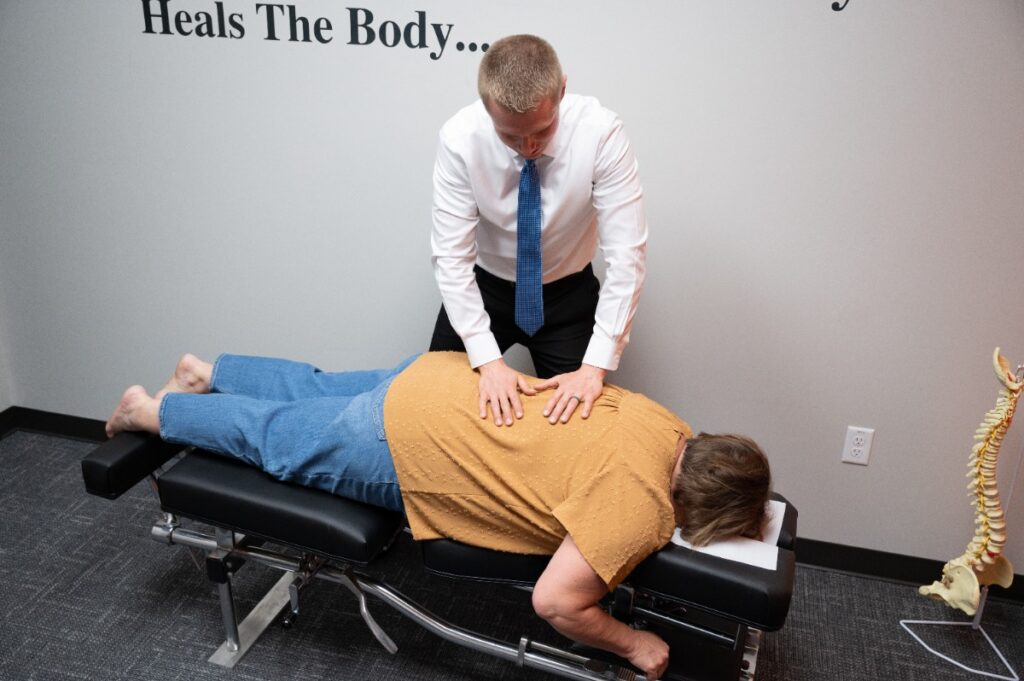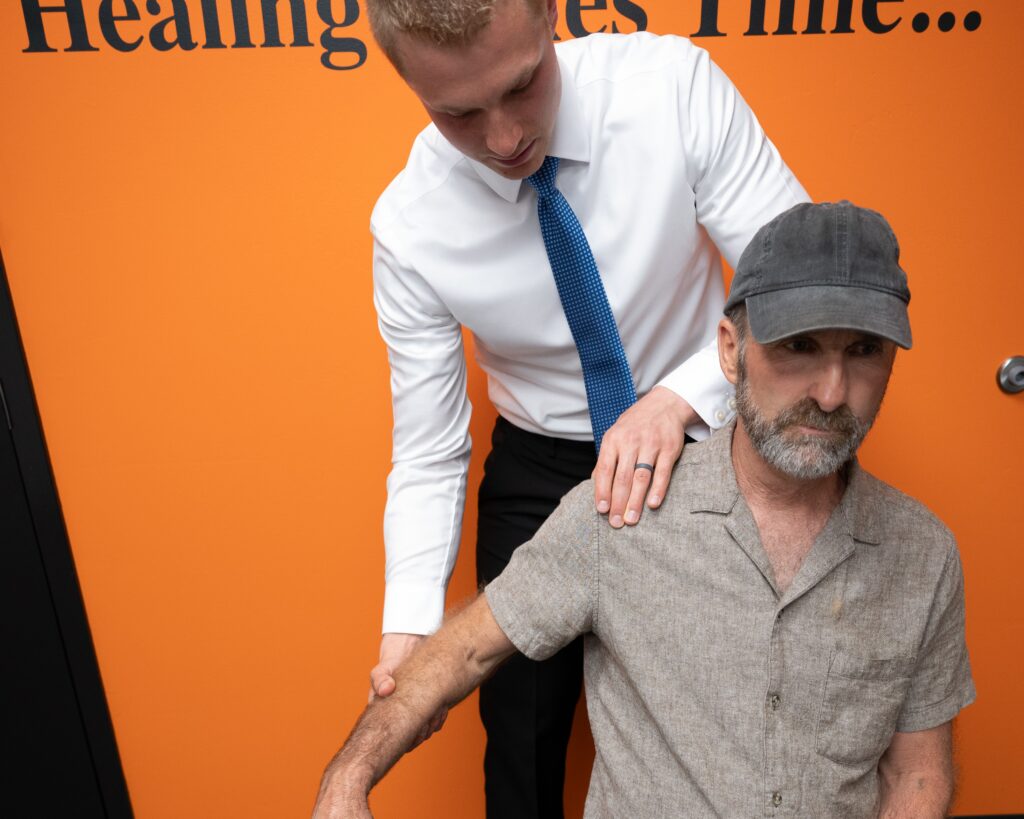

As a local chiropractor, I understand how debilitating neck pain can be and how it can interfere with your daily activities. Soft techniques for neck injuries are a gentle and effective way to promote healing and restore function. These techniques include stretching and targeted massage, which can significantly alleviate discomfort and enhance recovery.
Incorporating these methods into your routine can help you regain flexibility without the need for invasive treatments. It's important to understand the nuances of each approach, as they can greatly influence your healing journey. If you're curious about how to integrate these soft techniques into your daily life, I'm here to guide you through the process and help you find relief naturally. Let's work together towards a pain-free neck!
Understanding Soft Techniques
As a local chiropractor, I want to share with you the importance of understanding soft techniques when it comes to recovering from neck injuries. These techniques are gentle approaches that can significantly aid your healing process. They focus on harnessing your body's natural ability to recover, using minimal force to alleviate pain and restore mobility.
Soft techniques include practices like gentle stretching, mobilization, and specific types of massage. By incorporating these methods into your routine, you're not just treating the symptoms of neck pain; you're also addressing the root causes. For example, light stretching can help maintain your flexibility and prevent stiffness without putting unnecessary strain on your muscles.
It's essential to approach soft techniques with mindfulness. Pay attention to the signals your body is sending you. If you experience discomfort during a movement, it's crucial to stop and reassess.
Working with a professional, like myself, who specializes in soft tissue therapies can provide you with tailored guidance that meets your individual needs.
Integrating soft techniques into your daily routine can create a nurturing environment for healing. Our goal is to reduce tension and discomfort without pushing your body too hard.
Benefits of Soft Techniques
As a local chiropractor, I want to share with you the incredible benefits of soft techniques for neck injuries.
Many patients find that these gentle methods can provide significant relief from pain. Not only do they help alleviate discomfort, but they also play a crucial role in enhancing your range of motion.
By incorporating these soft techniques into your healing process, you can expect to feel more comfortable and regain your mobility. It's all about helping your body heal naturally and effectively.
If you have any questions about how these techniques can work for you, I'm here to help!
Pain Relief Techniques
As a local chiropractor, I want to introduce you to the benefits of soft techniques for managing neck injuries.
These gentle approaches can significantly alleviate your pain and enhance your mobility without resorting to aggressive treatments. Many of my patients are pleasantly surprised by how effective these methods can be in providing relief.
Here are some key benefits you can expect from these pain relief techniques:
- Reduced Muscle Tension: Soft techniques focus on releasing tight muscles in the neck, which can help you move more freely and reduce discomfort.
- Enhanced Blood Flow: Through gentle massage and stretching, we can improve circulation in the affected area. This not only promotes healing but also helps reduce inflammation.
- Stress Relief: Many of these techniques include relaxation practices that can lower your stress levels, which in turn can help diminish your perception of pain.
- Non-Invasive Options: Soft techniques offer a safe and effective alternative to medications or invasive procedures, allowing you to manage your pain naturally without the risk of unwanted side effects.
If you're curious about how these methods can help you, I encourage you to schedule a consultation.
Together, we can explore the best approach for your individual needs.
Improved Range of Motion
As a local chiropractor, I want to share how gentle manipulation techniques can significantly enhance your range of motion after experiencing a neck injury. When you sustain an injury to your neck, it's common to experience stiffness that restricts your ability to turn or tilt your head.
Through soft techniques such as myofascial release and gentle stretching, we can effectively address these limitations by loosening tight muscles and promoting increased blood flow to the affected areas.
As we work together using these gentle techniques, you may start to notice an improved flexibility in your neck. This newfound mobility can make daily activities much easier, ultimately decreasing the risk of further injury.
Integrating these methods into your recovery plan not only supports your physical healing but also helps to boost your confidence. You'll feel more at ease moving your head, which can help alleviate any fear of pain or re-injury.
Furthermore, enhancing your range of motion can lead to a better overall quality of life. You'll find it easier to participate in activities you enjoy, whether it's playing sports, driving, or simply spending time with loved ones.
Our ultimate goal is to restore your neck's natural function, and these soft techniques are a crucial component of that journey. I encourage you to work with a skilled practitioner—like myself—to create a personalized plan that caters to your specific needs.
Together, we can help you on the path to recovery and improved well-being.
Gentle Stretching Exercises
As a local chiropractor, I want to share how gentle stretching exercises can be a game-changer for your neck health. Many of my patients come in seeking relief from tension and discomfort, and often, simple stretching techniques can significantly improve flexibility and reduce pain.
Incorporating these stretches into your routine can enhance your overall comfort and well-being. It's important to approach these exercises mindfully, focusing on your body's signals and ensuring you aren't pushing yourself too hard.
Let's delve into the numerous benefits of these gentle stretches and discuss the best practices for implementing them effectively into your daily life.
With the right techniques, you can experience lasting relief and a greater sense of mobility.
Benefits of Gentle Stretching
As a local chiropractor, I want to share the importance of incorporating gentle stretching exercises into your recovery process, especially if you're dealing with neck injuries. Many people underestimate the power of these simple movements, but they can significantly enhance your healing journey.
Here are four key benefits you can experience from gentle stretching:
- Reduced Tension: Gentle stretching is effective in releasing the tension that often builds up in the neck. This release can lead to a more relaxed state, which is crucial for your overall well-being.
- Improved Blood Flow: Engaging in stretching increases blood circulation to the injured area. This improved circulation is vital for speeding up the healing process and can also help to reduce inflammation.
- Enhanced Range of Motion: By incorporating regular gentle stretches, you can gradually improve your neck's range of motion. This improvement makes daily activities not only easier but also more comfortable, allowing you to get back to the things you love.
- Emotional Relief: Gentle stretching isn't just about physical benefits; it can also have a positive impact on your mood. By reducing stress and anxiety, these stretches help you feel more in control of your recovery, contributing to your emotional health.
Remember, chiropractic care and gentle stretching go hand in hand. Together, they can pave the way for a more holistic and effective healing experience.
If you have any questions or would like personalized guidance, feel free to reach out!
Recommended Stretching Techniques
As a local chiropractor dedicated to promoting natural healing and recovery, I want to share some effective stretching techniques that can greatly assist in your recovery from neck injuries.
It's important to incorporate these gentle movements into your daily routine to help alleviate discomfort and improve flexibility.
Let's begin with gentle neck tilts. Start by slowly tilting your head to one side, bringing your ear toward your shoulder. Hold this position for about 15-30 seconds, and then switch to the other side.
This exercise is fantastic for loosening tight muscles and enhancing your flexibility, which is essential for neck health.
Next, I recommend neck rotations. Whether you're seated or standing, gently turn your head to one side until you feel a mild stretch. Hold this position for 15-30 seconds, then rotate to the other side.
This simple movement not only enhances circulation but also helps relieve any stiffness you may be experiencing.
Another effective stretch is the chin tuck. Sit up straight and gently tuck your chin toward your chest, which creates a double chin effect. Hold this position for about 5 seconds before releasing.
Aim to repeat this 5-10 times. This exercise is excellent for strengthening your neck muscles and promoting better posture—both crucial for your overall well-being.
Lastly, don't overlook the benefits of shoulder shrugs. Raise your shoulders toward your ears and hold them there for a moment before relaxing.
Repeat this 10 times to help relieve tension in your neck and shoulders.
Remember, the key to these stretches is to perform them slowly and breathe deeply. Allow your body to relax and enjoy the healing process.
If you have any questions or concerns about your neck pain, feel free to reach out to me; I'm here to help guide you on your journey to recovery and wellness.
Massage Therapy Approaches
As a local chiropractor, I want to share how massage therapy can be a beneficial part of your recovery journey, especially when dealing with neck injuries.
Understanding your options can help alleviate discomfort and enhance your mobility, allowing you to return to everyday activities with ease.
Here are some massage therapy techniques that I recommend for promoting neck health:
- Swedish Massage: This gentle technique involves long, flowing strokes that help relax tight muscles and stimulate blood circulation. Many of my patients find it not only soothing but also revitalizing.
- Deep Tissue Massage: For those suffering from chronic neck pain, deep tissue massage can target the deeper layers of muscle and connective tissue. This approach is designed to relieve tension and break down adhesions, often resulting in significant relief.
- Trigger Point Therapy: This method focuses on applying pressure to specific points in your neck and shoulders to relieve referred pain and muscle tightness. You may be amazed at how effective addressing these trigger points can be in alleviating discomfort.
- Myofascial Release: This technique aims to release tension in the fascia, the connective tissue surrounding your muscles. Many patients report improved flexibility and reduced pain after just a few sessions of this therapy.
By incorporating these massage therapy techniques into your overall recovery plan, you can greatly enhance your neck health.
I encourage you to work with a skilled therapist who understands your unique condition.
Together, we can take significant steps towards achieving a pain-free life through a combination of chiropractic care and natural healing methods.
Relaxation Techniques
As a local chiropractor, I want to emphasize the importance of relaxation techniques in managing neck injuries and promoting your overall recovery. Many patients are unaware that stress and tension can significantly intensify pain, making it crucial to incorporate effective relaxation methods into your daily routine.
One of the simplest yet most powerful techniques is deep breathing. By concentrating on your breath, you can't only calm your mind but also alleviate muscle tension in your neck. I encourage you to try inhaling deeply through your nose for a count of four, holding that breath for another four counts, and then exhaling slowly through your mouth for another four. Repeating this several times can lead to noticeable relief.
Another beneficial technique is progressive muscle relaxation. Begin this practice at your toes and gradually move upwards, tensing each muscle group for a few seconds before allowing them to relax. It's particularly important to focus on your neck and shoulders, as these areas often accumulate tension. As you let go of that tension, picture your stress dissipating.
Mindfulness meditation is another effective approach. Find a quiet space, close your eyes, and concentrate on your breath or a soothing mantra. This practice enhances your body awareness and can help shift your perception of pain.
Gentle yoga and stretching can also play a significant role in relaxation. Poses that focus on releasing tension in the neck and shoulders, such as child's pose or cat-cow, can be incredibly soothing. Always remember to listen to your body and avoid pushing yourself too hard.
Heat and Cold Therapy
As a local chiropractor, I want to share some valuable insights about heat and cold therapy, particularly in managing neck injuries and alleviating pain.
These simple yet effective techniques can play a crucial role in your healing journey and overall well-being. It's essential to know when to apply heat and when to use cold, as each serves a unique purpose in treatment.
Heat therapy is wonderful for increasing blood flow, relaxing tight muscles, and relieving stiffness in your neck. If you're experiencing tension or tightness, applying heat can provide significant relief.
Conversely, cold therapy is particularly effective for reducing inflammation and numbing sharp pain. If you've recently sustained a neck injury, cold compresses can offer immediate relief and help you feel more comfortable.
Here are four key benefits of incorporating heat and cold therapy into your recovery process:
- Pain Relief: Using these therapies can lead to immediate reduction in discomfort, allowing you to feel more at ease and ready to engage in your daily activities.
- Improved Mobility: Heat application can enhance your range of motion, making it easier to perform everyday tasks without limitation.
- Reduced Swelling: Cold therapy is excellent for minimizing inflammation, which can significantly speed up your recovery time.
- Increased Relaxation: Heat not only soothes your muscles but also promotes a calming effect that can help you unwind and reduce stress.
Integrating these therapies into your daily routine is straightforward. Just a few minutes with a heating pad or an ice pack can make a noticeable difference in your comfort level.
Remember to listen to your body and adjust the temperature to avoid burns or frostbite. By utilizing heat and cold therapy effectively, you can support your recovery and enhance your overall health.
If you have any questions or need guidance on how to use these therapies, feel free to reach out during your visit. Your journey to healing is important to us!
Incorporating Techniques Into Daily Life
As your local chiropractor, I want to share some valuable techniques that can enhance your recovery from neck injuries through natural healing methods. One effective approach is incorporating heat and cold therapy into your daily routine. I recommend setting specific times each day to apply these therapies. For example, using a heating pad in the morning can help loosen tight muscles, while cold packs in the evening can effectively reduce inflammation. Consistency is key, as this will allow your body to respond better to these treatments.
In addition to thermal therapies, gentle stretches and range-of-motion exercises are crucial for your recovery. I encourage you to dedicate a few minutes each day to perform these movements, focusing on slow and controlled motions. This not only improves your flexibility but also strengthens the muscles that support your neck. You might find it helpful to do these exercises during breaks at work or while relaxing at home, making them easier to incorporate into your daily life.
Posture plays a significant role in neck health, so I urge you to be mindful of how you sit and stand throughout the day. Using ergonomic chairs and positioning your computer screen at eye level can greatly minimize strain on your neck. When using your phone, try to hold it at eye level instead of bending your neck down, as this can prevent unnecessary discomfort.
Lastly, I recommend integrating relaxation techniques such as deep breathing or meditation into your routine. These practices not only reduce muscle tension but also help alleviate stress, promoting overall healing. You can practice these techniques at any time, whether you're at work or at home.
When to Seek Professional Help
As a local chiropractor, I want to emphasize the importance of recognizing when to seek professional help for neck injuries. Understanding your body's signals is crucial for a smooth recovery. Ignoring symptoms or postponing treatment can lead to chronic pain or more severe complications.
Here are some key indicators that it's time to consult a healthcare professional like me:
- Severe Pain: If you're dealing with intense and persistent neck pain that doesn't improve with rest or over-the-counter pain relievers, this is a clear signal that you should seek a professional evaluation. Chiropractic care can provide targeted relief and support your recovery.
- Numbness or Tingling: Experiencing numbness or tingling in your arms or hands may indicate nerve involvement. This isn't something to ignore—getting checked out can help prevent further issues and facilitate healing.
- Limited Range of Motion: Struggling to turn your head or move your neck is another important sign. A chiropractor can assess your condition and implement specific treatments to help restore your mobility and function, enabling you to return to your daily activities.
- Headaches: If you're experiencing frequent headaches that feel different from your usual ones, they could be linked to neck injuries. These headaches may suggest underlying issues that chiropractic care can address.
Never underestimate the importance of timely intervention. Seeking help early can accelerate your recovery and minimize the risk of long-term problems.
Remember, your neck isn't just a standalone part of your body—it's integral to your overall health. By addressing injuries promptly with chiropractic care, you can significantly improve your well-being.
Don't hesitate to reach out; your health should always be your top priority!
Conclusion
As a local chiropractor, I want to share how incorporating soft techniques for neck injuries can significantly support your recovery journey. Gentle stretching, targeted massage, and relaxation methods can provide substantial relief from pain and enhance your mobility without the need for invasive treatments. It's crucial to listen to your body and tailor these techniques to your individual needs. If you find that your symptoms persist or even worsen, I encourage you to seek professional assistance. Taking care of your well-being is essential and can lead to a more comfortable and active lifestyle. Remember, chiropractic care and natural healing methods can be powerful allies in your recovery process.