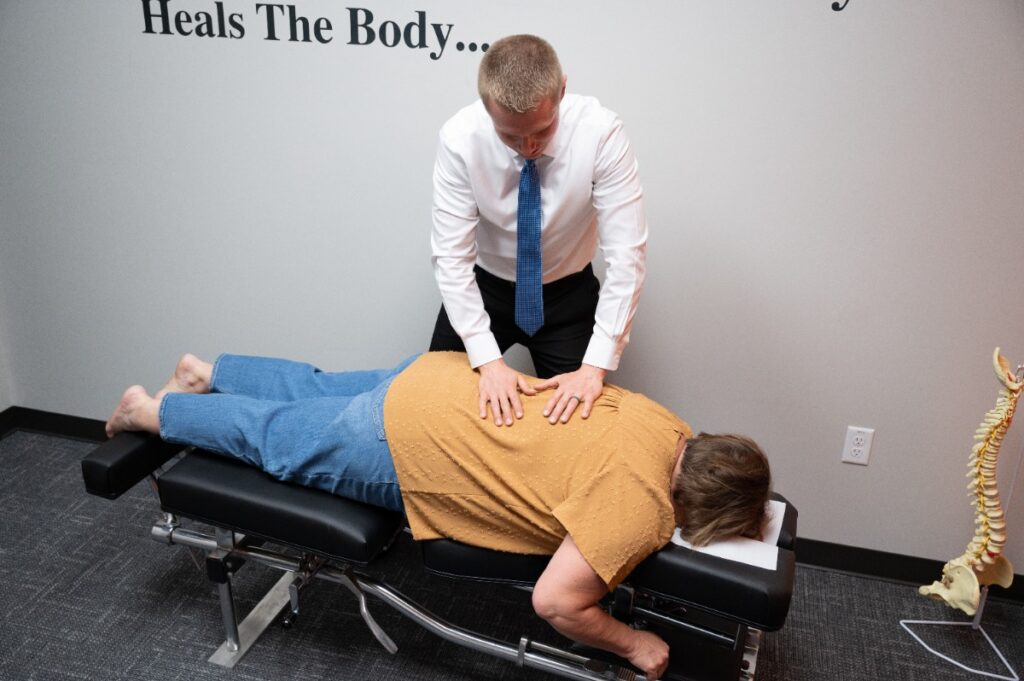

As a local chiropractor, I want to emphasize the importance of safety for infants and toddlers, not just from a physical standpoint, but also in their overall well-being and development. Ensuring that your little ones are safe involves more than just keeping an eye on them; it includes creating an environment that supports their growth and health.
It's essential to consider age-appropriate foods that nourish their developing bodies, which can also contribute to their spinal health and well-being. Baby-proofing your home is another crucial step that helps prevent accidents and injuries. However, understanding safe techniques goes beyond just supervision.
Encouraging proper posture and movement from an early age can set the foundation for a healthy spine and nervous system. Techniques such as gentle tummy time and safe ways to carry your baby can promote strength and flexibility, which are vital for their physical development.
By implementing these strategies, you not only create a secure environment but also support their healthy growth. Let's delve into these essential practices together to ensure that your little ones thrive both safely and naturally.
Safe Feeding Practices
When it comes to nurturing your little ones, it's essential to prioritize their well-being, just as we do in chiropractic care. As a chiropractor, I emphasize the importance of a holistic approach to health, which includes safe feeding practices for infants and toddlers that not only support their nutritional needs but also promote their overall development and well-being.
Start by selecting age-appropriate foods that align with their growth stages. For infants, begin with pureed fruits and vegetables, gradually introducing soft, mashed foods as they become more accustomed to eating. For toddlers, small, bite-sized pieces of soft foods are ideal, ensuring that they're easy to chew and swallow. This gradual transition is similar to how we introduce new exercises or adjustments to ensure comfort and safety.
Always keep an eye on your child during mealtime. Position them securely in a high chair or a safe chair with straps, ensuring they're seated upright. This posture not only minimizes the risk of choking but also supports their spine and overall body alignment, much like how we focus on posture in chiropractic care.
Limiting distractions during meals helps them concentrate on their food, much like how we encourage mindfulness in our practice. Cutting food into small, manageable pieces is crucial. Avoid hard, round, or sticky items like whole grapes or nuts, similar to how we advise against certain activities that may strain the body. Instead, opt for sliced grapes, soft cheeses, or yogurt.
Encourage them to chew thoroughly, reinforcing the importance of taking their time—this parallels the way we approach gradual healing and adjustment processes in chiropractic care. Be mindful of the temperature of the food as well. Always test it before serving to avoid scalding little mouths.
When introducing new foods, do so one at a time, allowing a few days in between to monitor for any allergic reactions, akin to how we observe patient responses to new treatment methods. Lastly, be prepared for emergencies. Familiarize yourself with basic first aid techniques for choking and keep emergency numbers readily accessible.
Just as we equip our patients with knowledge for their health journeys, being prepared ensures a safe and supportive environment for your child. By implementing these safe feeding practices, you can enhance your infant or toddler's mealtime experience while fostering their safety and nutritional health, which aligns beautifully with our holistic approach to wellness in chiropractic care.
Baby-Proofing Your Home
Creating a safe environment for your little one is crucial, and as a local chiropractor, I understand that a proactive approach is key not just for safety but also for promoting overall health and well-being.
Just like we assess the spine for misalignments, it's important to evaluate your home for potential hazards that could affect your child's physical development.
Begin by examining each room for dangers similar to how we identify postural issues in our patients. Look for sharp edges on furniture that could lead to falls or injuries, and ensure that small objects are out of reach to prevent choking. Cords from blinds or electronics can pose strangulation risks, so keep them secured.
Just as we advise patients to maintain good ergonomics to prevent injury, it's wise to secure heavy furniture to the wall to avoid tipping. Use corner guards for sharp edges to create a safer environment. Store cleaning supplies, medications, and other harmful substances in locked cabinets, similar to how we recommend maintaining a clean and organized space for optimal health.
In your living area, be mindful of small toys that can pose choking hazards, especially for infants. If you have stairs, sturdy baby gates are essential for blocking access to prevent falls, much like how we emphasize the importance of stability and balance in chiropractic care. Installing outlet covers can protect little fingers from electrical hazards, paralleling how we safeguard spinal health.
In the kitchen, keep knives, hot appliances, and surfaces out of reach. Always be vigilant while cooking, as distractions can lead to accidents, just like how maintaining focus during treatment is crucial for healing.
When it comes to your child's sleep area, ensuring that the crib meets safety standards is vital for their well-being. Remove any soft bedding or toys from the crib to minimize the risk of suffocation, similar to how we recommend a supportive sleeping position for spinal health.
Understanding Developmental Milestones
As you work to create a safe environment for your little one, it's equally important to consider their developmental milestones from a holistic perspective. These milestones provide valuable insights into your child's growth in physical, social, emotional, and cognitive areas, and understanding them can enhance their overall well-being.
From a chiropractic standpoint, monitoring these milestones can help ensure your child is developing appropriately and may even highlight areas where they could benefit from natural healing practices. For instance, by around six weeks, infants typically start smiling socially, and by six months, they should be able to sit with support. These early achievements aren't just about physical capabilities; they also reflect the importance of a well-aligned spine and nervous system, which are critical for healthy development.
As your child approaches their first birthday, look for signs like pulling themselves up to stand and possibly taking their first steps. This physical movement is essential for their growth and can be supported through gentle chiropractic care, which can improve their balance and coordination. You might also notice them beginning to babble, indicating that their communication skills are developing, which is equally important for their social and emotional health.
Once your child becomes a toddler, their milestones evolve as they gain independence. By age two, most children walk confidently, climb stairs, and start to run, all of which require a well-functioning musculoskeletal system. Their vocabulary will likely expand rapidly as well; by age two, they often can say around 50 words and start to form simple sentences. Socially, they may engage in parallel play with peers, demonstrating their growing social skills.
Understanding these developmental milestones not only helps you appreciate your child's unique journey but also emphasizes the importance of maintaining a healthy spine and nervous system to support their growth.
Supervision and Interaction
As a local chiropractor, I want to emphasize the importance of consistent supervision and interaction in your child's development, and how this aligns with holistic health principles. Just as you'd keep a watchful eye on your infant or toddler to ensure their safety, chiropractic care focuses on maintaining a balanced and nurturing environment for overall wellness.
When you actively engage with your child—through playful activities like peek-a-boo, singing, or reading—you aren't only fostering a strong emotional bond, but also supporting their cognitive and physical development. These interactions are akin to the foundational adjustments we perform in chiropractic care, which help to facilitate proper growth and development by ensuring that the nervous system functions optimally.
Creating a safe and stimulating space for your child to explore is essential. Just as we recommend childproofing your home, we also emphasize the importance of regular check-ups to maintain spinal health. Active supervision during playtime is crucial, much like how we guide patients toward safe practices for their bodies. If your child begins to engage in risky behavior, gently redirecting them mirrors how we adjust our approach to care when addressing discomfort or misalignment.
Establishing routines that blend independent play with interactive time is vital. This balance promotes self-sufficiency while reinforcing the security of your presence, similar to how consistent chiropractic adjustments can foster a sense of well-being and stability.
Emergency Preparedness Tips
In the face of unexpected health challenges, being prepared can significantly enhance your family's well-being. As a local chiropractor, I encourage you to create a wellness plan tailored to your family's needs. Discuss with your partner or caregivers potential health scenarios, such as injuries, chronic pain, or sudden illnesses. Ensure everyone understands the plan and practices proactive health habits regularly.
Next, consider assembling a wellness kit that's easily accessible. This could include essentials such as water, nutritious snacks, first-aid supplies, and any important documents related to your family's health, including medical history and health insurance information.
For your little ones, don't forget comfort items like a favorite toy or blanket, as these can provide emotional support during challenging times.
It's also crucial to establish a communication plan regarding health care. Make sure all caregivers know whom to contact for health-related issues and where to go for immediate care if needed. Keep a list of emergency contacts handy, including family members, pediatricians, and local chiropractors.
Ensure your home promotes a healthy environment. This means childproofing your space but also securing items that could pose a risk during an emergency, such as heavy furniture. Teach your toddlers basic safety rules, such as knowing how to seek help or the importance of gentle movement to avoid injuries.
Lastly, stay informed about local health services and natural healing resources. Understanding your options in advance can reduce stress and ensure a quicker response when it matters most.
Conclusion
As a local chiropractor, I want to emphasize the importance of incorporating safe techniques for infants and toddlers in promoting their overall health and well-being. Utilizing gentle chiropractic care can support their development and help address any discomfort they may experience as they grow.
First, ensure safe feeding practices that align with their developmental milestones. It's crucial to provide proper support during feeding to promote healthy posture, which can positively impact their spine and nervous system.
Additionally, baby-proofing your home is essential for creating a secure environment where your little ones can explore and thrive. This includes removing hazards that could lead to falls or injuries, which can affect their physical development.
Always supervise playtime and engage interactively. This not only fosters their growth but also allows you to observe their movements and posture, which can be critical in identifying any potential issues early on.
Finally, being prepared for emergencies is vital. Understanding how to respond effectively, including knowing when to seek chiropractic care for your child, can make a significant difference in their recovery and overall health.
By implementing these strategies, you are establishing a foundation for a safe and nurturing environment that supports the natural healing processes of your little ones. Remember, chiropractic care is a holistic approach that can aid in their healthy development during these formative years.