
If you're dealing with back pain, you might be looking for effective, non-invasive options that can alleviate your discomfort without resorting to surgery. Techniques like physical therapy, chiropractic adjustments, and acupuncture could offer you relief while also improving your mobility. Additionally, practices such as massage therapy and mindfulness can play a significant role in your overall well-being. But which of these methods will work best for you? Let's explore the various approaches and find out what might suit your needs.
Physical Therapy Techniques
When you're dealing with back pain, physical therapy techniques can make a significant difference in your recovery. These techniques focus on strengthening your muscles, improving flexibility, and enhancing your overall mobility. A licensed physical therapist will assess your condition and tailor a program specifically for you.
One key component of physical therapy is strengthening exercises. These exercises target the muscles supporting your spine, helping to stabilize it and reduce pain. You'll likely perform exercises like bridges, planks, and pelvic tilts, which build core strength and support your back.
Stretching exercises are equally important. They help relieve tension in tight muscles and improve your range of motion. Your therapist may guide you through stretches like hamstring or hip flexor stretches, which can alleviate pressure on your lower back.
Manual therapy, another crucial technique, involves hands-on manipulation of your muscles and joints. This can help reduce pain and improve circulation. Your therapist might use techniques such as mobilization or soft tissue massage, which can provide immediate relief.
Additionally, education plays a significant role. Your therapist will teach you proper body mechanics and posture to prevent future injuries. They'll also advise you on how to incorporate ergonomic practices into your daily life.
Chiropractic Adjustments
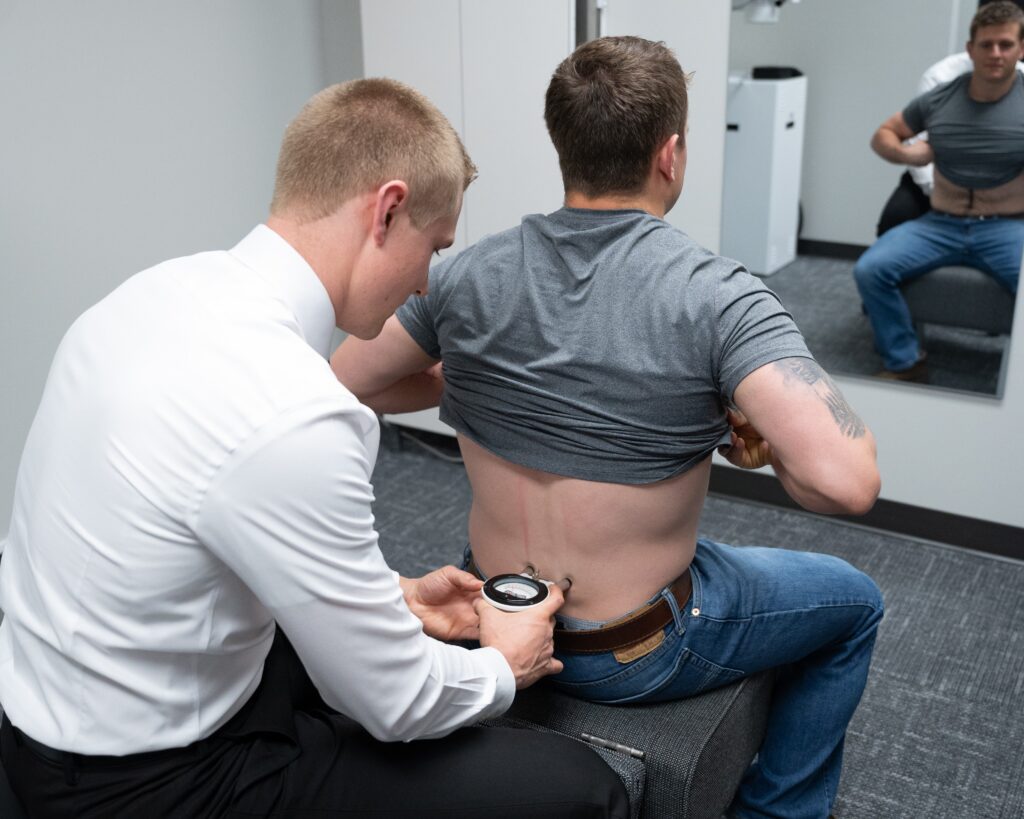
Chiropractic adjustments offer a non-invasive approach to managing back pain by realigning the spine and improving overall function. If you're struggling with discomfort, visiting a chiropractor may provide the relief you need.
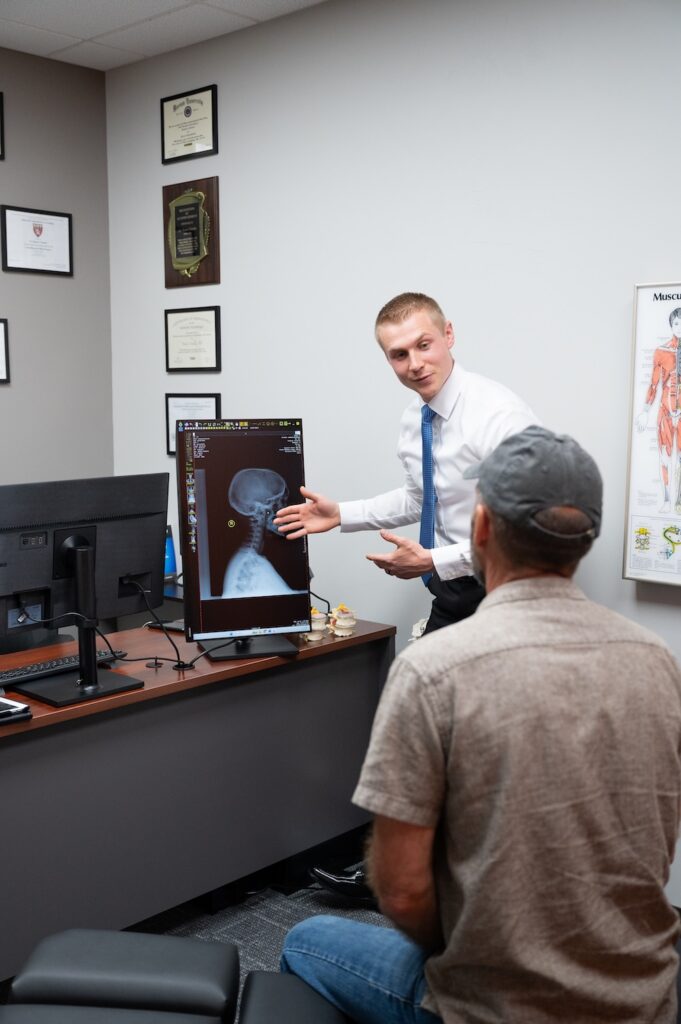
During your appointment, the chiropractor will assess your spine's alignment and identify any areas of tension or misalignment. They'll use specific techniques to adjust your spine, which can help restore proper motion and reduce pain.
You might be surprised by how quickly you feel the effects of an adjustment. Many patients report immediate relief after their first session. The adjustments can alleviate pressure on nerves, improve circulation, and enhance mobility, allowing you to resume your daily activities with ease.
Additionally, regular chiropractic care can help prevent future episodes of back pain by maintaining proper spinal alignment.
It's important to note that chiropractic adjustments are tailored to your individual needs. Your chiropractor will take into account your specific condition, lifestyle, and health goals.
They'll also provide guidance on exercises and stretches that you can do at home to support your treatment.
Many people appreciate that chiropractic care is a drug-free option for managing pain. By addressing the root cause of your back pain, rather than just masking the symptoms, chiropractic adjustments can lead to long-lasting relief.
If you're ready to explore a non-invasive solution for your back pain, consider scheduling a consultation with a chiropractor to discuss how adjustments can work for you.
Acupuncture Benefits
Acupuncture offers a holistic approach to alleviating back pain by stimulating specific points on the body with thin needles. This ancient practice can help you manage pain by promoting natural healing and enhancing your body's energy flow. Many people find that acupuncture reduces discomfort and improves mobility, making it a valuable option for those struggling with chronic back issues.
One of the key benefits of acupuncture is its ability to release endorphins, the body's natural painkillers. When you undergo acupuncture, you're not just getting relief from pain; you're also experiencing a sense of relaxation that can help ease stress and anxiety, which often accompany chronic pain conditions. This dual action can create a more balanced state, making it easier for you to cope with daily challenges.
Additionally, acupuncture can target specific areas of tension in your back, addressing the root causes of your pain rather than just masking the symptoms. Many practitioners tailor treatments to suit your individual needs, ensuring that you receive the most effective care possible.
Moreover, acupuncture has minimal side effects compared to conventional pain medications, making it a safer alternative for long-term management. As you explore non-invasive options for back pain, consider incorporating acupuncture into your routine. You might be surprised at how much it can enhance your overall well-being and help you reclaim your quality of life.
Massage Therapy Options
Massage therapy is another effective non-invasive option for addressing back pain. It's a hands-on technique that can help relieve muscle tension, increase blood circulation, and enhance flexibility. When you choose massage therapy, you're opting for a natural approach that can provide immediate relief, as well as long-term benefits.
There are several types of massage techniques you might consider. Swedish massage focuses on relaxation and gentle movements, making it a great starting point if you're new to massage therapy. Deep tissue massage targets deeper muscle layers, which can be particularly useful if you have chronic pain or tightness in specific areas. Trigger point therapy hones in on knots and tight spots in your muscles, helping to alleviate tension and pain.
Before your session, it's a good idea to communicate your specific back pain issues to your therapist. This can guarantee they tailor the massage to your needs, focusing on areas that require more attention. You might also want to discuss any previous injuries or conditions with them.
After your massage, pay attention to how your body feels. You may experience immediate relief, but it's normal to feel some soreness afterward.
Regular sessions can help maintain the benefits, so consider incorporating massage into your wellness routine. By investing in this self-care practice, you're taking an important step toward managing your back pain and improving your overall well-being.
Hot and Cold Therapy
Hot and cold therapy can be effective ways to manage your back pain.
Heat therapy helps relax muscles and improve blood flow, while cold therapy reduces inflammation and numbs sharp pain.
Understanding the benefits of each can help you choose the right approach for your specific needs.
Benefits of Heat Therapy
Heat therapy, often combined with cold therapy, offers effective relief for back pain by soothing sore muscles and reducing inflammation. When you apply heat, it increases blood flow, which helps the healing process and relaxes tight muscles.
Here are three key benefits of heat therapy:
- Pain Relief: The warmth penetrates deep into the tissue, alleviating discomfort and providing immediate relief from stiffness and pain.
- Muscle Relaxation: Heat promotes relaxation in tense muscles, making it easier for you to move and engage in daily activities without pain.
- Improved Flexibility: By increasing blood circulation and reducing muscle tension, heat therapy enhances your overall flexibility, allowing for better range of motion.
You can use various methods for heat therapy, such as heating pads, warm towels, or even hot baths.
Just make sure to monitor the temperature to prevent burns. Incorporating heat therapy into your routine can be a simple yet effective way to manage back pain and improve your quality of life.
Remember to listen to your body and adjust the heat application as needed for comfort and effectiveness.
Advantages of Cold Therapy
Relief from back pain can often be achieved through the invigorating effects of cold therapy. This method helps reduce inflammation and numb sharp pain, making it a go-to treatment for acute back injuries or flare-ups. By applying a cold pack or ice wrapped in a cloth to the affected area, you can constrict blood vessels, which decreases swelling and provides immediate relief.
Using cold therapy is simple and convenient. You can do it at home with items you probably already have, like ice or a frozen vegetable pack. Just remember to limit application to 15-20 minutes at a time to prevent skin damage. You can repeat this several times a day, tailoring it to your comfort level.
Another advantage is that cold therapy can be combined with other treatments, enhancing their effectiveness. For instance, you might alternate between ice and heat for a balanced approach to pain relief.
Cold therapy is also non-invasive and has minimal side effects, making it suitable for most individuals. By incorporating cold therapy into your pain management routine, you're taking a proactive step toward feeling better and restoring your mobility.
Mindfulness and Meditation
Mindfulness and meditation can offer significant relief from back pain by helping you manage stress and improve your mental well-being.
You'll find various techniques that fit into your daily routine, making it easier to incorporate these practices into your life.
Let's explore the benefits and simple methods to get started.
Benefits of Mindfulness
Practicing mindfulness can greatly enhance your approach to managing back pain. By focusing your attention on the present moment, you can reduce stress and improve your overall well-being.
Here are three key benefits of incorporating mindfulness into your routine:
- Pain Perception: Mindfulness helps alter how you perceive pain. By observing your discomfort without judgment, you can create distance between yourself and your pain, often diminishing its intensity.
- Stress Reduction: Mindfulness techniques, such as deep breathing and body scanning, can markedly lower stress levels. When stress decreases, so does muscle tension, which can alleviate back pain.
- Improved Emotional Well-Being: Engaging in mindfulness practices fosters a positive mindset. By cultivating self-compassion, you can break the cycle of negative thoughts that often accompany chronic pain.
Integrating mindfulness into your daily life doesn't require extensive training or equipment. Just a few minutes each day can lead to substantial improvements in your pain management.
As you develop this practice, you'll likely notice not only a reduction in back pain but also an enhancement in your overall quality of life.
Meditation Techniques Overview
When it comes to managing back pain, meditation techniques can serve as powerful tools in your wellness arsenal. These practices help you cultivate mindfulness, reduce stress, and enhance your overall well-being.
Here's a quick overview of some effective meditation techniques you can try.
First, there's focused attention meditation. This involves concentrating on your breath or a specific mantra. By redirecting your thoughts, you can ease tension and become more aware of your body.
Next, consider body scan meditation, where you systematically focus on each part of your body. This technique promotes relaxation and helps you identify areas of pain or discomfort.
Another approach is loving-kindness meditation, which encourages you to send positive thoughts to yourself and others. This practice can foster compassion and improve your emotional resilience, making it easier to cope with pain.
Finally, try guided visualization. Picture a serene landscape or a peaceful moment, allowing your mind to escape from pain and stress.
Incorporating Mindfulness Daily
Embracing mindfulness in your daily routine can greatly enhance your ability to manage back pain and improve overall well-being. By focusing on the present moment, you can cultivate a sense of calm that eases physical discomfort.
Here are three effective ways to incorporate mindfulness into your day:
- Mindful Breathing: Take a few minutes each day to focus on your breath. Inhale deeply, hold for a moment, and exhale slowly. This practice helps reduce tension and centers your mind.
- Body Scan Meditation: Set aside time to lie down comfortably. Gradually focus on each part of your body, starting from your toes to your head. Acknowledge any pain or discomfort without judgment, allowing yourself to relax.
- Mindful Movement: Engage in gentle activities like yoga or tai chi, focusing on each movement's sensations. This not only strengthens your body but also enhances your awareness of how you move, potentially reducing strain.
Exercise and Stretching
A variety of exercises and stretches can greatly alleviate back pain and enhance mobility. Engaging in regular physical activity helps strengthen the muscles supporting your spine, improving overall stability and reducing discomfort. Start with low-impact activities like walking or swimming, which are gentle on your back while promoting cardiovascular health.
Incorporating specific stretches into your routine can also work wonders. Focus on stretching the hamstrings, hip flexors, and lower back. For example, try the cat-cow stretch to increase flexibility and relieve tension in your spine. Simply get on your hands and knees, arch your back up while tucking your chin, and then lower your belly while looking up. This movement encourages spinal mobility and helps ease pain.
Another beneficial stretch is the seated forward bend. Sit with your legs extended in front of you, and gently reach for your toes. This stretch targets the lower back and hamstrings while promoting relaxation. Remember to breathe deeply and hold each stretch for about 20-30 seconds.
Strengthening exercises, like planks or bridges, can further support your back by targeting the core muscles. A strong core provides better support for your spine and can prevent future injuries. Aim for 2-3 sets of 10-15 repetitions for these exercises, gradually increasing as you get stronger.
Incorporating these exercises and stretches into your daily routine can help you manage back pain effectively and improve your overall well-being.
Ergonomic Adjustments
Making ergonomic adjustments in your workspace can greatly reduce back pain and enhance comfort throughout your day. When you create an environment tailored to your body's needs, you'll likely notice notable improvements in both your posture and overall well-being.
Here are three key adjustments you can make:
- Chair Height and Support: Your chair should allow your feet to rest flat on the floor, with your knees at a 90-degree angle. Choose a chair with lumbar support that curves to fit your lower back, promoting better posture.
- Desk Setup: Position your computer screen at eye level, so you don't have to bend your neck or slouch. Your keyboard and mouse should be close enough to keep your elbows at your sides and your wrists straight while typing.
- Frequent Breaks and Movement: Even with an ergonomic setup, it's essential to take regular breaks. Stand up, stretch, and walk around every hour to keep your muscles engaged and prevent stiffness.
Implementing these ergonomic adjustments in your daily routine can notably alleviate stress on your back.
Dietary Considerations
Your diet plays an essential role in managing back pain and promoting overall spinal health. What you eat can influence inflammation, muscle strength, and even your body's ability to heal. To start, focus on incorporating anti-inflammatory foods into your meals. Leafy greens, fatty fish like salmon, nuts, and berries are excellent choices. These foods help reduce inflammation, which can alleviate pain and discomfort in your back.
Next, make sure you're getting enough calcium and vitamin D. These nutrients are vital for bone health. Dairy products, fortified plant-based milks, and leafy greens are rich in calcium, while sunlight exposure and fatty fish provide vitamin D. If you're lactose intolerant or prefer a vegan diet, consider supplements to fill any gaps.
Stay hydrated, too. Dehydration can lead to muscle cramps and stiffness, making your back pain worse. Aim for at least eight glasses of water a day, and adjust based on your activity level.
You should also be mindful of your sugar and processed food intake. Highly processed foods can contribute to inflammation and weight gain, both of which can put extra stress on your back. Instead, opt for whole foods that provide essential nutrients.
Finally, maintain a balanced diet that supports a healthy weight. Carrying excess weight can strain your back, so focus on portion control and mindful eating.
Conclusion
Ultimately, you have plenty of non-invasive options to tackle back pain effectively. From physical therapy and chiropractic adjustments to acupuncture and massage therapy, each method offers unique benefits. Incorporating hot and cold therapy, mindfulness practices, and regular exercise can further enhance your recovery. Don't forget to make ergonomic adjustments in your workspace and consider dietary changes to support your overall well-being. Explore these options, and take charge of your back health for a more comfortable life.