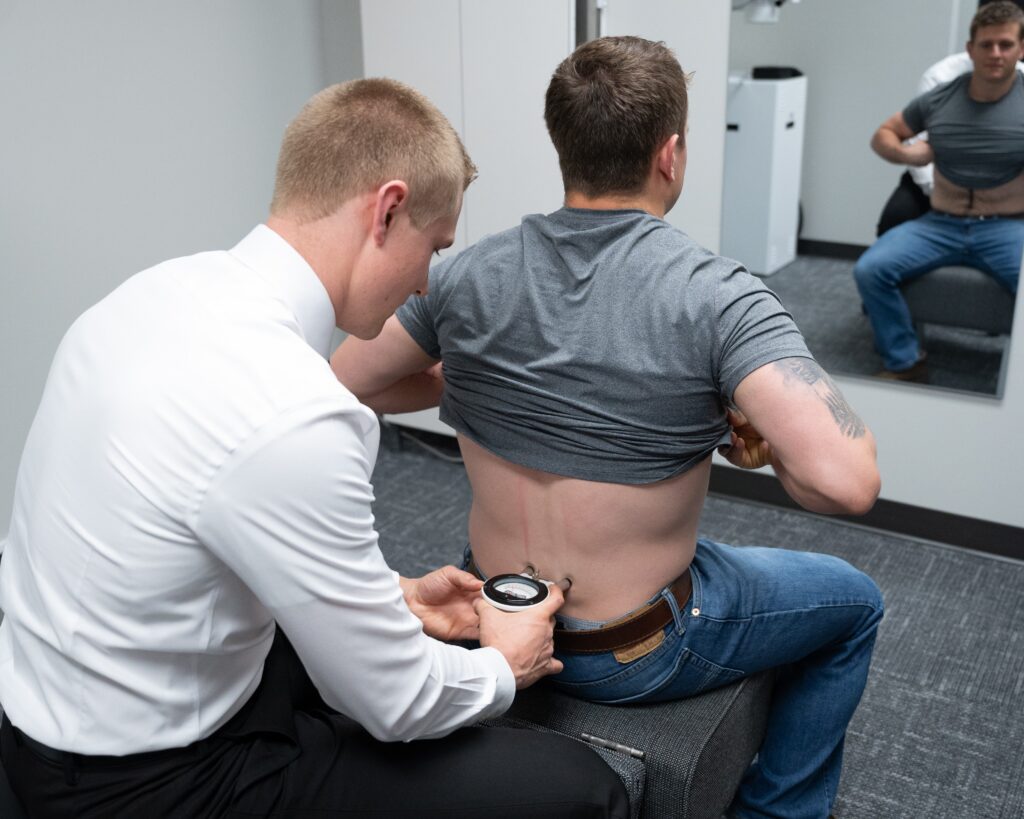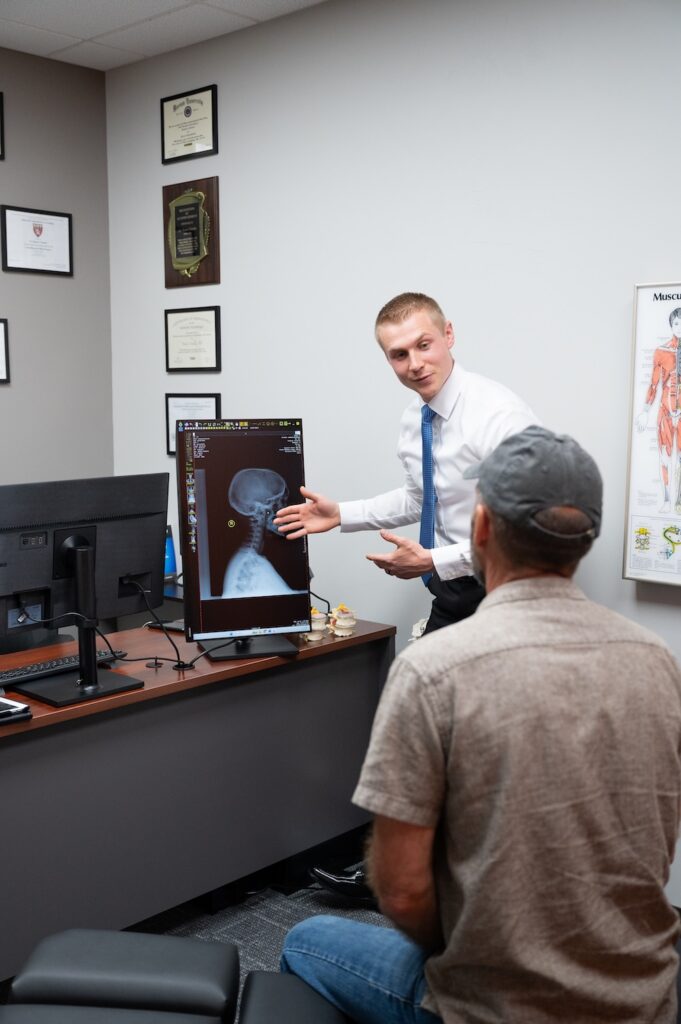

If you're experiencing back pain, it's natural to feel uncertain about which relief techniques will work best for you. As a local chiropractor, I want to help you understand some effective methods that can aid in your healing journey. Many patients find that simple approaches, like heat and cold therapy, can provide immediate comfort. However, more comprehensive treatments, such as manual adjustments, can address the root cause of your pain.
It's also important to incorporate stretching and strengthening exercises into your routine, as these can significantly enhance your overall well-being. Proper posture is another critical factor in managing discomfort and preventing future issues. By understanding how these various methods interact, you can develop a personalized approach to pain management.
If you're unsure where to start, I recommend focusing on gentle stretches and gradually building strength in your core muscles. This foundation can lead to improvements in your posture and overall spinal health. Remember, a combination of techniques tailored to your needs is often the most effective way to find relief from back pain. Let's work together to find the solutions that work best for you.
Understanding Back Pain Causes
As a local chiropractor, I want to help you understand the various causes of back pain so you can find effective relief through natural healing methods. Back pain can arise from a range of factors, and identifying the root cause is crucial in addressing your discomfort. Common issues include muscle strain, injuries, or overuse. For example, if you've recently lifted something heavy or twisted your body in an awkward way, that could very well be the source of your pain.
Another prevalent factor is the degeneration of spinal structures, which often occurs as we age. Conditions like herniated discs or arthritis can lead to chronic pain, and understanding how these issues impact your back is essential. If you've received a diagnosis of such conditions, I encourage you to explore how chiropractic care can help manage and alleviate your pain.
It's also important to consider that emotional stress can manifest physically as back pain. When you're under stress, your body tends to tense up, which can lead to muscle tightness and discomfort. If you notice that your pain worsens during stressful periods, addressing your mental well-being through relaxation techniques or counseling, alongside chiropractic adjustments, could be beneficial.
Lifestyle habits play a significant role in back health as well. A sedentary lifestyle can weaken your core muscles, which are crucial for supporting your spine. If you find yourself sitting for long hours without breaks, it's no surprise that you might experience more frequent back pain. Incorporating movement into your daily routine and engaging in exercises to strengthen your core can make a significant difference.
Lastly, improper footwear or sleeping positions can worsen back problems. Wearing shoes without adequate support or sleeping on a mattress that doesn't properly support your spine can create unnecessary strain. By recognizing these factors and making informed choices, you can take proactive steps toward alleviating your back pain naturally.
As your chiropractor, I'm here to guide you on this journey toward understanding and healing your back pain. Together, we can develop a tailored plan that addresses both the physical and lifestyle aspects contributing to your discomfort.
Importance of Good Posture
As a local chiropractor, I want to emphasize the critical role that good posture plays in maintaining a healthy spine and preventing back pain. Proper alignment when sitting or standing allows for even distribution of body weight, which significantly reduces strain on your muscles and ligaments. This practice not only keeps your spine in its natural, neutral position but also minimizes the risk of developing chronic pain that can affect your daily life.
Many people are unaware that their everyday activities can contribute to poor posture. Whether you're hunched over a computer, slouched on the couch, or carrying heavy bags, these common habits can lead to unnecessary pressure on your back. By being conscious of your posture, you have the power to greatly reduce the likelihood of discomfort and pain.
When sitting, aim to keep your feet flat on the floor, maintain a straight back, and allow your shoulders to relax. If you're standing, make sure to distribute your weight evenly on both feet while engaging your core muscles. These small adjustments can lead to significant improvements in your overall comfort and spinal health.
Furthermore, investing in ergonomic furniture can be a game changer in supporting good posture. Chairs designed with lumbar support and desks that allow you to alternate between sitting and standing can help keep your spine aligned throughout the day.
Stretching and Strengthening Exercises
As a local chiropractor, I want to emphasize that maintaining proper posture goes beyond just sitting and standing correctly; it also involves integrating stretching and strengthening exercises into your daily routine. These exercises are crucial for alleviating back pain and helping to prevent future issues. By concentrating on flexibility and core strength, you can effectively support your spine and improve your overall posture.
Let's start with some stretching exercises that specifically target your back, hips, and legs. Simple movements like the cat-cow stretch, child's pose, and hamstring stretches can significantly relieve tension in your back muscles. I recommend holding each stretch for at least 20-30 seconds while taking deep breaths to encourage relaxation. Regularly including these stretches in your routine can enhance your flexibility and decrease stiffness, making your everyday movements feel much easier.
Next, it's important to focus on strengthening your core. A robust core is essential for supporting your back and maintaining good posture. Effective exercises to build core strength include planks, bridges, and pelvic tilts. Aim for 10-15 repetitions of each exercise, and gradually increase the difficulty as your strength improves.
Remember, consistency is key—try to integrate these exercises into your routine at least three times a week.
By combining both stretching and strengthening exercises, you're not just addressing existing back pain; you're also establishing a solid foundation for a healthier spine. I encourage you to prioritize your back health. Your body will be grateful, and you may notice improvements in your posture, a reduction in pain, and an overall enhancement in your well-being.
If you have any questions or need guidance on these exercises, don't hesitate to reach out.
Heat and Cold Therapy
As a local chiropractor, I want to share with you how heat and cold therapy can be incredibly effective in managing back pain.
Many patients aren't familiar with these natural healing techniques, but understanding their benefits can greatly enhance your recovery process.
Heat therapy is beneficial for relaxing tight muscles and improving blood circulation in the affected area. When you apply heat, it helps to soothe discomfort and promote healing.
On the other hand, cold therapy is excellent for reducing inflammation and numbing sharp pain, providing you with immediate relief.
Learning how to effectively use heat and cold therapy can make a significant difference in your journey toward wellness.
Whether you're experiencing acute pain or dealing with chronic issues, incorporating these therapies into your routine can complement the chiropractic care you receive, ultimately leading to a more holistic approach to your health.
Benefits of Heat Therapy
As a local chiropractor, I often recommend heat therapy as a natural and effective way to relieve back pain. Many patients find that applying heat to their back can provide soothing relief. When heat is applied, it increases blood flow to the area, which helps relax tense muscles and reduce stiffness. This enhanced circulation brings more oxygen and essential nutrients to the affected tissues, promoting healing and easing discomfort.
There are several heat sources you can use in your own home, including heating pads, hot water bottles, or even warm towels. It's important to ensure that the heat is at a comfortable level to prevent any burns. I typically advise my patients to apply heat for about 15 to 20 minutes, which can yield significant relief—especially when done multiple times throughout the day.
An additional benefit of heat therapy that I often highlight is its ability to improve overall flexibility. By loosening tight muscles, you can enhance your range of motion, allowing you to engage in daily activities with less pain. This approach is particularly effective for those dealing with chronic back pain, as it can easily be incorporated into your daily routine.
Integrating heat therapy into your back pain management plan can truly make a noticeable difference. Whether you're unwinding after a long day or prepping for physical activity, utilizing heat therapy can help you feel more comfortable and ready to take on whatever challenges lie ahead.
If you have any questions about how to best utilize heat therapy or other natural healing methods, feel free to reach out during your next visit.
Advantages of Cold Therapy
As a local chiropractor, I want to share the benefits of cold therapy for those of you dealing with back pain. While many people are familiar with heat therapy, cold therapy is an equally effective option that can make a significant difference in your recovery.
Cold therapy is particularly beneficial for reducing inflammation and numbing sharp pain, making it an excellent choice for acute injuries or flare-ups. When you apply ice or a cold pack to your back, it works to constrict blood vessels, which can help decrease swelling and protect your tissues from further damage.
In addition to reducing inflammation, cold therapy can also help alleviate muscle spasms. By numbing the affected area, it calms the nerves and can provide you with much-needed relief. I recommend applying cold therapy as soon as you begin to experience pain, using it for about 15-20 minutes each hour as needed. Just remember to wrap any ice packs in a cloth to prevent skin irritation.
One of the great things about cold therapy is how easy it's to implement. You don't need any specialized equipment—just some ice, a bag of frozen vegetables, or a cold pack from the store will do. This method isn't only cost-effective but can also be done right at home, giving you quick relief without the need for medications.
Incorporating cold therapy into your pain management routine, alongside heat therapy, can provide a comprehensive approach to managing back pain. As your chiropractor, I encourage you to explore these natural healing methods to enhance your overall well-being.
Manual Therapy Techniques
As a local chiropractor, I want to share how manual therapy techniques can provide effective relief for back pain through natural healing methods. These hands-on approaches manipulate muscles and joints, which can significantly reduce pain, enhance mobility, and foster relaxation.
If you're experiencing back pain, I encourage you to consider these four well-regarded manual therapy techniques that I often recommend:
- Massage Therapy: This technique involves kneading and manipulating the muscles to alleviate tension and boost blood circulation. It's a fantastic way to ease muscle tightness and promote a state of relaxation, making it a popular choice among my patients.
- Chiropractic Adjustments: In my practice, I utilize specific chiropractic techniques to realign the spine and enhance joint function. These adjustments can relieve pressure on nerves, which often leads to a reduction in pain and discomfort.
- Myofascial Release: This technique targets the connective tissue surrounding your muscles. By applying gentle pressure, I can help relieve tension and restore mobility, allowing for a more comfortable range of motion.
- Mobilization: This involves gentle, controlled movements designed to improve joint mobility. It can effectively restore your range of motion and reduce stiffness in your back, promoting overall wellness.
Before embarking on any manual therapy, I always recommend consulting with a healthcare professional to identify the most suitable technique for your unique situation.
It's also essential to seek a qualified therapist who specializes in these methods. By incorporating manual therapy into your pain management routine, you can experience significant relief and improve your overall well-being.
Over-the-Counter Pain Relief
When it comes to managing back pain, I want to emphasize the importance of understanding your options, including over-the-counter (OTC) pain relief, which can be a helpful part of your approach. As a chiropractor, I often see patients who are looking for quick relief from discomfort, and OTC medications can provide that when used appropriately.
Common OTC pain relievers include nonsteroidal anti-inflammatory drugs (NSAIDs) like ibuprofen and naproxen, as well as acetaminophen. Each of these medications has a unique mechanism of action, and it's crucial to know which one may be the best fit for your specific situation.
For those experiencing inflammation along with their pain, NSAIDs can be particularly effective. They not only help to alleviate pain but also reduce swelling, which can lead to a greater sense of comfort. Conversely, if your primary concern is straightforward pain relief without the need for anti-inflammatory effects, acetaminophen may be the way to go.
Remember, it's important to always follow the recommended dosages on the packaging to minimize the risk of side effects.
Before you reach for these medications, take a moment to consider your symptoms and any underlying health conditions you may have. If you're unsure or have concerns, I encourage you to consult with me or another healthcare professional.
It's also worth noting that using OTC medications over an extended period can lead to complications, so they shouldn't be your only strategy for managing pain.
In my practice, I often recommend combining OTC pain relief with other natural techniques, such as rest, heat therapy, or gentle stretching exercises, which can greatly enhance your overall well-being.
Staying informed about your options and listening to your body are key components of effective pain management. With the right approach and a focus on holistic care, you can effectively manage your back pain and improve your quality of life.
When to Seek Professional Help
As a local chiropractor, it's important for me to help you understand when it's time to seek professional help for your back pain. While many issues can be managed at home, there are specific signs that indicate you should consult a healthcare professional, like myself. Ignoring these signs can lead to more severe conditions or prolonged discomfort.
Here are four key situations where I recommend seeking assistance:
- Persistent Pain: If your back pain persists for more than a few weeks, it's crucial to get a professional evaluation. Chronic pain can often benefit from a chiropractor's assessment and natural intervention techniques.
- Severe Discomfort: Should you experience debilitating pain that interferes with your daily activities, don't hesitate to reach out for help. Severe pain may point to a more serious underlying issue that requires a thorough examination and appropriate treatment.
- Numbness or Tingling: If you notice numbness, tingling, or weakness in your legs or arms, this could indicate nerve compression or damage. These symptoms are important and should be addressed promptly with a healthcare professional like me.
- Bowel or Bladder Issues: Any changes in bowel or bladder function, such as incontinence, can be a sign of a serious condition, such as cauda equina syndrome. This requires immediate medical attention, so don't delay in seeking help.
Conclusion
As a local chiropractor, I want to share some effective techniques that can help alleviate your back pain and enhance your overall well-being. It's important to start by understanding the significance of good posture in your daily activities—this can prevent strain on your back. Additionally, I encourage you to incorporate regular stretching and strengthening exercises into your routine to support your spine and surrounding muscles.
Utilizing heat and cold therapy can also be beneficial; heat can relax tight muscles, while cold can reduce inflammation. However, if your pain continues to disrupt your daily life, I urge you to seek professional assistance. Chiropractic care focuses on natural healing and can provide tailored treatments to address your specific needs. Remember, you deserve to live comfortably and move freely, so take the first step towards better back health today!