As a local chiropractor, I want to share how making certain adjustments can significantly improve your recovery from a sports injury. Many people may not fully understand the importance of modifying your training regimen, utilizing physiotherapy, and prioritizing nutrition in your healing journey. Additionally, mental health strategies and the use of assistive devices can greatly support your return to peak performance. Are you curious about how these different aspects can work together to facilitate a successful recovery? Let’s delve into the five essential ways that adjustments can aid in your healing process.
Modify Your Training Regimen
As your local chiropractor, I want to emphasize the importance of modifying your training regimen when recovering from a sports injury. It’s crucial to ensure a safe path back to your peak performance. Start by assessing your current physical capabilities and any limitations you may have. This is where we can work together to create a tailored plan that respects your body’s healing process.
Consider integrating low-impact activities into your routine, such as swimming or cycling. These exercises help maintain your cardiovascular health without putting excess strain on your body, which is vital during recovery.
Strength training is also an important aspect of your rehabilitation. By focusing on exercises that target the muscles surrounding the injured area, you can help support your body without overloading it. It’s essential to adjust the weights and repetitions based on your comfort level. Always listen to your body; if something feels painful, it’s important to stop and reassess.
As you progress, we can gradually reintroduce sport-specific skills, allowing your body the necessary time to adapt without the risk of overexertion. By making these thoughtful adjustments, you’re not only aiding your recovery but also establishing a stronger foundation for your future performance.
Remember, patience plays a key role in this process. Rushing back into full activity could lead to setbacks that prolong your recovery.
As your chiropractor, I’m here to guide you through this journey, ensuring you heal naturally and effectively. Let’s work together to support your health and well-being!
Incorporate Physiotherapy Techniques
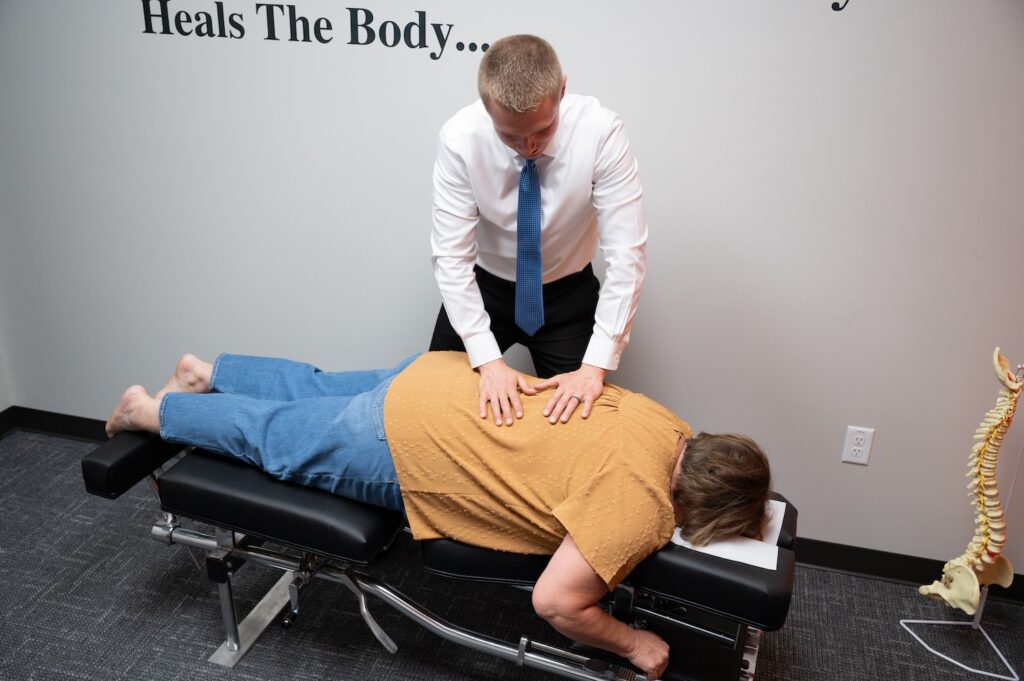
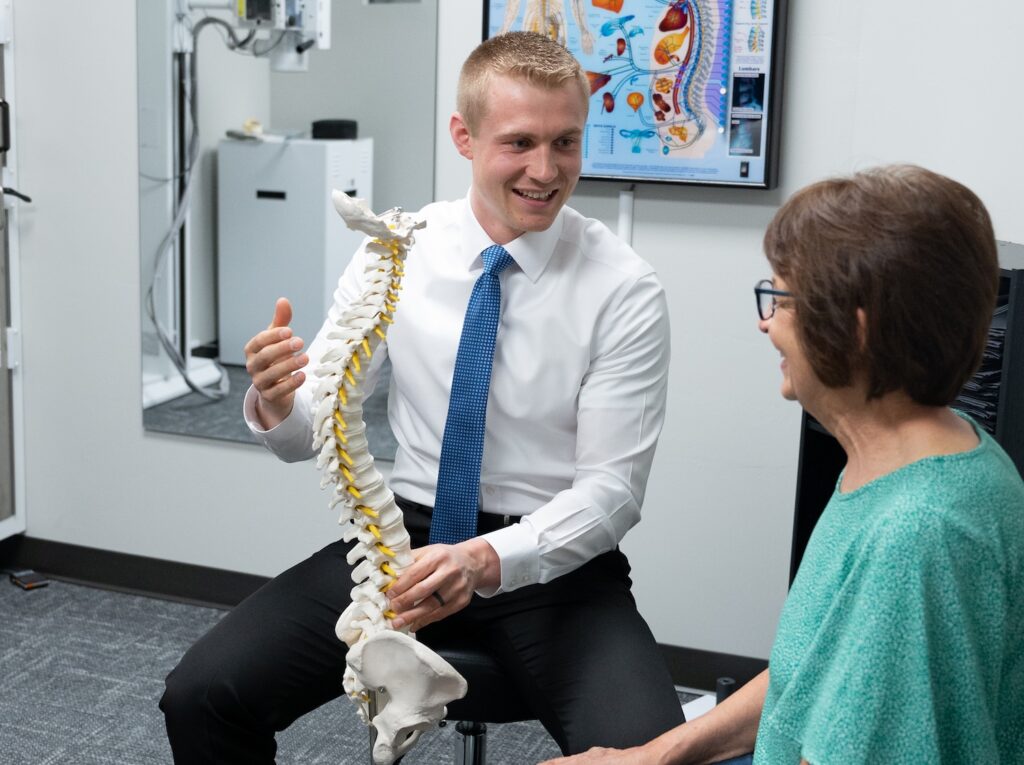
Incorporating chiropractic care into your recovery plan can significantly enhance your healing process. As a local chiropractor, I focus on assessing your injury and developing a personalized treatment program tailored to your specific needs.
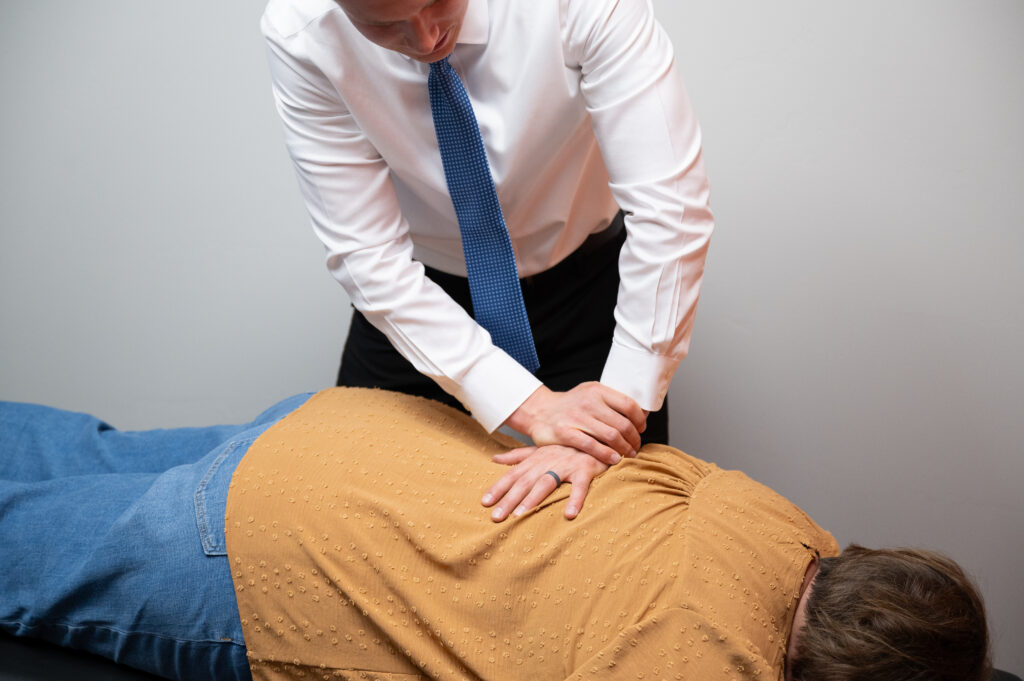
Through a combination of spinal adjustments and targeted exercises, we aim to restore your strength, flexibility, and mobility while minimizing the risk of re-injury. Chiropractic techniques, such as spinal manipulation, can help alleviate pain and reduce inflammation by improving the alignment of your spine and joints.
This hands-on approach facilitates better blood flow, promotes tissue healing, and helps your body function more optimally. We also utilize therapeutic modalities like ultrasound and electrical stimulation to further speed up your recovery.
In addition to treatment, I’ll provide you with education on proper body mechanics and posture, which are crucial for preventing future injuries. By actively participating in your rehabilitation, you’ll not only experience a faster recovery but also establish a solid foundation for improved performance in your daily activities.
Embrace chiropractic techniques, and you’ll be well on your way to a successful and holistic recovery!
Focus on Nutrition and Hydration
As a local chiropractor, I want to emphasize the crucial role that nutrition and hydration play in your recovery from a sports injury. While you may be focusing on treatment and rehabilitation, it’s essential to recognize that what you eat and drink significantly influences your healing process.
Proper nutrition is your body’s fuel. It provides the essential vitamins and minerals needed for tissue repair and helps reduce inflammation. I encourage you to adopt a balanced diet that includes lean proteins, whole grains, fruits, and vegetables. These foods are vital for rebuilding muscles and boosting your immune system, which is particularly important when recovering from an injury.
Hydration is just as critical. Staying well-hydrated supports healthy circulation, allowing nutrients to reach the injured areas efficiently. I recommend drinking plenty of water throughout the day, especially before and after any physical activity or rehabilitation exercises.
If you’re engaging in activities that cause significant sweating, consider incorporating electrolyte-rich beverages to replenish lost minerals.
By prioritizing your nutrition and hydration as part of your recovery plan, you’ll not only accelerate the healing process but also improve your overall performance when you return to your sport.
Embrace Mental Health Strategies
As a local chiropractor, I want to emphasize the importance of embracing mental health strategies alongside your physical recovery during sports injury rehabilitation. When you’re unable to participate in your favorite activities, it’s common to feel isolated or frustrated. Recognizing and acknowledging these emotions is the first step toward building mental resilience.
Incorporating mindfulness techniques, such as meditation or deep breathing exercises, can be incredibly beneficial. These practices help you stay grounded and reduce anxiety, which can aid in your overall healing process.
Setting realistic and achievable goals for your recovery journey is crucial. It fosters a positive mindset and keeps you motivated throughout the rehabilitation process. I also encourage you to consider journaling your thoughts and progress. This can provide clarity and allow you to reflect on both the challenges you face and the achievements you make along the way.
Don’t hesitate to lean on your support network—friends, family, or even a mental health professional. Engaging in open conversations about your feelings can significantly alleviate stress and reinforce your commitment to recovery.
Remember, maintaining a strong mental state not only enhances your emotional well-being but also plays a vital role in facilitating a more effective physical recovery.
Utilize Assistive Devices and Supports
As a local chiropractor, I want to emphasize the importance of using assistive devices and supports during your recovery from a sports injury.
These tools—such as braces, crutches, or compression wraps—are designed to provide the stability and support necessary for effective healing. They can help alleviate pain, protect the injured areas, and prevent further damage as you work on regaining your strength.
Incorporating these devices into your rehabilitation plan not only facilitates physical recovery but also enhances your confidence.
When you feel secure moving around, it encourages you to stay active and engaged in your recovery process, which is essential for optimal healing.
I encourage you to consult with me or another healthcare provider to discuss the best options tailored to your specific injury.
We can recommend the right assistive devices and instruct you on their proper use.
Remember, using these supports isn’t a sign of weakness; rather, it’s a proactive approach to ensure a safer and quicker return to your favorite activities.
Conclusion
As a local chiropractor, I want to emphasize how incorporating adjustments into your recovery plan can significantly enhance your healing process. Many people are not familiar with the benefits of chiropractic care, so let me explain how it can support your journey to recovery.
First, modifying your training is essential. With the right adjustments, we can help alleviate pain and improve your range of motion, allowing you to engage in exercise that promotes healing without exacerbating your injury. Additionally, embracing physiotherapy in conjunction with chiropractic care can provide a comprehensive approach to recovery, combining manual therapy with guided rehabilitation exercises.
Nutrition also plays a vital role in your healing journey. A well-balanced diet can support your body’s natural healing processes, and as your chiropractor, I can provide guidance on how to fuel your body effectively. Furthermore, prioritizing your mental health is crucial; we understand that injuries can take a toll on your mindset, and we’re here to support you through that journey.
Finally, using assistive devices, when necessary, can help you maintain mobility and independence during your recovery. Together, these strategies will work in harmony to improve your strength, mobility, and overall well-being. Remember, recovery is a process that requires patience, but with the right chiropractic care and a holistic approach, you can return to your sport stronger and more resilient than ever. Stay committed to your recovery, and trust in the natural healing process!