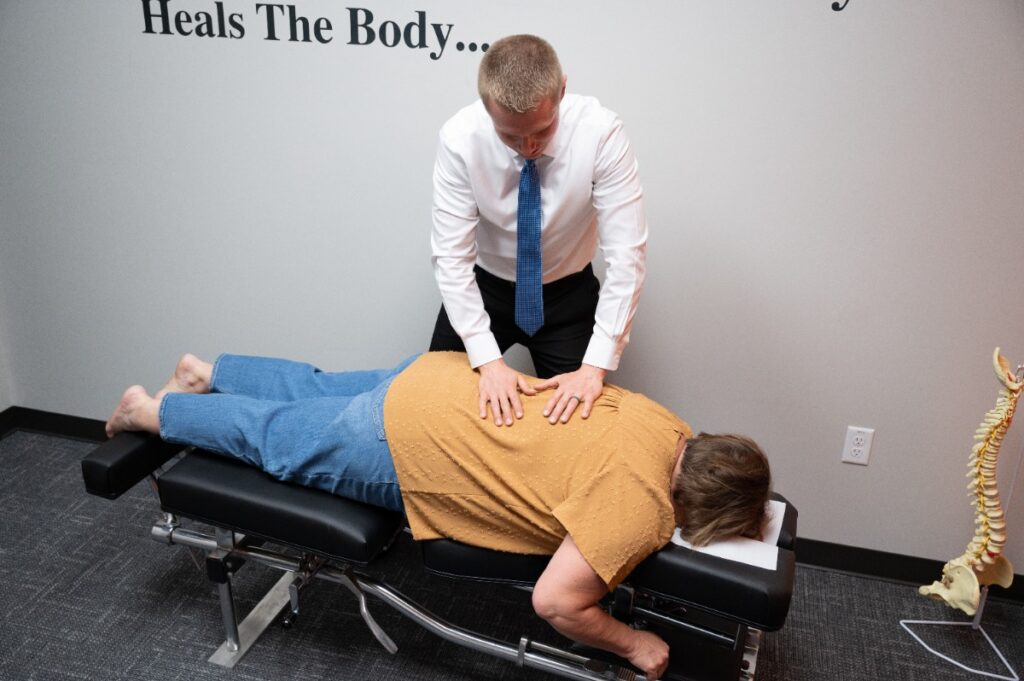

As your local chiropractor, I want to share with you some valuable insights about lasting pain prevention that go beyond just treating the symptoms. It's essential to understand the complex mechanisms behind pain and identify your individual triggers. By incorporating nutrition, exercise, and effective stress management into your daily routine, you can take a proactive approach to your health.
So, what specific strategies can you adopt to create this balance? The good news is that these strategies may be more straightforward than you think, and they can significantly change how you manage and experience pain. Together, we can explore natural healing techniques and lifestyle changes that empower you to lead a healthier, pain-free life. Let's dive deeper into this essential journey towards wellness!
Understanding Pain Mechanisms
As a local chiropractor, I want to help you understand the fascinating ways your body communicates pain and how we can work together to prevent it. Pain is essentially your body's alarm system, letting you know that something may be off. It's a complicated process involving your nervous system and brain. When you experience an injury or irritation, specialized nerve endings called nociceptors send signals through your spinal cord to your brain, where the sensation of pain is recognized and interpreted. This vital process serves an important purpose: it alerts you to potential harm and encourages you to take appropriate action.
Your body responds to these pain signals in various ways. For instance, acute pain, which comes on suddenly, usually serves as a protective mechanism. It teaches you to avoid situations that could cause harm. However, chronic pain can occur when the nervous system continues to transmit pain signals even after the original issue has been resolved. This ongoing discomfort can significantly impact your quality of life.
As you learn about these mechanisms, it's crucial to recognize that pain isn't just a physical sensation; it's also affected by emotional and psychological factors. Stress, anxiety, and depression can heighten your perception of pain, making it feel more intense. By understanding how these elements interact, we can better equip ourselves with strategies for pain prevention.
In essence, grasping how pain operates in your body allows us to take proactive steps together. In my practice, I often recommend incorporating approaches like chiropractic adjustments, mindfulness techniques, appropriate physical therapy, and proper ergonomics into your daily routine.
These strategies can enhance your ability to manage and prevent pain effectively, allowing you to lead a healthier, more comfortable life. Let's work together to help you understand and improve your body's natural healing processes!
Identifying Common Triggers
As your local chiropractor, I want to emphasize the importance of understanding what might be triggering your pain.
Many people are unaware that their everyday habits can significantly impact their well-being. Common triggers include your physical activity levels, stress, and even dietary choices.
By recognizing these factors, we can work together to implement natural healing strategies that help reduce discomfort and enhance your overall health.
It's all about taking proactive measures to foster a pain-free life!
Physical Activity Patterns
As a local chiropractor, I want to emphasize the importance of recognizing the common triggers in your physical activity patterns to help prevent pain and injuries. Many people aren't aware of how specific movements or everyday habits can lead to discomfort.
To start, take a moment to observe your daily routine. Are there particular exercises or activities that you frequently experience pain with? Whether it's running, lifting heavy objects, or even repetitive motions, identifying these triggers is crucial.
It's also vital to pay attention to your form during activities. Poor posture or incorrect techniques can place unnecessary strain on your body. If you find yourself in discomfort after a certain workout, it might be time to reassess your approach and technique.
Furthermore, consider the intensity and duration of your activities. Overdoing it without allowing your body sufficient rest can also lead to pain.
Don't overlook the significance of your warm-up and cool-down routines. These steps aren't just optional; they're essential for preparing your muscles and helping them recover, minimizing the risk of injury.
Lastly, always listen to your body's signals. Feelings of fatigue or discomfort during exercise are natural indicators that your body may need a break or a modification in how you're exercising.
By understanding these factors, you can take proactive steps towards maintaining a pain-free and healthy lifestyle. If you have questions or need guidance tailored to your unique situation, feel free to reach out.
Together, we can work towards achieving your health and wellness goals through natural healing methods.
Stress and Mental Health
As a local chiropractor, I want to share insights into how stress can impact both your mental health and physical well-being. Stress often sneaks into our lives through various triggers, which can have significant effects on your body and mind. Situations like tight deadlines at work or conflicts at home can elevate your stress levels, and recognizing these triggers is key to managing stress effectively.
One common issue I see in my practice is how a lack of sleep can heighten feelings of anxiety and irritability. When you're not well-rested, even minor challenges can feel insurmountable. Financial worries also frequently add to this burden, leading to constant mental strain.
Moreover, social interactions can be a source of stress, especially when you feel judged or unsupported. It's vital to pay attention to how these stressors manifest in your body. For example, do you notice your heart racing during a challenging meeting, or do you feel tightness in your shoulders during tough conversations?
By identifying these physical signals, you can take proactive steps to alleviate stress. Incorporating relaxation techniques into your daily routine can be beneficial. Practices like deep breathing, mindfulness, or gentle stretches can help you release tension and promote a sense of calm.
As a chiropractor, I emphasize the importance of understanding your body's responses to stress and how natural healing methods can support your overall well-being. By managing your stress effectively, you can enhance not only your mental health but also your physical health, reducing pain and improving your quality of life.
Nutrition and Diet Choices
As your local chiropractor, I want to emphasize the vital role that your diet plays in your overall health and well-being. Many of my patients are surprised to learn how their food choices can influence their pain levels, often in unexpected ways.
It's common for individuals to overlook dietary triggers that can increase inflammation and contribute to chronic pain. For example, processed foods that are high in sugar and unhealthy fats can lead to inflammation throughout your body. If you find yourself experiencing more discomfort after consuming these types of foods, it may be beneficial to evaluate your diet.
Additionally, some people may have sensitivities to dairy and gluten, which can result in digestive issues and flare-ups of pain. Keeping a food diary can be an effective tool for identifying these specific triggers.
On the other hand, incorporating anti-inflammatory foods into your diet can significantly aid in pain management. Foods like leafy greens, fatty fish, and nuts are packed with essential nutrients that support your body's natural healing processes.
By choosing whole, nutrient-dense foods, you not only enhance your overall health but also establish a strong foundation for preventing pain.
As we work together toward your health goals, I encourage you to consider how your dietary habits can complement your chiropractic care and support your journey toward a pain-free life.
The Role of Nutrition
As a chiropractor, I want to highlight the vital role nutrition plays in not only preventing pain but also in enhancing your overall health. The foods you consume can either contribute to discomfort or help alleviate it. By opting for nutrient-rich foods, you can support your body's natural healing processes and significantly reduce inflammation, which is a common cause of chronic pain.
One of the best ways to start is by incorporating anti-inflammatory foods into your daily diet. Consider adding fruits such as berries and cherries, leafy greens, nuts, and fatty fish that are high in omega-3 fatty acids. These foods possess properties that help fight inflammation and may lead to a significant reduction in your pain levels.
Conversely, it's wise to limit your intake of processed foods loaded with sugars and unhealthy fats, as these can worsen inflammation and contribute to discomfort.
Hydration is also crucial when it comes to nutrition. Staying hydrated helps prevent muscle cramps and joint pain, so make sure you're drinking enough water throughout the day. Herbal teas and broths are excellent alternatives that can enhance your fluid intake while providing additional anti-inflammatory benefits.
Furthermore, let's not overlook the importance of micronutrients. Essential vitamins, such as D and C, along with minerals like magnesium, are critical for maintaining healthy bones and muscles. By including a variety of colorful fruits and vegetables in your meals, you ensure that you're getting a wide range of these necessary nutrients.
Exercise and Physical Activity
As a local chiropractor, I want to emphasize the importance of incorporating regular exercise and physical activity into your daily routine. This is essential not only for preventing pain but also for enhancing your overall wellness. Engaging in a variety of exercises can significantly strengthen your muscles, improve flexibility, and make your body more resilient against injuries.
Whether you enjoy walking, swimming, cycling, or weight training, finding activities that resonate with you makes it much easier to maintain a consistent routine.
I encourage you to start by setting realistic and achievable goals. Aim for a minimum of 150 minutes of moderate aerobic activity each week. You can break this down into manageable segments—such as 30 minutes a day, five days a week.
Don't forget about strength training; it's just as important. Aim to include strength exercises at least twice a week to build muscle and provide support for your joints.
It's crucial to listen to your body during your physical activities. If you experience pain, it's vital not to push through it. Instead, consider modifying your exercises or taking a necessary break. Ensuring that you maintain proper form while exercising is key to avoiding unnecessary strain and injury.
If you're unsure about your technique, I recommend working with a certified trainer to ensure you're performing movements correctly.
In addition to cardiovascular and strength exercises, incorporating stretching into your routine can play a significant role in pain prevention. Stretching enhances flexibility, which can help relieve tension in your muscles and joints.
Make it a habit to stretch both before and after your workouts to keep your body limber.
Lastly, remember that consistency is crucial. Making physical activity a regular part of your life won't only help reduce your risk of pain but also elevate your mood and energy levels.
Prioritizing exercise now will pay off in the long run, leading to a healthier, more active lifestyle. As your chiropractor, I'm here to support you on this journey to wellness through natural healing and movement.
Mindfulness and Stress Management
As your local chiropractor, I want to emphasize that while physical activity is crucial for managing pain, we mustn't overlook the significant benefits of mindfulness and stress management for your overall health and wellness.
Stress can greatly contribute to chronic pain, and effectively managing it can lead to improved physical outcomes. Mindfulness practices—such as meditation and deep breathing—can help you stay grounded in the present moment and reduce anxiety, which may ultimately lower your perception of pain.
You don't need to dedicate a lot of time to incorporate mindfulness into your daily routine. Even starting with just a few minutes each day can be beneficial.
Find a quiet space, close your eyes, and focus on your breath. If your mind starts to wander, gently guide your attention back to your breathing. This simple exercise can enhance your awareness of how stress impacts your body and your experience of pain.
I also encourage you to consider journaling as a way to express your thoughts and feelings. Writing can serve as a therapeutic outlet, helping you process your emotions and identify what triggers your stress.
By recognizing these triggers, you can take proactive steps to manage them, which in turn can lessen their impact on your overall health.
Moreover, let's not forget the role of physical activity in stress management. Regular exercise releases endorphins—our body's natural mood elevators—which can help combat stress.
I recommend finding physical activities that you enjoy, as this will make it easier to incorporate them into your routine.
Together, we can explore these holistic approaches to enhance your well-being and manage pain more effectively.
Alternative Therapies
As a local chiropractor, I want to introduce you to the world of alternative therapies and how they can enhance your overall well-being and help you manage pain more effectively. Many of these approaches work beautifully alongside traditional medical treatments, giving you a variety of tools to alleviate discomfort.
One of the key services I offer is chiropractic care, which focuses on the musculoskeletal system. Through gentle manual manipulation of the spine, I can help realign your body, relieving back pain and improving your mobility. Chiropractic adjustments are safe and effective, and many of my patients report significant improvements in their pain levels and overall function.
In addition to chiropractic adjustments, I often recommend incorporating other therapies into your wellness routine. Massage therapy, for example, can be an excellent complement to chiropractic care. Techniques like Swedish or deep tissue massage help release muscle tension, promote relaxation, and enhance the effectiveness of spinal adjustments.
Herbal supplements are also worth considering when exploring natural pain management options. Ingredients such as turmeric and ginger are known for their anti-inflammatory properties and may help reduce your pain levels. However, it's crucial to discuss any herbal regimen with your healthcare provider to ensure it's appropriate for you.
Mind-body practices, including yoga and tai chi, are fantastic for pain relief as well. These disciplines emphasize gentle movements, stretching, and breath control, promoting relaxation and flexibility while also strengthening your body. As a chiropractor, I often encourage my patients to explore these practices as part of their healing journey.
Lastly, energy-based therapies like Reiki or therapeutic touch can be beneficial too. These approaches aim to balance your body's energy, which may lead to reduced pain and improved emotional health.
Creating a Personalized Plan
As your local chiropractor, I'm here to help you understand how to create a personalized plan for managing your discomfort.
The first step is to identify your individual pain triggers. By recognizing what makes your pain worse, we can work together to set realistic goals for your relief.
With a tailored plan in place, you can take proactive steps toward improving your well-being through natural healing methods.
Remember, chiropractic care is about more than just relieving pain; it's about enhancing your overall quality of life.
Let's embark on this journey to better health together!
Assessing Individual Pain Triggers
As a local chiropractor, I want to help you understand how identifying your individual pain triggers can be a game-changer in developing an effective pain prevention plan.
The first step is to really listen to your body. Pay attention to when you experience pain. Is it after activities like lifting heavy objects, or perhaps after sitting for extended periods? Stress can also play a significant role in amplifying discomfort.
I encourage you to keep a pain diary for a week or two; jot down the intensity, location, and duration of your pain, along with any activities or emotions that might've contributed to it.
Next, let's explore other factors that could be influencing your pain. Consider whether specific foods, changes in weather, or your sleep patterns correlate with flare-ups.
By conducting this self-evaluation, you'll begin to uncover patterns and identify potential triggers that could be addressed.
After gathering this information, take a moment to reflect on your overall lifestyle. Are you engaging in enough physical activity? Is your posture possibly contributing to your discomfort?
Recognizing these elements will empower you to create a personalized plan that targets your unique triggers.
Lastly, don't hesitate to reach out for professional guidance. As a chiropractor, I can provide valuable insights into how your body functions and help you refine your pain management plan.
Setting Realistic Goals
Setting realistic goals is a crucial step in developing a personalized pain prevention plan that aligns with your unique needs. As a chiropractor, I understand that many of you may be new to the concepts of chiropractic care and natural healing. It's important to start by assessing your current situation—consider your pain levels, daily routines, and the outcomes you desire.
When setting goals, I recommend using the SMART framework: make them Specific, Measurable, Attainable, Relevant, and Time-bound. For example, instead of a vague goal like "I want to feel better," aim for something more concrete, such as "I will practice gentle stretches for 15 minutes each day, five days a week, for the next month." This approach gives you a clear target and allows you to monitor your progress.
It's also important to be mindful of your limitations. If you're new to exercise or experiencing chronic pain, your goals should be challenging yet manageable. Don't hesitate to modify your goals as you learn how your body responds to treatment and activity; flexibility is key in finding what truly benefits you.
Remember to celebrate every achievement—no matter how small! Each step forward is a victory on your journey to pain management. By setting realistic goals, you'll create a sustainable plan that empowers you to take control of your health and well-being through chiropractic care.
Conclusion
As a local chiropractor, I want to help you understand how a holistic approach to pain prevention can truly enhance your well-being. It's essential to recognize the mechanisms behind your pain and identify any triggers that may be contributing to it. By focusing on areas such as nutrition, exercise, and mindfulness, you can significantly improve your quality of life.
Don't overlook the benefits of alternative therapies, including chiropractic care. These methods can play a vital role in managing pain and promoting long-term comfort. I encourage you to create a personalized pain management plan that suits your unique needs—this is a powerful step towards achieving lasting relief.
Remember, a healthier, pain-free life is possible, and it starts with taking action today. Let's work together to unlock the secrets to your well-being!