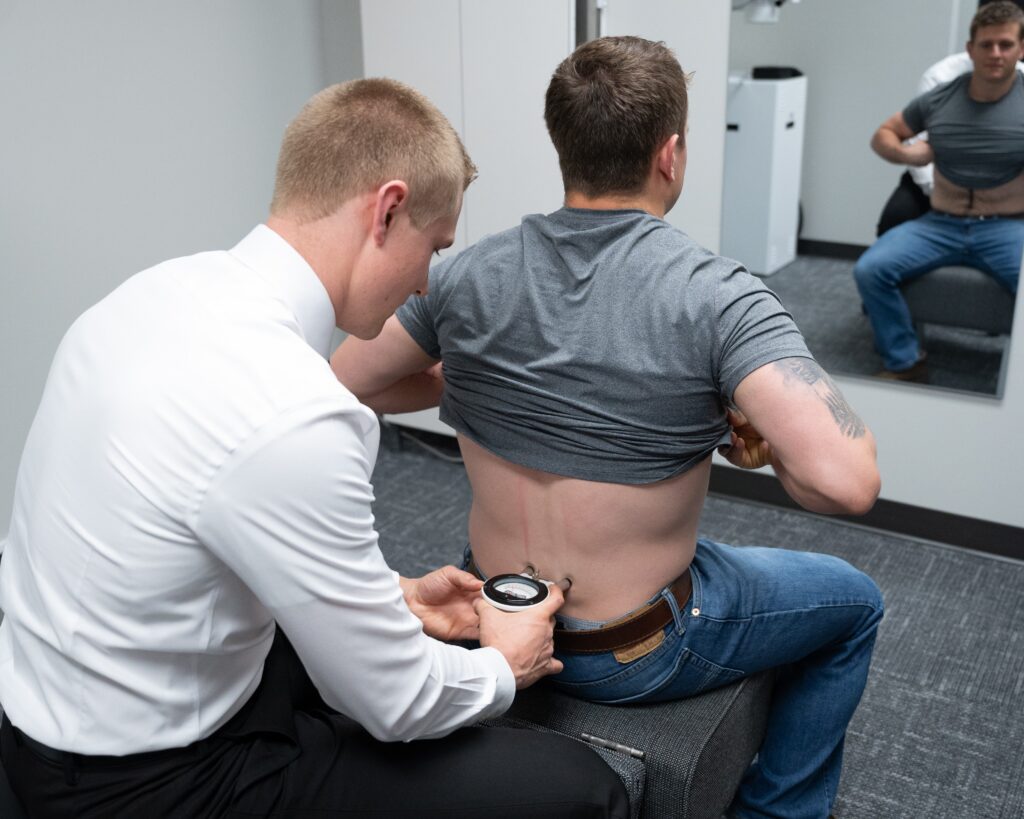

As a local chiropractor, I understand that chronic back pain is a common issue that many individuals face, and finding relief can often feel daunting. It’s important to know that there are effective, natural solutions available to help ease your discomfort. Many patients are surprised to learn how a combination of chiropractic care, personalized exercise routines, and mindfulness techniques can significantly improve their quality of life.
Firstly, understanding the root causes of your pain is crucial for developing a comprehensive treatment plan. This is where chiropractic care comes in. We focus on aligning your spine and optimizing your body’s function, which can alleviate pain and promote healing.
Additionally, I encourage incorporating targeted exercises that strengthen your back and support overall wellness. These tailored routines can help stabilize your spine and prevent future discomfort.
Mindfulness practices, such as meditation and deep-breathing exercises, can also play a vital role in managing pain. They not only help reduce stress but also improve your body’s ability to cope with discomfort.
So, what strategies can you implement to enhance your well-being and reclaim your comfort? Let’s work together to explore these possibilities and create a plan that suits your unique needs. Your journey to relief starts here!
Understanding the Causes of Chronic Back Pain
Chronic back pain is a common issue that affects millions of individuals, and as your local chiropractor, I want to help you understand its causes to promote effective management and healing. This discomfort can stem from a variety of factors, such as muscle or ligament strains, herniated discs, or conditions like arthritis.
Additionally, poor posture and prolonged periods of sitting can significantly contribute to your pain. If you’ve experienced an injury or have overexerted yourself in the past, these incidents could also be the source of ongoing discomfort.
It’s important to note that stress and emotional well-being play a crucial role in our physical health; tension can lead to muscle tightness, which may further aggravate your back pain.
Another factor to consider is weight gain; excess weight can put additional strain on your back, making it even more important to embrace a healthy lifestyle. Each cause of chronic back pain can vary in severity and impact, so identifying which factors apply to your situation is key to finding relief.
At our chiropractic practice, we focus on understanding these underlying issues so we can tailor a natural healing approach that works for you. By addressing the root causes of your chronic back pain, we can empower you to take control of your health and well-being.
Together, we can work towards alleviating your discomfort and enhancing your quality of life.
The Role of Physical Therapy in Pain Management
As a local chiropractor, I want to share how chiropractic care can be a vital part of managing your chronic back pain.
Through specific spinal adjustments and targeted techniques, we aim to relieve pain and improve your overall function. Our approach is personalized, meaning we tailor treatment plans to fit your unique needs, helping you regain mobility and strength.
By focusing on natural healing methods, we empower you to take control of your recovery journey.
Let’s delve into how chiropractic care can support you in overcoming pain and enhancing your quality of life.
Techniques for Pain Relief
As a local chiropractor, I understand how challenging it can be to deal with persistent back pain. That’s why I want to share some effective techniques for relief that can truly transform your daily life.
One of the key approaches we focus on in chiropractic care is spinal manipulation, which can help realign your spine and improve overall mobility. This adjustment not only alleviates pain but also enhances your body’s natural ability to heal itself.
In addition to spinal adjustments, I often recommend physical therapy exercises that are designed to strengthen your back muscles and enhance flexibility. These tailored exercises, guided by a trained professional, can significantly reduce pain and prevent future issues.
Another great method for relief is incorporating heat or cold therapy into your routine. Applying heat can relax tight muscles, while cold therapy can reduce inflammation and provide immediate comfort.
Moreover, I encourage my patients to explore mindfulness and relaxation techniques. Practices like yoga and meditation can be invaluable for managing pain and promoting a sense of calm.
By actively engaging in these natural healing techniques, you address not just the physical aspects of back pain, but also nurture your overall well-being.
My goal is to empower you to take control of your health and regain the vibrant life you deserve.
Personalized Treatment Plans
As a local chiropractor, I want to emphasize the importance of personalized treatment plans for effectively managing back pain. These plans are designed to meet your individual needs and address your specific conditions.
During our initial consultation, I’ll evaluate your pain levels, posture, and movement patterns to gain a thorough understanding of your situation. Together, we’ll develop a customized program that targets your unique issues, whether that involves strengthening weak muscles, improving flexibility, or enhancing spinal alignment.
This tailored approach not only helps alleviate symptoms but also tackles the underlying causes of your pain. Regular chiropractic sessions and ongoing assessments will allow us to make necessary adjustments to your treatment plan as you progress.
Enhancing Mobility and Strength
As a local chiropractor, I want to emphasize the importance of enhancing your mobility and strength in managing chronic back pain. Chiropractic care is centered around helping you regain movement, improve strength, and ultimately, perform daily activities with greater ease.
By working closely with me, we can identify specific exercises and techniques tailored to your unique needs.
Here are some key benefits of incorporating chiropractic care into your recovery:
- Improves flexibility and range of motion: Adjustments and targeted exercises help to restore your body’s natural movement patterns.
- Strengthens core and back muscles: We’ll focus on exercises that build strength in your core and back, which are vital for supporting your spine.
- Reduces pain through natural methods: Our approach includes manual adjustments and therapeutic exercises designed to alleviate pain without medication.
- Enhances posture and body mechanics: We’ll educate you on maintaining proper posture and body mechanics to prevent further injury.
- Promotes injury prevention: Understanding how to care for your body can help you avoid future issues and maintain your overall health.
By integrating these practices into your daily routine, not only can we alleviate your pain, but we can also empower you to take charge of your back health.
Embrace chiropractic care as a vital component of your journey towards a pain-free life, and let’s work together to enhance your mobility and strength naturally.
Mindfulness and Meditation Techniques
As a chiropractor dedicated to helping you manage chronic back pain, I want to introduce you to the transformative benefits of mindfulness and meditation techniques. These practices can significantly enhance your overall well-being by fostering a deeper connection with your body and its sensations. This awareness allows you to approach pain with a greater sense of ease and acceptance.
To get started, find a quiet space where you can sit comfortably. Close your eyes and concentrate on your breath—inhale deeply through your nose and exhale slowly through your mouth. As thoughts about your pain come to mind, recognize them without judgment and gently redirect your focus back to your breathing. This practice helps train your mind to distance itself from the pain, alleviating its emotional burden.
I also recommend incorporating body scans into your routine. This involves mentally checking in with various parts of your body, promoting relaxation and releasing built-up tension.
By regularly practicing mindfulness meditation, you can build resilience and learn to navigate your chronic back pain with a sense of calmness and control.
As we work together to address your back pain through chiropractic care, integrating these mindfulness techniques can complement your healing journey and empower you to take charge of your health.
The Impact of Nutrition on Musculoskeletal Health
As a local chiropractor, I want to emphasize the significant role nutrition plays in maintaining your musculoskeletal health. The food you eat not only fuels your body but also supports the structural integrity of your bones and muscles, which is vital for overall wellness.
A well-balanced diet can help you manage and even reduce chronic pain, such as back pain, which many of my patients experience. By focusing on the right nutrients, you can empower your body to function optimally and enhance your chiropractic care.
Let’s explore some key nutrients that are essential for your musculoskeletal health:
- Calcium: This mineral is crucial for maintaining strong bones. Incorporating dairy products, leafy greens, and fortified foods into your diet can help you meet your calcium needs.
- Vitamin D: Known for its role in enhancing calcium absorption, vitamin D can be obtained from sunlight exposure and fatty fish. Ensuring you have adequate levels is important for bone health.
- Magnesium: This nutrient plays a vital role in muscle function. You can find magnesium in foods like nuts, seeds, and whole grains, which can help support your muscles during chiropractic adjustments.
- Omega-3 Fatty Acids: These healthy fats are known for their anti-inflammatory properties, which can be beneficial in reducing pain and stiffness. Good sources include oily fish and flaxseeds.
- Protein: Essential for muscle repair and recovery, protein can be sourced from lean meats, beans, and legumes. Consuming enough protein can aid in your recovery following chiropractic treatments.
By understanding and incorporating these nutrients into your diet, you can significantly enhance the effectiveness of your chiropractic care and support your overall musculoskeletal health.
Importance of Regular Exercise and Stretching
As a local chiropractor, I want to emphasize the vital role that regular exercise and stretching play in managing chronic back pain.
Many patients are surprised to learn that strength training can significantly bolster the supportive muscles around your spine, providing better stability and reducing discomfort.
Additionally, incorporating stretching into your routine not only enhances your flexibility but also alleviates tension in your back.
By embracing these practices, you can vastly improve your overall mobility and comfort.
Benefits of Strength Training
As a local chiropractor, I often see patients who underestimate the value of strength training in their journey toward better health, particularly when it comes to alleviating chronic back pain.
It’s essential to understand that incorporating strength training into your routine can significantly improve your overall well-being. By focusing on building core stability, you can provide vital support to your spine, reducing the strain on your back muscles.
Here are some key benefits of strength training that I recommend for those dealing with back pain:
- Improved Posture: Strengthening your back and core muscles not only helps with alignment but also prevents future issues by promoting better posture throughout your daily activities.
- Increased Flexibility: A well-rounded strength training program can enhance your range of motion, making it easier to perform everyday movements.
- Enhanced Balance: Strength training improves your balance and coordination, which is crucial in preventing falls and injuries, especially for those with existing back pain.
- Pain Reduction: By strengthening the muscles that support your spine, you can alleviate stress and pressure on the spine itself, leading to reduced pain over time.
- Greater Overall Strength: Improved muscular strength allows you to tackle daily tasks with greater ease and comfort, enhancing your quality of life.
As you consider your options for natural healing and chiropractic care, remember that strength training can be a powerful tool in your recovery process.
It complements the adjustments and treatments we provide in our practice, helping you achieve long-lasting relief from back pain.
Stretching for Flexibility Improvement
As a local chiropractor, I want to emphasize the significance of incorporating stretching into your wellness routine, especially for those of you who may be new to chiropractic care and natural healing.
While strength training is essential for building a strong foundation, stretching plays a crucial role in enhancing your flexibility and overall spinal health.
Regular stretching can help lengthen your muscles, improve your range of motion, and alleviate tension in your back. Many of my patients have found that consistent stretching reduces stiffness, which can be a contributing factor to chronic pain. It’s an important practice to prevent discomfort and promote a healthier lifestyle.
I recommend focusing on stretches that target key areas such as your back, hips, and legs, as these regions significantly influence your flexibility and mobility.
Simple stretches like the cat-cow, child’s pose, and hamstring stretch can yield great benefits. I encourage you to incorporate these stretches into your daily routine, particularly after your workouts.
Remember, achieving balance is essential; it’s not just about strengthening your muscles, but also maintaining flexibility. This balance can help alleviate discomfort and support a healthier, more active lifestyle.
If you have any questions about specific stretches or how they can benefit you, feel free to ask during your next visit!
Alternative Therapies: Acupuncture and Massage
As a local chiropractor, I often emphasize the importance of alternative therapies like acupuncture and massage in managing chronic back pain.
These methods aren’t just about quick fixes; they focus on restoring balance within the body and enhancing your overall well-being.
Acupuncture, for instance, involves the precise insertion of thin needles into specific points on your body. This technique helps promote healing and alleviates pain by stimulating the body’s natural energy pathways.
On the other hand, massage therapy works by manipulating soft tissues, which can significantly reduce tension, improve circulation, and promote relaxation.
Here are some key benefits you may experience by incorporating these therapies into your health routine:
- Relief from muscle tension and tightness
- Enhanced blood flow to areas in discomfort
- Promotion of relaxation and stress reduction
- Improved flexibility and range of motion
- Support for your body’s natural healing processes
Both acupuncture and massage therapy can play a vital role in managing chronic back pain.
By considering these alternative therapies, you may discover effective solutions that help you lead a more comfortable and active life.
Ergonomics: Creating a Pain-Free Workspace
As a chiropractor dedicated to your well-being, it’s essential to educate you on how to create a pain-free workspace. One of the first things to consider is the height of your desk. Adjusting it to an appropriate level can significantly reduce strain on your back and neck.
Additionally, your chair should provide adequate support for your lower back, promoting a healthy posture while you work.
It’s also important to position your monitor at eye level. This simple adjustment can alleviate unnecessary tension in your neck and shoulders, enhancing your overall comfort throughout the day.
By implementing these ergonomic practices, you can greatly decrease your risk of developing chronic back pain, allowing you to work more comfortably and efficiently.
Desk Height Adjustment
As a local chiropractor, I want to emphasize the importance of finding the right desk height for your workspace. Proper desk adjustment can greatly enhance your comfort and productivity while also reducing the risk of strain on your back and neck.
Here are some essential tips to help you achieve the ideal desk height for your well-being:
- Ensure that your elbows are positioned at a 90-degree angle when typing. This helps to maintain proper posture and reduce tension in your shoulders.
- Your feet should rest flat on the floor or on a footrest. This promotes good circulation and prevents discomfort in your legs.
- Position your computer screen at eye level to avoid straining your neck. This simple adjustment can make a significant difference in your overall comfort.
- Check that your wrists remain straight while using the keyboard. Keeping your wrists in a neutral position is crucial for preventing repetitive strain injuries.
- Lastly, keep frequently used items within easy reach. This minimizes unnecessary stretching, which can lead to discomfort and strain over time.
By taking these steps, you can create a healthier workspace that supports your body’s natural alignment, ultimately enhancing your overall well-being.
Chair Support Features
As a local chiropractor, I want to emphasize the importance of your chair in maintaining your overall health and well-being, especially if you spend long hours at your desk.
Many people overlook how essential proper chair support can be, but it plays a crucial role in your spinal health. A chair designed with adequate lumbar support is vital; it helps preserve the natural curve of your spine, which can significantly reduce strain on your back and help prevent chronic pain.
When selecting a chair, look for adjustable features such as seat height and backrest angle. These options allow you to tailor the chair to your unique body shape and size, promoting better posture and increased comfort.
Additionally, a seat cushion with the right amount of padding can make a big difference during prolonged sitting, helping to alleviate pressure and discomfort.
Don’t forget about armrests! They should provide support for your arms without adding tension to your shoulders.
All these ergonomic features can collectively contribute to reducing back pain and enhancing your productivity throughout the day.
Investing in a quality chair that prioritizes these supportive features can lead to significant improvements in your comfort and health.
Monitor Positioning Tips
As a local chiropractor, I want to emphasize the importance of proper monitor positioning for your overall well-being, especially if you spend long hours in front of a screen.
Poor monitor setup can lead to discomfort and strain in your back and neck, which are common issues I see in my practice. Here are some essential tips to help you create a pain-free workspace:
- Eye Level Alignment: Ensure your monitor is positioned at eye level. This will prevent you from tilting your head forward or backward, reducing unnecessary strain on your neck muscles.
- Distance Matters: Keep the screen about an arm’s length away. This distance allows for comfortable viewing without straining your eyes or leaning forward.
- Monitor Angle: Tilt the monitor slightly upward. This helps minimize glare from overhead lights and encourages a more natural neck position, ultimately reducing strain.
- Screen Height: The top of your monitor should be at or just below your eye level. This positioning promotes good posture and helps keep your spine in its natural alignment.
- Use a Stand: If your monitor isn’t at the correct height, consider using a monitor stand. This simple adjustment can make a significant difference in your comfort and prevent future issues.
By following these guidelines, you can create a workspace that supports your health and well-being, helping to reduce the risk of pain and discomfort.
The Connection Between Stress and Back Pain
As a local Chiropractor, I want to help you understand the important link between stress and chronic back pain. Many people don’t realize how significantly stress can impact their physical well-being.
Often, stress creates a cycle where pain leads to increased anxiety and tension, making the situation worse. When you experience stress, your body instinctively tenses up, particularly in the muscles surrounding your back. This tension can intensify any existing pain you may have or even lead to new discomfort.
You might’ve noticed that during stressful moments, your back feels tighter or more painful. Recognizing this connection is crucial for your overall health. By managing your stress levels, you can help alleviate some of your back pain.
Techniques such as deep breathing, mindfulness, and gentle yoga are effective ways to promote relaxation. Additionally, incorporating regular exercise into your routine can significantly reduce stress by releasing endorphins, which serve as natural pain relievers.
As you explore options for managing your back pain, considering these stress-reduction techniques can be an essential part of your healing journey. Remember, chiropractic care can also play a vital role in addressing both your physical pain and the underlying stress contributing to it.
Together, we can work towards a healthier, more balanced you.
Innovations in Pain Relief: Medications and Devices
As your local chiropractor, I want to share with you some exciting innovations in pain relief that can complement your journey towards managing chronic back pain.
At our practice, we believe in a holistic approach, and these advancements can play a significant role in enhancing your overall well-being.
Here are some innovative options you might consider:
- Topical analgesics: These creams and patches can provide targeted relief right where you need it, allowing you to manage discomfort without systemic medications.
- Transcutaneous electrical nerve stimulation (TENS): This non-invasive therapy uses gentle electrical currents to interrupt pain signals, helping to reduce your perception of pain while promoting relaxation.
- Bioelectronic medicine: This emerging field offers devices that can modulate nerve activity to alleviate pain. It’s an exciting area that aligns well with our focus on natural healing.
- Long-acting opioids: While we generally emphasize natural therapies, it’s worth noting that new formulations of opioids can provide sustained relief with fewer side effects for those who may need them.
- Cannabinoid-based medications: Derived from cannabis, these products are gaining attention for their potential to ease pain and inflammation, and may be an option worth discussing with your healthcare provider.
Incorporating these innovations into your care plan can empower you to take charge of your pain management.
Together, we can explore these options and find the relief you deserve, while also focusing on the underlying issues contributing to your discomfort.
Your journey towards improved health and quality of life is our priority!
Building a Support System for Chronic Pain Management
As a local chiropractor, I understand that managing chronic pain can often feel isolating. However, building a strong support system can significantly enhance your journey towards relief.
It’s essential to surround yourself with people who understand your experiences—friends, family, and even those in support groups tailored to chronic pain. These connections can help alleviate feelings of loneliness and provide much-needed emotional support.
I encourage you to reach out to healthcare professionals, including chiropractors like myself, who can offer valuable insights and resources specific to your needs. By sharing your experiences openly, you can foster a deeper understanding and empathy from those around you, which is crucial in your healing process.
Consider exploring local or online support groups where you can connect with others who are facing similar challenges. These communities can be a fantastic source of practical advice, coping strategies, and encouragement, helping you to feel less alone.
Ultimately, having a network of supportive individuals, combined with the holistic approach of chiropractic care, can empower you to manage your pain more effectively.
Conclusion
As a local chiropractor, I’m here to help you understand how we can work together to alleviate chronic back pain through natural healing methods. By integrating chiropractic care, personalized exercise regimes, and mindfulness practices, we can effectively address the root causes of your discomfort. It’s also crucial to recognize the role of proper ergonomics and nutrition in your recovery journey.
Incorporating regular exercise into your routine can significantly enhance your pain management. I encourage you to build a support system of friends, family, or fellow patients who can motivate you and share their experiences. With these holistic approaches, we can uncover the secrets to achieving a healthier back and improving your overall well-being. Take the first step towards taking charge of your health today, and let’s work together to help you feel better!