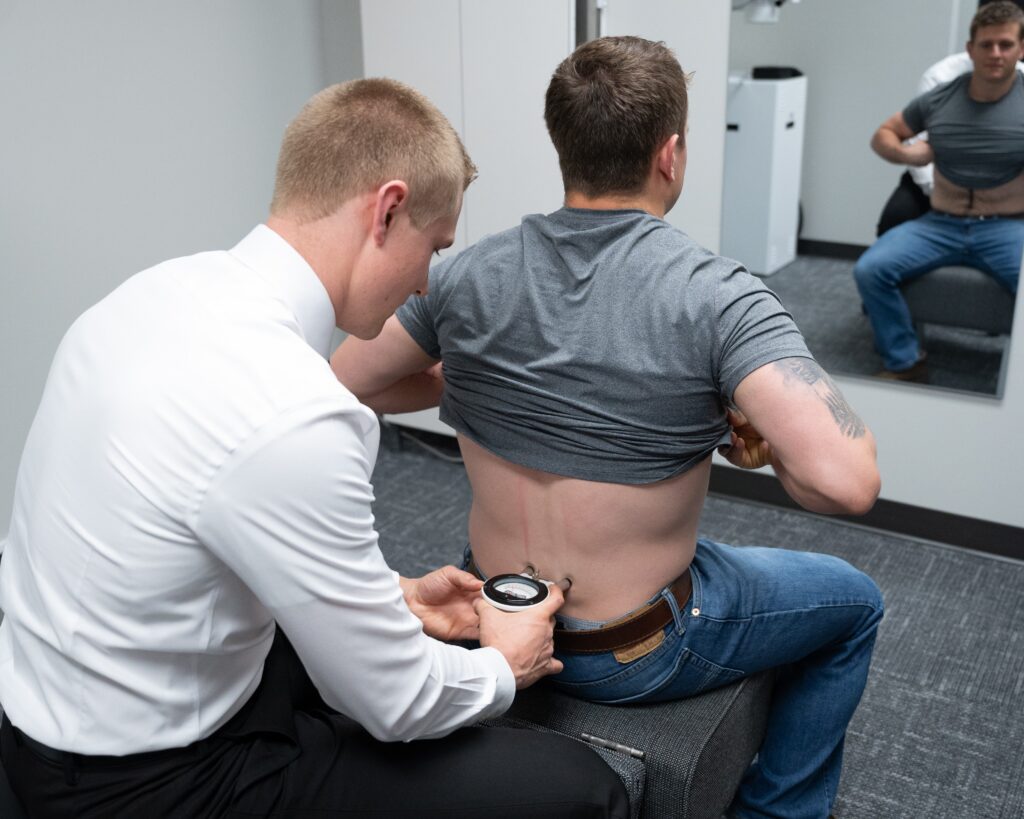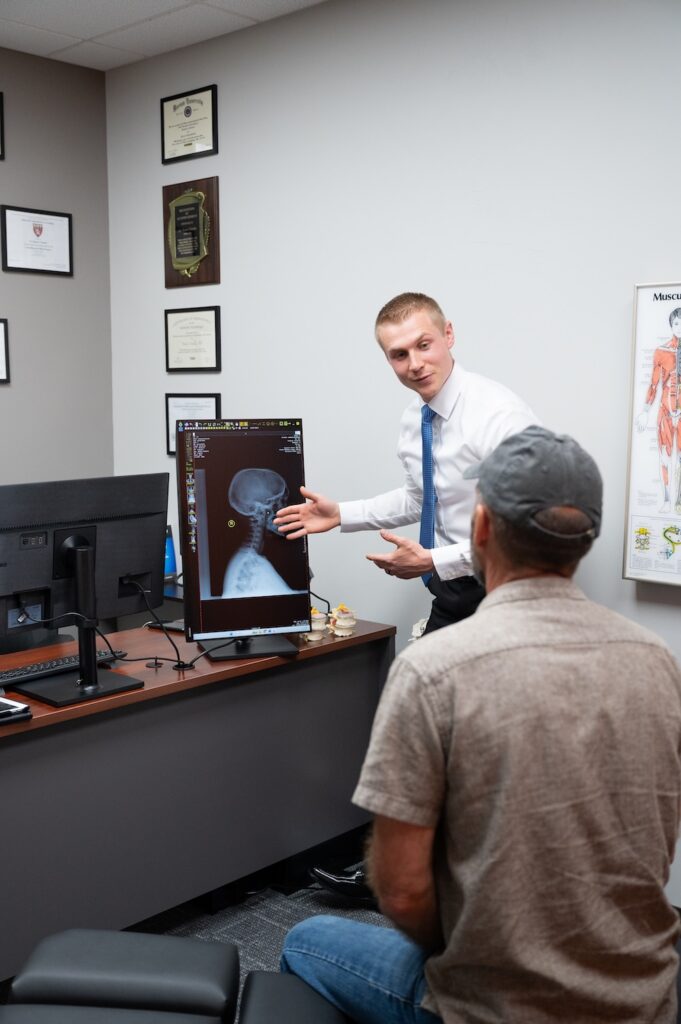

If you're experiencing upper back pain, know that you're not alone, and it's essential to understand the potential causes behind it. Many individuals mistakenly attribute their discomfort solely to their daily activities, but there are effective chiropractic strategies that can help alleviate your pain.
As a local chiropractor, I've seen firsthand how simple techniques—like specific stretches and ergonomic adjustments—can make a significant difference in your comfort levels. The solutions you seek may be more accessible than you think and can easily fit into your lifestyle.
Are you curious about how chiropractic care and natural healing methods can transform your experience and help you regain that much-desired comfort? Let's delve into the various approaches and techniques that can unlock the secrets to relieving your upper back pain.
Common Causes of Upper Back Pain
As a local chiropractor, I often see patients who are unfamiliar with the common causes of upper back pain. It's important to understand that this discomfort can arise from a variety of everyday activities and habits that many of us engage in.
One major contributor to upper back pain is poor posture. If you spend long hours sitting at a desk or hunching over a screen, it's easy to strain your upper back muscles. Being mindful of your posture is essential; small adjustments can make a big difference in preventing discomfort.
Muscle strain is another frequent cause of upper back pain. This can occur when lifting heavy objects without using proper form or when performing repetitive tasks, like vacuuming or gardening. You mightn't realize it, but these everyday activities can lead to significant strain on your upper back.
Stress is often an overlooked factor as well. When we experience stress, our bodies tend to tense up, particularly in the upper back and shoulders. You may find that you're holding tension in these areas without even being aware of it until the pain becomes noticeable.
It's also important to consider underlying medical conditions that can contribute to upper back pain. Issues such as herniated discs, arthritis, or scoliosis can lead to persistent discomfort. If you've been experiencing pain for an extended period or if it's accompanied by other concerning symptoms, I encourage you to seek guidance from a healthcare professional.
Lastly, your sleeping position and the quality of your mattress can significantly impact your upper back health. If your mattress doesn't provide adequate support, you may wake up with discomfort.
Being aware of these common causes can help you take proactive steps towards alleviating your upper back pain and improving your overall well-being.
At our clinic, we focus on natural healing approaches to address these issues and restore balance to your body. If you have any questions or concerns about upper back pain, I'm here to help guide you on your path to recovery.
Effective Stretching Techniques
As a local chiropractor, I want to share how incorporating effective stretching techniques into your daily routine can significantly alleviate upper back pain. Stretching is a natural and simple way to enhance flexibility, reduce muscle tension, and promote healthy blood flow to the areas that may be causing discomfort. Here are some stretches that are easy to fit into your day.
Let's start with the cat-cow stretch, a fantastic way to mobilize your spine. Begin by positioning yourself on your hands and knees, ensuring that your wrists are directly under your shoulders. As you inhale, arch your back and allow your belly to drop towards the floor (this is the cow position). Then, as you exhale, round your spine and tuck your chin to your chest (this is the cat position). Repeat this gentle sequence for 5-10 breaths, focusing on the stretch through your upper back.
Next, I recommend the seated forward bend. Sit comfortably on the floor with your legs extended in front of you. Inhale deeply, lengthening your spine, and as you exhale, hinge at your hips to reach for your feet. Hold this stretch for 15-30 seconds, allowing your neck and shoulders to relax into the position.
Another effective stretch is the doorway stretch. Stand in a doorway and place your forearms on the door frame at shoulder height. Step forward slightly until you feel a gentle stretch across your chest and shoulders. Hold this position for 15-30 seconds to open up those tight areas.
Lastly, don't forget about side stretches. Stand tall, reach one arm overhead, and lean towards the opposite side. This stretch targets the muscles along your sides and upper back, providing relief from tension. Hold for 15-30 seconds on each side to ensure balanced stretching.
Strengthening Exercises for Relief
Strengthening your upper back muscles is crucial for achieving long-term relief from pain and discomfort. As a chiropractor, I often emphasize that strong upper back muscles provide essential support for your spine, which helps to minimize strain and alleviate pain.
Here are a few effective exercises that I recommend incorporating into your routine to enhance your upper back strength.
Let's start with the seated row exercise. To perform this, sit on the floor with your legs extended in front of you and loop a resistance band around your feet. Grasp the ends of the band and pull it toward your torso, focusing on squeezing your shoulder blades together. Aim for 10-15 repetitions. This exercise not only strengthens your upper back but also promotes better posture.
Next on the list is the bent-over dumbbell fly. Stand with your feet shoulder-width apart, holding a dumbbell in each hand. Bend at the hips until your torso is parallel to the ground, maintaining a slight bend in your elbows. Lift the weights out to the sides while squeezing your shoulder blades together at the top of the movement. Aim for 10-12 repetitions. This exercise is great for targeting the muscles that support your upper back.
Another beneficial exercise is the wall angels. Stand with your back against a wall, positioning your feet a few inches away. Keep your head, upper back, and buttocks in contact with the wall as you raise your arms to form a "W" shape. Then, slide your arms upwards to create a "Y," before returning to the starting position. Perform 10 repetitions. This exercise helps improve shoulder mobility and reinforces proper alignment.
I recommend incorporating these exercises into your weekly routine, aiming for at least two to three sessions per week. As you strengthen your upper back muscles, you may notice a reduction in discomfort, leading to improved posture and overall wellness.
Posture and Ergonomics Adjustments
As a local chiropractor, I want to share the importance of good posture for preventing and alleviating upper back pain. Proper alignment when sitting, standing, or moving can significantly reduce the strain on your muscles and spine. It's crucial to be mindful of your body position throughout the day.
Start by adjusting your chair and desk to support a neutral spine. Make sure your feet are flat on the floor and your knees are at hip level. This setup helps distribute your weight evenly, which can ease the burden on your back.
If you spend time working at a computer, it's essential to position your screen at eye level. This prevents you from craning your neck, which can lead to discomfort. Keep your shoulders relaxed and your elbows close to your body, at about a 90-degree angle. An ergonomic chair can provide additional support and promote better posture.
Remember, taking regular breaks is vital. Stand up, stretch, and walk around every 30 to 60 minutes to reduce stiffness and improve circulation.
When standing, be sure to distribute your weight evenly on both feet. Avoid locking your knees, and maintain a slight bend to keep your body relaxed. If you need to lift objects, always bend at your knees instead of your back, and hold the item close to your body to avoid strain.
Practicing good posture goes beyond just physical alignment; it's about being aware of your body and how it moves. By making these simple adjustments, you can create a healthier environment for your back.
This approach not only alleviates discomfort but also enhances your overall well-being. If you're unsure about your posture or experience ongoing pain, don't hesitate to reach out for a chiropractic consultation. Together, we can work towards a healthier, pain-free life.
When to Seek Professional Help
As a local chiropractor, I want to help you understand when it's important to seek professional help for your upper back pain. Recognizing the signs that indicate you might need expert care is crucial for managing your discomfort effectively.
If your upper back pain persists for more than a few weeks, despite trying self-care measures like rest, gentle stretches, or over-the-counter pain relief, it's time to reach out to a healthcare provider. Chronic pain can often be a sign of underlying issues that may require a professional diagnosis and a tailored treatment plan.
Another significant warning sign to be aware of is if you experience severe pain that radiates into your arms or legs. This type of pain could suggest a more serious condition, such as a herniated disc or nerve compression. It's important not to ignore these symptoms; getting evaluated promptly can help prevent further complications down the road.
You should also consider seeking help if your upper back pain comes along with other concerning symptoms like unexplained weight loss, fever, or difficulty breathing. These symptoms may indicate infections or other serious health concerns that should be addressed immediately.
Additionally, if your pain is disrupting your daily activities or affecting your sleep, it's a strong signal that you should consult a professional. Ongoing discomfort can significantly impact your quality of life, and addressing it sooner rather than later can lead to a quicker recovery.
Lastly, if you find that your own self-management strategies aren't yielding the results you hoped for, don't hesitate to reach out for assistance. I can provide personalized exercises and treatments that are designed specifically for your needs, helping to alleviate your pain and improve your overall well-being.
Conclusion
As a local Chiropractor, I want to help you understand the common causes of upper back pain and how you can find relief through natural healing methods. By incorporating effective stretching and strengthening exercises into your daily routine, you can make a remarkable difference in your discomfort. It's also crucial to evaluate your posture and make ergonomic adjustments to your workspace, as these changes can greatly impact your spine health.
Regularly practicing these strategies not only helps alleviate current pain but also supports the long-term health of your spine, reducing the risk of future issues. If you find that your pain persists despite these efforts, I encourage you to seek professional help. A chiropractic consultation can assist in identifying any underlying concerns and guide you on your journey to feeling your best. Remember, your health is an investment, and together we can work towards a pain-free life.