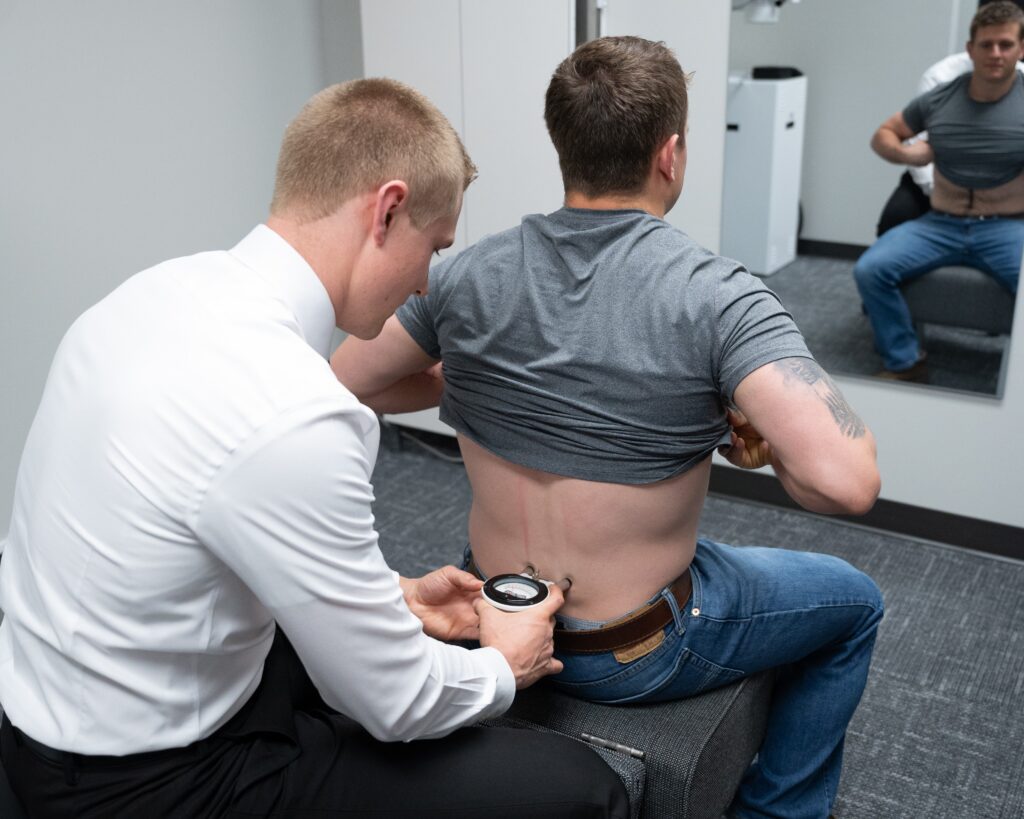

If you're struggling with back pain, you know how it can affect your daily life. It's not just about discomfort; it can limit your mobility and impact your overall well-being. Seeking professional care might seem intimidating, but understanding the various treatment options available can lead you toward significant relief. You may find that a combination of physical therapy and mindfulness practices can transform your experience. What if the solution to your pain is more accessible than you think? Let's explore how you can access that relief and regain control over your life.
Understanding Back Pain
When it comes to understanding back pain, it's essential to recognize that it can stem from various causes. You might experience discomfort due to muscle strain, injury, or even stress. Your body's mechanics play a significant role, and sometimes, it's just a matter of how you sit or lift heavy objects.
If you've ever noticed that your back hurts after a long day at your desk or following an intense workout, you're not alone. Posture, activity level, and even emotional factors can contribute to how your back feels.
Additionally, consider that back pain isn't always straightforward. It can manifest as a dull ache, a sharp stabbing sensation, or a persistent tightness. These nuances can often confuse you when attempting to identify the root cause.
It's important to pay attention to patterns. Do you feel relief when resting, or does movement exacerbate the pain? Noticing these details can provide valuable insights.
Also, don't overlook how lifestyle choices impact your back health. Regular exercise strengthens muscles, while a sedentary lifestyle may weaken them, making you more prone to discomfort. Nutrition plays a role too; a balanced diet can help maintain your body's overall structure and function.
Ultimately, understanding your back pain involves more than just recognizing the symptoms. It requires you to be aware of your daily habits, emotional state, and physical activities. By connecting these dots, you can begin to take steps toward relief and improved back health.
Common Causes of Discomfort
What're the common causes of discomfort that might be affecting your back? Understanding these factors can help you pinpoint the source of your pain and take the right steps toward relief.
One major culprit is poor posture, often stemming from long hours spent sitting at a desk or slouching while using your phone. This can lead to muscle strain and tension, making your back feel worn out.
Another common cause is muscle or ligament strain. Overexerting yourself during physical activities, lifting heavy objects improperly, or sudden awkward movements can easily lead to injuries. If you've recently changed your exercise routine or increased your activity level, you might find yourself dealing with soreness as your body adjusts.
Herniated discs are also a frequent issue, particularly as you age. When the soft material inside your spinal discs bulges or ruptures, it can press on nearby nerves, resulting in pain, numbness, or weakness in your back or legs.
Medical conditions like arthritis can contribute to back discomfort as well. Inflammation in the joints can lead to stiffness and pain, making it hard to move comfortably.
Additionally, sciatica—a condition caused by pressure on the sciatic nerve—can create radiating pain that starts in your lower back and travels down your leg.
Recognizing these common causes of discomfort is the first step toward understanding your back pain and seeking appropriate care. Don't ignore the signals your body is sending you.
Benefits of Early Intervention
Early intervention for back pain can greatly prevent chronic issues from developing.
By addressing discomfort promptly, you can improve your mobility and overall function.
Taking action now means you'll likely enjoy a more active and pain-free life.
Prevention of Chronic Pain
Preventing chronic pain is crucial, and early intervention plays a key role in achieving this goal. When you address back pain at its onset, you greatly reduce the risk of it developing into a long-term issue. Delaying treatment can lead to complications, making it harder to manage your pain later on.
By seeking help as soon as you notice discomfort, you can identify the underlying causes of your pain. This proactive approach allows you to implement effective strategies, whether through physical therapy, exercise, or adjustments in daily habits. You'll not only alleviate immediate discomfort but also improve your overall quality of life.
Moreover, early intervention can help you learn essential self-care techniques. These tools empower you to manage your pain and prevent future flare-ups. You'll gain a better understanding of your body and its needs, ensuring you stay active and engaged in your daily activities.
In the end, investing time in early care is an investment in your future well-being. By taking action now, you're setting the foundation for a healthier, pain-free life down the road.
Don't wait for pain to become chronic; prioritize your health and seek help early.
Improved Mobility and Function
Addressing back pain promptly not only helps prevent chronic issues but also greatly enhances your mobility and function.
When you seek care early, you're taking a proactive step toward reclaiming your daily activities without the limitations pain can impose. Effective treatment can lead to quicker recovery, allowing you to move freely and engage in the hobbies you love.
By focusing on your back pain right away, you've got a better chance of restoring your range of motion and strength.
Physical therapy, for example, helps you strengthen your back muscles, improving stability and coordination. This means you'll be able to bend, twist, and lift with confidence again.
Moreover, the sooner you address your pain, the less likely you're to develop compensatory habits that could lead to further injury.
You'll find that routine tasks become easier, whether it's playing with your kids or simply getting out of bed in the morning.
In short, early intervention not only alleviates pain but also empowers you to regain your mobility and enjoy a more active lifestyle.
Don't wait—take charge of your back pain and release the benefits of improved function today.
Exploring Treatment Options
When it comes to managing your back pain, exploring treatment options is key to finding relief.
You might consider the benefits of physical therapy, medication alternatives, or insights from chiropractic care. Each approach offers unique advantages that could help you regain control over your well-being.
Physical Therapy Benefits
Exploring physical therapy can be a game-changer for anyone struggling with back pain. It offers a personalized approach to recovery, focusing on your specific needs and circumstances. A skilled physical therapist evaluates your condition, identifies the root cause of your pain, and develops a tailored treatment plan. This targeted approach not only addresses your current discomfort but also aims to prevent future issues.
Through a combination of exercises, manual therapy, and education, physical therapy helps you regain strength, flexibility, and mobility. You'll learn proper body mechanics and posture techniques, reducing the risk of reinjury.
Additionally, physical therapists often incorporate modalities like heat, ice, or electrical stimulation to further alleviate pain and inflammation.
One of the standout benefits of physical therapy is its emphasis on empowering you. You'll gain the tools and knowledge to manage your pain independently, fostering a sense of control over your health.
With consistent commitment, many patients experience significant improvements in their pain levels and overall quality of life. If you're looking for a holistic and proactive approach to back pain relief, physical therapy could be the solution you've been searching for.
Medication Alternatives
For many dealing with back pain, finding effective relief often involves more than just physical therapy. You might want to explore medication alternatives that can complement your treatment plan. Over-the-counter options like ibuprofen or acetaminophen can help reduce inflammation and ease discomfort.
However, if these aren't enough, you could consider prescription medications tailored to your specific needs. Muscle relaxants may be beneficial if muscle spasms are part of your pain. These can help relieve tension and improve your mobility.
Additionally, certain antidepressants have shown promise in managing chronic pain, even when depression isn't a factor. They can alter the way your brain perceives pain signals, offering you a different avenue for relief.
Another alternative is topical analgesics, which can provide localized relief without the systemic effects of oral medications.
Finally, if you're open to it, there are natural supplements like turmeric or omega-3 fatty acids that some find helpful. Always consult with your healthcare provider before starting any new medication or supplement to verify it's safe and suitable for your situation.
Exploring these alternatives might just be the key to revealing the relief you've been seeking.
Chiropractic Care Insights
Chiropractic care offers a hands-on approach to managing back pain that many find effective. If you're struggling with discomfort, visiting a chiropractor can provide relief and improve your overall well-being.
Chiropractors focus on diagnosing and treating musculoskeletal issues, particularly in the spine, and utilize various techniques tailored to your needs.
Here are three key aspects to evaluate about chiropractic care:
- Spinal Adjustments: Chiropractors use precise adjustments to realign your spine, alleviating pressure on nerves and reducing pain. This can enhance mobility and function.
- Holistic Approach: Chiropractic care often includes lifestyle advice, exercise recommendations, and nutritional guidance to support your recovery and prevent future issues.
- Personalized Treatment Plans: Every individual's back pain is unique. Your chiropractor will develop a customized plan that addresses your specific symptoms, ensuring that you receive the most effective care possible.
The Role of Physical Therapy
When it comes to managing back pain, physical therapy plays an essential role in your recovery journey. It's not just about alleviating pain; it's about restoring function and improving your quality of life. A physical therapist will evaluate your specific condition and develop a tailored treatment plan that addresses your unique needs.
During your sessions, you'll engage in exercises designed to strengthen the muscles supporting your spine, enhance flexibility, and improve posture. You'll learn techniques to perform daily activities with less strain on your back, which can greatly reduce your pain over time.
Additionally, physical therapy often incorporates modalities like heat, ice, or electrical stimulation to help manage pain and inflammation. Your therapist may also teach you about ergonomics, helping you make adjustments at home or work to prevent exacerbating your condition.
One of the key benefits of physical therapy is that it empowers you. You'll gain a deeper understanding of your body, equipping you with the tools to manage your pain effectively.
This proactive approach helps reduce the likelihood of recurring issues, allowing you to return to the activities you love.
Chiropractic Care Explained
Exploring different approaches to back pain management can lead you to chiropractic care, which focuses on the diagnosis and treatment of musculoskeletal disorders, particularly those affecting the spine.
Chiropractors use hands-on spinal manipulation and other techniques to align the body's musculoskeletal structure, enabling the body to heal itself without surgery or medication.
When you visit a chiropractor for back pain, you can expect a thorough approach that includes:
- Assessment: Your chiropractor will conduct a detailed examination, including medical history and physical assessments, to understand the root cause of your pain.
- Adjustment Techniques: The core of chiropractic care often involves spinal adjustments. These adjustments help restore proper alignment, reduce nerve irritability, and promote natural healing.
- Customized Treatment Plans: Chiropractors create individualized treatment plans tailored to your specific needs. This may include recommendations for exercises, lifestyle changes, and follow-up visits to monitor progress.
Chiropractic care not only addresses immediate pain but also promotes overall wellness.
By focusing on the spine's alignment, you can enhance your body's function and minimize the risk of future issues. Many patients report significant improvements in mobility and pain relief after chiropractic treatments, making it a viable option for managing back pain.
If you're seeking a natural, non-invasive approach to pain relief, chiropractic care might just be the solution you need.
Integrating Mindfulness Practices
Incorporating mindfulness practices into your routine can greatly enhance your approach to managing back pain. Mindfulness helps you develop a deeper awareness of your body and mind, allowing you to identify pain triggers and stressors more effectively. When you practice mindfulness, you learn to stay present, which can reduce anxiety and tension that often exacerbate pain.
Start by dedicating a few minutes each day to mindfulness meditation. Find a quiet place, sit comfortably, and focus on your breath. Notice how your body feels, particularly in areas affected by pain. This practice not only calms your mind but also helps you recognize patterns in your body's responses to stress and discomfort.
You can also integrate mindfulness into your daily activities. Whether you're walking, eating, or even doing household chores, try to stay fully present. Pay attention to the sensations in your body, focusing on how your movements affect your back. This awareness may help you adjust your posture and reduce strain.
Additionally, consider incorporating gentle yoga or tai chi into your routine. Both practices emphasize mindfulness through slow, deliberate movements and breath awareness. They can improve flexibility, strength, and relaxation, ultimately contributing to pain relief.
Finally, don't forget to practice self-compassion. Acknowledge your pain without judgment, and remind yourself that it's okay to seek help. By integrating mindfulness into your life, you'll cultivate a more positive relationship with your body, making it easier to manage back pain.
Conclusion
In summary, addressing back pain early is essential for your well-being. By seeking professional care, you not only relieve discomfort but also empower yourself to regain mobility and enjoy daily activities. Whether you opt for physical therapy, chiropractic care, or embrace mindfulness practices, taking proactive steps can lead to lasting relief. Don't let pain hold you back—unlock the path to a healthier, more active life today!