
If you've ever struggled with lower back pain, you know how it can impact your daily life. You might find yourself wondering about the best techniques to alleviate that discomfort. From adjusting your workspace to incorporating specific exercises, there are various strategies to explore that could make a significant difference. But what if there's more to it than just stretching or changing your chair? Understanding the underlying factors and discovering a holistic approach could be the key to lasting relief. Let's uncover what might work best for you.
Understanding Lower Back Pain
Lower back pain is a common issue that many people experience at some point in their lives. It can arise from various causes, ranging from muscle strains to more serious conditions like herniated discs. Understanding the root of your discomfort is vital for finding effective relief. You might've overexerted yourself during physical activities or maintained poor posture for extended periods, leading to muscle fatigue and pain.
In addition to physical strain, emotional stress can also contribute to lower back pain. When you're stressed, your body tends to tense up, and this tension can manifest as discomfort in your lower back. You may notice that your pain intensifies after a long day at work or during particularly stressful times.
It's essential to pay attention to your body's signals. Keeping a pain diary can help you identify patterns and triggers, making it easier to address the underlying issues. You might find that certain activities, positions, or even times of day exacerbate your pain.
Additionally, consider your lifestyle choices. Sedentary habits can weaken your core muscles, which support your spine and lower back. On the other hand, excessive physical activity without proper conditioning can also lead to injury.
Stretching Exercises
Stretching exercises can be a game-changer for relieving lower back pain. When you incorporate them into your daily routine, you'll likely notice increased flexibility, reduced tension, and a greater sense of well-being.
Here are four effective stretches you can try:
- Knee-to-Chest Stretch: Lie on your back and pull one knee towards your chest while keeping the other leg extended. Hold for 20-30 seconds, then switch legs. This stretch helps release tension in your lower back.
- Cat-Cow Stretch: Get on all fours and alternate between arching your back (cat) and dropping your belly while lifting your head (cow). This dynamic movement promotes spinal flexibility and eases stiffness.
- Child's Pose: Kneel on the floor, sit back on your heels, and stretch your arms forward on the ground. This gentle stretch elongates your spine and relaxes your back muscles. Hold for 30 seconds, breathing deeply.
- Piriformis Stretch: While lying on your back, cross one leg over the other and gently pull the bottom knee towards your chest. This targets the piriformis muscle, which can contribute to lower back discomfort.
Incorporating these stretches into your routine can provide quick relief and help prevent future pain.
Remember to listen to your body and avoid pushing yourself too hard. With consistency, you'll likely find that these simple movements enhance your daily comfort and mobility.
Strengthening Techniques
Strengthening your core and back muscles is essential for preventing and alleviating lower back pain. A strong core supports your spine and helps maintain proper alignment, reducing strain on your lower back. Incorporating targeted exercises into your routine can make a significant difference.
Start with pelvic tilts. Lie on your back with knees bent and feet flat on the floor. Gently arch your lower back and then flatten it against the floor by engaging your abdominal muscles. Repeat this movement for 10-15 repetitions.
Next, try bridges. While lying on your back, bend your knees and place your feet hip-width apart. Lift your hips towards the ceiling while squeezing your glutes. Hold for a few seconds before lowering back down. Aim for 10-15 repetitions.
Another effective exercise is the bird-dog. Begin in a tabletop position on your hands and knees. Extend your right arm forward and your left leg backward, keeping your hips level. Hold for a few seconds before returning to the starting position, then switch sides. Perform 10 repetitions on each side.
Finally, consider planks. Lie face down and lift your body off the ground, balancing on your forearms and toes. Keep your body in a straight line from head to heels, engaging your core. Hold for 20-30 seconds, gradually increasing the time as you build strength.
Incorporating these strengthening techniques into your routine will help support your lower back, making daily activities easier and reducing discomfort.
Posture Improvement
Maintaining proper posture plays a significant role in preventing and alleviating lower back pain. When you sit or stand correctly, you reduce the strain on your spine and the surrounding muscles.
It's easy to overlook, but making small adjustments can have a major impact on your comfort and well-being.
Here are four key tips to improve your posture and protect your lower back:
- Sit Smart: Use an ergonomic chair with lumbar support. Keep your feet flat on the floor and your knees at a right angle. This will help maintain the natural curve of your spine.
- Stand Tall: Distribute your weight evenly on both feet, and keep your shoulders back. Imagine a string pulling the top of your head toward the ceiling. This simple trick can align your spine and reduce tension.
- Lift Correctly: When you lift heavy objects, bend at your hips and knees instead of your back. Keep the object close to your body to minimize strain.
- Take Breaks: If you sit for long periods, stand up and stretch every 30 minutes. This helps alleviate stiffness and encourages better posture throughout the day.
Alternative Therapies
When you're seeking relief from lower back pain, alternative therapies like acupuncture and chiropractic adjustments can be effective options.
These methods focus on addressing pain at its source and promoting overall wellness.
Let's explore how they can help you find relief and improve your quality of life.
Acupuncture Benefits
Acupuncture offers a holistic approach to alleviating lower back pain, drawing on the principles of traditional Chinese medicine. By stimulating specific points on your body with fine needles, acupuncture aims to balance your energy flow, or "qi." This can lead to significant pain relief and promote overall wellness.
Here are four benefits you might experience from acupuncture:
- Pain Reduction: Many people report immediate relief from lower back pain after a session, making daily activities easier and more enjoyable.
- Improved Mobility: As your pain decreases, you may find it easier to move freely, allowing you to engage in the activities you love without restrictions.
- Stress Relief: Acupuncture can help lower your stress levels, which is often a contributing factor to chronic pain. You'll leave the session feeling more relaxed and centered.
- Enhanced Sleep Quality: With less pain and reduced stress, you might notice you're sleeping better, leading to a more refreshed and energized you.
Consider trying acupuncture as part of your pain management strategy. It could be the key to revealing the relief you've been seeking.
Chiropractic Adjustments
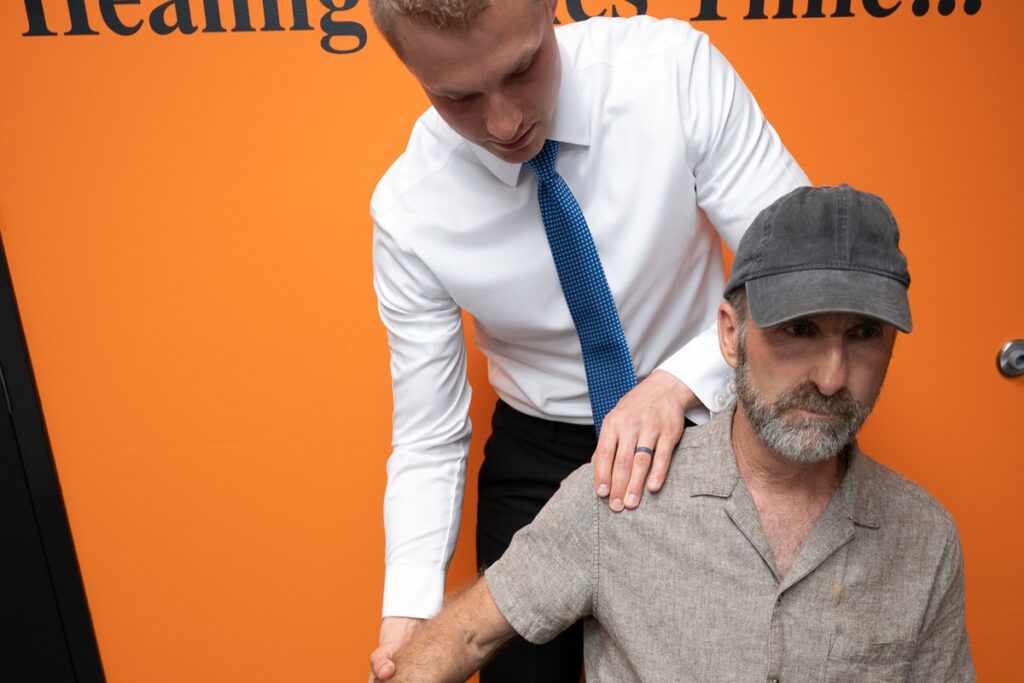
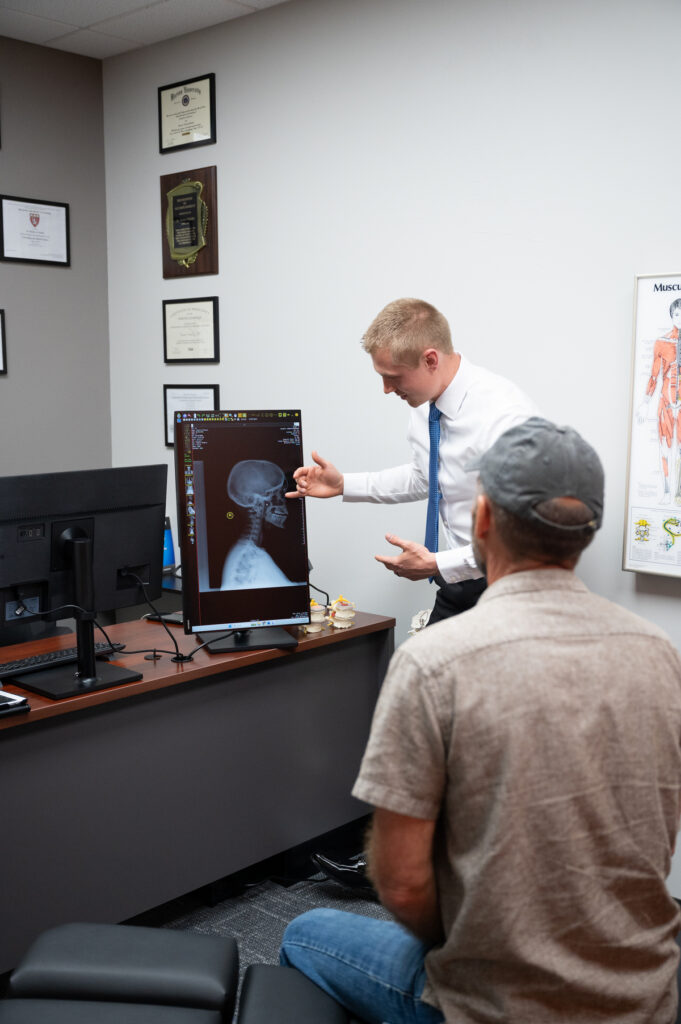
Chiropractic adjustments can be a game changer for those dealing with lower back pain. These hands-on techniques focus on realigning your spine and restoring proper function to your nervous system. When you visit a chiropractor, they'll assess your posture and movement patterns to identify misalignments that could be contributing to your discomfort.
During an adjustment, you'll typically lie on a padded table while the chiropractor uses their hands or specialized tools to apply controlled force to specific joints. This process can help relieve tension, reduce inflammation, and improve your range of motion. Many patients report immediate relief after just one session, but ongoing adjustments may be necessary to maintain ideal spinal health.
Incorporating chiropractic care into your wellness routine can't only alleviate lower back pain but also enhance overall physical well-being. It's important to discuss your symptoms and goals with your chiropractor, so they can tailor a treatment plan that's right for you.
Lifestyle Modifications
To manage lower back pain effectively, you should consider making some lifestyle modifications.
Creating an ergonomic workspace, establishing a regular exercise routine, and being mindful of your posture can make a significant difference.
These simple changes can help you feel better and prevent further discomfort.
Ergonomic Workspace Setup
Creating an ergonomic workspace is crucial for preventing and alleviating lower back pain, especially if you spend long hours sitting at a desk. A few simple adjustments can make a significant difference in your comfort and overall well-being.
Here are four key elements to reflect on:
- Chair Height: Your chair should allow your feet to rest flat on the floor, with your knees at or just below hip level. This promotes proper posture and reduces strain on your back.
- Desk Setup: Position your desk so that your elbows are at a 90-degree angle when typing. This helps keep your shoulders relaxed and minimizes tension in your lower back.
- Monitor Position: Your computer monitor should be at eye level, about an arm's length away. This avoids neck strain and encourages a natural alignment of your spine.
- Frequent Breaks: Set a timer to remind yourself to stand, stretch, and walk around every hour. Movement is essential for maintaining flexibility and reducing discomfort.
Regular Exercise Routine
An ergonomic workspace can only do so much; incorporating a regular exercise routine into your daily life is key for managing lower back pain. Engaging in consistent physical activity strengthens your core muscles, which play an essential role in supporting your spine. You don't have to hit the gym every day; even brisk walking, cycling, or swimming can make a significant difference.
Aim for at least 30 minutes of moderate exercise most days of the week. Start gradually if you're new to working out; consider breaking it into shorter sessions. Stretching is also vital—flexibility exercises can alleviate tension and improve your range of motion. Simple routines like cat-cow stretches or gentle yoga can help relieve stress on your lower back.
Incorporate strength training exercises targeting your back, abdomen, and hips. Exercises like planks, bridges, and bird-dogs not only strengthen these areas but also enhance overall stability.
Always listen to your body and avoid any movements that cause pain. With dedication to a regular exercise routine, you'll build resilience against lower back pain and improve your overall quality of life.
Mindful Posture Awareness
Being mindful of your posture throughout the day can greatly reduce lower back pain.
It's easy to overlook how you're sitting, standing, or even walking, but making small adjustments can have a significant impact on your well-being.
Here are four practical tips to help you maintain awareness of your posture:
- Sit Smart: Use a chair with proper lumbar support. Your feet should touch the ground, and your knees should be at or below hip level.
- Stand Tall: Distribute your weight evenly on both feet. Keep your shoulders back and your head aligned with your spine to avoid slumping.
- Move Mindfully: When lifting objects, bend at your knees and keep your back straight. Engage your core to protect your spine.
- Take Breaks: If you sit for long periods, stand up and stretch every 30 minutes. This helps to relieve tension and re-align your posture.
Conclusion
Incorporating these techniques into your daily routine can make a real difference in managing lower back pain. By focusing on stretching, strengthening, and improving your posture, you empower yourself to take control of your health. Don't forget to explore alternative therapies and make lifestyle modifications that promote overall well-being. Remember, consistency is key, so stay committed to these strategies, and you'll access the relief you deserve for a pain-free life.