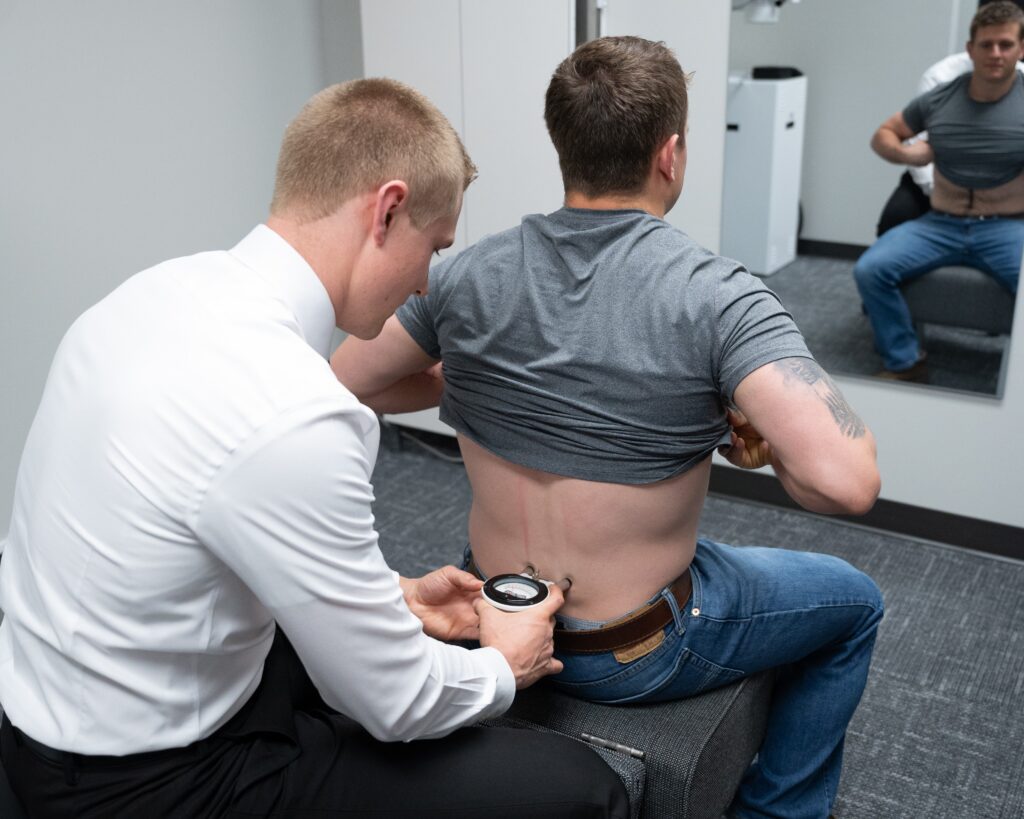

As a local chiropractor, I often see patients who experience that persistent back pain after an intense game or workout. It's a common issue, and understanding what causes this discomfort is vital to finding relief. It's not solely the strain from your physical activity; elements such as your posture, core strength, and even the type of shoes you wear can greatly impact your back health. Imagine being able to transform your approach to sports and exercise to prevent these problems from arising in the first place. By exploring effective strategies and considering natural healing methods, we can change not just how you play, but how you feel overall. Let's work together to unlock the secrets to a pain-free active lifestyle.
Common Causes of Back Pain
As a local chiropractor, I understand that experiencing back pain can be particularly frustrating, especially for those who lead active lifestyles or engage in sports. Many people may not realize that back pain often arises from common factors related to training and daily activities. Recognizing these causes is a crucial step in addressing and alleviating your discomfort naturally.
One prevalent cause of back pain is muscle strain. When you push your body beyond its limits during workouts or competitions, you can strain the muscles in your back. This often occurs when lifting heavy weights without proper technique or engaging in repetitive motions without sufficient rest. It's essential to listen to your body and understand when it signals the need for a break.
Improper technique is another significant contributor to back pain. Whether you're playing tennis or sprinting, using incorrect form can put undue stress on your back. I encourage you to seek guidance from a coach or trainer who can help you refine your technique, thus reducing your risk of injury.
Additionally, weak core muscles can lead to back pain. Your core acts as a support system for your spine; if it's weak, your back may have to overcompensate, leading to discomfort. Incorporating core-strengthening exercises into your routine can enhance stability and provide better support for your back.
Lastly, neglecting proper warm-ups and cool-downs can exacerbate back issues. These vital steps prepare your body for physical activity and aid in recovery afterward. I recommend prioritizing these practices to help prevent back pain and maintain optimal performance.
At my chiropractic practice, we focus on natural healing methods to restore balance and function to your body. If you're struggling with back pain, I urge you to reach out for a consultation so we can explore personalized treatment options to help you feel your best.
Importance of Proper Posture
As a local chiropractor, I want to emphasize the importance of proper posture for maintaining a healthy spine and preventing back pain, especially during sports activities.
Many people may not realize that the way we hold our bodies can directly impact our overall performance and well-being. By utilizing ergonomic equipment and focusing on strengthening your core muscles, you can significantly enhance your athletic performance while also providing essential support to your back.
Understanding how these elements work together is crucial for anyone looking to improve their athletic experience. Proper posture not only alleviates strain on your spine but also promotes better balance and coordination, which are vital for any sport.
As we explore these principles, I encourage you to consider how chiropractic care can help you achieve and maintain optimal posture for a healthier, more active lifestyle.
Correct Spine Alignment
As a local chiropractor, I want to emphasize the importance of maintaining correct spine alignment, especially for those of you who may not be familiar with chiropractic care. Proper alignment is crucial for everyone, particularly athletes, as it helps prevent back pain and enhances overall performance.
When your spine is aligned correctly, it distributes weight evenly across your body, reducing strain on your muscles and allowing for optimal movement. Many individuals may not realize that poor posture during daily activities, training, or competition can lead to misalignments, resulting in discomfort or even injury.
To achieve and maintain correct spine alignment, it's essential to focus on your posture both during physical activities and while at rest. When standing, try to keep your feet shoulder-width apart, distribute your weight evenly, and engage your core muscles.
If you're sitting, ensure that your back is straight and your shoulders are relaxed. This awareness of posture should carry over into your training sessions as well—whether you're lifting weights or going for a run, maintaining a neutral spine is vital.
Incorporating flexibility and strength exercises into your routine can also significantly benefit your spine health. Strengthening your core and back muscles provides support for your spine and helps maintain alignment.
Regular stretching is equally important as it keeps your muscles flexible and reduces tension that could lead to misalignment.
By prioritizing correct spine alignment, you aren't only working to prevent back pain but also setting yourself up for greater success in your athletic pursuits.
If you have any questions about how chiropractic care can support your spine health, please feel free to ask. Your well-being is our top priority!
Ergonomic Equipment Usage
As a local chiropractor, I want to emphasize the importance of ergonomic equipment in maintaining good posture and preventing back pain, particularly for those of you who lead active lifestyles or participate in sports.
Investing in the right ergonomic gear is a vital step towards achieving overall wellness, both in your daily activities and during athletic pursuits.
For example, if you find yourself sitting for extended periods while working or studying, an ergonomic chair is a worthwhile investment. These chairs are designed to promote an upright posture, which can significantly reduce strain on your back and help prevent discomfort.
Additionally, adjustable desks offer the flexibility to switch between sitting and standing, which can enhance circulation and alleviate the physical stress associated with prolonged sitting.
In the realm of sports, using ergonomic equipment such as properly fitted helmets and supportive footwear is crucial. These items are designed to help maintain proper posture during physical activities, thereby reducing the risk of unnecessary bending or twisting.
This allows you to concentrate fully on your performance without the distraction of pain.
By prioritizing ergonomic equipment, you're taking proactive steps to support your body's natural alignment and overall health, which is a key aspect of chiropractic care and natural healing.
I encourage you to explore these options and make informed choices that will benefit your well-being in the long run.
#
Strengthening Core Muscles
As a local chiropractor, I want to share how strengthening your core muscles can significantly improve your posture and enhance your overall athletic performance. Your core is fundamental for maintaining proper alignment and stability, which are crucial for how you engage in physical activities.
When you effectively strengthen your core muscles, they help support your spine and pelvis, which not only reduces your risk of injury but also improves your movement efficiency.
By enhancing your posture through core strengthening, you can achieve better balance and coordination. This means executing movements—whether running, jumping, or swinging a racket—with greater precision. Improved stability allows you to conserve energy, enabling you to perform at your highest level for extended periods.
Additionally, a strong core can alleviate back pain by distributing forces more evenly across your body. When you maintain proper posture, you reduce the strain on your muscles and joints, which can lead to fewer injuries in the future.
To effectively target your core, I recommend incorporating exercises such as planks, bridges, and twists into your routine.
Remember, the aim isn't merely to achieve an aesthetically pleasing physique; it's about building a solid foundation that supports your athletic pursuits and keeps you functioning at your best.
Prioritizing your core health will yield noticeable improvements in your overall well-being and performance.
Effective Stretching Techniques
As a local chiropractor, I want to emphasize the importance of effective stretching techniques in preventing back pain, especially for those engaged in sports.
Before any physical activity, it's crucial to incorporate dynamic warm-up stretches. These stretches help prepare your muscles and joints, reducing the risk of injury.
After your workout, don't skip the post-exercise flexibility routines; they're vital for recovery and can significantly enhance your overall performance.
By integrating these practices into your routine, you can't only keep your back pain-free but also promote better overall spinal health.
Dynamic Warm-Up Stretches
As a local chiropractor, I want to emphasize the importance of incorporating dynamic warm-up stretches into your routine, especially if you're active in sports or physical activities.
These stretches can significantly improve your performance and help prevent back pain by preparing your muscles and joints for the physical demands you'll encounter.
To start, consider leg swings. Stand next to a wall for balance, and swing one leg forward and backward. This movement helps increase your range of motion, and I recommend aiming for 10-15 swings on each leg.
Following that, try arm circles. Extend your arms out to the sides and begin with small circles, gradually making them larger. Spend about 30 seconds on this exercise, and then switch directions.
Next, incorporate torso twists. Stand with your feet shoulder-width apart, and rotate your upper body to the left and then to the right, keeping your hips stable. Aim for 10 twists on each side.
Finally, don't overlook high knees. Jog in place while lifting your knees toward your chest, maintaining a brisk pace for 30 seconds.
These dynamic stretches do more than just elevate your heart rate; they also activate your core and back muscles, preparing them for the activities ahead.
By making these warm-ups a consistent part of your routine, you're not only setting yourself up for improved performance but also reducing the likelihood of experiencing back pain.
I encourage you to incorporate these practices into your daily life for better overall health and well-being.
Post-Workout Flexibility Routines
As a chiropractor dedicated to promoting natural healing and overall wellness, I want to emphasize the importance of post-workout flexibility routines in your recovery process. After an intense workout, your body is in need of some care, and these routines are vital for easing muscle tension while enhancing your flexibility. This not only aids in recovery but also significantly reduces the risk of future injuries.
When incorporating flexibility exercises into your routine, focus on static stretching, holding each stretch for about 15 to 30 seconds. Let's start with your back. A simple yet effective stretch involves gently reaching for your toes, whether standing or seated, to help alleviate tension in your lower back and hamstrings.
Next, I recommend the figure-four stretch, which targets your glutes and hips. Lie on your back, cross one ankle over the opposite knee, and gently pull the uncrossed leg toward you. This stretch can be particularly beneficial for those who spend long hours sitting.
It's also essential to focus on your spine. The cat-cow stretch is a fantastic way to relieve tension and enhance spinal flexibility. While on all fours, alternate between arching and rounding your back, paying attention to your breath as you move.
Lastly, don't overlook the seated forward bend, which stretches both your spine and hamstrings. Deep, mindful breathing during these stretches can significantly enhance their effectiveness and promote relaxation.
By integrating these post-workout flexibility routines into your lifestyle, you're not only facilitating recovery but also enhancing your athletic performance and reducing the likelihood of back pain.
## Strengthening Core Muscles
As a local chiropractor, I want to emphasize the importance of strengthening your core muscles to prevent and alleviate sports-related back pain. Many people think of the core as just the six-pack abs, but it actually encompasses the muscles surrounding your pelvis, lower back, hips, and abdomen. A strong core is vital for stabilizing your entire body, providing a solid foundation for any physical activity, whether you enjoy running, cycling, or participating in team sports.
To effectively strengthen your core, it's important to focus on exercises that engage all these areas. One of the best exercises is the plank, which helps build endurance and stability. I recommend starting with a forearm plank, holding the position for 30-60 seconds. If you want to challenge yourself further, consider adding leg lifts or side planks to target your obliques.
Another excellent exercise is the bird-dog, which enhances balance and coordination. Begin on all fours, extend one arm and the opposite leg, hold for a few seconds, and then switch sides. This exercise not only strengthens your core but also promotes a healthy spine.
Incorporating dynamic movements like Russian twists or bicycle crunches into your routine can further improve your rotational strength. Aim to include these exercises a few times a week, and you'll notice significant improvements in your core strength.
As you work on strengthening your core, you may find that your posture improves and there's less strain on your back during sports activities. Consistency is crucial—by committing to these exercises, you're not just protecting your back, but also enhancing your overall athletic performance.
Role of Proper Footwear
As your local chiropractor, I want to emphasize the importance of choosing the right footwear for your overall health, especially when it comes to maintaining proper alignment during physical activities.
Wearing good shoes isn't just a matter of comfort; it plays a crucial role in providing the necessary cushioning and support your body needs. Proper footwear helps absorb impact and minimizes strain on your back, which can significantly reduce your risk of experiencing sports-related back pain.
By prioritizing the right shoes, you're taking a proactive step towards better spinal health and overall well-being.
Impact on Alignment
As a local chiropractor, I want to emphasize the crucial role that proper footwear plays in maintaining your body's alignment, especially during sports activities.
When you select the right shoes, you're not simply choosing a fashionable option; you're making a significant investment in your overall health and well-being. Wearing ill-fitting or inappropriate shoes can lead to misalignments that affect your entire kinetic chain, ultimately resulting in discomfort and issues like back pain.
Let me explain how proper footwear can positively impact your alignment:
- Arch Support: Shoes that provide adequate arch support help distribute your weight evenly across your feet. This not only enhances comfort but also prevents unnecessary strain on your back, which is vital for your spinal health.
- Heel Height: The right heel height ensures that your body maintains a natural posture. This can significantly reduce pressure on your spine, promoting better alignment and reducing the risk of back pain.
- Toe Box Space: A spacious toe box is essential as it allows your toes to move freely. This promotes better balance and stability, which is crucial for preventing injuries during physical activities.
- Stability Features: Shoes that are designed with stability features help control excessive foot movement. This can minimize the chances of misalignment, which can lead to discomfort not only in your feet but also in your back and joints.
- Material Flexibility: Shoes made from flexible materials can adapt to your foot's natural movements. This adaptability provides better alignment throughout your activities, contributing to your overall physical health.
Remember, the right footwear isn't just about comfort; it's about supporting your body in the best way possible.
Making informed choices about your shoes can have a lasting impact on your alignment and overall well-being. If you have questions about how your footwear may be affecting your health, feel free to reach out to me for guidance!
Cushioning and Support
As a local chiropractor, I want to emphasize how crucial cushioning and support in your footwear can be for your performance and comfort during sports.
If you're truly dedicated to your activity, you'll find that the right footwear plays a significant role in your overall well-being. Proper shoes aren't solely about aesthetics; they're vital for maintaining your body's alignment and minimizing the risk of injury.
Cushioning in your shoes serves to absorb shock, which reduces the stress on your back and joints as you run, jump, or pivot.
When you wear shoes that lack adequate support, your body may compensate by adopting poor posture, which can lead to discomfort and pain over time.
I encourage you to seek out shoes that are specifically designed for your sport. These types of footwear provide targeted support and cushioning where you need it most.
Arch support is especially important; it helps stabilize your feet and evenly distributes weight, which in turn minimizes unnecessary strain on your back.
Don't forget about the importance of replacing worn-out shoes. As time goes on, the cushioning diminishes, and the support they offer decreases, putting you at greater risk for discomfort and injuries.
Investing in the right footwear can significantly enhance your athletic performance while also protecting your back.
Benefits of Cross-Training
As a local chiropractor dedicated to your overall well-being, I want to share how cross-training can significantly benefit your athletic performance and help prevent back pain. By integrating various forms of exercise into your routine, you can create a more balanced body, enhancing both your strength and flexibility. This approach is especially important as it helps mitigate the risk of overuse injuries, which are common culprits behind back pain, allowing you to remain active and reach your peak performance.
Here are some of the key benefits of cross-training that I encourage my patients to consider:
- Improved Muscle Balance: Engaging in a variety of physical activities strengthens different muscle groups. This balance is crucial for preventing the imbalances that often lead to back pain and discomfort.
- Enhanced Flexibility: Many cross-training routines include stretching and mobility exercises, which are essential for improving flexibility. This can alleviate tension in your back and promote better posture.
- Reduced Risk of Injury: By varying your workouts, you minimize the risk of overworking specific muscles. This not only leads to fewer injuries but also reduces the strain on your back, a common concern among many of my patients.
- Increased Endurance: Incorporating diverse training methods can improve your cardiovascular fitness. A stronger cardiovascular system makes your body more resilient, allowing you to engage in strenuous activities without experiencing pain.
- Mental Refreshment: Changing up your exercise routine keeps it engaging and enjoyable. This can help you stay motivated and reduce mental fatigue, which in turn enhances your overall performance.
As a chiropractor, I often see firsthand the benefits of cross-training in my patients. It not only aids in avoiding back pain but also contributes to improved athletic performance and overall health.
I encourage you to mix up your exercise routine and experience these benefits for yourself!
Ice and Heat Therapy
As a local chiropractor, I want to emphasize the incredible benefits of ice and heat therapy for managing back pain and enhancing your recovery process. Many individuals, including athletes and those who lead active lifestyles, often overlook these simple yet effective methods that can significantly alleviate discomfort and promote healing after strenuous activity.
Ice therapy, also known as cryotherapy, is especially useful immediately following an injury or during flare-ups of back pain. By applying an ice pack to the affected area for 15 to 20 minutes, you can effectively reduce inflammation and numb the pain, providing you with much-needed relief.
It's important to wrap the ice pack in a cloth to protect your skin from frostbite, and you can repeat this process multiple times throughout the day, particularly within the first 48 hours post-injury.
Conversely, heat therapy is excellent for relaxing tight muscles and enhancing blood circulation. Using a warm compress or a heating pad for 15 to 20 minutes can help alleviate chronic pain and stiffness.
Just be sure the heat is warm—not hot—to prevent burns. Heat therapy is most effective when used before engaging in physical activity or when you're feeling particularly tense.
It's also beneficial to combine both ice and heat in your treatment plan. Start with ice to manage swelling, and then follow up with heat to relieve muscle tension.
Listening to your body is crucial; if one method isn't providing relief, don't hesitate to try the other. By incorporating these therapies into your routine, you can take significant strides in managing your back pain and enhancing your overall athletic performance.
If you have any questions or would like personalized guidance on how to implement these therapies safely and effectively, please feel free to reach out to my office. Your wellness journey is important to me!
When to Seek Professional Help
As a local chiropractor, I want to help you understand when it's crucial to seek professional help for your back pain. While some discomfort can be a normal part of staying active, recognizing the right time to consult a healthcare provider can significantly impact your recovery and overall health.
Ignoring persistent pain or symptoms that seem to worsen over time can lead to more serious issues in the future.
Here are some important signs that indicate it's time to reach out for chiropractic care:
- Severe Pain: If your back pain is intense and doesn't improve with rest or home remedies, it's essential to seek professional assistance. Chiropractic care can provide relief and address the underlying causes of your pain.
- Radiating Pain: Pain that travels down your legs or into your arms may be a sign of nerve involvement. This is a condition that can benefit from chiropractic adjustments to alleviate pressure and restore proper function.
- Mobility Issues: If you're struggling to move, bend, or carry out your daily activities, it's crucial to have a professional evaluation. Chiropractors are skilled at diagnosing mobility challenges and developing treatment plans to enhance your flexibility and strength.
- Numbness or Tingling: Experiencing sensations like numbness, tingling, or weakness in your legs or feet can indicate a more serious concern that needs timely attention. Chiropractic care can help identify the root cause and provide solutions to restore normal sensation.
- Persistent Symptoms: If your discomfort lasts for weeks without improvement or tends to recur, don't wait to consult a specialist. Early intervention through chiropractic care can help prevent further complications and set you on the path to wellness.
Remember, your health should always be your top priority. By seeking chiropractic help when necessary, you can receive a proper diagnosis and a personalized treatment plan that will enable you to return to your sport safely and effectively.
Natural healing methods can be incredibly effective, and I'm here to guide you on your journey to better health!
Long-Term Prevention Strategies
As a local chiropractor, I want to help you understand how to protect your back from injury over the long term. One of the most effective strategies is to maintain a strong core. Strengthening your core muscles stabilizes your spine and helps distribute physical stress more evenly across your body. I recommend incorporating exercises like planks, bridges, and twists into your routine to build strength in your abdominal and back muscles.
Another key aspect to consider is proper stretching techniques. Regularly stretching your back, hips, and legs is vital for enhancing flexibility and reducing the risk of injury. I suggest including dynamic stretches before your workouts to prepare your muscles and static stretches afterward to keep them limber.
It's also important to pay attention to your posture, whether you're engaged in sports or simply going about your daily activities. Maintaining good posture while lifting weights or sitting at a desk can significantly decrease the strain on your back. If you find yourself working long hours at a desk, consider investing in ergonomic furniture that supports proper alignment.
Don't underestimate the impact of your footwear, either. Supportive shoes play a crucial role in how your body absorbs impact during physical activity. Look for footwear that provides adequate arch support and cushioning, especially if you participate in high-impact sports.
Lastly, one of the most important pieces of advice I can offer is to listen to your body. If you experience discomfort or fatigue in your back, it's essential not to push through it. Taking rest days and allowing your body to recover is vital for long-term health.
Mindfulness and Mental Health
As a local chiropractor, I want to emphasize the importance of not only maintaining a strong core and practicing good posture for your physical health, but also prioritizing your mental well-being.
Mental health plays a crucial role in preventing sports-related back pain. When you cultivate mindfulness regarding your thoughts and feelings, you can effectively reduce stress, which often presents itself as tension in your back.
Incorporating mindfulness techniques into your daily routine can significantly improve your mental health and physical resilience. Here are some strategies I recommend to enhance your mindfulness and overall well-being:
- Meditation: Dedicate a few minutes each day to focus on your breath. This simple practice can help calm your mind and reduce anxiety.
- Yoga: Engaging in yoga poses not only promotes flexibility and strengthens your core but also encourages relaxation, which can alleviate tension in your back.
- Progressive Muscle Relaxation: This technique involves tensing and then relaxing different muscle groups in your body. It's effective for releasing built-up tension and promoting relaxation.
- Journaling: Writing about your feelings and experiences can help you process stress and identify potential triggers that may contribute to discomfort.
- Mindful Breathing: During workouts or throughout your day, practice taking deep, intentional breaths. This can help maintain focus and reduce anxiety, promoting a sense of calm.
These practices not only foster a positive mindset but also enhance your body awareness.
By understanding how your emotions impact your physical state, you can take proactive steps to alleviate discomfort.
Remember, addressing your mental health is just as vital as any physical training regimen. I encourage you to embrace these techniques for relief from back pain and to enhance your overall well-being.
If you have any questions about how chiropractic care can support your journey to better health, I'm here to help!
Conclusion
As a local chiropractor, I want to share some valuable insights into managing and preventing sports-related back pain. Understanding the common causes of back pain is the first step toward relief and improved athletic performance.
One key aspect to focus on is your posture. Whether you're on the field or at the gym, maintaining proper alignment is crucial. Strengthening your core muscles can provide the support your spine needs during physical activities. Additionally, incorporating regular stretching into your routine can enhance flexibility and reduce the risk of injury.
It's also important to consider your footwear. Wearing shoes that offer proper support can make a significant difference in how your back feels during and after exercise.
Don't overlook the benefits of ice and heat therapy. These simple treatments can help alleviate pain and inflammation, making it easier for you to stay active.
If you find that your pain persists, I encourage you to reach out for professional help. Chiropractic care offers a natural approach to healing and can help restore balance to your body. By adopting these practices, not only can you prevent future pain, but you can also keep your back healthy and ready to take on any challenge. Let's work together to ensure your body is in optimal shape for your favorite activities!