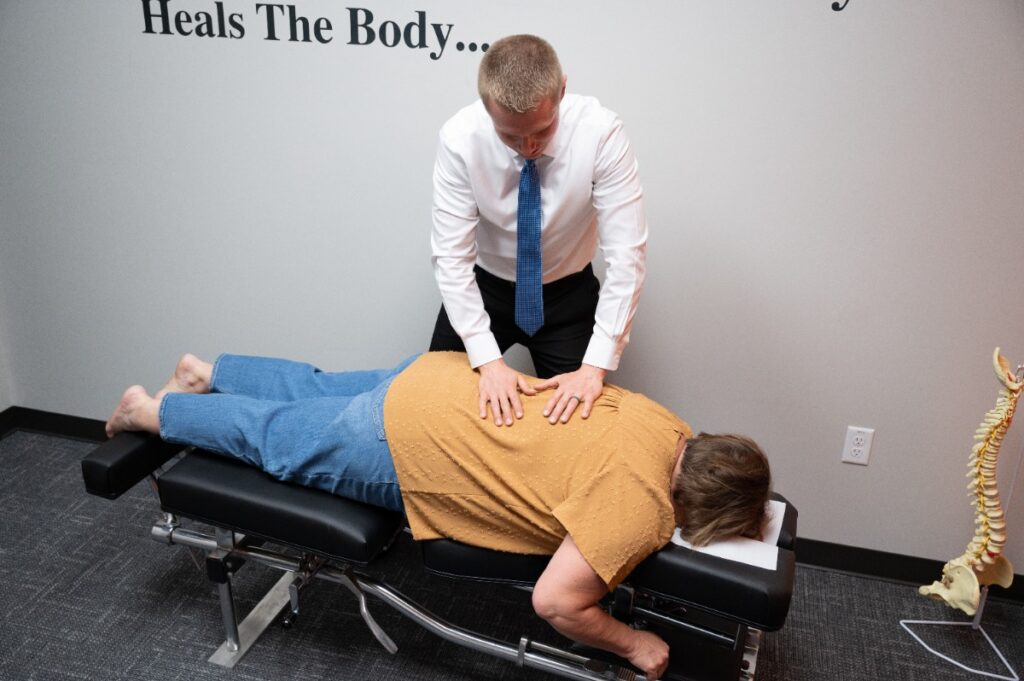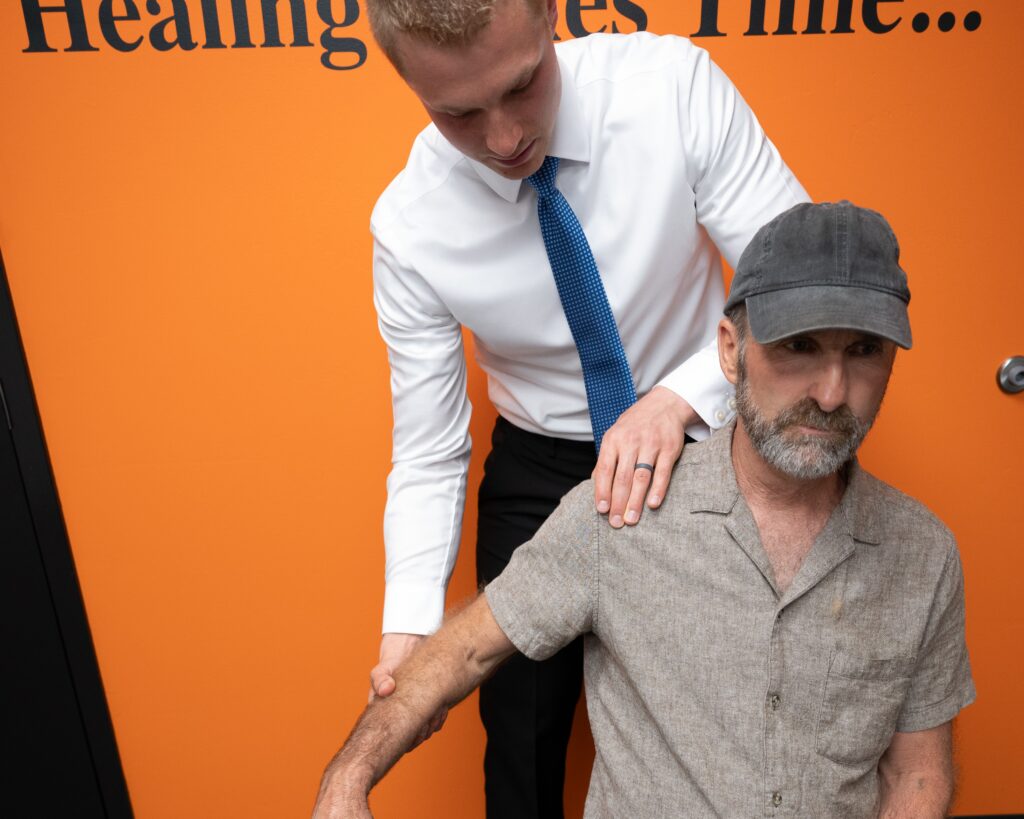

You might not realize how routine care can be the key to releasing greater mobility in your life. Regular check-ups and tailored physical therapy can help catch potential issues early, allowing you to maintain your independence and overall well-being. By incorporating simple practices like strength training and stretching into your daily routine, you can enhance your flexibility and stability. But what if you could take this a step further and truly transform your mobility? The approach you take could make all the difference.
Importance of Routine Care
When it comes to maintaining your mobility, routine care plays an important role. Regular check-ups and assessments help identify potential issues before they escalate into more significant problems. By staying on top of your health, you can guarantee that your body remains in peak condition, allowing you to move freely and comfortably.
Incorporating routine care into your lifestyle means prioritizing preventive measures. This includes scheduling appointments with your healthcare provider, engaging in physical therapy, and following a structured exercise regimen tailored to your needs.
Regular evaluations allow you to track changes in your body and address any concerns promptly. The earlier you catch an issue, the easier it's to manage.
Moreover, routine care can enhance your understanding of your body's unique requirements. You'll learn about the best practices for maintaining strength and flexibility, which are vital for avoiding injuries.
Additionally, staying informed about your overall health enables you to make better choices regarding nutrition, physical activity, and daily habits.
Don't underestimate the value of routine care in your life. By committing to this proactive approach, you empower yourself to maintain greater mobility and independence.
You'll find that investing time in your health today leads to more freedom in the long run. So, take charge of your mobility journey and make routine care a priority. Your body will thank you for it!
Benefits of Regular Check-Ups
Regular check-ups are essential for maintaining your overall health and mobility. They provide an opportunity for you to discuss any concerns with your healthcare provider, ensuring that any potential issues are caught early. This proactive approach can prevent minor problems from escalating into serious conditions, ultimately saving you time, money, and stress in the long run.
One of the key benefits of regular check-ups is that they help you stay informed about your health status. You'll receive important screenings and assessments that can identify risk factors or early signs of disease. By knowing your numbers—like blood pressure, cholesterol, and blood sugar levels—you can take charge of your health and make informed decisions about your lifestyle.
Additionally, regular visits to your doctor can enhance your mobility. Your provider can assess your physical function and offer tailored advice to keep you moving at your best. They might suggest exercises or lifestyle changes that can improve your strength, flexibility, and overall physical wellbeing.
Another benefit is the relationship you build with your healthcare team. Familiarity fosters open communication, making it easier for you to express concerns and seek guidance. This rapport encourages a supportive environment where you feel comfortable discussing your health journey.
Role of Physical Therapy
Physical therapy plays an essential role in enhancing your muscle strength and improving joint flexibility.
Through targeted exercises and personalized treatment plans, you can regain mobility and reduce discomfort.
Enhancing Muscle Strength
To enhance muscle strength effectively, incorporating physical therapy into your routine can make a significant difference. A skilled physical therapist will assess your unique needs and help you develop a personalized plan that targets your specific goals. This not only builds strength but also prevents future injuries.
Here are some key benefits of physical therapy for muscle strength:
- Tailored Exercise Programs: You'll receive customized workouts that focus on your weak areas, ensuring ideal progress.
- Proper Techniques: A therapist will teach you the correct form, reducing the risk of injury and maximizing effectiveness.
- Progress Tracking: Regular assessments help monitor your improvements and adjust your program as needed.
- Motivation and Support: Having a professional guide encourages you to stay committed and accountable.
Incorporating these elements into your routine will lead to better outcomes.
Improving Joint Flexibility
Building on the foundation of enhanced muscle strength, improving joint flexibility plays an essential role in overall mobility. When you engage in physical therapy, you'll discover tailored stretches and exercises designed to increase your joint range of motion. This flexibility isn't just about bending and reaching; it's about ensuring your joints function efficiently.
Physical therapists will assess your current flexibility and identify any restrictions. They'll guide you through activities that promote gradual improvement, preventing stiffness and discomfort. You'll learn to incorporate dynamic stretching into your routine, which prepares your joints for movement and reduces the risk of injury.
Incorporating flexibility work into your regimen enhances your ability to perform daily tasks, from lifting objects to enjoying recreational activities.
Stretching for Enhanced Mobility
Regularly incorporating stretching into your routine can greatly enhance your mobility.
It's an essential practice that helps maintain muscle flexibility, improve range of motion, and reduce the risk of injuries. By dedicating just a few minutes each day to stretching, you'll notice significant improvements in how your body feels and moves.
To get you started, here are four effective stretches to include in your routine:
- Hamstring Stretch: Sit on the ground with one leg extended and the other bent. Reach towards your toes on the extended leg to feel a gentle pull along the back of your thigh.
- Quadriceps Stretch: Stand on one leg, grab your opposite ankle, and gently pull it towards your glutes. Keep your knees close together for ideal stretch in the front of your thigh.
- Shoulder Stretch: Bring one arm across your body at shoulder height. Use your other arm to gently pull it closer, feeling the stretch in your shoulder and upper back.
- Hip Flexor Stretch: Kneel on one knee while pushing your hips forward. This opens up your hips and alleviates tightness from sitting.
Incorporating these stretches into your daily routine can make a world of difference.
Whether you're looking to improve athletic performance or simply move more freely in daily life, stretching is a key component.
Remember to listen to your body and never push beyond your comfort zone. Your mobility journey starts with a commitment to stretch!
Strength Training Essentials
While stretching lays a solid foundation for improved mobility, strength training takes it a step further by enhancing muscle stability and power. By incorporating strength training into your routine, you're not just building muscles; you're also improving your overall functional capacity, which can lead to better mobility in your daily life.
Start with compound exercises like squats, deadlifts, and bench presses. These moves engage multiple muscle groups, promoting coordination and stability. Aim for two to three strength training sessions per week, allowing at least 48 hours of recovery between sessions targeting the same muscle groups.
Focus on proper form to prevent injuries. It's better to lift lighter weights with correct technique than to push heavy weights and risk harm. As you progress, gradually increase the resistance to continually challenge your muscles. Incorporate bodyweight exercises, resistance bands, or free weights into your regimen for variety and to keep your workouts engaging.
Don't forget about your core! A strong core supports your spine and improves balance, which is essential for mobility. Include exercises like planks, bridges, and Russian twists to build core strength.
Lastly, listen to your body. If something doesn't feel right, don't hesitate to adjust your routine or consult a fitness professional.
With consistent strength training, you'll not only enhance your mobility but also boost your overall strength and confidence in movement. Embrace the challenge and enjoy the benefits of a stronger, more mobile you!
Nutrition's Impact on Mobility
Many people don't realize that nutrition plays an essential role in mobility. The food you consume directly affects your strength, energy levels, and overall physical performance. When you fuel your body with the right nutrients, you not only support your muscles and joints but also enhance your ability to move freely.
Here are some key nutritional components that can boost your mobility:
- Protein: Important for muscle repair and growth. Including lean meats, beans, and dairy can help you maintain muscle mass, which is critical for mobility.
- Healthy Fats: Omega-3 fatty acids found in fish, nuts, and seeds can reduce inflammation and support joint health, allowing you to move more comfortably.
- Carbohydrates: They provide the energy you need for daily activities. Opt for whole grains, fruits, and vegetables to fuel your body properly.
- Hydration: Staying hydrated is essential for joint lubrication and overall bodily functions. Aim for sufficient water intake throughout the day.
Incorporating these elements into your diet can greatly impact how well you move. If you find yourself lacking energy or experiencing discomfort during physical activities, take a look at your nutrition.
Making small adjustments can lead to noticeable improvements in your mobility. Remember, what you eat today can affect how you feel tomorrow. Prioritizing nutrition isn't just about feeling good; it's about moving freely and confidently in your everyday life.
Mindfulness and Mental Health
Mindfulness is your mental compass, guiding you through the chaos of daily life and enhancing your overall mental health. By practicing mindfulness, you become more aware of your thoughts, feelings, and bodily sensations, allowing you to respond to stressors with greater clarity and calmness. This awareness helps you break free from the autopilot mode many of us find ourselves in, fostering a deeper connection with the present moment.
Incorporating mindfulness into your routine can improve your emotional resilience. When you take a few moments each day to focus on your breath or engage in mindful meditation, you create space for yourself to process emotions without feeling overwhelmed. This practice enables you to recognize negative thought patterns and shift them into more constructive ones, ultimately reducing anxiety and depression.
Moreover, mindfulness encourages self-compassion, allowing you to treat yourself with kindness during tough times. You learn to accept imperfections and acknowledge that struggling is part of being human. This shift in perspective not only enhances your mental health but also boosts your motivation to maintain an active lifestyle, which is vital for mobility.
As you cultivate mindfulness, you'll notice an increase in your ability to manage stress and navigate challenges with a clear mind. This mental clarity translates into improved decision-making and a stronger overall sense of well-being.
Preventative Strategies to Implement
To enhance your mobility, you should consider implementing a few key preventative strategies.
Regular stretching exercises, a balanced nutritional intake, and consistent physical activity can make a significant difference.
Regular Stretching Exercises
Incorporating regular stretching exercises into your routine can greatly enhance your mobility and overall physical health.
These simple yet effective moves help maintain flexibility, improve circulation, and reduce the risk of injuries. Plus, stretching can be easily integrated into your daily life, whether at home, in the office, or at the gym.
Here are some key benefits of regular stretching:
- Increased Flexibility: Enhances your range of motion, making daily tasks easier.
- Improved Posture: Helps align your body, reducing strain on your muscles and joints.
- Stress Relief: Eases tension in your body and promotes relaxation.
- Enhanced Performance: Prepares your muscles for activity, boosting your overall physical performance.
To get started, set aside just a few minutes each day for stretching. Focus on major muscle groups, like your hamstrings, quadriceps, shoulders, and back.
Remember to hold each stretch for 15-30 seconds and breathe deeply throughout. By committing to this simple practice, you'll not only improve your mobility but also foster a healthier, more active lifestyle.
Balanced Nutritional Intake
Maintaining a balanced nutritional intake is essential for supporting your mobility and overall well-being. Your body needs a variety of nutrients to function effectively, so focus on incorporating a mix of carbohydrates, proteins, healthy fats, vitamins, and minerals into your daily meals.
Start by filling your plate with colorful fruits and vegetables; they're packed with antioxidants that help combat inflammation and support joint health.
Don't forget about whole grains like brown rice and quinoa, which provide energy for your daily activities. Lean proteins, found in sources like chicken, fish, beans, and nuts, are critical for muscle repair and maintenance.
Healthy fats, such as those in avocados and olive oil, play an important role in reducing inflammation and promoting heart health.
Stay hydrated, too! Drinking enough water is key to maintaining joint lubrication and overall bodily functions.
Consider limiting processed foods and excessive sugars, as they can contribute to inflammation and weight gain, negatively impacting your mobility.
Consistent Physical Activity
Your body thrives on movement, and consistent physical activity is essential for maintaining mobility and preventing injuries. Incorporating regular exercise into your routine can keep your muscles strong, improve flexibility, and enhance overall coordination.
It's not just about hitting the gym; it's about finding enjoyable ways to stay active every day.
Consider these simple strategies to boost your physical activity:
- Walk or bike instead of driving for short trips—it's eco-friendly and great for your joints.
- Join a class—yoga, dance, or martial arts can make exercise fun and social.
- Set a timer to remind yourself to take breaks and stretch during long periods of sitting.
- Incorporate strength training at least twice a week to build muscle and support your joints.
Making these adjustments isn't just about fitness; it's about enhancing your quality of life. The more you move, the better your body functions.
Monitoring Progress and Adjustments
Monitoring progress and making necessary adjustments are essential for achieving greater mobility in any initiative. You can't expect improvement without tracking your efforts and outcomes. Start by setting clear, measurable goals that reflect your mobility aspirations. Whether it's walking a specific distance or performing a certain number of exercises, having concrete targets will help you gauge your progress effectively.
As you engage in your routine, regularly assess how you're feeling. Are you experiencing any discomfort or fatigue? It's vital to listen to your body. If something isn't working or feels off, don't hesitate to adjust your approach. Maybe you need to modify your exercises, increase rest days, or change your intensity levels. Staying flexible in your regimen allows you to adapt to how your body responds over time.
Consider keeping a journal or using an app to track your workouts and feelings. Documenting your progress not only helps you see how far you've come but also provides valuable insights into what's effective and what isn't. If you notice patterns—like particular exercises that yield better results—capitalize on that information.
Finally, don't shy away from seeking feedback. Whether it's from a trainer, a physical therapist, or even friends, getting an outside perspective can provide motivation and help you identify areas for improvement.
Building a Sustainable Routine
Creating a sustainable routine is essential to achieving lasting mobility improvements. It's not just about short bursts of effort; it's about making consistent, manageable changes that fit seamlessly into your life.
To build this routine, you'll want to focus on a few fundamental elements that support your mobility goals.
Start by identifying specific activities that enhance your mobility. Consider incorporating:
- Daily Stretching: Spend a few minutes each day stretching to enhance flexibility and reduce stiffness.
- Strength Training: Integrate light weights or bodyweight exercises to build muscle strength, which is critical for mobility.
- Cardiovascular Activities: Aim for regular walking, cycling, or swimming to improve endurance and overall fitness.
- Mindfulness Practices: Engage in activities like yoga or tai chi, which not only promote movement but also enhance balance and coordination.
Next, set realistic goals. You don't have to do everything at once. Start small, gradually increasing the intensity and duration of your activities as your body adjusts.
It's essential to listen to your body and adapt your routine as needed.
Lastly, track your progress. Use a journal or an app to note your activities and celebrate small wins along the way. This will keep you motivated and accountable.
Conclusion
By prioritizing routine care, you can access greater mobility and enhance your quality of life. Regular check-ups and physical therapy keep you proactive about your health, while strength training and stretching improve your physical stability. Don't forget the importance of mindfulness for your mental well-being. By implementing these strategies and monitoring your progress, you're not just maintaining your mobility; you're building a sustainable routine that supports your independence and overall health for years to come.