
You might not realize how closely your physical environment and emotional state are intertwined. Small adjustments—like rearranging your workspace or tweaking the lighting—can markedly impact your anxiety levels. Moreover, chiropractic care addresses physical discomfort that often fuels stress. Have you considered how integrating mindfulness practices can additionally enhance your emotional resilience? As you explore these connections, you may find that the path to calm is more accessible than you thought. What unexpected changes could lead you to a more tranquil mindset?
Understanding Anxiety and Its Impact
Anxiety can creep into your life unexpectedly, affecting everything from your daily routines to your relationships. You might find yourself feeling overwhelmed by everyday tasks, struggling to focus, or feeling restless. This emotional state often manifests physically, leading to symptoms like a racing heart, sweating, or difficulty sleeping.
It's important to recognize how anxiety impacts your life, as awareness is the first step towards managing it effectively.
When anxiety takes hold, it can distort your perception of reality. You may start to anticipate worst-case scenarios or feel trapped by your thoughts. This constant cycle of worry can hinder your productivity and make social interactions seem intimidating.
You might avoid situations that trigger your anxiety, isolating yourself from friends and family, which only exacerbates the feeling of loneliness.
Understanding anxiety also means recognizing that it's a common experience. You're not alone in facing these challenges, and many others share similar struggles.
This realization can offer some comfort, as it shows that seeking help isn't a sign of weakness but rather a proactive step towards regaining control over your life.
The Role of Physical Adjustments
Making physical adjustments to your environment can markedly alleviate the symptoms of anxiety. You mightn't realize just how much your surroundings affect your mental well-being. By making small, intentional changes, you create a space that promotes calmness and reduces stressors.
Start by decluttering your living area. A clean, organized space can help clear your mind, making it easier to focus and breathe. Remove items that remind you of stress or negativity. Instead, surround yourself with objects that bring you joy and comfort, like plants or family photos.
Next, consider the lighting in your space. Natural light can notably enhance your mood, so open those curtains and let the sun in! If natural light isn't an option, invest in warm, soft lighting to create a cozy atmosphere. Harsh, bright lights can heighten anxiety, so opt for adjustable lamps or dimmers whenever possible.
Another adjustment involves your furniture layout. Make sure your seating arrangements encourage relaxation. Position your chairs and sofas for comfort and openness, creating an inviting space where you can unwind.
Don't forget about sounds, too. Background noise can either soothe or irritate you. Consider incorporating calming music or nature sounds into your environment to mask distressing noises.
Lastly, maintain a comfortable temperature. A room that's too hot or too cold can hinder your ability to relax. By making these physical adjustments, you're not just changing your environment; you're actively creating a sanctuary that nurtures your mental health.
Benefits of Chiropractic Care
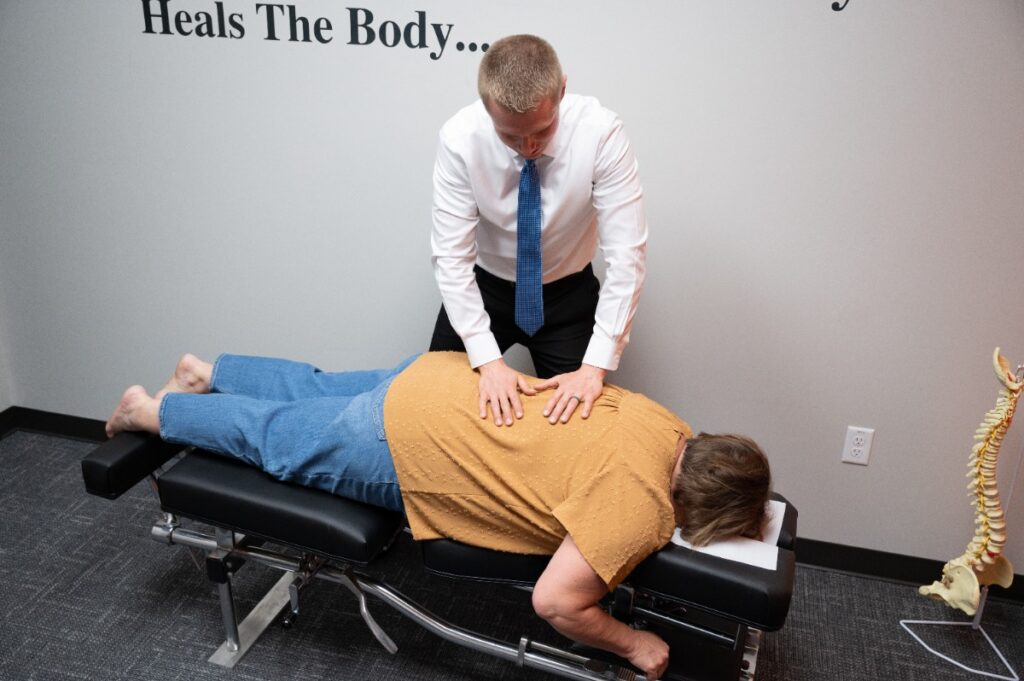
Many people find that chiropractic care offers significant benefits for both physical and mental health. When you visit a chiropractor, you're not just addressing back pain or discomfort; you're investing in your overall well-being. One of the primary benefits you'll experience is pain relief. Adjustments can alleviate tension and reduce pain in your spine, neck, and joints, helping you move more freely and comfortably.
In addition to physical relief, chiropractic care can also enhance your mental health. By reducing physical discomfort, you're likely to experience less stress and anxiety. When your body feels good, your mind often follows suit. Regular adjustments can improve your sleep quality, making it easier for you to recharge and face daily challenges with a clearer mind.
Moreover, chiropractic care promotes better posture and spinal alignment. Good posture not only helps you physically but can also boost your confidence and mood. When you stand tall and align your spine, you might find that you feel more empowered and less anxious in social situations.
Another important benefit is the holistic approach chiropractic care takes. Your chiropractor will consider your lifestyle, nutrition, and stress levels, providing guidance that goes beyond mere adjustments. This thorough care can help you develop healthier habits, contributing to long-term anxiety reduction.
Mindfulness Practices for Calm
Practicing mindfulness can be a powerful tool for cultivating calm in your daily life. By focusing your attention on the present moment, you can reduce anxiety and enhance your overall well-being. Start with simple techniques that you can easily incorporate into your routine.
One effective method is mindful breathing. Take a few moments each day to sit quietly and concentrate on your breath. Inhale deeply through your nose, hold for a moment, then exhale slowly through your mouth. This practice grounds you and can create a sense of peace, even amidst chaos.
Another technique is body scan meditation. Lie down comfortably and mentally check in with each part of your body, from your toes to your head. Notice any tension or discomfort without judgment, allowing yourself to release it. This practice helps you reconnect with your body and promotes relaxation.
You can also practice mindfulness during everyday activities. When eating, savor each bite and pay close attention to the flavors and textures. This not only enhances your experience but also encourages you to remain present.
Incorporating gratitude into your mindfulness practice can further enhance your sense of calm. Each day, jot down three things you're grateful for. This simple act shifts your focus away from anxiety and cultivates a positive mindset.
Integrating Adjustments Into Daily Life
Integrating adjustments into your daily life can greatly enhance your ability to manage anxiety and improve your overall well-being. Start by identifying small changes that resonate with your lifestyle. This could be as simple as setting aside ten minutes each morning for deep breathing or introducing a gratitude journal to shift your focus toward positivity.
Next, establish a routine that incorporates these adjustments. Consistency is key. Set reminders on your phone or use sticky notes in visible places to keep you accountable. For instance, if you decide to practice mindfulness, schedule it just like any other important appointment.
Additionally, find a supportive community. Share your adjustments with friends or join a group that fosters similar goals. This creates a network of encouragement and accountability, making it easier to stick with your adjustments.
Don't forget to reflect regularly on your progress. Take a moment each week to evaluate what's working and what isn't. This reflection allows you to fine-tune your approach, ensuring it remains relevant to your needs.
Lastly, be patient with yourself. Integrating adjustments is a journey, not a race. Celebrate your small wins along the way. Remember, every step you take, no matter how small, contributes to a more balanced, anxiety-free life.
Conclusion
Releasing calm is all about making simple adjustments in your life. By decluttering your space, optimizing your surroundings, and incorporating chiropractic care, you can alleviate physical discomfort and reduce anxiety. Don't forget the power of mindfulness practices like deep breathing and gratitude journaling to enhance your emotional well-being. By integrating these strategies into your daily routine, you can cultivate a balanced, peaceful state of mind, ultimately improving your overall quality of life. Embrace these changes today!