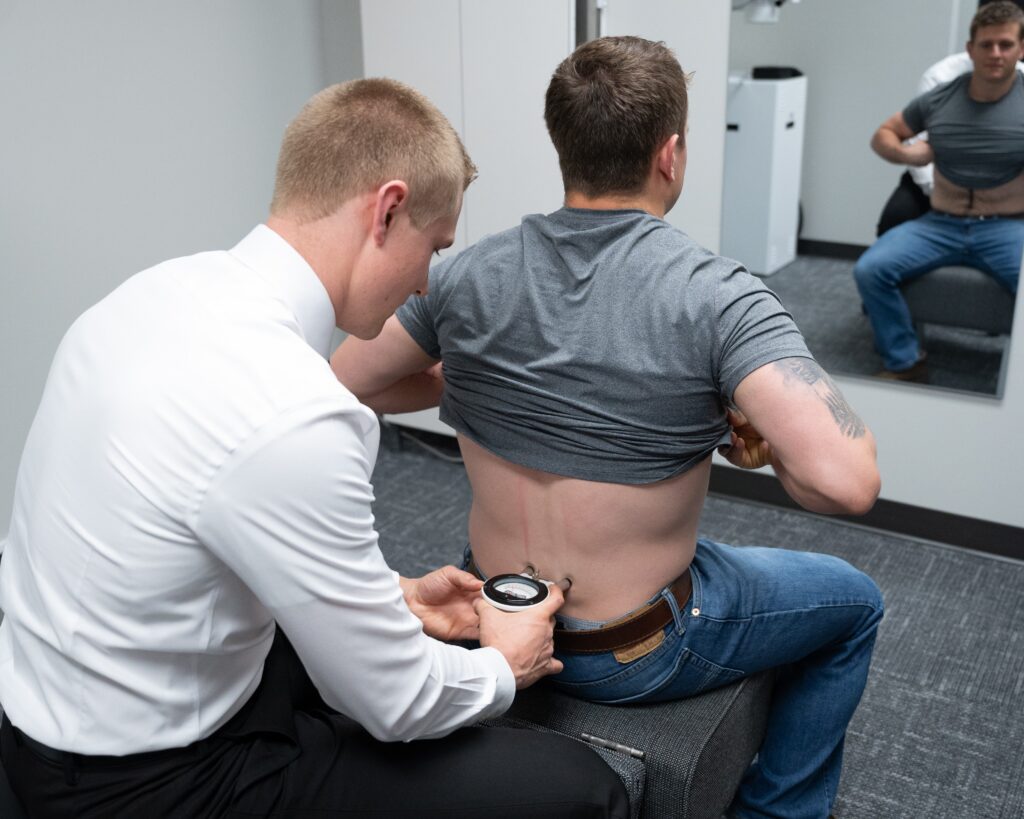

If you're struggling with neck pain, you might be surprised to learn that surgery isn't your only option. Various non-surgical treatments can effectively alleviate discomfort and improve your quality of life. From physical therapy and chiropractic care to simple lifestyle adjustments, there are practical solutions tailored to your needs. You may find that incorporating specific exercises and therapies can lead to significant relief. But what if you could access even more effective strategies? Exploring these alternatives could change your approach to neck health entirely.
Understanding Neck Pain
Neck pain is a common issue that many people experience at some point in their lives. You might notice this discomfort after a long day of work, particularly if you spend hours hunched over a computer. It can stem from various causes, including poor posture, muscle strain, or even stress. Understanding what triggers your neck pain is vital in finding effective relief.
When you think about your daily habits, consider how often you're looking down at your phone or sleeping on an unsupportive pillow. These seemingly minor factors can lead to significant pain over time.
Often, neck pain can be categorized into acute or chronic. Acute pain usually arises suddenly and may last a few days, while chronic pain persists for months or longer.
You may also experience additional symptoms, like stiffness or headaches, which can exacerbate your discomfort. It's important to pay attention to these signs and identify patterns in your daily activities that might contribute to your pain.
Self-awareness plays a key role in understanding neck pain. By noting when you feel discomfort or tightness, you can start to pinpoint the underlying causes.
You might also want to assess your workspace ergonomics or evaluate your sleeping position. Recognizing these aspects is the first step toward alleviating your neck pain and improving your overall quality of life.
Benefits of Non-Surgical Treatments
Finding relief from neck pain doesn't always require surgery; in fact, many effective non-surgical treatments can greatly improve your condition.
These treatments often provide significant benefits, making them a preferred choice for many people dealing with neck discomfort.
Here are three key advantages of non-surgical options:
1. Reduced Risk: Non-surgical treatments typically come with fewer risks compared to surgical procedures.
You won't have to worry about complications that can arise from anesthesia or infections, making these options safer for most individuals.
2. Cost-Effective: Surgery can be expensive, not just regarding the procedure itself but also for the recovery period.
Non-surgical treatments, such as physical therapy or chiropractic care, often cost less and may be covered by insurance, making them a more budget-friendly option.
3. Immediate Relief: Many non-surgical treatments can provide immediate relief from pain and discomfort.
For example, therapies like massage or acupuncture can help alleviate tension right away, allowing you to return to daily activities sooner without the lengthy recovery associated with surgery.
Stretching Exercises for Relief
If you're struggling with neck pain, effective stretching exercises can make a real difference.
Incorporating a daily stretching routine not only helps relieve tension but also improves flexibility.
Let's explore some simple yet powerful neck stretches you can easily add to your day.
Effective Neck Stretches
To alleviate neck pain effectively, incorporating targeted stretches into your routine can make a significant difference.
These stretches not only help relieve tension but also improve flexibility and mobility. Here are three effective neck stretches you can try:
- Neck Tilt: Sit or stand comfortably. Slowly tilt your head toward one shoulder until you feel a gentle stretch on the opposite side. Hold for 15-30 seconds, then switch sides.
- Chin Tucks: While standing or sitting, gently tuck your chin toward your chest. Imagine creating a double chin, but don't force it. Hold this position for 5 seconds and repeat 10 times.
- Shoulder Shrugs: Raise your shoulders toward your ears as you inhale, then relax them down as you exhale. Repeat this movement 10 times to release tension in the neck and shoulders.
Incorporating these stretches into your day can help ease discomfort and improve your overall neck health.
Remember to listen to your body and avoid pushing yourself too hard. Consistency is key, so try to stretch regularly for maximum relief.
Daily Stretching Routine
Incorporating a daily stretching routine can greatly enhance your neck health and alleviate pain. Start with gentle neck tilts. While standing or sitting, slowly tilt your head to one side, bringing your ear toward your shoulder. Hold for 15-30 seconds, then switch sides. This helps to release tension in the muscles.
Next, try some neck rotations. Turn your head to the right, bringing your chin over your shoulder. Hold for a few seconds before returning to center and repeating on the left side. This exercise increases flexibility and range of motion.
Don't forget about shoulder shrugs! Lift your shoulders toward your ears and hold for a few seconds, then release. Repeat this 10 times to ease tightness in the upper back and neck.
Finally, consider performing some chin tucks. Sit up straight and gently pull your chin back, creating a double chin effect. Hold for a few seconds and repeat 10 times. This strengthens the neck muscles and promotes proper posture.
Aim to dedicate 5-10 minutes each day to these stretches, and you'll likely notice significant improvements in your neck pain and overall comfort.
Strengthening Your Neck Muscles
Strengthening your neck muscles is essential for alleviating pain and improving overall stability. A strong neck not only supports your head but also plays a vital role in maintaining proper posture and reducing the risk of injury.
By incorporating specific exercises into your routine, you can build strength and enhance flexibility, leading to a healthier neck.
Here are three effective exercises to strengthen your neck muscles:
- Chin Tucks: Sit or stand with your back straight. Gently tuck your chin toward your chest, feeling the stretch along the back of your neck. Hold for 5 seconds and release. Repeat this 10 times. This exercise helps improve posture and strengthen the muscles that support your head.
- Neck Side Bends: While sitting or standing, slowly tilt your head toward your shoulder, bringing your ear closer. Hold for 5 seconds, then switch sides. Aim for 10 repetitions on each side. This movement enhances flexibility and strengthens the lateral neck muscles.
- Shoulder Shrugs: Stand or sit with your arms at your sides. Lift your shoulders toward your ears while keeping your arms relaxed. Hold for 5 seconds, then release. Repeat this 10 times. Shoulder shrugs target the upper neck and trapezius muscles, helping to relieve tension.
Incorporating these exercises into your daily routine can greatly strengthen your neck muscles, helping you combat pain and improve functionality.
Remember to start slowly and gradually increase the intensity as you gain strength.
Role of Physical Therapy
Physical therapy plays an essential role in managing neck pain, offering tailored treatments that address individual needs. When you engage with a physical therapist, they assess your specific condition and create a personalized treatment plan. This plan often includes exercises to improve your neck's strength and flexibility, which can help alleviate pain and prevent future issues.
You'll likely perform a range of activities designed to stretch and strengthen the muscles surrounding your neck. These exercises not only enhance your mobility but also bolster your posture, which is vital since poor posture can exacerbate neck pain.
Your therapist might also employ manual therapy techniques, such as massage or joint mobilization, to relieve tension and improve circulation in the affected areas.
In addition to physical exercises, your therapist may educate you on ergonomics and body mechanics. They'll show you how to maintain proper posture while sitting, standing, or using electronic devices, which can be a game-changer in reducing strain on your neck. Learning these strategies empowers you to take control of your neck health in your daily routine.
Regular sessions with a physical therapist also provide ongoing support and motivation, helping you stay committed to your recovery. Over time, you'll not only experience relief from your current pain but also gain the tools needed to prevent future neck issues.
Alternative Therapies to Consider
Exploring alternative therapies can complement the benefits of physical therapy and provide additional relief from neck pain. These therapies can help you manage discomfort, improve mobility, and enhance overall well-being.
Here are three effective options to contemplate:
1. Acupuncture: This ancient practice involves inserting thin needles into specific points on your body. Many people find that acupuncture helps reduce pain and tension in the neck, promoting relaxation and improved blood flow.
2. Chiropractic Care: Chiropractors focus on aligning the spine and improving joint function. Regular adjustments can alleviate neck pain and improve your range of motion.
You might find that chiropractic care not only addresses your neck issues but also contributes to better overall posture and body mechanics.
3. Massage Therapy: Therapeutic massage can be incredibly beneficial for loosening tight muscles and relieving stress. Whether you choose deep tissue, Swedish, or trigger point massage, working with a skilled therapist can help ease the discomfort in your neck and shoulders.
Incorporating these alternative therapies into your routine could provide the relief you've been seeking.
Always consult with your healthcare provider before starting any new treatment to verify it's appropriate for your specific situation.
Importance of Good Posture
Good posture plays an essential role in preventing and alleviating neck pain. When you maintain proper alignment of your head, neck, and spine, you reduce the strain on your muscles and ligaments. Slouching or leaning forward puts unnecessary pressure on your neck, leading to discomfort and tension. By being mindful of your posture, you can create a more supportive environment for your neck.
When sitting, keep your feet flat on the floor and your back straight against the chair. Your computer screen should be at eye level, so you don't have to tilt your head down or strain your neck. If you spend long hours at a desk, consider investing in ergonomic furniture that promotes better alignment.
While standing, distribute your weight evenly on both feet and avoid locking your knees. Engaging your core muscles can also help you maintain stability and support your spine. Regularly check in with your posture throughout the day; small adjustments can make a significant difference.
Additionally, when you're using your phone or tablet, hold it at eye level instead of bending your neck forward. This simple shift can greatly reduce neck strain.
Incorporating stretches and exercises that target your neck and upper back can further enhance your posture. Strengthening these areas will help you develop the muscle memory needed to maintain good posture, making it easier to avoid tension and discomfort in the long run.
Lifestyle Changes for Prevention
Making simple lifestyle changes can greatly lower your risk of developing neck pain. Incorporating these adjustments into your daily routine not only enhances your overall well-being but also helps maintain a healthy neck.
Here are three key lifestyle changes to reflect on:
- Stay Active: Regular physical activity strengthens your neck muscles and improves flexibility. Aim for at least 30 minutes of moderate exercise most days of the week. Activities like yoga or swimming can be especially beneficial for neck health.
- Ergonomic Workspace: If you spend long hours at a desk, verify your workspace promotes good posture. Adjust your chair and monitor height so your screen is at eye level and your feet rest flat on the ground. Using a chair that supports your lower back can greatly lessen strain on your neck.
- Mind Your Screen Time: With constant use of smartphones and computers, it's easy to strain your neck. Hold your devices at eye level and take regular breaks to stretch and move around.
Implementing the 20-20-20 rule—looking at something 20 feet away for 20 seconds every 20 minutes—can also help reduce eye and neck strain.
Using Heat and Cold Therapy
Heat and cold therapy can be effective tools for managing neck pain and promoting recovery. Each method serves a specific purpose, and knowing when to use them can make a significant difference in your comfort level.
When you apply heat, it helps increase blood flow to the affected area, which can ease stiffness and promote relaxation. You can use a heating pad, warm towel, or take a warm shower. Just make sure it's warm, not hot, to avoid burns. Aim for 15 to 20 minutes at a time, allowing your muscles to unwind and the pain to diminish.
Cold therapy, on the other hand, reduces inflammation and numbs sharp pain. Ice packs or cold compresses work well, especially in the initial stages of an injury. Wrap ice in a cloth to protect your skin and apply it for 10 to 15 minutes. This method can be especially effective after physical activity or if you've had a flare-up.
You might find that alternating between heat and cold provides the best results. Start with cold therapy to reduce swelling, then switch to heat to relax the muscles.
Listen to your body; if one method feels better, stick with it.
When to Seek Professional Help
If your neck pain persists despite trying home remedies, it's time to consult a healthcare professional. Ignoring persistent discomfort can lead to more significant issues down the line.
Don't wait until your pain worsens; recognizing when to seek help is vital for your well-being.
Here are three signs that indicate you should see a professional:
- Severe Pain: If your neck pain is intense and interferes with daily activities, it's important to get evaluated. Severe pain might suggest a more serious underlying condition that requires immediate attention.
- Radiating Symptoms: If you experience pain that radiates into your arms or hands, or if you have numbness and tingling, these could be signs of nerve involvement. A healthcare professional can assess and provide the appropriate treatment.
- Loss of Function: If you find it difficult to move your neck or if you experience weakness in your arms, it's important to seek help. A professional can determine if there's a need for further imaging or specialized care.
Conclusion
To sum up, finding relief from neck pain without surgery is possible with the right approach. By exploring non-surgical treatments, incorporating stretching and strengthening exercises, and maintaining good posture, you can greatly improve your neck health. Don't forget to integrate heat and cold therapy for added relief. If your pain persists, seeking professional help is essential. Embrace these solutions, and you'll be on your way to a healthier, pain-free neck and a better quality of life.