
When you face a sports injury, it's easy to feel sidelined and frustrated, but there's a way to shift your recovery process naturally. By tapping into the power of nutrition, herbal remedies, and mindfulness, you can support your body's healing while enhancing your overall performance. You might be surprised at how simple dietary changes and focused mental practices can accelerate your recovery. Curious about which specific foods and techniques can make a difference? The answers might just transform your approach to healing and getting back in the game.
Understanding Sports Injuries
When you engage in sports, understanding the nature of sports injuries can empower you to prevent and manage them effectively. Sports injuries often result from a combination of factors, including overuse, improper technique, or inadequate conditioning. Recognizing the common types of injuries—like sprains, strains, fractures, and tendonitis—can help you identify potential risks and take proactive steps to avoid them.
For instance, sprains occur when ligaments stretch or tear, often due to sudden twists or falls. You might experience swelling and pain, which can hinder your performance.
Strains, on the other hand, involve muscles or tendons, typically caused by overstretching or excessive force. If you notice tightness or discomfort, it's essential to address it before it escalates.
Fractures, while less common, can happen during high-impact activities. If you suspect a fracture, seeking immediate medical attention is critical.
Tendonitis develops over time, often from repetitive motions, leading to inflammation and pain in the affected area. Pay attention to any persistent discomfort, as early intervention can prevent long-term issues.
To effectively manage these injuries, listen to your body and take breaks when needed. Incorporate proper warm-up and cool-down routines into your training regimen.
Strengthening exercises can also enhance your overall resilience, making you less susceptible to injuries. By understanding the nature of sports injuries, you'll be better equipped to keep yourself in the game and enjoy your athletic pursuits safely.
Benefits of Natural Healing
Natural healing offers several benefits that can greatly enhance your recovery from sports injuries. One of the most noteworthy advantages is that it promotes your body's natural ability to heal itself. By using holistic approaches, like rest, physical therapy, and gentle movement, you encourage your body's tissues to regenerate without the interference of synthetic medications. This can lead to a more effective and sustainable recovery.
Another key benefit is the reduction of side effects often associated with conventional treatments. Many over-the-counter pain relievers can cause stomach issues or lead to dependency. By opting for natural remedies, you can minimize these risks and focus on healing without the worry of adverse reactions.
Natural healing also emphasizes a more thorough approach to recovery. This means you'll likely address not just the injury itself, but also any underlying issues that could have contributed to it. By engaging in practices like mindfulness, yoga, or even acupuncture, you can help balance your mind and body, fostering a deeper connection to your overall health.
Additionally, natural healing methods often encourage a sense of empowerment. When you take an active role in your recovery, you build resilience and confidence in your body's abilities. You'll feel more in control of your healing journey, which can greatly enhance your mental well-being.
Embracing natural healing not only aids physical recovery but also nurtures your emotional state, setting you up for long-term success in your sports endeavors.
Nutrition for Recovery
When you're recovering from a sports injury, what you eat can make a big difference.
Incorporating anti-inflammatory foods, staying hydrated, and getting enough protein will support your healing process.
Let's explore how these nutritional elements can help you bounce back stronger.
Anti-Inflammatory Foods
Incorporating anti-inflammatory foods into your diet can greatly enhance your recovery from sports injuries. These foods help reduce inflammation, alleviate pain, and speed up the healing process.
Start by adding fatty fish, like salmon and mackerel, to your meals. They're rich in omega-3 fatty acids, which are known for their anti-inflammatory properties.
Don't forget about fruits and vegetables; berries, cherries, spinach, and kale are packed with antioxidants that can help fight inflammation. Whole grains, such as brown rice and quinoa, provide essential nutrients that support recovery.
Nuts and seeds are also excellent choices. Walnuts, flaxseeds, and chia seeds not only offer healthy fats but also contain protein and fiber, crucial for muscle repair.
Turmeric is another powerful anti-inflammatory food. Try adding it to your dishes or smoothies for an extra boost.
Finally, don't overlook the benefits of spices like ginger and garlic, which can also help reduce inflammation.
Hydration Importance
Staying properly hydrated is essential for your recovery after a sports injury. Water plays a significant role in many bodily functions, including nutrient transport, temperature regulation, and joint lubrication. When you're dehydrated, your body struggles to heal because it can't efficiently deliver necessary nutrients to the injured areas.
You mightn't realize how much fluid you lose during workouts or even daily activities. This loss can intensify after an injury when your body needs extra resources to repair damaged tissues. To guarantee you're adequately hydrated, aim to drink water consistently throughout the day.
Carry a reusable water bottle and sip regularly, especially during and after physical activity. In addition to plain water, consider incorporating hydrating foods into your diet. Fruits like watermelon, oranges, and cucumbers can boost your hydration levels while providing essential vitamins and minerals.
Avoid sugary drinks, as they can lead to dehydration and hinder your recovery. Monitor your hydration status by checking the color of your urine; it should be pale yellow. If it's darker, it's time to drink more fluids.
Prioritizing hydration will support your healing process, keeping your body primed for recovery and future performance.
Protein for Healing
Protein plays an essential role in healing sports injuries, and ensuring you get enough can greatly impact your recovery time. When you're injured, your body needs protein to repair tissues, build muscle, and produce important hormones and enzymes.
To maximize your recovery, focus on incorporating these four protein sources into your diet:
- Lean Meats: Chicken, turkey, and fish are excellent sources of high-quality protein that can help speed up tissue repair.
- Dairy Products: Greek yogurt and cottage cheese provide not only protein but also calcium, which is vital for bone health.
- Legumes: Beans, lentils, and peas are great plant-based protein options that also offer fiber and essential nutrients.
- Nuts and Seeds: Almonds, chia seeds, and hemp seeds are packed with protein and healthy fats, supporting overall recovery.
Aim to consume protein at every meal and snack to give your body a steady supply for healing.
Herbal Remedies and Supplements
When it comes to healing sports injuries, herbal remedies and nutritional supplements can play an essential role in your recovery.
You'll find popular options that support healing, along with key supplements to enhance your overall recovery process.
It's also important to understand proper dosages and safety tips to guarantee you're using these remedies effectively.
Popular Herbal Options
Many athletes turn to herbal remedies and supplements for natural relief from sports injuries. These options can provide effective support for recovery without the side effects often associated with pharmaceuticals.
Here are four popular herbal options you might consider:
- Turmeric: Known for its anti-inflammatory properties, turmeric can help reduce pain and swelling. You can add it to your meals or take it as a supplement.
- Arnica: This powerful herb is frequently used topically to alleviate bruising and muscle soreness. Applying arnica cream can aid in quicker recovery from contusions.
- Ginger: Ginger not only helps with inflammation but also improves circulation, facilitating faster healing. You can enjoy it as tea or in supplement form.
- Boswellia: Also called Indian frankincense, boswellia is praised for its ability to support joint health and reduce pain. It's available in capsules or as an extract.
Incorporating these herbal options into your routine can enhance your recovery process.
As always, it's wise to consult with a healthcare professional before starting any new supplement regimen.
Key Nutritional Supplements
Athletes often benefit from incorporating key nutritional supplements into their recovery routines to enhance healing and overall performance.
Omega-3 fatty acids, found in fish oil, are a great choice. They help reduce inflammation and support joint health, which can be vital after an injury. Consider adding curcumin, the active compound in turmeric, known for its powerful anti-inflammatory properties. It can aid in pain relief and accelerate recovery.
Another significant supplement is glucosamine, which promotes cartilage repair and can alleviate joint pain.
If you're dealing with muscle soreness, branched-chain amino acids (BCAAs) are worth exploring. They help reduce muscle breakdown and promote muscle recovery after intense workouts.
Vitamin D is essential for bone health, especially if you're recovering from fractures. Pair it with calcium to strengthen your bones further.
Finally, don't overlook the importance of antioxidants like vitamin C and E, which can combat oxidative stress and aid in overall recovery.
Dosage and Safety Tips
It's crucial to understand the right dosage and safety tips when incorporating herbal remedies and supplements into your recovery routine. Using these natural aids can be beneficial, but improper usage may lead to adverse effects.
Here are some guidelines to help you navigate the world of herbal remedies safely:
- Consult a Professional: Always talk to a healthcare provider before starting any new supplement. They can guide you on what's suitable for your condition and make certain it won't interact with any medications you're taking.
- Follow Recommended Dosages: Stick to the dosage recommended on the product label or as advised by your healthcare provider. More isn't always better, and excessive amounts can lead to toxicity.
- Monitor Your Body's Response: Keep track of how your body reacts to the supplements. If you experience any unusual symptoms, stop using them and consult your healthcare provider.
- Choose Quality Products: Opt for reputable brands that undergo third-party testing. This guarantees you're getting what the label claims without harmful additives.
Mindfulness and Mental Resilience
Mindfulness practices can considerably enhance your mental resilience during recovery from sports injuries. By focusing on the present moment, you can reduce anxiety and improve your overall mental state. Engaging in mindfulness techniques, like meditation or deep-breathing exercises, helps you reconnect with your body and fosters a sense of calm amidst the uncertainty of healing.
When you're injured, it's easy to feel frustrated or discouraged. Mindfulness encourages you to acknowledge these feelings without judgment. Instead of dwelling on what you can't do, you can shift your focus to what you can do to support your healing process. This shift in perspective is essential for maintaining a positive mindset.
Incorporating mindfulness into your daily routine can be as simple as taking a few minutes each day to sit quietly and observe your breath. You can also practice mindfulness during rehabilitation exercises by concentrating fully on your movements and sensations. This awareness not only enhances your physical performance but also strengthens your mental fortitude.
Moreover, visualization techniques can help you mentally rehearse your comeback. Picture yourself back in action, feeling strong and capable. This mental imagery can boost your confidence and motivate you to stay committed to your recovery plan.
Ultimately, cultivating mindfulness and mental resilience empowers you to navigate the challenges of injury recovery. By embracing these practices, you'll not only heal faster but also emerge stronger and more focused, ready to release your game when the time comes.
Physical Therapy Techniques
After cultivating mindfulness and mental resilience, it's time to focus on the practical aspects of recovery. Physical therapy techniques play a crucial role in helping you heal from injuries and regain your strength. Here are some essential techniques you can incorporate into your recovery regime:
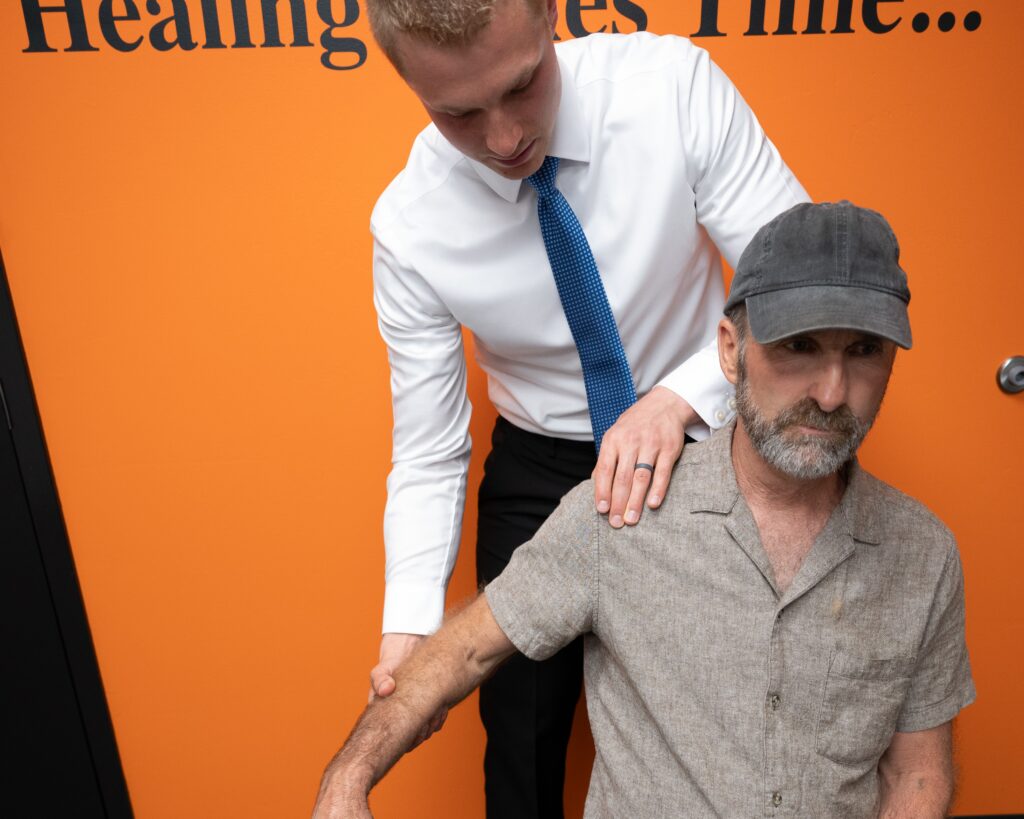
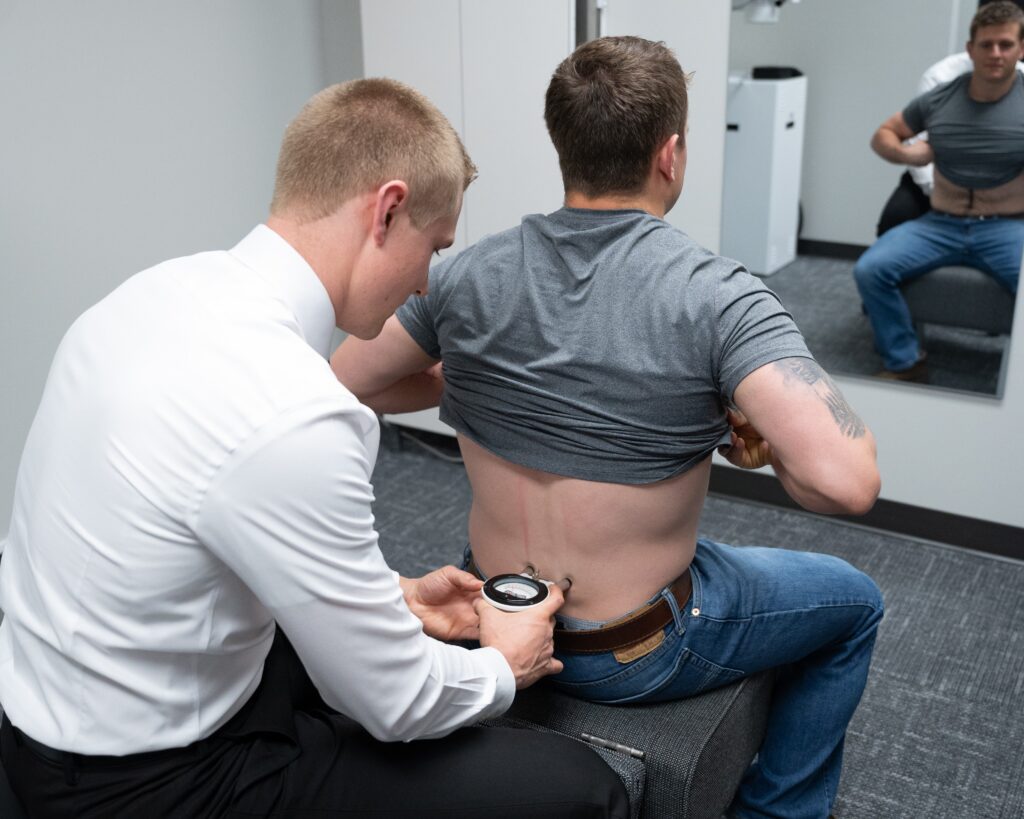
- Manual Therapy: This hands-on technique involves a physical therapist manipulating your muscles and joints to reduce pain, improve mobility, and promote healing. It's often tailored to your specific injury.
- Stretching and Strengthening Exercises: A customized exercise program can help you increase flexibility and build strength. Your therapist will guide you through safe movements that target the affected areas, ensuring you don't overexert yourself.
- Modalities: Techniques like ultrasound, electrical stimulation, or cryotherapy can be beneficial for reducing pain and inflammation. These modalities can complement your physical therapy exercises, speeding up your recovery process.
- Education and Ergonomics: Understanding your injury and learning proper movement patterns can prevent future issues. Your therapist will educate you on body mechanics and how to modify your activities to avoid strain.
Incorporating these physical therapy techniques into your healing process can make a significant difference in your recovery journey.
Remember to communicate openly with your therapist about your progress and any concerns. By actively participating in your recovery, you'll set yourself up for a successful return to the game.
Rest and Recovery Strategies
While physical therapy techniques are fundamental for recovery, effective rest and recovery strategies are just as important. You need to give your body the time and care it deserves to heal properly. Start by incorporating adequate rest into your routine. This means getting enough sleep, which is when your body does most of its healing. Aim for 7 to 9 hours of quality sleep each night to optimize recovery.
Next, consider the power of active recovery. Engaging in low-impact activities like walking, swimming, or cycling can stimulate blood flow without putting too much strain on your injured area. This helps deliver nutrients to the tissues that are healing. Stretching and gentle movements can also prevent stiffness and maintain your range of motion.
Don't underestimate the importance of nutrition. Fueling your body with the right nutrients can greatly speed up recovery. Focus on a balanced diet rich in proteins, healthy fats, and plenty of fruits and vegetables. Staying hydrated is vital too; water helps transport nutrients and flush out toxins.
Lastly, listen to your body. If you feel pain or discomfort, it's important to take a step back. Pushing through pain may prolong your recovery and lead to further injury. Instead, respect your body's signals and allow it the time it needs to heal fully.
Preventing Future Injuries
Preventing future injuries requires a proactive approach that combines proper training techniques, adequate warm-ups, and attention to body mechanics. You can notably reduce your risk of injury by being mindful of your body and its signals.
Here are some essential tips to keep you in the game:
- Warm-Up Properly: Always start with a dynamic warm-up to increase blood flow to your muscles. Stretching cold muscles can lead to strains, so spend at least 10 minutes getting your body ready.
- Strength Train: Incorporate strength training into your routine. Building muscle around your joints stabilizes them and reduces the likelihood of injuries. Focus on exercises that target your core, legs, and arms.
- Listen to Your Body: If you feel pain or discomfort, don't ignore it. Take a break, assess the situation, and consult a professional if necessary. Pushing through pain can lead to more severe injuries.
- Cross-Train: Mix up your activities to avoid overusing the same muscle groups. Engaging in different sports or exercises not only keeps your routine fresh but also strengthens various muscles, reducing injury risk.
Conclusion
By embracing a holistic approach to healing sports injuries, you can release your game and recover naturally. Focus on nutritious foods, effective herbal remedies, and mindfulness techniques to support your healing journey. Incorporate physical therapy and prioritize rest to enhance your recovery. Remember, listening to your body and maintaining balance in your workouts are essential for long-term success. With these strategies, you'll not only recover but also prevent future injuries, ensuring you perform at your best.