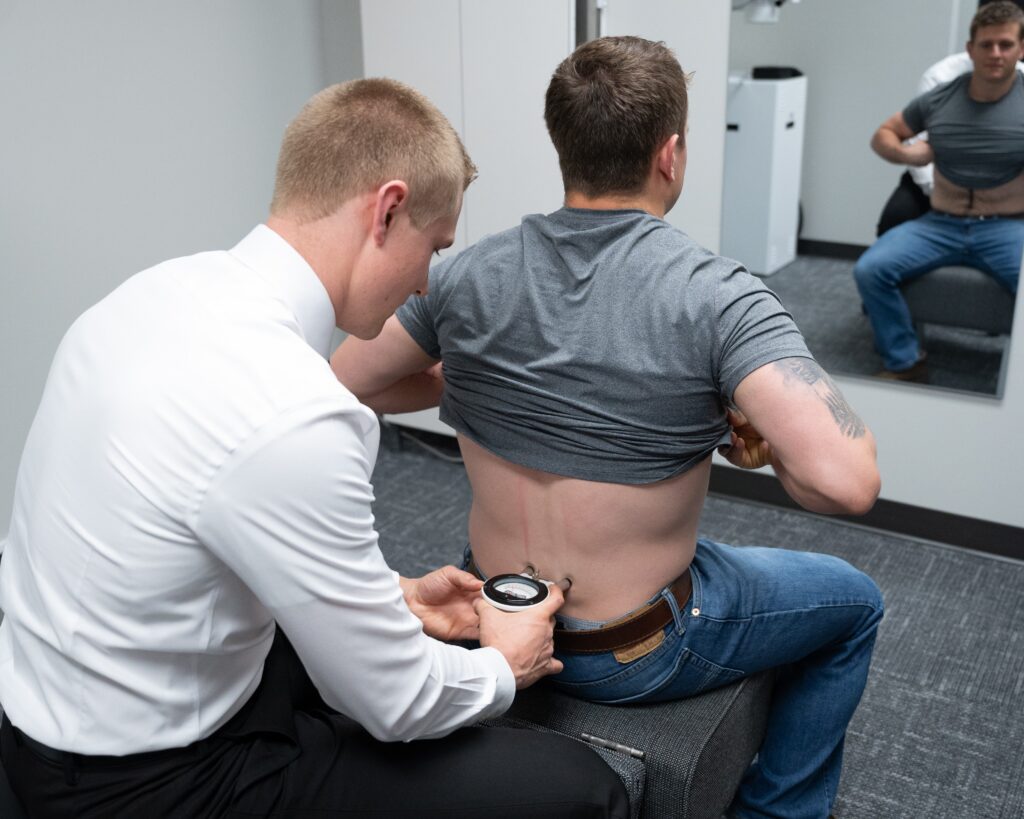

As a local chiropractor, I understand that many of you may feel overwhelmed by back pain and think that traditional treatments are your only recourse. However, I want to share some surprising techniques that can help alleviate your discomfort without solely depending on medication or invasive procedures.
Gentle movement practices, such as specific stretches and exercises, can significantly improve your flexibility and strength, leading to better spinal health. Additionally, incorporating mindful breathing exercises can help you manage stress and tension, which often contributes to back pain.
These holistic strategies not only empower you but also encourage a proactive approach to your health and well-being. If you’re curious about how chiropractic care and natural healing methods can transform your experience with pain management, let’s explore these innovative techniques together. Your journey to relief starts here!
The Power of Gentle Movement: Exploring Tai Chi
Have you ever considered how gentle movements can play a significant role in alleviating back pain? As a chiropractor, I often emphasize the benefits of practices like Tai Chi, an ancient Chinese martial art that focuses on slow, flowing movements designed to promote relaxation and balance.
Engaging in Tai Chi can enhance your body’s flexibility and strengthen your muscles without putting unnecessary strain on them. This gentle approach is especially beneficial for relieving tension and improving your posture, both of which are crucial for managing back pain.
As you flow through each Tai Chi posture, you develop mindfulness by connecting your breath to your movements. This not only helps to calm your mind but also increases your awareness of your body and its limitations.
With consistent practice, many of my patients have found that Tai Chi can improve overall strength and coordination, which significantly reduces the risk of future back pain.
Unlocking Relief With Foam Rolling
As a local chiropractor, I want to share the benefits of foam rolling, especially for those of you who may not be familiar with chiropractic care and natural healing practices.
Many of my patients have found that integrating foam rolling into their daily routine complements the positive effects of gentle movement practices like Tai Chi.
Foam rolling is an effective way to alleviate tension in your muscles and fascia, which can enhance blood flow and improve flexibility.
When you use a foam roller, you can identify tight areas in your body, such as knots and trigger points, which may be contributing to your back pain. Finding and releasing these tension spots can provide significant relief.
To get started with foam rolling, the first step is to select a roller that feels comfortable for you.
Begin by lying on the roller and focusing on areas like your lower back, upper back, and hips. Use slow, controlled movements to allow your muscles to relax fully.
It’s important not to rush through this process, so spend extra time on any particularly sore spots you encounter.
I recommend incorporating foam rolling into your routine for just a few minutes each day.
You’ll likely start to notice improvements in how your back feels over time.
By combining foam rolling with your Tai Chi practice, you can enhance your overall mobility and support long-term back health.
If you have any questions about how to incorporate foam rolling or other natural healing methods into your life, please feel free to reach out!
Harnessing the Benefits of Yoga for Back Health
As a local chiropractor, I want to share how yoga can be a remarkable asset for your back health. Many yoga poses are specifically crafted to alleviate tension and discomfort in the back, which can complement the chiropractic adjustments you may receive.
By integrating mindfulness into your yoga practice, you not only enhance your ability to manage pain but also strengthen your core muscles, which play a crucial role in supporting your spine.
Let’s dive deeper into how these practices work together to promote your overall well-being. Yoga encourages flexibility and strength, while chiropractic care focuses on aligning the spine and optimizing the nervous system.
Together, they can create a holistic approach to healing and maintaining a healthy back. By embracing both yoga and chiropractic care, you’re taking an important step towards a more resilient and pain-free back.
Yoga Poses for Relief
As a local chiropractor, I understand that chronic back pain can be a daunting challenge for many. However, incorporating specific yoga poses into your daily routine can offer remarkable relief and support your overall spine health.
I recommend starting with Cat-Cow stretches, which gently mobilize your spine and help alleviate tension. Following this, try Downward-Facing Dog; this pose not only lengthens your back but also strengthens your arms and legs, contributing to a more balanced body.
For those moments when your lower back feels tight, Child’s Pose can be incredibly beneficial. It allows for relaxation while encouraging deep, restorative breathing.
Additionally, Sphinx Pose is excellent for strengthening the spine and opening up the chest, promoting better posture and alignment.
Lastly, consider incorporating the Supine Twist into your routine. This pose is effective for releasing tightness in both your back and hips. It’s important to remember to listen to your body throughout these practices; avoid pushing past your limits.
Consistency with these yoga poses can lead to improved flexibility, reduced pain, and a healthier back overall. Embracing these natural healing methods can complement your chiropractic care, ultimately enhancing your journey towards lasting relief.
Mindfulness and Pain Management
As a chiropractor, I want to share how incorporating mindfulness into your daily routine can significantly improve your experience with managing back pain.
Many patients are surprised to learn that stress and tension can play a major role in exacerbating back pain. By focusing on the present moment, you can cultivate a sense of calm and awareness that may help alleviate discomfort.
Here are some effective mindfulness techniques that I recommend for my patients:
- Deep Breathing: Start with slow, controlled breaths. This not only calms your mind but also helps to reduce muscle tension in your back.
- Body Scan Meditation: Take a moment to mentally check in with each part of your body. This will help you identify areas of discomfort and better understand how they relate to your back pain.
- Gentle Yoga: Integrating mindfulness with gentle movement can provide holistic relief. Simple stretches can enhance your flexibility and support spinal health.
- Gratitude Journaling: Focusing on positive aspects of your life can shift your mindset and reduce the perception of pain.
- Mindful Walking: Use your walks as an opportunity to connect with your body and your environment, promoting a sense of grounding and relaxation.
By practicing these techniques, you can develop a deeper awareness of your body and its needs, leading to more effective pain management and overall well-being.
Strengthening Core Muscles
As a chiropractor, I want to emphasize the importance of strengthening your core muscles for maintaining a healthy back and preventing pain. A strong core not only supports your spine but also helps distribute weight evenly across your body, reducing stress on your back.
Incorporating yoga into your daily routine can be incredibly beneficial for building core strength while also enhancing flexibility. Specific poses, such as Plank, Boat, and Bridge, target multiple muscle groups, which can improve your stability and posture.
When you practice yoga, it’s crucial to focus on your breath and alignment. This mindful approach allows you to go deeper into each pose, effectively strengthening your core while also promoting relaxation and stress relief.
By dedicating time to these practices, you can develop a robust core that not only protects your back but also decreases the likelihood of future pain. I encourage you to embrace these techniques as part of your wellness journey. They can lead to lasting relief and improved overall well-being.
Remember that chiropractic care, combined with practices like yoga, can provide a holistic approach to maintaining your health.
The Role of Mindfulness and Meditation in Pain Management
As your local chiropractor, I want to share how mindfulness and meditation can play a vital role in managing pain, particularly if you’re new to chiropractic care and natural healing.
Techniques like Mindfulness-Based Stress Reduction can significantly enhance your awareness and help lower stress levels, which is crucial for your overall well-being.
Additionally, specific meditation practices can provide notable relief from discomfort.
Mindfulness-Based Stress Reduction
As a local chiropractor, I understand that chronic back pain can feel overwhelming and frustrating. However, I want to introduce you to a powerful approach for managing discomfort and enhancing your overall well-being: mindfulness-based stress reduction (MBSR). This practice emphasizes focusing on the present moment, which can significantly reduce stress and improve your emotional response to pain.
MBSR can complement chiropractic care by helping you cultivate awareness and acceptance, ultimately leading to a more positive outlook on your pain experience. Here are some key benefits of incorporating MBSR into your routine for back pain relief:
- It helps reduce muscle tension and promotes relaxation, which can enhance the effects of chiropractic adjustments.
- MBSR enhances your ability to cope with pain, making it easier to manage discomfort between visits.
- Improved sleep quality and overall mood are common outcomes, contributing to your overall health and recovery.
- This practice increases self-awareness and emotional regulation, helping you understand your body and pain signals better.
- Participating in group practices fosters a supportive community, allowing you to connect with others who share similar experiences.
Embracing MBSR alongside chiropractic care can truly transform your relationship with pain, empowering you to regain control over your life and improve your overall health.
If you have questions about how to integrate mindfulness practices with your chiropractic treatment, feel free to ask during your next visit!
Meditation Techniques for Relief
As a local chiropractor, I often emphasize the importance of holistic approaches in managing back pain, and meditation can play a pivotal role in this process. By focusing on your breath and practicing mindfulness, you can redirect your attention away from discomfort, which can be incredibly beneficial. This shift in focus not only helps to alleviate stress—an often overlooked factor that can worsen pain—but also promotes a sense of calm.
Techniques such as guided imagery or body scans can assist you in visualizing pain relief, encouraging your muscles to relax and reducing tension. Regular meditation practice has been shown to enhance pain tolerance, making it easier for you to cope with back issues.
Additionally, I encourage patients to consider journaling their thoughts and feelings during meditation. This can provide valuable insights into the emotional aspects of pain, helping to identify any connections that may be influencing your discomfort.
As you cultivate a consistent meditation practice, many of my patients report a notable decrease in their perception of back pain. This newfound relief often allows them to engage more fully in daily activities, fostering a better quality of life.
I invite you to explore meditation as a complementary approach to your chiropractic care; your back will surely appreciate the benefits!
Innovative Breathing Techniques for Relaxation
As a local chiropractor, I often see patients who are struggling with stress and tension, which can significantly impact their overall well-being and contribute to back pain.
One of the most effective ways to manage these feelings is through innovative breathing techniques. These methods not only help to calm your mind but also aid in alleviating physical discomfort, making them valuable tools in your journey toward relief.
Here are some techniques I recommend:
- Diaphragmatic Breathing: This involves taking deep belly breaths to fully engage your diaphragm. This technique promotes relaxation and can help ease tension in your body.
- 4-7-8 Breathing: This simple method involves inhaling for 4 seconds, holding for 7 seconds, and exhaling for 8 seconds. It’s great for reducing anxiety and tension, giving you a moment of calm.
- Box Breathing: Inhale, hold, exhale, and hold again for equal counts. This structured approach is excellent for centering yourself and clearing your mind.
- Alternate Nostril Breathing: This technique helps balance your energy and calms your nervous system by alternating your breaths through each nostril.
- Mindful Breathing: By focusing on your breath and its natural rhythm, you can anchor your awareness in the present moment, which can help alleviate stress.
Incorporating these breathing techniques into your daily routine can lead to significant relief from back pain and enhance your overall health.
As your chiropractor, I encourage you to explore these natural healing methods to complement your care and promote a healthier, more relaxed lifestyle.
The Impact of Nutrition on Back Pain
As a chiropractor, I often emphasize the importance of a holistic approach to managing back pain, and nutrition plays a critical role in that. Many patients may not realize that what you eat can significantly impact inflammation levels in your body, which in turn can affect your pain levels.
For instance, incorporating foods that are rich in omega-3 fatty acids, such as salmon and walnuts, can be beneficial in reducing inflammation. On the other hand, processed foods and high sugars can increase inflammation and potentially worsen your back pain.
Fruits and vegetables are also key players in your diet; they’re packed with antioxidants that help fight oxidative stress, which can contribute to discomfort.
Don’t forget about hydration—drinking enough water is essential for maintaining the elasticity of your spinal discs, which can help prevent pain.
Additionally, achieving and maintaining a healthy weight is important for reducing strain on your back. Focus on balanced meals that promote your overall health and well-being.
Depending on your individual needs, you might also consider supplements like vitamin D and calcium to support bone strength, especially if you’re at risk for deficiencies.
By making mindful choices about your nutrition, you can support your body’s healing processes and work towards alleviating back pain effectively.
Embracing the Healing Properties of Heat and Cold Therapy
As a local chiropractor, I often see patients who are accustomed to reaching for pain medications to manage their back discomfort. However, I want to emphasize the powerful healing properties of heat and cold therapy, which can provide effective relief without the side effects of medication.
By incorporating these techniques into your routine, you can significantly reduce inflammation and enhance blood circulation, ultimately alleviating your pain.
Here are some practical tips to help you make the most of heat and cold therapy:
- Heat Therapy: Consider using a heating pad or a warm towel on the areas where you feel soreness for about 15-20 minutes. This can help relax tight muscles and soothe discomfort.
- Cold Therapy: An ice pack wrapped in a cloth can be applied for 20 minutes to numb the area and help decrease swelling. This is especially useful for injuries or flare-ups.
- Contrast Therapy: For a comprehensive approach, try alternating between heat and cold. This can stimulate circulation and provide a deeper level of relief.
- Hot Baths: Taking a soak in warm water can be incredibly beneficial. It not only relaxes tense muscles but also promotes better blood flow throughout the body.
- Timing Matters: Use heat therapy for chronic pain conditions, while cold therapy is best suited for acute injuries. Tailoring your approach to your specific needs can maximize the benefits of each method.
By integrating these natural healing strategies into your self-care routine, you can support your body’s natural ability to heal and manage discomfort effectively.
If you have any questions or need guidance on how to implement these therapies, feel free to reach out during your next visit!
Conclusion
As a local chiropractor, I want to share some surprising techniques for back pain relief that can empower you on your wellness journey. Gentle movements, such as Tai Chi and yoga, can be incredibly beneficial. These practices not only promote flexibility but also help shift your focus away from pain, allowing your body to relax.
Incorporating mindfulness practices into your daily routine can also enhance your overall well-being. Additionally, innovative breathing exercises can significantly aid in reducing tension and discomfort. Pairing these practices with a nutritious diet can support your body’s healing process.
Don’t underestimate the power of heat and cold therapy, either. Applying heat can soothe aching muscles, while cold therapy can reduce inflammation. Embracing these holistic approaches may lead you to the relief you’ve been seeking. Remember, as your chiropractor, I’m here to guide you through these natural healing methods and find the right combination that works for you!