
If you're dealing with persistent back pain, you might be wondering how chiropractic care can help. This guide offers a thorough look at how targeted spinal adjustments and personalized treatment plans can not only alleviate discomfort but also promote long-term wellness. You'll discover effective techniques that go beyond just the typical adjustments, addressing the root causes of your pain. But before you decide on your next steps, it's essential to understand what to expect in a chiropractic session and how to find the right practitioner for your needs.
Understanding Back Pain
Back pain can be a frustrating experience that affects your daily life. It can limit your mobility, disrupt your sleep, and even impact your mood. Understanding the causes of back pain is essential for finding effective relief. You might be experiencing pain due to a variety of factors, such as poor posture, muscle strain, or injuries.
Sometimes, it can stem from underlying medical conditions like herniated discs or arthritis. It's also important to recognize that back pain isn't just about the physical aspect; your mental state can play a significant role, too. Stress and anxiety can contribute to muscle tension, worsening your discomfort.
You might find yourself caught in a cycle where pain leads to stress, which in turn exacerbates the pain. When you think about your daily habits, consider how they might be affecting your back. Are you sitting for long periods without breaks? Do you often lift heavy objects incorrectly?
Small changes in your routine can make a big difference in managing your pain. Incorporating regular stretching and strengthening exercises into your day can help maintain flexibility and support your spine.
Ultimately, understanding back pain means recognizing its multifaceted nature. By paying attention to your body and habits, you can identify potential triggers and take proactive steps toward relief. You're not alone in this journey, and with the right knowledge, you can work towards a healthier, pain-free life.
What Is Chiropractic Care?
Chiropractic care is a holistic approach focused on diagnosing and treating musculoskeletal disorders, particularly those affecting the spine. It's based on the idea that your body's structure, especially the spine, plays a vital role in your overall health.
When your spine is misaligned, it can lead to various issues, including back pain, headaches, and even digestive problems. Chiropractors believe that by realigning the spine, they can restore proper function and promote healing.
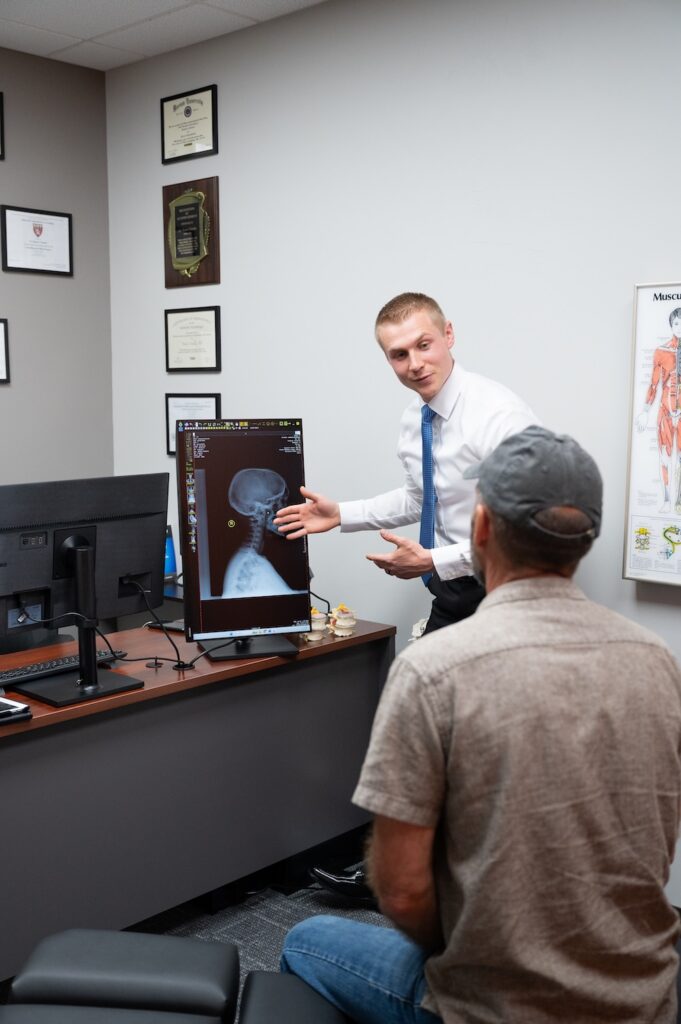
When you visit a chiropractor, you'll typically start with a detailed assessment. They'll ask about your medical history, perform a physical examination, and may even take X-rays to get a clearer picture of your spine's condition.
This extensive approach allows them to develop a customized treatment plan tailored to your specific needs.
One of the key principles of chiropractic care is the body's inherent ability to heal itself. Chiropractors utilize manual adjustments and other techniques to enhance this natural healing process.
You might experience immediate relief from pain after an adjustment, but it's important to follow through with any recommended follow-up visits or exercises to guarantee lasting results.
Techniques Used in Chiropractic
Many techniques are employed in chiropractic care to address various musculoskeletal issues effectively. One of the most recognized techniques is spinal manipulation, often referred to as an adjustment. This involves applying controlled force to specific joints in your spine to improve mobility and relieve pain. You might feel a pop or crack during the adjustment, which is usually just gas escaping from the joint.
Another common technique is soft tissue therapy. Your chiropractor may use massage, stretching, or myofascial release to target tight muscles and connective tissue. This helps relieve tension and improve blood flow, which can enhance your overall recovery.
You could also encounter the use of therapeutic modalities, such as electrical stimulation or ultrasound, to alleviate pain and promote healing. These techniques can be particularly beneficial in conjunction with manual adjustments, providing a thorough approach to your treatment.
Additionally, some chiropractors incorporate rehabilitation exercises into your care plan. These exercises help strengthen your core and back muscles, improving stability and reducing the risk of future injuries. You may also learn postural training techniques to guarantee proper alignment during daily activities.
Finally, some chiropractors utilize specialized techniques like the Activator Method or Gonstead Technique, which focus on specific parts of the spine and use unique instruments or hand movements. Each chiropractor may have their preferred methods, so it's crucial to discuss what works best for you during your treatment journey.
Benefits of Chiropractic Treatment
When you seek chiropractic treatment, you're not just addressing pain; you're also investing in your overall well-being. One of the most immediate benefits you'll experience is pain relief. Chiropractors use targeted adjustments to realign your spine, which can alleviate discomfort in your back, neck, and other areas. This relief often leads to improved mobility, allowing you to return to activities you love without restriction.
Chiropractic care also promotes better posture. Many people develop poor posture habits, especially if they spend long hours sitting at a desk. Your chiropractor can help you understand how to maintain proper alignment, reducing strain on your muscles and joints. Improved posture contributes to long-term health benefits, including decreased risk of injury and chronic pain.
Another significant advantage is enhanced nervous system function. Your spine houses the spinal cord, which connects your brain to your body. By ensuring proper alignment, chiropractic treatment can optimize your nervous system's performance, leading to improved overall health. This may manifest in better sleep, increased energy levels, and even bolstered immune responses.
Finally, chiropractic care encourages a holistic approach to health. Your chiropractor will often provide guidance on lifestyle factors, including nutrition and exercise, to support your recovery. This thorough approach empowers you to take charge of your health, leading to lasting improvements beyond just pain relief.
Embracing chiropractic treatment can be a transformative step toward a healthier, pain-free life.
What to Expect in a Session
During your first chiropractic session, you'll typically start with a thorough consultation. Your chiropractor will ask about your medical history, lifestyle, and specific symptoms. This information helps them understand your condition and tailor the treatment to your needs. Be prepared to discuss when your pain began, any previous injuries, and how your daily activities might contribute to your discomfort.
After the consultation, your chiropractor will perform a physical examination. They'll assess your posture, range of motion, and any areas of tenderness. This assessment may include various tests to evaluate your spine and nervous system. If necessary, your chiropractor might recommend imaging studies like X-rays, but this isn't always required.
Once they've gathered all the necessary information, your chiropractor will explain their findings and outline a treatment plan. This plan may involve spinal adjustments, soft tissue therapy, or other modalities aimed at relieving your back pain. You'll have the chance to ask questions and express any concerns you might have.
During the treatment itself, you can expect to lie on a specialized table while the chiropractor uses their hands or instruments to apply controlled pressure to specific areas of your spine. You might hear some popping or cracking sounds, which is normal and usually indicates a successful adjustment.
At the end of your session, your chiropractor will likely recommend follow-up appointments or exercises to help maintain your progress. Overall, expect a blend of assessment, treatment, and education during your chiropractic sessions.
Finding the Right Chiropractor
Finding the right chiropractor is vital for effective back pain relief. With so many options available, it's important to take your time and choose someone who aligns with your needs and preferences. Start by researching local chiropractors. Look for practitioners who specialize in back pain, as they'll have the most relevant expertise.
Next, check their credentials. Verify they're licensed and have the necessary qualifications. You can typically find this information on their website or through state licensing boards. Reading online reviews can also provide insight into their reputation and patient satisfaction. Pay attention to comments about their approach and effectiveness.
Once you've narrowed down your list, consider scheduling a consultation. This initial meeting gives you a chance to ask questions and assess their communication style. Ask about their treatment philosophy: do they focus solely on adjustments, or do they incorporate other therapies as well? It's important that you feel comfortable with their approach.
Trust your instincts during this process. You want a chiropractor who listens to your concerns and makes you feel at ease. If you feel rushed or dismissed, it might be a sign to keep looking.
Lastly, consider logistics like office location, hours of operation, and insurance compatibility. A chiropractor who's accessible and works with your insurance can make a significant difference in your overall experience.
Integrating Chiropractic Into Your Life
Integrating chiropractic care into your daily routine can greatly enhance your overall well-being. It's not just about visiting your chiropractor for adjustments; it's about making conscious choices that support your spine and nervous system every day.
Start by incorporating stretches and exercises recommended by your chiropractor into your morning routine. This sets a positive tone for the day and helps maintain spinal alignment.
Next, pay attention to your posture throughout the day. Whether you're sitting at a desk or standing, maintaining good posture can reduce strain on your back. Using ergonomic furniture, like a supportive chair or a standing desk, can make a significant difference.
Remember to take regular breaks to move around and stretch, especially if you're sitting for long periods.
Diet also plays an essential role in your spinal health. Eating a balanced diet rich in anti-inflammatory foods can help reduce pain and promote healing. Stay hydrated, as proper hydration supports intervertebral discs and overall cellular function.
Finally, prioritize regular chiropractic visits as part of your wellness routine. These sessions not only help with pain relief but also serve as preventative care to keep your spine aligned.
You might even find meditation or mindfulness practices beneficial for managing stress, which can impact your overall health.
Conclusion
To sum up, chiropractic care offers a holistic approach to relieving back pain and improving your overall well-being. By addressing spinal misalignments and incorporating personalized treatment plans, you can regain mobility and enhance your quality of life. Remember to maintain regular check-ups and integrate healthy practices into your daily routine. With the right chiropractor by your side, you'll be on your way to a pain-free back and a healthier, happier you.