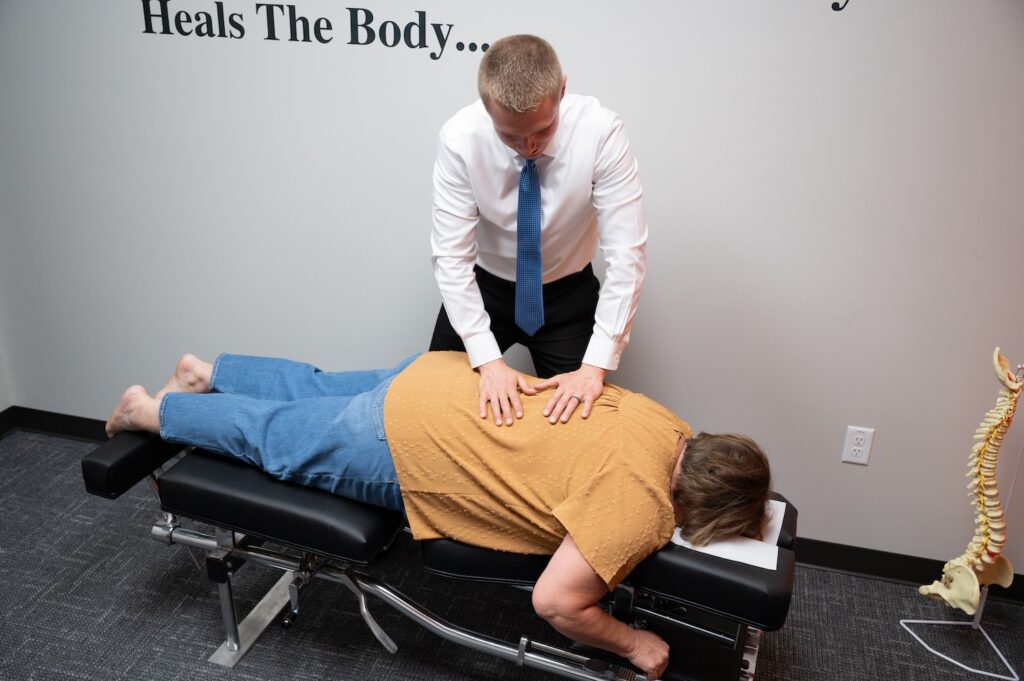

When you're dealing with chronic pain, finding trustworthy techniques to ease your discomfort can feel overwhelming. It's crucial to explore a variety of approaches, from mindfulness and yoga to nutritional changes and heat therapy. Each method offers unique benefits that might suit your needs, but the key lies in discovering which combination works best for you. As you consider these options, you may find that a holistic approach could reveal new avenues for relief. What strategies might resonate with you, and how can they integrate into your daily life?
Mindfulness and Meditation
Mindfulness and meditation are often powerful tools for managing chronic pain. By focusing your attention and cultivating awareness, you can create a mental space that helps you cope with discomfort. When you practice mindfulness, you're not just sitting quietly; you're actively engaging with your thoughts and feelings in a non-judgmental way. This can reduce the stress and anxiety that often accompany chronic pain.
Start by finding a comfortable position, whether you're sitting or lying down. Close your eyes and take a deep breath. As you breathe in, visualize calmness entering your body. As you breathe out, imagine tension and pain leaving. This simple exercise helps center your mind and body, allowing you to observe pain without letting it control you.
You might also try guided meditation. There are countless apps and online resources available that lead you through various meditative practices aimed at pain relief. These guided sessions can help you stay focused, making it easier to let go of distracting thoughts.
Regular practice can enhance your resilience to pain over time. You'll notice that instead of viewing pain as an enemy, you start to acknowledge it as part of your experience. This shift in perspective can empower you, enabling you to respond more effectively when pain arises.
As you integrate mindfulness and meditation into your daily routine, you'll likely discover not just relief from pain, but also an improved overall sense of well-being.
Yoga and Stretching
Yoga and stretching can be powerful tools in managing chronic pain.
By incorporating these practices into your routine, you can enhance flexibility, reduce tension, and promote relaxation.
Let's explore the benefits of yoga and some effective stretching techniques to help you feel better.
Benefits of Yoga
One effective way to alleviate chronic pain is through the practice of yoga and stretching. Engaging in yoga offers several benefits that can considerably enhance your quality of life.
First, it encourages relaxation, which can help reduce stress and tension in your body, often contributing to pain. By focusing on your breath and movements, you'll cultivate mindfulness, allowing you to better manage your pain and emotional responses.
Additionally, yoga improves flexibility and strength. As you practice various poses, you'll stretch and strengthen your muscles, which can lead to better posture and alignment. This is essential, as improper posture can exacerbate chronic pain conditions.
Regular practice also enhances circulation, promoting healing and reducing inflammation.
Another benefit is the supportive community often found in yoga classes. Connecting with others who share similar challenges can provide emotional support, making you feel less isolated in your journey.
Lastly, yoga encourages a deeper connection between your mind and body. This heightened awareness can empower you to recognize pain triggers and develop healthier coping mechanisms.
Effective Stretching Techniques
Incorporating effective stretching techniques can further enhance the benefits you've experienced from yoga. Stretching not only improves flexibility but also helps alleviate tension in your muscles, making it an essential part of your routine.
Start with gentle neck stretches. Slowly tilt your head to one side, hold for a few breaths, and switch sides. This simple technique releases built-up tension.
Next, try the cat-cow stretch. On your hands and knees, alternate between arching your back and rounding it. This movement brings mobility to your spine, easing discomfort.
Don't forget your hamstrings! While sitting, extend one leg, reach towards your toes, and feel the stretch in the back of your thigh. Hold for a few breaths, then switch sides.
The seated forward bend is another excellent option. It calms the mind while lengthening your spine.
Always listen to your body. If you feel any pain, ease back or modify the stretch. Consistent practice of these techniques can lead to greater flexibility and relief from chronic pain.
Acupuncture Benefits
Acupuncture can offer significant pain relief by stimulating specific points on your body, triggering natural healing responses.
This treatment aligns with a holistic health approach, addressing not just your pain, but also your overall well-being.
Pain Relief Mechanism
Research shows that acupuncture can effectively alleviate chronic pain by stimulating specific points on the body. When you undergo acupuncture, tiny needles are inserted at strategic points, which can trigger the release of endorphins—your body's natural painkillers. This process helps reduce your pain perception and promotes a sense of well-being.
Additionally, acupuncture can enhance blood circulation and promote the healing of painful areas. By improving blood flow, it nourishes tissues and removes toxins, further alleviating discomfort. You might find that after a session, your muscles feel more relaxed, and your overall tension decreases.
Some studies indicate that acupuncture may also influence your nervous system, helping to modulate pain signals sent to your brain. This can be particularly beneficial if you're dealing with chronic conditions like arthritis or fibromyalgia.
Holistic Health Approach
Holistic health emphasizes the interconnectedness of the mind, body, and spirit, and acupuncture fits perfectly within this paradigm. This ancient practice involves inserting fine needles into specific points on your body, promoting balance and healing.
You might wonder how this can ease chronic pain—well, acupuncture stimulates your body's natural painkillers, like endorphins, and helps reduce inflammation.
When you choose acupuncture, you're not just addressing physical symptoms; you're also considering your emotional and mental well-being. Many people report feeling more relaxed and centered after treatments, which can be vital in managing chronic pain.
By focusing on the entire person, acupuncture can uncover underlying issues that traditional medicine might overlook.
Incorporating acupuncture into your pain management routine can lead to significant improvements. You may experience reduced pain levels and enhanced overall health.
It's important to find a licensed acupuncturist who understands your specific needs and can tailor treatments accordingly. In this way, acupuncture becomes a powerful ally in your journey towards better health, promoting a sense of harmony within yourself and helping you cope with the challenges of chronic pain more effectively.
Nutritional Adjustments
Nutritional adjustments can greatly impact your journey toward managing chronic pain. What you eat can either exacerbate or alleviate your discomfort. Focus on incorporating anti-inflammatory foods into your diet, as these can help reduce pain and inflammation.
Think about adding fruits and vegetables, especially berries, leafy greens, and essential vegetables. These are packed with antioxidants and vitamins that support your body's healing processes.
Omega-3 fatty acids, found in fatty fish like salmon, walnuts, and flaxseeds, are also beneficial. They possess strong anti-inflammatory properties that can help ease your pain.
Don't forget to include whole grains, like brown rice and quinoa, which provide essential nutrients and fiber, promoting overall health.
On the flip side, try to minimize processed foods, refined sugars, and trans fats. These can contribute to inflammation and worsen your symptoms. You might also want to limit dairy and gluten if you've noticed they trigger discomfort for you.
Keeping a food diary can help identify potential triggers in your diet. Staying hydrated is another vital aspect. Drinking plenty of water helps maintain your body's functions and can assist in reducing pain.
Herbal teas, especially those with ginger or turmeric, can offer additional anti-inflammatory benefits.
Lastly, consider speaking with a nutritionist to tailor a plan that suits your specific needs and lifestyle. By making conscious dietary choices, you can take significant steps toward easing your chronic pain.
Heat and Cold Therapy
Heat and cold therapy is a straightforward yet effective approach to managing chronic pain. You can use these techniques to relieve discomfort, reduce inflammation, and promote relaxation in your muscles. Both heat and cold serve distinct purposes, and knowing when to use each can make a significant difference in your pain management routine.
When you apply heat, it increases blood flow to the affected area, which helps to relax tight muscles and alleviate stiffness. You might find that a warm towel, heating pad, or hot water bottle provides the relief you need. Just make sure you don't apply heat for too long—about 15 to 20 minutes is ideal.
On the other hand, cold therapy works by numbing the area, reducing inflammation, and slowing down nerve impulses. Ice packs or even a bag of frozen vegetables wrapped in a cloth can do the trick. Similar to heat, keep cold applications limited to 15 to 20 minutes to avoid skin damage.
It's essential to listen to your body. If one method doesn't seem to help, don't hesitate to switch to the other. You can even alternate between heat and cold therapies for added relief.
Remember to always protect your skin by using a barrier, such as a towel, to avoid burns or frostbite. By incorporating heat and cold therapy into your pain management strategy, you're taking a proactive step toward finding comfort and improving your quality of life.
Physical Activity and Exercise
While heat and cold therapy can provide immediate relief, incorporating physical activity and exercise into your routine can offer long-term benefits for managing chronic pain. Regular movement helps strengthen the muscles around painful areas, improving flexibility and reducing stiffness. This can make a significant difference in how you feel day-to-day.
You don't need to engage in high-intensity workouts to reap the rewards. Gentle activities like walking, swimming, or yoga can be incredibly effective. These low-impact exercises help maintain your fitness without putting too much strain on your body. Aim for at least 150 minutes of moderate aerobic activity each week, which can be broken down into manageable chunks.
When you exercise, your body releases endorphins, which are natural pain-relievers. These chemicals boost your mood and can help reduce the perception of pain. Plus, staying active can improve your sleep quality, which is essential for pain management.
It's important to listen to your body. Start slowly and gradually increase your activity level as your strength and endurance improve. If you experience increased pain, don't hesitate to dial back or modify your routine. Consulting with a healthcare provider or physical therapist can provide personalized guidance tailored to your needs.
Incorporating physical activity and exercise into your daily life can empower you to take control of your chronic pain and enhance your overall well-being. By making movement a priority, you're investing in a healthier, more active future.
Supportive Therapies and Community
Supportive therapies and community involvement play an essential role in managing chronic pain. You might find that integrating these elements into your life can considerably improve your overall well-being.
Supportive therapies, like acupuncture, massage, or chiropractic care, can provide relief by addressing muscle tension and improving circulation. By exploring these options, you can discover which therapies resonate with you and fit your lifestyle.
Community involvement is equally vital. Connecting with others who share similar experiences can foster a sense of belonging and understanding. Support groups, whether in-person or online, offer a safe space to share feelings and coping strategies. You'll likely find comfort in knowing you're not alone in your journey.
Friends and family can also be invaluable sources of support, so don't hesitate to lean on them when you need to.
Additionally, consider engaging in community activities that promote wellness, like yoga classes, art therapy, or mindfulness workshops. These activities not only provide physical benefits but also create an opportunity for social interaction, which can uplift your mood and reduce feelings of isolation.
Conclusion
Incorporating these trustworthy techniques into your daily routine can greatly ease chronic pain and improve your quality of life. By practicing mindfulness and meditation, engaging in yoga, and making nutritional adjustments, you empower yourself to manage discomfort effectively. Don't forget the benefits of heat and cold therapy, regular physical activity, and supportive community connections. Embrace these holistic approaches, and take charge of your pain management journey for a brighter, more comfortable future.