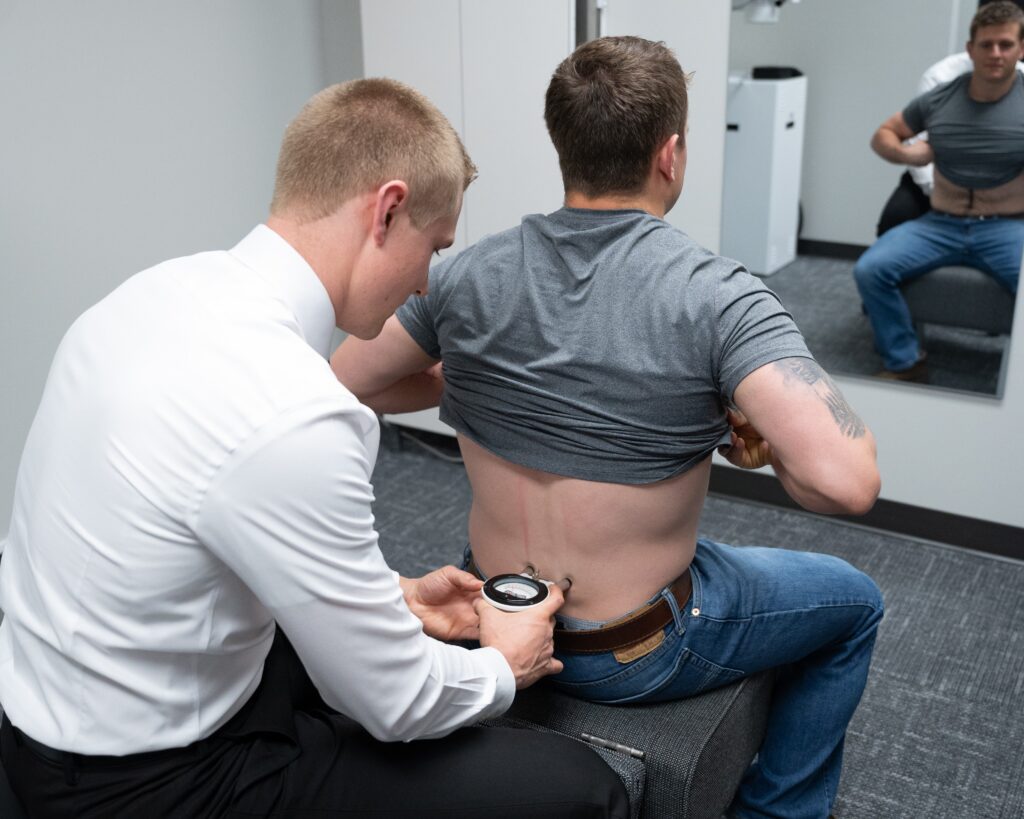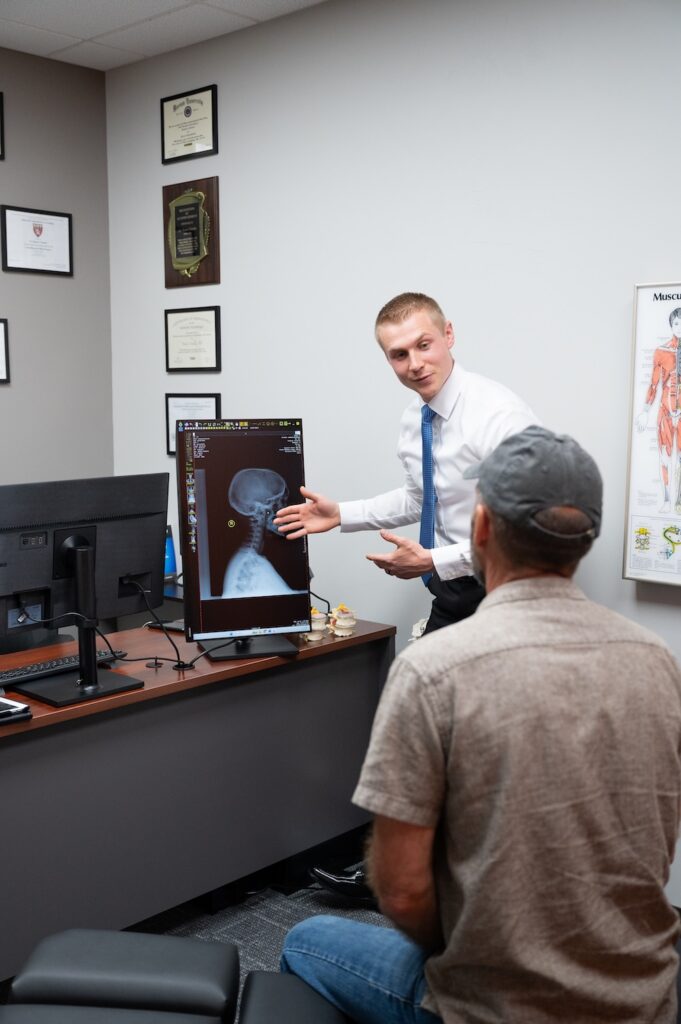

Neck pain can be a challenging issue, often impacting your daily activities and overall well-being. As a chiropractor, I want to share some trusted techniques that can help you manage this discomfort effectively and promote a healthier lifestyle.
First and foremost, understanding the underlying causes of neck pain is crucial. Poor posture, muscle tension, and stress are common culprits that can lead to discomfort. By focusing on these factors, you can take proactive steps toward relief.
One of the best ways to alleviate neck pain is through targeted stretching exercises. Gentle neck stretches can help improve flexibility and reduce tension. For example, try slowly tilting your head from side to side or gently rolling your shoulders to release tightness.
Additionally, ergonomic adjustments in your workspace can make a significant difference. Ensure that your computer screen is at eye level and that your chair supports your lower back. This will help maintain proper posture and reduce strain on your neck.
Chiropractic care is also a highly effective method for managing neck pain. Through gentle adjustments, we can help realign your spine, reduce inflammation, and promote natural healing. This approach not only addresses the pain but also enhances your overall well-being.
Remember, small lifestyle changes can also contribute to long-term relief. Staying hydrated, practicing good sleep hygiene, and managing stress through relaxation techniques like deep breathing or yoga can all support your neck health.
In summary, by incorporating stretching exercises, making ergonomic adjustments, and seeking chiropractic care, you can take meaningful steps toward a pain-free lifestyle. Let’s work together to support your journey to optimal health and wellness.
Key Takeaways
- Incorporating regular stretching exercises like neck tilts and chin tucks into your daily routine can greatly enhance flexibility and alleviate discomfort in your neck. These gentle movements are a great way to keep your neck limber and reduce pain.
- Strengthening your neck muscles through simple resistance exercises is essential for preventing pain and improving spinal stability. Strong muscles support your spine, helping you maintain proper posture and reduce the risk of injury. A chiropractor can guide you on the best exercises tailored to your needs.
- Adjusting your workspace ergonomically can make a significant difference in your neck health. Ensure your chair is at the right height and your monitor is positioned at eye level. This promotes better posture and minimizes strain on your neck throughout the day.
- Utilizing heat and cold therapy can be a natural and effective way to relieve muscle tension and manage pain, especially after injuries. Heat can help relax tight muscles, while cold therapy can reduce inflammation. Always listen to your body and choose the method that feels best for you.
- Don’t underestimate the power of stress management techniques! Practices like deep breathing and mindfulness can reduce muscle tension and contribute to overall neck comfort. Finding moments in your day to relax and focus on your breathing can create a more peaceful body and mind.
Remember, chiropractic care is a holistic approach that supports your body’s natural ability to heal. By incorporating these tips and seeking regular chiropractic adjustments, you can achieve optimal neck health and overall wellness.
Understanding the Causes of Neck Pain
When you experience neck pain, it’s important to understand the potential causes so you can effectively find relief. Many factors can contribute to discomfort in this area, and recognizing them is the first step towards better health. One common cause is poor posture, especially from long hours spent in front of screens. This can place unnecessary strain on your neck muscles, leading to pain.
You might also encounter muscle tension due to stress or waking up in an awkward position after a night’s sleep. Additionally, injuries or conditions like herniated discs can create persistent issues.
If you’re active in sports or heavy lifting, overexertion could lead to acute pain, while age-related wear and tear on your spine might also play a role. By being mindful of your daily habits and physical activities, you can identify potential triggers for your neck pain.
Chiropractic care is a natural and effective approach to addressing these issues and promoting overall wellness. A chiropractor can help assess your posture, align your spine, and provide tailored adjustments to alleviate discomfort.
Incorporating stretches and strengthening exercises can also enhance your neck’s resilience and prevent future pain.
Effective Stretching Exercises
To alleviate neck pain effectively, integrating simple stretching exercises into your daily routine can truly transform your comfort and well-being. As a chiropractor, I emphasize the importance of neck stretches that enhance flexibility and improve posture, as these are key components in supporting your spine’s alignment.
Here are some easy stretches you can incorporate into your day:
- Neck Tilts: Gently tilt your head towards one shoulder, holding for a few seconds, then switch sides. This helps in relieving tightness and increasing flexibility.
- Chin Tucks: While sitting or standing, pull your chin in towards your neck, keeping your spine straight. Hold for a few seconds. This exercise can strengthen the muscles that support your neck and improve posture.
- Shoulder Rolls: Roll your shoulders forward and backward in a circular motion. This can help to release tension in the neck and upper back.
- Side Neck Stretch: Sit up straight and gently turn your head to one side, using your hand to apply light pressure for a deeper stretch. Hold for a few seconds and repeat on the other side.
Incorporating these stretches can’t only help reduce discomfort but also enhance your neck’s mobility.
Remember, regular chiropractic care can also play a vital role in maintaining your spinal health and preventing future issues. By working with a chiropractor, you can receive tailored adjustments and guidance that support your overall wellness naturally.
Prioritizing chiropractic care is a powerful step towards achieving and maintaining optimal health without the need for medications or invasive procedures.
Neck Stretch Techniques
Neck pain can be a frustrating experience, but incorporating effective stretching techniques into your daily routine can significantly alleviate discomfort and improve your mobility. As a chiropractor, I emphasize the importance of natural healing and maintaining a healthy spine for overall wellness.
Start with a simple neck tilt. Gently drop your ear toward your shoulder and hold for 15-30 seconds on each side. This stretch helps relieve tension and promotes flexibility.
Next, try the chin tuck: pull your chin towards your chest while keeping your back straight, and hold for a few seconds. This exercise is great for improving posture and spinal alignment.
You can also perform gentle rotations by slowly turning your head to each side, holding briefly at the end of each turn. This movement helps maintain neck mobility and reduces stiffness.
Finally, stretch by looking up towards the ceiling, feeling the stretch along the front of your neck. This can help counteract the forward head posture that often leads to discomfort.
Incorporating these techniques into your daily routine can reduce tension and enhance your overall neck health.
Remember, chiropractic care is an excellent option for addressing neck pain naturally. Regular adjustments can help maintain proper spinal alignment, promote healing, and support a healthier lifestyle.
If you’re experiencing persistent neck pain, consider scheduling a visit with your chiropractor to explore tailored solutions that work best for you.
Daily Stretching Routine
Incorporating a daily stretching routine can significantly enhance your neck health and overall well-being, while also supporting the benefits of chiropractic care.
Start your routine with gentle neck tilts; slowly bring your ear to your shoulder, holding for 15 seconds on each side. This simple exercise helps improve flexibility and can alleviate tension that may benefit from chiropractic adjustments.
Next, try chin tucks by gently pulling your chin towards your chest, feeling a stretch along the back of your neck. This movement not only helps relieve tightness but also aligns your spine, complementing the work done in chiropractic sessions.
Shoulder rolls are another great addition; lift your shoulders toward your ears, then roll them back and down, repeating for 10 reps. This exercise can reduce stiffness in the shoulders and upper back, areas often addressed during chiropractic care.
To finish off, incorporate a doorway stretch: place your hands on the door frame and lean forward to open up your chest. This stretch encourages better posture, which is essential for spinal health.
Aim to perform these stretches daily, as consistency promotes flexibility and reduces tension in your neck, enhancing the effectiveness of your chiropractic treatments.
Remember to breathe deeply throughout each exercise, as deep breathing can further relax your muscles. By integrating these simple stretches into your daily routine, you’re taking a proactive step towards achieving optimal health naturally, and supporting your chiropractic care efforts.
Posture Improvement Exercises
Improving your posture is crucial not just for reducing neck pain, but also for enhancing your overall spinal health. As a chiropractor, I often see how poor posture can lead to discomfort and more significant health issues over time.
By incorporating simple stretching exercises into your daily routine, you can work towards better posture and a healthier spine. Here are four effective exercises to consider:
- Chin Tucks: While sitting or standing tall, gently tuck your chin towards your chest. Hold this position for 5 seconds and repeat 10 times. This exercise helps align your neck and can significantly reduce strain.
- Shoulder Blade Squeezes: Sit up straight and squeeze your shoulder blades together as if trying to pinch a pencil between them. Hold for 5 seconds, then repeat 10 times. This movement strengthens the muscles that support your upper back and shoulders.
- Neck Side Stretches: To relieve tension, gently tilt your head to one side, allowing your ear to move toward your shoulder. Hold this position for 15-20 seconds, then switch sides. This stretch can help ease tightness in your neck.
- Upper Trapezius Stretch: While seated comfortably, place one hand behind your back. With your other hand, gently pull your head to the opposite side, creating a gentle stretch. Hold for 15-20 seconds on each side. This is great for relieving tension in the upper neck area.
Incorporating these exercises into your daily routine can significantly improve your posture and alleviate neck pain.
However, remember that the best way to achieve long-term relief and optimal health is through chiropractic care. Regular adjustments can enhance your body’s natural ability to heal and maintain a healthy spine.
If you’re experiencing persistent discomfort, don’t hesitate to reach out to a chiropractor for personalized guidance and support. Together, we can work towards a healthier, pain-free life.
Strengthening Your Neck Muscles
Strengthening your neck muscles is crucial for preventing discomfort and enhancing overall stability in your spine. A strong neck not only supports your head but also reduces strain on the surrounding muscles and ligaments, leading to better posture and alignment.
As a local chiropractor, I emphasize the importance of natural approaches to health and wellness, and strengthening your neck can be an integral part of that journey.
To begin, you can incorporate some simple exercises into your daily routine, such as neck tilts and rotations. For neck tilts, gently tilt your head to one side, hold for a few seconds, and then switch to the other side. This helps to improve flexibility and relieve tension.
For rotations, slowly turn your head to the right and then to the left, maintaining a controlled motion. These movements can help you feel more relaxed and aligned.
In addition to these stretches, resistance exercises can be highly effective for building neck strength. Here’s a simple method: place your palm against your forehead and gently push against it without allowing your head to move. You can do the same for the sides and back of your head, using your hands for resistance.
Aim for two to three sets of 10-15 repetitions for each exercise. This consistent practice won’t only build strength but also support your overall spinal health.
Incorporating these exercises into your routine can significantly improve your neck strength and flexibility, helping you manage and prevent neck pain naturally.
Remember, chiropractic care is an excellent way to complement your efforts in building a strong neck and healthy spine. Regular visits to your chiropractor can help assess your progress, provide personalized care, and ensure that your body is functioning optimally.
Embrace these tips and take charge of your neck health for a more comfortable and active life!
Posture Correction Techniques
Many individuals underestimate how much posture influences neck pain, but maintaining proper alignment can greatly enhance your comfort and overall well-being.
By integrating a few simple techniques into your daily routine, you can improve your posture and alleviate tension in your neck, all while promoting natural healing.
- Chin Tucks: Start by gently pulling your chin in toward your neck. Hold this position for a few seconds before releasing. This exercise strengthens your neck muscles and helps align your spine naturally, which is vital for optimal health.
- Shoulder Rolls: Take a moment to roll your shoulders both forward and backward. This simple movement helps to relax tight muscles and encourages better posture, which can significantly reduce discomfort.
- Wall Angels: Stand with your back against a wall, arms positioned in a “W” shape. As you slide your arms up and down, ensure they maintain contact with the wall. This exercise promotes shoulder mobility and alignment, key components of a healthy spine.
- Mindful Sitting: When sitting, aim to keep your back straight and your feet flat on the floor. Ensuring your ears align with your shoulders can help minimize strain and support your spinal health.
Incorporating these techniques into your daily life can lead to noticeable improvements in your neck pain.
Remember, chiropractic care is an excellent way to address these issues holistically. By focusing on the root cause of your discomfort and enhancing your posture, you can achieve optimal health and wellness naturally.
Prioritize your spine and posture, and you’ll be on your way to a more comfortable life.
Ergonomic Workspace Adjustments
To effectively manage neck pain, making ergonomic adjustments to your workspace is crucial. Start by adjusting your chair height so that your feet rest flat on the floor and your knees form a comfortable 90-degree angle. This alignment helps to maintain proper posture, which is essential for spinal health.
Next, position your monitor at eye level. This adjustment is vital because it allows you to keep your neck in a neutral position while you work, reducing strain and discomfort. Remember, a well-aligned workspace not only promotes comfort but also supports the natural curvature of your spine.
Incorporating regular breaks and gentle stretches throughout your day can also be beneficial. Simple neck stretches can help alleviate tension, and standing or walking for a few moments can improve circulation.
If you’re still experiencing discomfort, consider consulting with a chiropractor. Chiropractic care focuses on natural healing and can provide tailored treatments to help you achieve optimal health and relieve pain effectively. Your spine will thank you for it!
Proper Chair Height
Although it might seem like a small detail, adjusting your chair height is crucial for creating an ergonomic workspace that promotes a healthy spine and minimizes neck pain.
When your chair is set at the right height, you can maintain a neutral spine position, which significantly reduces strain on your neck and shoulders. As a chiropractor, I want to share these four essential tips to help you find the perfect chair height for optimal comfort and health:
- Feet Flat on the Floor: Ensure that your feet rest flat on the ground. This position helps distribute your weight evenly and avoids unnecessary pressure on your thighs, promoting better circulation.
- Knees at Hip Level: Aim for your knees to be level with or slightly below your hips. This alignment supports your pelvis and lower back, creating a solid foundation for your spine.
- Elbows at 90 Degrees: Your arms should rest comfortably on your desk, with your elbows forming a right angle. This posture allows for relaxed shoulders and minimizes strain on your upper body.
- Maintain Good Posture: Sit back in your chair so that the backrest supports your lower back. Good posture not only enhances comfort but also helps maintain spinal alignment, which is key to overall health.
Taking the time to adjust your chair height can lead to significant improvements in your daily comfort and well-being.
Monitor Positioning Tips
Proper monitor positioning is crucial not only for reducing neck strain but also for promoting overall spinal health and comfort while you work. As a chiropractor, I want to emphasize the importance of creating a workspace that supports your body’s natural alignment.
Start by placing your monitor at eye level. This means the top of the screen should be at or just below your eye level, which helps you avoid unnecessary tilting of your head. This simple adjustment can significantly reduce the strain on your neck and spine over time.
Position your monitor about an arm’s length away from your eyes. This distance helps prevent eye strain, allowing your body to maintain a relaxed posture. If you frequently refer to documents, think about using a document holder next to your screen, as this will help keep your neck aligned and reduce the need to twist or turn.
It’s essential to keep the monitor directly in front of you to minimize any neck twisting. Remember, your spine is designed for natural movement, and maintaining a neutral position can help prevent discomfort.
Additionally, adjusting the brightness and contrast of your screen can reduce glare, which not only protects your eyes but also allows you to maintain a more comfortable posture while working.
By incorporating these tips into your daily routine, you’re actively taking steps toward better spinal health and overall well-being.
And remember, if you experience persistent discomfort, chiropractic care is a natural and effective way to find relief and support your body’s healing process. Prioritizing your posture today can lead to a healthier tomorrow!
Heat and Cold Therapy
When it comes to managing neck pain, incorporating heat and cold therapy into your routine can be an effective way to promote healing and comfort. As a chiropractor, I believe in the power of natural methods to enhance your overall well-being. Here’s how you can use these therapies to support your recovery:
- Heat Therapy: Applying a warm towel or heating pad to your neck can help relax tight muscles and boost blood circulation. This can be particularly beneficial for easing stiffness and promoting a sense of relaxation. Remember to always test the temperature to ensure it’s comfortable for your skin.
- Cold Therapy: If you’re dealing with inflammation or a recent injury, a cold pack wrapped in a cloth can be a great way to numb the pain and reduce swelling. Cold therapy can be especially helpful immediately following any strain or injury to your neck.
- Alternating Methods: You might find that alternating between heat and cold therapies offers the most relief. This combination can help soothe pain while also improving blood flow, which is essential for healing. Listen to your body and see which method feels best for you.
- Duration: It’s important to limit each application to about 15-20 minutes. This helps prevent skin damage and ensures you’re getting the most out of your therapy sessions.
By integrating these simple yet effective techniques into your daily routine, you can support your body’s natural healing process.
Remember, chiropractic care goes hand in hand with these therapies, as it addresses the root causes of pain and promotes long-term wellness. If you’re looking for a comprehensive approach to neck pain relief, consider scheduling an appointment with a chiropractor to discuss personalized care that fits your needs.
Your journey toward optimal health starts with understanding and taking charge of your body!
Relaxation and Stress Management
In addition to utilizing heat and cold therapy, it’s important to find effective ways to relax and manage stress, as this can significantly alleviate neck pain. Stress often causes muscle tension, which can worsen discomfort. One simple and effective method to combat this is by incorporating deep breathing exercises into your daily routine. Just a few minutes of focused breathing can help calm your mind and relax your muscles, promoting a sense of peace.
Mindfulness practices such as meditation or yoga can also be beneficial. These activities not only encourage relaxation but also enhance your body awareness, helping you understand how your body feels and functions.
Don’t forget to make time for hobbies you love or activities that bring you joy and laughter; these can serve as wonderful distractions from pain and stress.
Prioritizing good sleep is equally essential, as adequate rest plays a crucial role in recovery and overall well-being.
By actively managing stress and focusing on relaxation, you can reduce the tension affecting your neck and enhance your quality of life.
Moreover, regular chiropractic care can be a key component in this journey toward optimal health, providing natural relief from pain and fostering a greater sense of wellness.
When to Seek Professional Help
How do you know when it’s time to seek professional help for your neck pain? While some discomfort can often be managed at home, there are specific signs that indicate it’s wise to consult a chiropractor. Here are four key situations to consider:
- Persistent Pain: If your neck pain lasts longer than a few weeks or if it seems to be getting worse instead of better, it’s a good idea to schedule an appointment with a chiropractor. They can help identify the root cause of your pain and develop a natural treatment plan for relief.
- Loss of Function: Struggling to move your neck or having difficulty with daily activities can be signs of a more serious issue. A chiropractor can assess your range of motion and provide gentle adjustments and exercises to restore function.
- Numbness or Weakness: Experiencing tingling, numbness, or weakness in your arms or hands isn’t something to ignore. These symptoms can indicate nerve involvement, and a chiropractor can evaluate your condition and help relieve pressure on affected nerves through targeted adjustments.
- Severe Symptoms: If you’re experiencing severe pain following an injury, fever, or unexplained weight loss, it’s essential to reach out to a healthcare professional right away. While these symptoms may not be directly related to spinal health, a chiropractor can work alongside other professionals to ensure you receive comprehensive care.
Recognizing these signs early can help you manage your neck pain more effectively and support your overall health.
Remember, chiropractic care focuses on your body’s natural ability to heal itself. Regular adjustments and a commitment to spinal health can lead you to a pain-free life and improved wellness.
Don’t hesitate to reach out to your local chiropractor to discuss any concerns you may have about your neck pain. They’re here to help you on your path to optimal health!
Conclusion
When it comes to managing neck pain, chiropractic care is a fantastic option that focuses on natural healing and overall wellness. By combining effective stretching and strengthening exercises with proper posture, you can make significant strides in alleviating discomfort. Ergonomic adjustments in your workspace are also essential to prevent strain on your neck.
Incorporating heat and cold therapy can be a simple yet effective way to soothe pain and promote recovery. Remember to take time for relaxation techniques like deep breathing or gentle yoga, as they can help reduce tension in your neck and improve your general well-being.
Being proactive and consistent with these strategies is key. Regular chiropractic adjustments can also play a vital role in maintaining neck health, as they help align your spine and improve mobility.
If you find that your neck pain persists, it’s a good idea to consult with a chiropractor who can provide personalized care tailored to your needs. By taking charge of your neck health today and embracing chiropractic care, you can work towards a more comfortable, pain-free life.