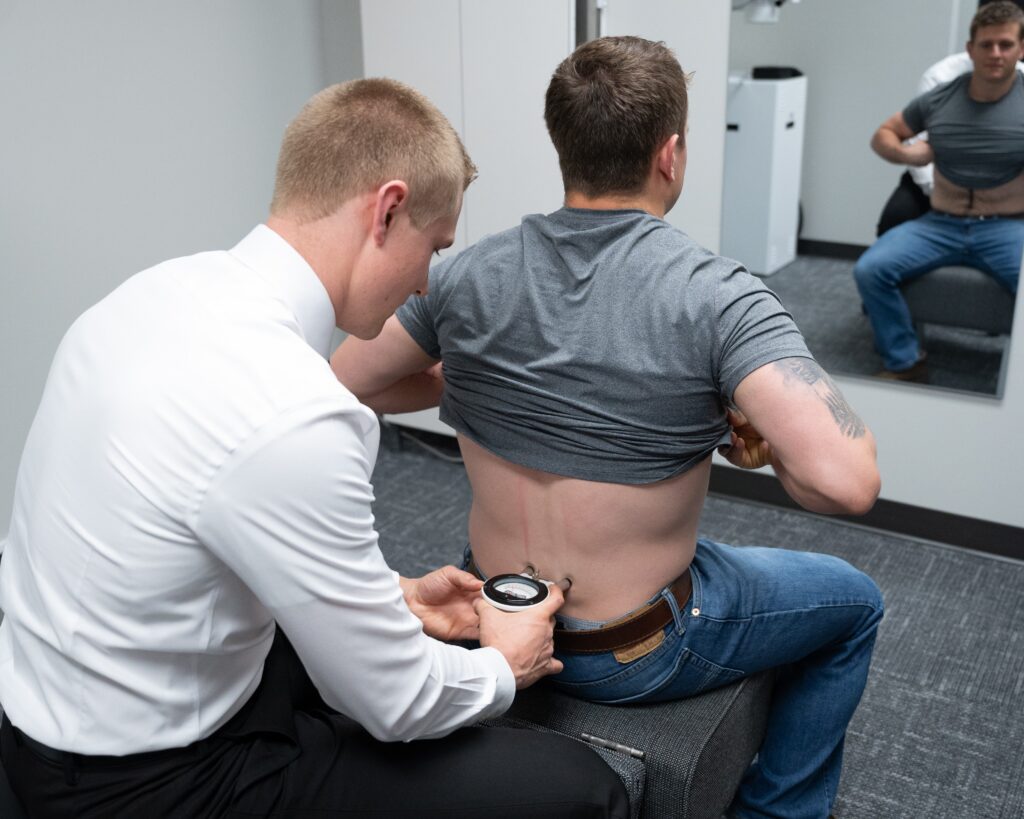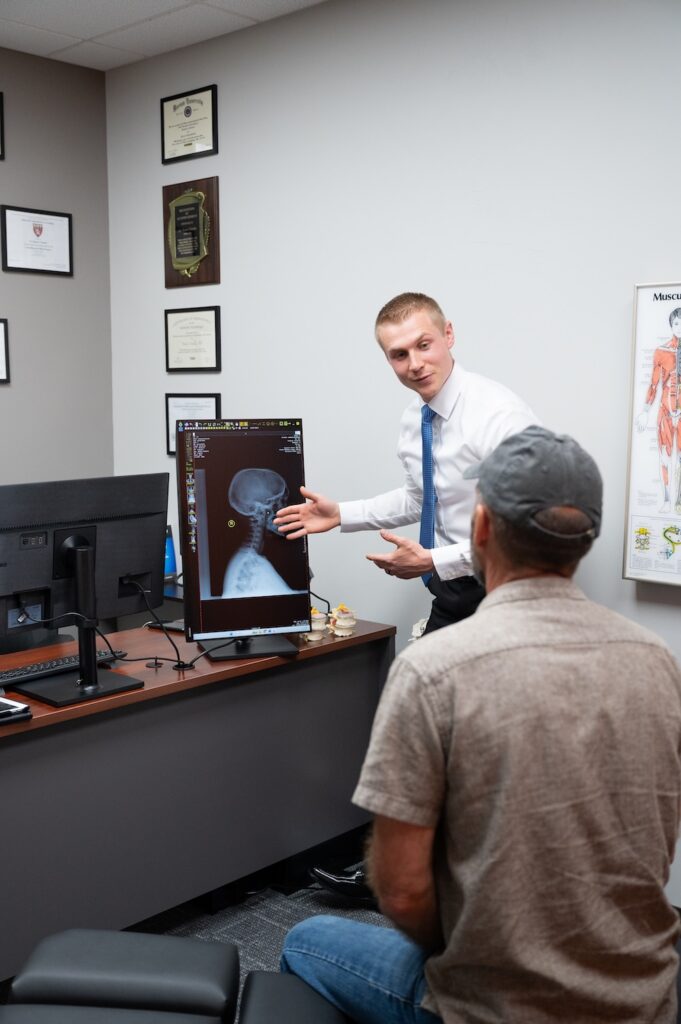

As a local chiropractor, I often meet patients who are grappling with persistent back pain and are unsure about the best path to lasting relief. It's important to move past temporary solutions and instead focus on trusted techniques that can truly enhance your quality of life. Simple adjustments like maintaining proper posture and integrating mindfulness practices can significantly alleviate discomfort. However, have you considered that the key to effective relief might lie in a holistic approach to your lifestyle choices? Understanding how your daily habits impact your back health is a crucial step toward achieving a more comfortable and pain-free future. Through chiropractic care, we can work together to develop a personalized plan that addresses your unique needs and promotes long-term well-being.
Understanding Back Pain
As a local chiropractor, I often see patients who feel like they're carrying a heavy burden when it comes to back pain. Understanding the underlying causes of this discomfort is crucial for finding relief and restoring your well-being.
Many of you might be asking, "Why does my back hurt?" It's essential to pinpoint the source of your pain, which can arise from various factors such as muscle strain, herniated discs, or even conditions like arthritis.
Improper lifting techniques and prolonged periods of sitting can strain your muscles, leading to significant discomfort. It's important to be mindful of how you lift heavy objects and to take breaks throughout your day to stretch and move your body.
Let's also talk about lifestyle choices. If you've been leading a sedentary lifestyle or neglecting regular exercise, your back muscles may weaken, making you more vulnerable to pain. Conversely, engaging in high-impact activities without proper warm-up can result in injuries.
Additionally, stress plays a significant role in back pain; when you're stressed, it's common to tense up your muscles without even realizing it, contributing to discomfort.
Your sleep environment is another key factor to consider. If you wake up feeling sore, it might be time to evaluate your sleeping position and the quality of your mattress. Remember, as we age, our spines naturally undergo changes that can lead to issues like degenerative disc disease.
By recognizing these causes, you can take proactive steps to address your back pain. Identifying triggers in your daily routine, exercise habits, and lifestyle choices empowers you to make meaningful changes.
This understanding is crucial not only for finding effective relief but also for preventing future problems. I encourage you to listen to your body and consider how chiropractic care and natural healing can support your journey to a healthier back.
Let's work together to achieve a pain-free life!
Importance of Posture
As your local chiropractor, I want to emphasize the crucial role that proper posture plays in both preventing and alleviating back pain.
Many people are unaware that the way we sit and stand can significantly impact the health of our spine. By adopting correct sitting techniques and being mindful of your standing posture, you can substantially reduce the strain on your back.
Let's delve into how these simple adjustments can enhance your everyday life and support your overall well-being.
Correct Sitting Techniques
As a local chiropractor dedicated to your well-being, I want to share some essential tips on maintaining proper posture while sitting. This practice can significantly alleviate strain on your spine and minimize discomfort, which is crucial for your overall health.
When you adopt the right sitting techniques, not only will you feel more comfortable, but you'll also enhance your productivity and well-being. Here's how to sit correctly:
- Ensure your feet are flat on the floor. This simple adjustment helps support your lower back and encourages healthy circulation throughout your body.
- Sit back in your chair with your back straight. It's important to keep your shoulders relaxed but not slumped. This position preserves the natural curve of your spine, which is vital for spinal health.
- Position your screen at eye level. By aligning your screen properly, you can avoid leaning forward or straining your neck, both of which can lead to discomfort and long-term issues.
Remember, taking these small steps can make a significant difference in your daily comfort and overall spinal health.
If you have further questions about your posture or how chiropractic care can support your journey to better health, feel free to reach out!
Standing Posture Awareness
As a local chiropractor, I want to emphasize that maintaining proper posture isn't just crucial when you're sitting; it's equally important when you're standing. Your body alignment influences not only your spinal health but also your overall mechanics. Poor standing posture can lead to muscle strain, discomfort, and even long-term pain.
To promote good standing posture, begin by distributing your weight evenly across both feet. Keep your shoulders relaxed yet pulled back to prevent them from hunching forward. Engaging your core muscles is essential for supporting your spine and maintaining an upright position. Ideally, your ears should be in line with your shoulders, and your chin should remain parallel to the ground.
If you find yourself standing for extended periods, consider shifting your weight from one foot to the other or using a footrest to relieve pressure on your lower back. It's also important to avoid locking your knees, as this can create tension and lead to fatigue.
I encourage you to regularly check in on your posture throughout the day. Setting reminders can be a helpful way to adjust your stance and become more mindful of your body alignment.
Regular Exercise Routines
As a local chiropractor, I want to emphasize the importance of regular exercise for maintaining a healthy and pain-free back.
Incorporating consistent movement and stretching into your daily routine can significantly enhance the flexibility and strength of your spine. These practices not only support your overall back health but also complement the natural healing methods we utilize in chiropractic care.
By understanding how exercise benefits your body, you can take proactive steps towards improving your well-being and reducing the risk of back pain.
Let's delve into how these simple yet effective habits can transform your spine health and overall quality of life.
Benefits of Consistent Movement
As a local chiropractor, I want to share with you the incredible benefits of consistent movement through regular exercise for your back health. Engaging in physical activity is essential for strengthening the muscles that support your spine. This not only enhances your overall stability but also helps to alleviate pain.
Moreover, regular movement promotes better blood circulation, which is crucial for delivering nutrients to your back tissues and facilitating healing and recovery.
Let's explore some emotional benefits that come with consistent movement:
- Empowerment: You'll regain control over your body, transforming how you feel each day and boosting your overall well-being.
- Relief: Regular exercise can significantly reduce discomfort, allowing you to partake in the activities you love without hesitation or concern.
- Confidence: As you strengthen your back, you'll feel more secure in your movements, which can diminish the fear of re-injury and help you engage more fully in life.
Incorporating consistent movement into your daily routine doesn't have to be daunting. Activities as simple as walking, swimming, or cycling can lead to significant improvements in your back health.
The key is to find enjoyable exercises that keep you active. By committing to regular exercise, you aren't just easing your back pain; you're investing in a healthier, more vibrant life.
Stretching for Spine Health
As a local chiropractor, I want to emphasize the importance of incorporating stretching into your daily routine for maintaining spine health and enhancing your overall well-being. Stretching isn't just a luxury; it's a vital practice that improves flexibility, reduces muscle tension, and increases blood circulation, all of which can help alleviate discomfort and prevent injuries.
You don't need to dedicate hours to this practice. Even just a few minutes of stretching each day can have a transformative impact on your spine and body. I recommend focusing on stretches that target key areas like the back, hips, and hamstrings. For example, the cat-cow stretch is excellent for promoting spinal mobility, while the child's pose can effectively relieve tension in your lower back. Aim to hold each stretch for at least 15-30 seconds, and remember to breathe deeply to enhance your relaxation.
Consider integrating these stretches into your morning or evening routine. This simple habit can set a positive tone for your day or help you unwind and release the stresses accumulated throughout the day.
Additionally, combining stretching with your regular exercise regimen is highly beneficial. This approach allows you to strengthen the muscles that support your spine while maintaining flexibility. Always listen to your body; if something doesn't feel right, ease into it or consult a healthcare professional.
Stretching Techniques
As a local chiropractor, I understand how back pain can significantly impact your daily life. One of the most effective ways to alleviate discomfort and enhance your mobility is through proper stretching techniques. Stretching not only helps alleviate muscle tension but also improves flexibility and boosts blood circulation, which is vital for healing.
Let's start with a couple of stretches that I often recommend to my patients. The first one is the cat-cow stretch. Position yourself on all fours. Begin by arching your back towards the ceiling like a cat, and then gently dip your back down while lifting your head up. This simple movement is fantastic for mobilizing your spine and relieving tension.
Another excellent stretch is the child's pose. Start by sitting back on your heels, extend your arms forward, and rest your forehead on the ground. This position provides a soothing stretch for your lower back and encourages relaxation.
As you incorporate these stretches into your routine, keep in mind the following important tips:
- Listen to your body: If you experience pain during a stretch, it's essential to stop immediately.
- Breathe deeply: Focus on taking deep breaths while you stretch. Inhale deeply as you move into the stretch and exhale to help release any tension.
- Stay consistent: Regular stretching is key to achieving long-term relief from back pain.
By embracing these stretching techniques, you can't only alleviate pain but also take an active role in your health and well-being.
It's about finding a routine that works for you and making stretching an integral part of your self-care regimen. Remember, you deserve to feel comfortable and at ease in your body, and I'm here to support you on that journey.
Together, we can explore how simple practices like stretching can transform your daily life and enhance your overall wellness.
Heat and Cold Therapy
As your local chiropractor, I want to help you find effective ways to manage your back pain beyond just stretching. One of the methods I often recommend is heat and cold therapy, both of which can significantly alleviate discomfort and enhance your mobility.
Heat therapy is particularly beneficial as it increases blood flow to the painful area, promoting relaxation and easing muscle tension. You can apply heat using a heating pad, a warm towel, or even by soaking in a warm bath. However, it's important to limit your heat application to about 15 to 20 minutes at a time to prevent overheating. This technique is especially helpful for those dealing with chronic pain, stiffness, or muscle spasms.
On the flip side, cold therapy is excellent for reducing inflammation and numbing sharp pain. Ice packs or cold compresses can be applied directly to the affected area, but remember to wrap the ice pack in a cloth to protect your skin from frostbite. Similar to heat therapy, aim for 15 to 20 minutes of cold application, allowing breaks in between sessions. Cold therapy is particularly effective right after an injury or during flare-ups of pain.
For optimal results, consider alternating between heat and cold therapy. This combination can improve blood circulation and reduce swelling, leading to a quicker recovery. It's crucial to listen to your body throughout this process; if one method feels more beneficial for you, prioritize that approach.
Mindfulness and Relaxation
As a local chiropractor, I want to share with you the powerful impact that mindfulness and relaxation techniques can have on managing back pain. Incorporating these practices into your daily routine creates a conducive environment for healing.
Mindfulness helps you center your attention on the present moment, allowing you to disconnect from the stressors that can often worsen your discomfort. By being aware of your feelings without judgment, you can reduce anxiety and foster a sense of tranquility.
Engaging in relaxation techniques, such as deep breathing or progressive muscle relaxation, plays a crucial role in releasing tension from your body. When you consciously relax your muscles, you relieve pressure on your spine, which can significantly lessen your discomfort.
Here are some emotional benefits you might experience from these practices:
- A sense of control: You'll feel more empowered as you take an active role in managing your pain and overall well-being.
- Emotional resilience: Mindfulness can bolster your emotional stability, helping you cope with pain in a more effective way.
- Improved quality of life: With consistent practice, you may notice a more positive outlook, enabling you to re-engage in activities you enjoy.
To begin, I recommend setting aside just a few minutes each day for mindfulness exercises. You might explore guided meditations or simply focus on your breath.
As you adopt these relaxation techniques, you'll likely observe not only an improvement in your back pain but also a boost in your overall mental health. By embracing mindfulness and relaxation, you're taking an important step towards achieving lasting relief from pain and enhancing your quality of life.
Nutritional Considerations
As a local chiropractor, I want to share how important maintaining a balanced diet can be for your overall health and specifically for managing back pain. The foods you consume can significantly impact inflammation levels in your body, which is crucial when addressing back discomfort.
To help alleviate pain, it's beneficial to incorporate anti-inflammatory foods into your daily meals. Focus on including plenty of fruits, vegetables, whole grains, nuts, and fatty fish such as salmon, which is rich in omega-3 fatty acids. These nutrients are known to help reduce inflammation and promote healing.
Additionally, I encourage you to pay attention to your intake of calcium and vitamin D. These nutrients are vital for maintaining strong bones, which support your spine and overall structure. You can find calcium in dairy products, leafy greens, and fortified foods, while vitamin D can be obtained through sunlight exposure or foods like egg yolks and fortified cereals.
Don't overlook the importance of hydration, either. Proper hydration is essential for keeping your spinal discs well-hydrated, which helps maintain their cushioning properties. Aim to drink at least eight glasses of water a day, adjusting this based on your activity level.
It's also crucial to limit your consumption of processed foods, sugar, and excessive salt, as these can contribute to increased inflammation and weight gain, putting additional strain on your back.
Instead, choose whole, nutrient-dense foods that nourish your body. By making these dietary changes, you can create a supportive environment for relieving back pain and enhancing your overall well-being.
Professional Treatments
As a local chiropractor, I understand that back pain can be a daunting challenge that affects your daily life. I want to emphasize that seeking professional treatments, like chiropractic care, can significantly enhance your journey to recovery. My goal is to provide you with tailored solutions that cater to your specific needs, guiding you toward relief and improved well-being.
Back pain doesn't just bring physical discomfort; it can also impact your emotional state and overall quality of life. By choosing chiropractic care, you can regain control and enhance your health in various ways:
- Accurate Diagnosis: As a chiropractor, I specialize in identifying the underlying causes of your pain. This allows me to create a personalized treatment plan that directly addresses your issues.
- Customized Adjustments: Chiropractors utilize gentle spinal adjustments to realign your spine and improve your body's function. This not only helps alleviate pain but also promotes better overall health.
- Holistic Pain Management: My approach includes various natural techniques to manage pain effectively, focusing on your body's innate ability to heal itself without relying solely on medications.
Investing in your health through chiropractic care means addressing not just the immediate discomfort, but also empowering yourself for long-term wellness.
With the right support, you can break free from the limitations that back pain imposes on your life. I encourage you to reach out and explore how chiropractic care can guide you toward a future filled with less pain and more freedom.
Together, we can work on restoring your mobility and enhancing your quality of life.
Lifestyle Modifications
As a local chiropractor, I understand that back pain can be incredibly daunting, but I'm here to guide you through some lifestyle modifications that can significantly alleviate your discomfort and aid in your recovery process.
First, let's talk about posture. It's crucial to maintain a neutral spine whether you're sitting, standing, or lifting. Good posture can greatly reduce strain on your back. When you're seated, opt for a chair that offers support to your lower back, and remember to keep your feet flat on the floor.
Incorporating regular physical activity into your daily routine is another key component. Engaging in low-impact exercises such as walking, swimming, or yoga can strengthen your core muscles, which are vital for supporting your spine. I recommend aiming for at least 30 minutes of activity on most days of the week.
It's also important to be mindful of your body mechanics. When lifting objects, bend at your knees and keep the item close to your body. This technique helps minimize pressure on your back. Additionally, consider adding stretching exercises to your routine to improve flexibility and alleviate muscle tension.
Nutrition plays a significant role in your healing journey as well. Consuming a balanced diet filled with anti-inflammatory foods—think fruits, vegetables, and whole grains—can help reduce pain and promote healing.
Don't forget to stay hydrated; proper hydration is essential for overall health and keeps your intervertebral discs functioning optimally.
Finally, let's discuss the importance of sleep. Establishing a consistent sleep schedule and creating a restful sleeping environment is vital. A supportive mattress and pillow can make a considerable difference in your back comfort.
Conclusion
As your local chiropractor, I want to share some trusted techniques that can significantly enhance your back pain relief journey. It's essential to understand that proper posture plays a crucial role in spinal health, so be mindful of how you sit, stand, and move throughout the day. Staying active is equally important; gentle exercises can strengthen your back and improve flexibility.
Incorporating mindfulness practices, such as deep breathing and meditation, can also help you manage discomfort by reducing stress and tension in your body. Don't underestimate the impact of good nutrition on your overall well-being—eating a balanced diet can support your body's healing process.
While I encourage you to adopt these holistic approaches, remember that professional treatments, like chiropractic adjustments, are invaluable in addressing the root causes of your pain. By combining physical care with mental well-being, you can take charge of your spinal health. Together, we can work towards a more comfortable, pain-free life.