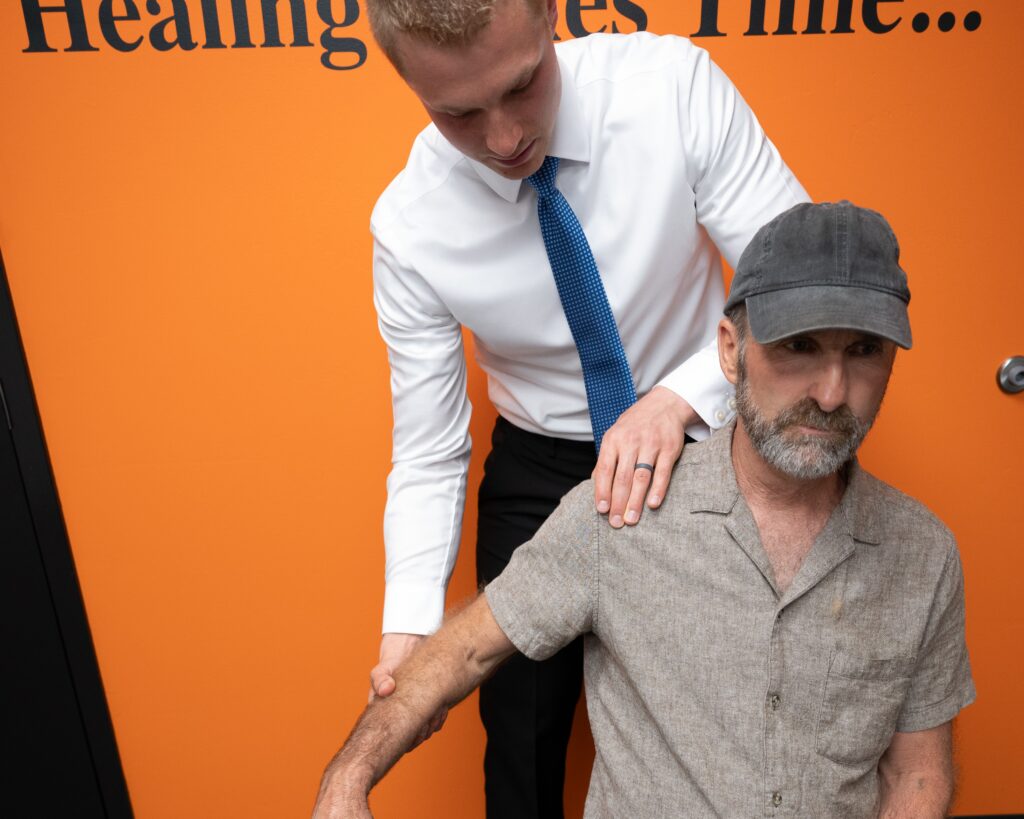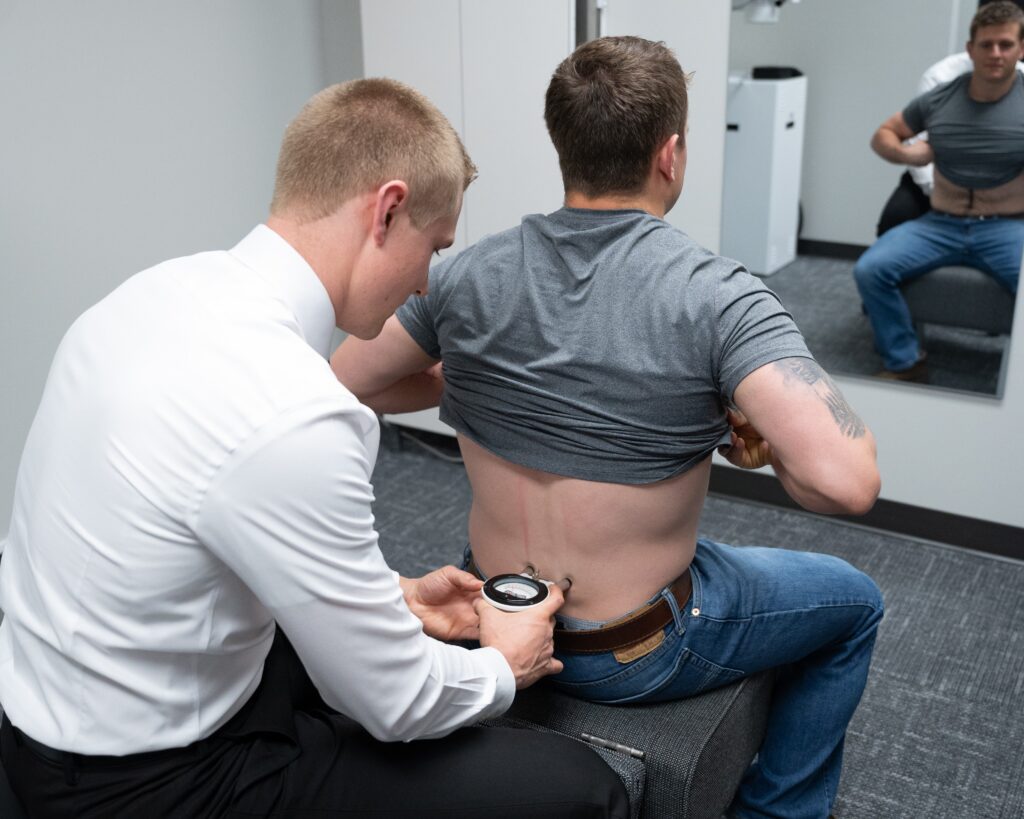

As a local chiropractor, I want to share with you some essential strategies for recovering from injuries, especially if you're an athlete. Many people believe that simply resting is the best way to heal, but there's so much more to the recovery process. Proper nutrition, expert guidance, and holistic approaches can significantly impact your healing journey.
Incorporating chiropractic care can be a game-changer. It focuses on aligning your spine and improving your overall body function, which can enhance your recovery. Techniques like physical therapy combined with chiropractic adjustments can promote better movement and alleviate pain, allowing you to return to your sport more effectively.
Additionally, mental resilience plays a crucial role in recovery. Many athletes underestimate the power of a positive mindset and stress management during their healing process.
You might be surprised to learn that small changes in your daily routine, such as incorporating stretches or adjusting your posture, can have a profound effect on your recovery time. What if the key to a faster, more effective recovery lies in exploring natural healing methods like chiropractic care? Let's discuss how we can work together to support your recovery and get you back in the game.
Understanding Your Injury
Understanding Your Injury: A Guide from Your Local Chiropractor
As your local chiropractor, I want to emphasize how crucial it's to understand the nature and severity of your injury for effective recovery. When you experience pain or discomfort, the first step is to identify the symptoms you're facing. Are you dealing with pain, swelling, or a limited range of motion? Recognizing these signs is essential in determining the type of injury, whether it's a sprain, strain, or something more complex.
Next, let's discuss the mechanism of injury. How did it occur? Did you twist your ankle while playing sports, or did you notice a sharp pain while lifting weights? This information is vital for me as your chiropractor to assess your condition accurately and develop an appropriate treatment plan.
I can't stress enough the importance of a professional evaluation. As a chiropractor, I provide comprehensive assessments that may include physical examinations and, if necessary, referrals for imaging tests like X-rays or MRIs.
Understanding the specifics of your injury, including its grade or severity, will empower you to set realistic recovery goals and guide our treatment approach. This may involve chiropractic adjustments, physical therapy, or other natural healing methods tailored to your needs.
Lastly, I encourage you to educate yourself about your injury and its typical healing timeline. Knowledge about what to expect can ease anxiety and frustration during your recovery journey.
It's essential to listen to your body and recognize when you're ready to return to your activities. By understanding your injury and working closely with me, you'll be better equipped to take the necessary steps toward healing and returning to optimal performance. Stay informed, be proactive, and prioritize your recovery with chiropractic care.
Importance of Rest
As a local chiropractor, I want to emphasize the critical role that rest plays in your recovery from an injury. Rest isn't just about giving your body a break; it's a vital component of your physical healing process. When you allow yourself time to recuperate, you're not only aiding your body's recovery but also nurturing your mental well-being.
This mental clarity can help you regain focus and motivation, both essential for your overall health.
Moreover, taking the necessary time to rest can significantly reduce the risk of future injuries. It's important to remember that pushing through pain or fatigue can lead to setbacks, which can derail your athletic goals.
Physical Healing Process
As a local chiropractor, I want to emphasize the importance of rest in the physical healing process, especially for those of you who are athletes or active individuals.
It might be tempting to push through the pain, but prioritizing rest is vital for your body's recovery and ultimately sets you up for a stronger comeback. Ignoring your body's need for rest can lead to extended recovery times and may even result in further injury.
Here are four key reasons why taking time to rest is essential:
- Tissue Repair: Your muscles and tissues require adequate time to heal properly. By resting, you allow your body to concentrate its energy on repairing damaged cells, which is crucial for a full recovery.
- Inflammation Reduction: Resting plays a significant role in reducing inflammation, a common obstacle in the healing process. It enables your body to eliminate toxins and reduce fluid buildup, creating a better environment for healing.
- Pain Management: Allowing yourself the time to rest can significantly help in managing pain levels. This can help prevent the development of chronic pain, enabling you to return to your training with greater ease.
- Performance Restoration: Rest is essential for restoring your physical capabilities. When you take the time to heal, you'll return to your activities stronger and more prepared to perform at your peak.
Incorporating rest into your recovery plan is a natural and effective way to support your healing journey.
If you have any questions about how chiropractic care can assist you in this process, feel free to reach out!
Mental Recovery Benefits
Rest isn't only vital for your physical recovery; it's equally crucial for your mental health. As a chiropractor, I often see how injuries can burden the mind with feelings of frustration, anxiety, and uncertainty about the future of your athletic pursuits.
Taking the time to rest provides an opportunity to clear your mind and alleviate stress, fostering a healthier mental state.
During your recovery journey, I encourage you to view rest as a way to emotionally recharge. It creates the space needed to process your feelings regarding your injury and helps you develop a positive outlook. By prioritizing mental rest, you can enhance your resilience, making it easier to navigate the emotional highs and lows that come with recovery.
Additionally, rest plays a significant role in sharpening your focus and concentration—skills that will be essential when you return to training. A well-rested mind is better equipped to absorb new information and adapt to different strategies, ultimately improving your performance as you get back into action.
As your chiropractor, I'm here to support you not just in physical healing, but in fostering a holistic approach to your well-being that includes mental recovery. Embracing rest is an integral part of this process.
Preventing Future Injuries
As a local chiropractor, I want to emphasize the importance of incorporating adequate rest into your training routine to help prevent future injuries. Many individuals feel the urge to push through fatigue, but this can be detrimental. Ignoring your body's signals may lead to overuse injuries and long-term setbacks in your performance and overall health.
Prioritizing rest is crucial, as it allows your muscles and joints to recover, ultimately enhancing your physical capabilities.
Here are four key reasons why rest is vital for injury prevention:
- Muscle Repair: After intense workouts, your body needs time to repair and rebuild muscle fibers. Taking rest days promotes this recovery process, enabling you to regain strength and avoid strain.
- Reduced Fatigue: Continuous training without adequate breaks can lead to both mental and physical fatigue. By allowing yourself to rest, you help maintain your energy levels, ensuring you remain sharp and focused during your activities.
- Injury Prevention: When you overwork your body, the risk of strains and sprains increases significantly. Sufficient rest acts as a protective buffer, decreasing the likelihood of injury during your training sessions or competitions.
- Mental Recovery: Just as your body needs time to recover, your mind does too. Taking breaks allows you to recharge mentally, keeping you motivated and engaged in your sport. A refreshed mindset can truly make a difference in your performance.
As your chiropractor, I encourage you to listen to your body and prioritize rest as part of your overall wellness strategy. This practice not only prevents injuries but also supports your journey towards improved health and performance.
Role of Physical Therapy
As a local chiropractor, I want to emphasize the vital role that chiropractic care plays in your recovery journey.
Our approach involves creating personalized treatment plans that cater specifically to your unique needs. Through a variety of natural healing techniques, we focus on managing pain and improving your overall mobility, which can help you return to your favorite activities more quickly.
Familiarizing yourself with these chiropractic strategies can significantly enhance your rehabilitation experience and promote long-term wellness.
Benefits of Personalized Treatment
As a local chiropractor dedicated to your health and well-being, I want to share how personalized treatment can significantly enhance your recovery after an injury. When we tailor your rehabilitation program to meet your specific needs, we can help you heal more effectively and efficiently. A customized approach keeps you engaged and motivated, both of which are crucial for successful recovery.
Here are four key benefits of personalized treatment from a chiropractic perspective:
- Targeted Approach: Personalized treatment hones in on your specific injury, ensuring that we're addressing the right areas. This focus means you won't waste time on exercises that aren't effective for your unique situation.
- Progress Tracking: With a customized plan, we can closely monitor your progress. This allows us to make necessary adjustments based on how your body responds, optimizing your recovery process and ensuring you're on the right track.
- Prevention of Re-injury: A personalized strategy helps us identify any weaknesses or imbalances in your body. By strengthening these areas, we can significantly reduce the risk of future injuries, allowing you to maintain a healthier lifestyle.
- Enhanced Motivation: Seeing a treatment plan designed specifically for you can boost your confidence and motivation. When you feel that your recovery is personalized, you're more likely to adhere to your regimen, which ultimately leads to better results.
Techniques for Pain Management
When it comes to managing pain from injuries, chiropractic care can provide effective, natural techniques to help alleviate your discomfort. As a chiropractor, my goal is to assess your unique condition and develop a personalized treatment plan tailored to your specific needs. This individualized approach ensures that you receive targeted strategies that effectively address your pain rather than generic treatments.
One of the key techniques we utilize is spinal manipulation, which involves precise adjustments to the spine and joints. This hands-on approach can help relieve pain, improve mobility, and restore proper function to your body.
In addition to adjustments, we may incorporate therapeutic exercises aimed at strengthening the affected areas, promoting healing, and reducing the risk of future injuries. Stretching routines can also be integrated to enhance flexibility and relieve tension in your muscles.
Furthermore, we may employ various modalities such as heat therapy, cold packs, or electrical stimulation to provide immediate relief. These methods can help reduce inflammation and improve blood circulation, which are both essential for your recovery process.
As part of your chiropractic care, I'll also educate you on effective pain management techniques, including proper posture and body mechanics. By learning to maintain good alignment and avoid strain during daily activities, you can significantly reduce your discomfort.
Nutrition for Healing
As your local chiropractor, I want to emphasize how vital nutrition is for your recovery and overall well-being. The right foods can significantly enhance your healing process, especially when you're dealing with pain or recovering from an injury.
Proper nutrition not only helps your body repair tissues but also reduces inflammation and maintains your energy levels—key components when you're on the road to recovery.
Here are four essential nutritional strategies I recommend to support your healing journey:
- Prioritize Protein: Protein is crucial for repairing tissues and aiding muscle recovery. Incorporating lean sources such as chicken, fish, beans, and legumes into your meals can help rebuild damaged areas of your body effectively.
- Incorporate Healthy Fats: Healthy fats, particularly omega-3 fatty acids found in fish, walnuts, and flaxseeds, can play a significant role in reducing inflammation. Adding these fats to your diet not only helps with pain relief but can also accelerate your recovery process.
- Load Up on Fruits and Vegetables: These colorful foods are brimming with vitamins, minerals, and antioxidants that can bolster your immune system and combat inflammation. Strive to fill your plate with a variety of fruits and vegetables to ensure you're receiving a broad spectrum of nutrients that support healing.
- Stay Hydrated: It's essential to keep your body well-hydrated during your recovery. Dehydration can slow down your healing process.
Make it a habit to drink plenty of water throughout the day, and consider incorporating electrolyte-rich beverages if you're experiencing increased sweating. Staying hydrated ensures your body can effectively transport nutrients and eliminate waste.
Mental Resilience Techniques
Recovering from an injury involves more than just physical healing; your mental state is crucial in this journey. As a chiropractor, I want to emphasize the importance of building mental resilience to navigate the recovery process more effectively. It starts with setting realistic goals for yourself. Break down your recovery into manageable steps, and don't forget to celebrate those small victories. This approach keeps you motivated and focused on your progress instead of getting bogged down by setbacks.
Incorporating mindfulness techniques, such as meditation or deep breathing, can also be beneficial. These practices help you stay grounded and manage any anxiety that may arise during your recovery. When you feel overwhelmed, take a moment to breathe deeply; this can help clear your mind and allow you to refocus on your healing journey.
Visualization is another powerful technique to consider. Picture yourself returning to your favorite activities, feeling strong and capable. This mental imagery can enhance your confidence and commitment to recovering fully.
It's equally important to surround yourself with a supportive network. Lean on friends, family, or teammates who understand the challenges you're facing. Sharing your experiences can alleviate feelings of isolation and foster a sense of community.
Additionally, consider keeping a journal to track your thoughts and emotions throughout your recovery. Writing can be a cathartic experience and can provide insights into your mental state, allowing you to identify patterns and triggers.
Finally, remember to be patient with yourself. Recovery takes time, and recognizing that there will be ups and downs along the way is essential. Embracing this mindset will strengthen your mental resilience and empower you to face challenges head-on, helping you emerge from this experience stronger than before.
As your chiropractor, I'm here to support you through both the physical and mental aspects of your recovery.
Gradual Return to Activity
As a local chiropractor, I understand how tempting it can be to jump back into your regular activities after an injury. However, it's crucial to take a gradual approach to ensure your long-term recovery and overall well-being. Rushing back into your routine can lead to re-injury, prolonged pain, or even permanent damage.
Instead, let's focus on a structured plan that respects your body's healing process.
Here's a simple four-step plan to help you safely return to your activities:
- Listen to Your Body: Your body is a remarkable communicator. Pay close attention to any pain or discomfort you might experience. If something doesn't feel right, it's a sign you may need to slow down or modify your activities. Chiropractic care can also help you better understand these signals.
- Start with Low-Impact Activities: Begin with gentle, low-impact movements. Activities like walking, swimming, or cycling can help you maintain your fitness levels without placing excessive strain on your injury. These options are often encouraged in chiropractic care to promote healing.
- Increase Intensity Gradually: Once you feel comfortable with low-impact exercises, you can slowly begin to increase the intensity. Introduce more challenging activities or extend the duration of your workouts, but remember to do this incrementally. Gradual progression is key to avoiding setbacks.
- Set Achievable Goals: Establish short-term, realistic goals to track your progress during your recovery. This not only helps keep you motivated but also provides a sense of accomplishment as you regain your strength and mobility.
As your chiropractor, I'm here to support you through this journey, helping you understand your body's needs and guiding you toward a successful return to your activities.
Together, we can ensure that you recover fully and safely.
Cross-Training Alternatives
Cross-training can be incredibly beneficial for those looking to maintain their fitness while recovering from an injury. As a chiropractor, I often emphasize the importance of engaging different muscle groups and maintaining cardiovascular endurance without placing unnecessary strain on the injured area. By incorporating a variety of activities, you can't only keep your fitness levels up but also enhance your overall recovery process.
Consider focusing on low-impact exercises such as swimming or cycling. These activities provide excellent cardiovascular workouts while minimizing stress on your joints, which is crucial during recovery. Swimming, in particular, is a fantastic option; the buoyancy of the water supports your body, allowing for a full range of motion and helping to build strength and endurance without the risk of exacerbating your injury.
Yoga and Pilates are also superb cross-training alternatives. These practices emphasize flexibility, core strength, and balance, all of which can significantly aid your recovery. They foster body awareness, helping you to understand your limits and avoid movements that may aggravate your injury.
If you're interested in something more dynamic, consider incorporating resistance training with lighter weights or resistance bands. This approach can help maintain your muscle strength while ensuring you don't overexert yourself. It's essential to tailor your routine to fit your current physical capabilities to promote healing effectively.
Ultimately, listening to your body is vital. Try out different activities to see what feels best, and don't hesitate to reach out to a healthcare professional, like a chiropractor, who understands your injury and can guide you through the process.
Cross-training not only keeps you active during your recovery but also helps you return to your primary sport stronger and more balanced than before. Remember, natural healing and chiropractic care can play a significant role in your journey to wellness.
Injury Prevention Strategies
As a local chiropractor, I want to emphasize that preventing injuries is just as crucial as the recovery process itself. Taking proactive measures can significantly reduce your risk of injury and keep your body functioning optimally.
Here are four effective injury prevention strategies that I encourage you to incorporate into your routine:
1. Warm-Up Properly: Before engaging in any physical activity, it's vital to begin with a proper warm-up. Dynamic stretching and light aerobic exercises can increase blood flow to your muscles, making them more flexible and less susceptible to injury. This simple step prepares your body for the demands of exercise and can help prevent strains.
2. Cross-Train Regularly: Even if you have a favorite sport or activity, cross-training can greatly enhance your overall physical fitness and help prevent overuse injuries. By incorporating different activities that target various muscle groups, you allow your primary muscles a chance to recover while still staying active. This balanced approach supports your body's overall health and resilience.
3. Listen to Your Body: Your body communicates with you, and it's important to pay attention to any signs of discomfort or pain. Ignoring these signals can lead to more serious injuries down the line. If you feel anything unusual, it's best to take a break and allow your body the necessary time to recuperate.
Remember, acknowledging discomfort is a step towards maintaining long-term health.
4. Focus on Strength and Flexibility: Incorporating strength training and flexibility exercises into your regular routine is essential. Strong muscles and flexible joints provide the stability necessary during physical activities, which can help prevent common issues like strains and sprains.
As a chiropractor, I often see how enhancing strength and flexibility can lead to better performance and fewer injuries.
Utilizing Technology
As you embark on your recovery journey, it's important to understand how technology can significantly enhance your rehabilitation process. As a local chiropractor, I want to introduce you to various tools and applications designed specifically for individuals like you, which can help monitor your progress and keep you accountable during your recovery.
Wearable devices, such as fitness trackers and smartwatches, can be incredibly beneficial. They provide real-time data on your activity levels, heart rate, and sleep patterns, all of which are crucial for understanding how your body responds to chiropractic care and rehabilitation exercises. With this information, we can adjust your routine to better suit your healing process.
Mobile apps can also be a valuable resource during your recovery. Many of these apps offer guided exercise programs specifically tailored to your injury, ensuring that you perform movements correctly and safely. They can remind you to complete your exercises, track your pain levels, and provide educational resources about your condition, keeping you informed and engaged throughout your healing journey.
Additionally, telehealth services have made it easier for you to connect with healthcare professionals, including chiropractors like myself, from the comfort of your home. Whether it's a virtual consultation or a follow-up appointment, you can receive personalized feedback and advice without the need for in-person visits. This flexibility allows you to focus more on your recovery without added stress.
Don't underestimate the power of social media and online communities. Engaging with others who are experiencing similar challenges can offer tremendous support and motivation. Sharing tips and strategies can make your recovery journey feel less isolating and more empowering.
Seeking Professional Guidance
When it comes to your recovery, seeking professional guidance, especially from a chiropractor, is vital for achieving optimal results.
As a chiropractor, I can help you navigate the complexities of your injury and develop a personalized recovery plan that aligns with your lifestyle and goals. Skipping this important step may result in setbacks or improper healing, putting your health and wellness at risk.
Here are four key reasons to consider chiropractic care during your recovery:
- Comprehensive Evaluation: Chiropractors provide a thorough assessment of your injury, enabling you to understand its severity and the essential steps needed for effective recovery.
- Tailored Treatment Plans: I can create a customized treatment plan that caters specifically to your individual needs, taking into account your activities, lifestyle, and recovery goals.
- Continuous Support and Encouragement: Partnering with a chiropractor means having a dedicated professional by your side to keep you accountable and motivated throughout your recovery journey. Regular visits ensure you stay on track and make necessary adjustments to your plan.
- Education on Injury Prevention: As a chiropractor, I can teach you valuable techniques and strategies to prevent future injuries, empowering you to return to your favorite activities with greater strength and resilience.
Embracing chiropractic care can significantly enhance your recovery experience and set you on the path to a healthier, more active life.
Conclusion
As a local chiropractor, I want to share some trusted strategies that can significantly enhance your recovery from injuries. Understanding the nature of your injury is crucial; this knowledge allows us to tailor a treatment plan suited to your needs. Prioritizing rest is essential, but it's equally important to engage in physical therapy to restore movement and strength safely.
Nutrition plays a vital role in your healing journey. A well-balanced diet rich in essential nutrients can help accelerate recovery and improve overall well-being. Additionally, mental resilience is key—staying positive and focused can make a substantial difference in how you cope with the recovery process.
Consider exploring cross-training alternatives that are gentle on your body while still keeping you active. Utilizing technology, such as apps or online resources, can provide valuable guidance on exercises and rehabilitation techniques.
Remember, always seek professional advice—whether from a chiropractor or another healthcare provider—to ensure a safe and effective recovery. Together, we can pave the way for a stronger comeback and a healthier future.