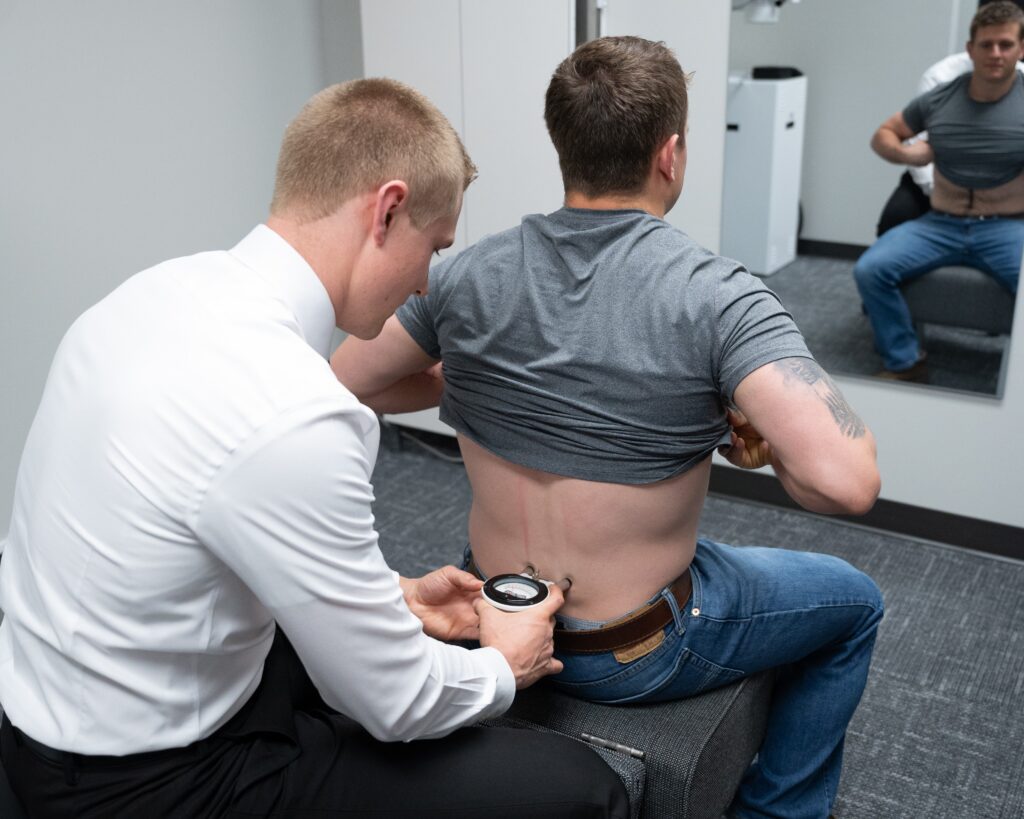

As a local chiropractor, I want to reassure you that if you’re dealing with lower back pain, you’re not alone. Many individuals are on the lookout for effective ways to manage their discomfort. Today, we’re seeing a growing trend in combining physical therapy, chiropractic care, and mindfulness practices to create a holistic approach to pain relief.
So, how do these methods work in harmony? By understanding how these strategies complement one another, we can enhance your pain management and prevention efforts. Chiropractic adjustments can help align your spine and improve mobility, while physical therapy can strengthen the muscles supporting your back. Meanwhile, incorporating mindfulness practices can help you manage stress and improve your overall well-being.
Together, these techniques form a comprehensive plan tailored to your needs. Let’s dive into the most promising options available today and explore how they can aid in your journey to a pain-free life.
Understanding Lower Back Pain: Causes and Symptoms
As a local Chiropractor, I’m here to help you understand lower back pain, a common issue that many people face at some point in their lives.
It’s important to recognize the various causes and symptoms associated with this discomfort to manage it effectively. Lower back pain can arise from several factors, such as muscle strain, poor posture, or even issues like herniated discs. Identifying the source of your pain is crucial for finding the right solutions.
You might experience symptoms ranging from a dull ache to sharp pain or stiffness in your lower back. Certain movements may worsen the discomfort, making it difficult to carry out your daily activities.
It’s also worth noting that lower back pain can sometimes radiate down to your legs, which may indicate nerve involvement.
By recognizing these symptoms early on, you can take proactive steps to address the issue before it escalates. Pay attention to any patterns or changes in your pain levels, as this information can be invaluable in understanding your condition.
With a solid understanding of the causes and symptoms of lower back pain, you’ll be better prepared to explore chiropractic care and natural healing options that can enhance your quality of life.
Physical Therapy: Tailored Techniques for Relief
When it comes to alleviating lower back pain, chiropractic care provides personalized techniques that can lead to significant relief. Our focus is on enhancing your body’s natural ability to heal by improving spinal alignment and overall function.
Here are three effective methods you can expect during your visits:
- Stretching Exercises: We emphasize stretching to help release tension and increase your range of motion. These exercises specifically target tight muscles in your lower back and legs, promoting flexibility.
- Strengthening Exercises: Core strength is crucial for supporting your spine and reducing unnecessary strain on your back. I’ll work with you on tailored exercises that target key muscle groups to help stabilize your spine.
- Manual Adjustments: Utilizing hands-on techniques, we can relieve pain and enhance mobility. This may include spinal adjustments and soft tissue manipulation, which are designed to restore proper alignment and function.
Mindfulness and Meditation: The Power of Mental Wellness
As a local chiropractor, I want to share how mindfulness and meditation can be effective tools in managing lower back pain and enhancing your mental wellness. These practices allow you to focus your attention and eliminate distractions, creating a mental space that reduces stress and promotes relaxation.
When you engage in mindfulness, you become more attuned to your body’s sensations. This awareness helps you identify areas of tension and discomfort without judgment, making it easier to understand your body’s signals.
Incorporating meditation into your routine can also equip you with valuable coping strategies for pain management. Techniques such as deep breathing and guided imagery can help you visualize a calm and pain-free state. By practicing these techniques regularly, you can build resilience, enabling you to respond to pain in a more positive and measured way.
You don’t need to spend hours meditating—just a few minutes each day can lead to significant improvements. Establishing a consistent routine can help you stay committed to these practices.
As you cultivate mindfulness and meditation, you may notice a shift in your perception of pain, giving you greater control and an empowered approach to managing your lower back discomfort.
Yoga and Stretching: Enhancing Flexibility and Strength
As a local chiropractor, I want to emphasize the significant benefits of incorporating yoga into your daily routine, especially for those dealing with lower back pain.
Yoga not only boosts flexibility and strength but also plays a crucial role in supporting your spinal health. By practicing effective stretching techniques, you can relieve tension and improve your overall mobility, making daily activities much easier.
Let’s delve into how these natural healing practices can enhance your well-being and transform your approach to back health.
Benefits of Yoga
As a local chiropractor dedicated to promoting natural healing, I want to share how yoga can be an effective complement to your chiropractic care, particularly for managing lower back pain.
Incorporating yoga into your wellness routine offers numerous benefits that can positively influence your back health:
- Enhanced Flexibility: Engaging in regular yoga practice can help loosen tight muscles and alleviate stiffness, allowing for a greater range of motion. This flexibility is crucial for preventing injuries and maintaining spinal health.
- Strengthening Core Muscles: Many yoga poses target and strengthen the core muscles, which play a vital role in providing stability and support to your lower back. A strong core can help reduce the strain on your spine and lower back.
- Stress Relief: The practice of yoga encourages relaxation and mindfulness, which are essential for reducing the tension that often contributes to back pain. By managing stress levels, you support overall wellness and enhance the effectiveness of your chiropractic treatments.
Integrating yoga into your life can be a beneficial strategy for improving your back health, and I encourage you to explore its potential alongside your chiropractic care.
Effective Stretching Techniques
As a local chiropractor, I want to share with you some effective stretching techniques that can significantly aid in managing lower back pain. Many of my patients have found that incorporating simple stretches into their daily routine not only enhances flexibility but also builds strength, which is essential for overall spinal health.
To start, I often recommend the cat-cow stretch as a great way to warm up your spine. This dynamic movement helps to mobilize the vertebrae and prepare your body for deeper stretches.
Following that, a gentle seated forward bend can be beneficial in elongating your lower back, providing relief from tension. Another favorite of mine is the child’s pose; it’s an excellent stretch that helps relax your muscles and encourages deeper breathing, which can further alleviate stress in your back.
I encourage you to hold each of these stretches for at least 20-30 seconds, focusing on your breath during the process. This mindfulness can enhance the effects of the stretches.
Consistency is crucial; aim to incorporate these stretches into your daily routine. As you continue to stretch and gain flexibility, you may start to notice improvements in your overall strength and a reduction in pain.
Embracing these techniques can lead to a healthier back, and as your chiropractor, I’m here to support you in your journey towards natural healing and wellness. Your back will truly thank you for it!
Chiropractic Care: Aligning Your Spine for Better Health
As a local chiropractor, I want to introduce you to the transformative benefits of chiropractic care, especially for those experiencing lower back pain. Our practice takes a holistic approach, focusing on spinal alignment and overall health to help you feel your best.
Here’s how chiropractic care can make a meaningful difference in your life:
- Pain Relief: Through precise chiropractic adjustments, we can alleviate pain by minimizing nerve interference and restoring your spine’s natural function. Many of our patients report significant improvements in their discomfort after just a few sessions.
- Increased Mobility: Realigning the spine not only helps with pain but also enhances your range of motion. This can make daily activities, from bending down to tie your shoes to playing with your kids, much easier and more enjoyable.
- Preventive Care: One of the greatest advantages of regular chiropractic visits is prevention. By maintaining your spine’s health, you can reduce the risk of chronic pain and future issues, allowing you to lead a more active and fulfilling life.
Incorporating chiropractic care into your wellness routine addresses not just the pain you’re currently facing, but also supports long-term health benefits.
If you’re struggling with lower back pain or simply want to enhance your overall well-being, I encourage you to schedule an appointment. Together, we can explore how chiropractic care can guide you toward a more balanced, pain-free life.
Acupuncture: Ancient Healing for Modern Pain
As a local chiropractor, I want to introduce you to an ancient healing practice that has been effectively used for thousands of years: acupuncture.
While it may seem unfamiliar, this technique is a valuable tool for pain relief, particularly when it comes to lower back discomfort.
Let’s delve into how acupuncture can serve as a complementary solution to your pain management, alongside chiropractic care and other natural healing methods.
Understanding these approaches can empower you to make informed decisions about your health and well-being.
Historical Origins of Acupuncture
As a chiropractor committed to natural healing methods, I want to share some insights into acupuncture, a fascinating technique that complements our approach to pain relief.
Acupuncture has deep historical roots, originating in China thousands of years ago, and has evolved through various cultural and philosophical influences. Here are some key points to consider:
- Ancient Texts: Acupuncture principles and practices are documented in texts like the Huangdi Neijing, which serve as a foundation for understanding how this technique works to restore balance and alleviate pain.
- Cultural Exchange: Over the centuries, acupuncture has spread along trade routes, interacting with and adapting to other ancient medical practices. This exchange has enriched both acupuncture and chiropractic care, as we share a commitment to holistic health.
- Modern Recognition: In recent decades, acupuncture has gained widespread acceptance as an effective method for pain management. This acknowledgment aligns with the chiropractic philosophy of treating the body as a whole and addressing the root causes of discomfort.
By understanding the historical context of acupuncture, we can appreciate its value as a complementary therapy to chiropractic care.
Both practices focus on natural healing and aim to improve overall well-being, providing you with a comprehensive approach to pain relief and health.
Mechanisms of Pain Relief
As a local chiropractor, I want to share how incorporating acupuncture into your pain management strategy can be beneficial. This ancient practice focuses on stimulating specific points in your body, which encourages the release of endorphins—your body’s natural pain relief chemicals.
By using fine needles to target these acupuncture points, we can enhance blood circulation and reduce inflammation, which is particularly effective for alleviating lower back pain.
In addition to pain relief, acupuncture plays a role in balancing your body’s energy, known as “qi,” which promotes overall wellness. After a session, many patients experience increased flexibility and a reduction in muscle tension.
It’s also worth noting that regular acupuncture treatments can’t only help with acute pain but also work to prevent future discomfort.
By integrating acupuncture into your chiropractic care routine, you can achieve a holistic approach to healing that complements other therapies. This combination can significantly improve your overall quality of life and well-being.
If you’re curious about how acupuncture can assist you on your path to recovery, don’t hesitate to reach out!
Ergonomics: Creating a Pain-Free Work Environment
As a local chiropractor, I want to emphasize the importance of creating an ergonomic work environment, especially since many of you spend long hours at your desks.
Proper ergonomics can significantly reduce the risk of experiencing lower back pain and other discomforts. Here are some simple adjustments you can make to enhance your comfort and support while working:
1. Chair Height: It’s essential to ensure that your chair is properly adjusted. Your feet should be flat on the floor, and your knees should form a 90-degree angle.
This positioning is crucial for maintaining healthy blood circulation and proper spinal alignment, which can help prevent pain and discomfort.
2. Monitor Position: The placement of your monitor is vital for your neck and back health. Position your monitor at eye level and about an arm’s length away from your face.
This arrangement reduces neck strain and encourages a more relaxed and natural posture while you work.
3. Desk Setup: Organize your workspace so that frequently used items are within easy reach.
Avoid stretching or twisting your body to grab things; such movements can strain your back and lead to discomfort.
By making these simple adjustments, you can create a more ergonomic workspace that promotes better health and well-being.
Lifestyle Changes: Nutrition and Exercise for Prevention
As a local chiropractor, I want to emphasize the significant role that lifestyle changes play in preventing lower back pain. While many of you may be focused on your work environment, it’s essential to recognize how your nutrition and exercise habits can greatly affect your spinal health.
A balanced diet is crucial. By incorporating anti-inflammatory foods such as fruits, vegetables, whole grains, and lean proteins into your meals, you can help maintain a healthy weight and reduce the strain on your back. This dietary approach not only supports your spine but also contributes to your overall well-being.
Regular exercise is equally important. Engaging in activities like swimming, walking, or yoga can strengthen your core muscles, enhance flexibility, and promote better posture.
I recommend aiming for at least 150 minutes of moderate aerobic activity each week, along with strength training exercises on two days. These habits can significantly reduce your risk of lower back pain.
It’s also vital to listen to your body. If you experience any pain, it’s important to modify your activities to avoid further injury.
By adopting these simple lifestyle changes, you can improve your health and significantly lower your chances of suffering from lower back pain.
Conclusion
As a local chiropractor, I want to help you understand how incorporating trending techniques can significantly alleviate your lower back pain. It’s essential to address the root causes of your discomfort, which is where chiropractic care plays a vital role. By combining adjustments with physical therapy and mindfulness practices, we can create a comprehensive approach to your health.
Additionally, I encourage you to explore the benefits of yoga, acupuncture, and ergonomic adjustments in your daily life. These holistic methods not only promote healing but also help prevent future pain, enhancing your overall well-being. By taking proactive steps, you can reclaim your comfort and mobility. Let’s work together to find the best strategies for your recovery and help you live a healthier, pain-free life!