When it comes to back pain, you might find that a one-size-fits-all approach just doesn't cut it. Personalization plays a vital role in developing effective treatment plans that reflect your unique medical history, lifestyle, and preferences. By focusing on tailored strategies, you can enhance your engagement in recovery, but what does this really look like in practice? The journey toward understanding your specific needs and utilizing innovative solutions could transform your experience with back pain in ways you never thought possible.
Understanding Back Pain Variability
Back pain isn't a one-size-fits-all issue; it varies considerably from person to person. You might experience sharp, shooting pains, while someone else feels a dull ache that lingers. Factors like age, lifestyle, and medical history all play significant roles in how back pain manifests for you. It's important to recognize that your unique experiences shape your pain.
Your body's mechanics are different from anyone else's. For instance, if you've had previous injuries, they might contribute to your current discomfort. Posture is another significant factor. If you spend long hours hunched over a computer, you may find that your back pain flares up more often, compared to someone who maintains good posture throughout the day.
Moreover, emotional factors can impact your perception of pain. Stress and anxiety can amplify the discomfort you feel, making it seem more intense. When you're stressed, your body tenses, which can exacerbate any existing pain.
Understanding these variabilities is essential for effective management. What works for your friend mightn't work for you. That's why paying attention to how your body responds to different movements and treatments is crucial.
Start keeping track of what triggers your pain and what alleviates it. This awareness can help you make informed decisions about your lifestyle and treatment options, leading to a more personalized approach in tackling your back pain.
Take the time to tune into your body; it'll pay off in the long run.
The Importance of Individual Assessment
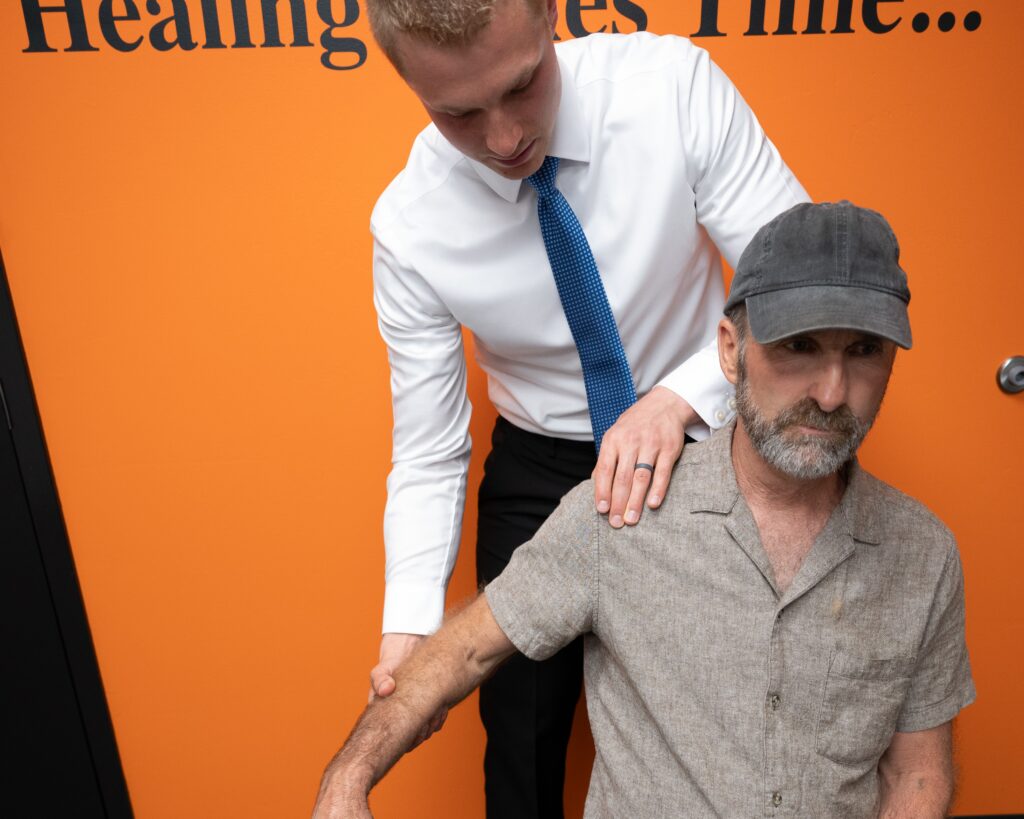
When it comes to managing your back pain, individual assessments are essential.
They allow healthcare providers to create tailored treatment approaches that align with your specific needs and goals.
Tailored Treatment Approaches
Each person's experience with back pain is unique, making tailored treatment approaches vital for effective recovery. You may find that what works for someone else doesn't necessarily work for you. That's why it's essential to evaluate your individual circumstances, including your lifestyle, physical condition, and personal preferences.
When you begin your journey to alleviate back pain, a personalized approach can involve a combination of therapies. You might benefit from physical therapy, targeted exercises, or even alternative treatments like acupuncture or chiropractic adjustments. By focusing on your specific needs, you can maximize the effectiveness of your treatment plan.
Moreover, understanding your pain triggers can help in creating a strategy that prevents future episodes. It's not just about addressing the pain; it's about enhancing your overall quality of life. Regularly reviewing your progress and adjusting your treatment as needed guarantees you stay on track.
Ultimately, tailoring your treatment approach means you're taking control of your recovery. Don't hesitate to communicate with your healthcare provider about what feels right for you. After all, your path to relief should reflect your unique experience with back pain.
Comprehensive Diagnostic Evaluations
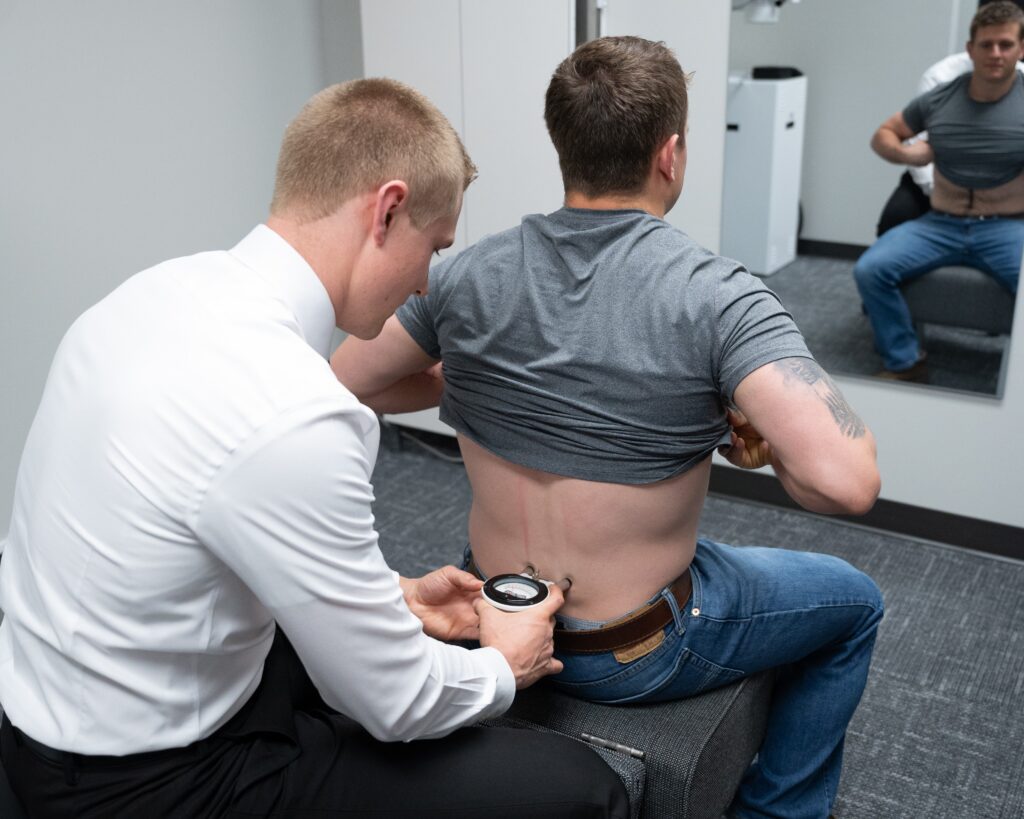
Your journey toward effective back pain relief starts with thorough diagnostic evaluations. These assessments don't just identify the source of your pain; they help you understand it. By evaluating your medical history, physical condition, and lifestyle factors, healthcare providers can pinpoint specific issues that contribute to your discomfort.
You might undergo a variety of tests, including imaging studies like X-rays or MRIs, and physical examinations that assess your range of motion and strength. Each evaluation provides essential insights that guide your treatment plan. Remember, a one-size-fits-all approach often falls short, and that's where personalized assessments shine.
Understanding your unique situation allows for targeted interventions that address your specific needs. For example, if your evaluation reveals muscle imbalances or postural issues, your treatment can focus on strengthening and correcting those areas. This tailored approach not only enhances your chances of recovery but also minimizes the risk of future pain.
Investing time in thorough diagnostic evaluations is vital. They lay the groundwork for an effective, personalized strategy that sets you on the path to lasting relief and improved quality of life.
Don't underestimate the power of knowing your body better.
Patient-Specific Goals
Personalized assessment is vital in setting patient-specific goals for back pain management. When you take the time to evaluate your unique circumstances, including your lifestyle, pain levels, and daily activities, you empower yourself to create a tailored approach.
It's not just about alleviating pain; it's about enhancing your quality of life. Identifying what matters most to you plays an important role in this process. Do you want to return to running, play with your kids, or simply sit comfortably at work? Your goals should reflect your personal aspirations, guiding your treatment plan.
By discussing these objectives with your healthcare provider, you can develop strategies that resonate with your life. Regularly reviewing and adjusting these goals is equally important. As you progress or face new challenges, adapting your targets guarantees that your treatment remains relevant and effective.
This dynamic approach keeps you engaged and motivated, leading to better outcomes.
Personalized Treatment Options
When it comes to back pain, one size definitely doesn't fit all.
You'll benefit most from tailored exercise regimens, customized pain management strategies, and individualized physical therapy that aligns with your unique needs.
Let's explore how these personalized options can help you find relief and improve your quality of life.
Tailored Exercise Regimens
Tailored exercise regimens frequently offer a powerful solution for managing back pain, as they address individual needs and limitations. When you work with a healthcare professional or a physical therapist, they can help design a program specifically for you. This personalized approach considers your fitness level, pain intensity, and any underlying conditions.
Incorporating specific exercises into your daily routine can strengthen your core muscles, improve flexibility, and enhance overall stability. Simple activities, like stretching or low-impact aerobic exercises, can make a significant difference without exacerbating your pain. You might find that gentle yoga or swimming suits your needs perfectly, allowing you to stay active while minimizing discomfort.
Moreover, tracking your progress can motivate you to stick with the regimen. Adjustments can be made as you improve, ensuring that your routine remains effective and engaging.
Customized Pain Management
Customized pain management strategies play an essential role in effectively alleviating back pain. By tailoring treatment options specifically to your unique situation, you can experience significant relief.
It's vital to take into account various factors, such as the severity of your pain, your medical history, and your lifestyle. One effective approach might involve a combination of medications, such as over-the-counter pain relievers or prescribed anti-inflammatories. These can help manage pain and reduce inflammation.
Additionally, alternative therapies like acupuncture or chiropractic adjustments may provide complementary relief, catering to your preferences and responses to different treatments.
Moreover, integrating lifestyle changes can enhance your pain management plan. For instance, adopting ergonomic practices at work or improving your posture can contribute to long-term relief. Engaging in mindfulness techniques, such as meditation or yoga, can also help you cope with pain more effectively.
It's important to communicate openly with your healthcare provider about what works for you and what doesn't. By actively participating in your treatment plan, you can discover the best combination of strategies that lead to a more personalized and effective approach to managing your back pain.
Individualized Physical Therapy
Individualized physical therapy offers a targeted approach to treating back pain, ensuring that the treatment aligns with your specific needs and goals. Unlike one-size-fits-all solutions, this therapy takes into account your unique situation, including your medical history, lifestyle, and personal preferences.
When you begin your journey, a skilled therapist will assess your condition through detailed evaluations. This allows them to identify the root causes of your pain and develop a customized plan that may include exercises, stretches, and manual therapy techniques tailored just for you.
As you progress, your therapist will continuously monitor your response to treatment, adjusting your plan as needed to maximize effectiveness. You'll not only focus on alleviating pain but also on improving your function and preventing future issues.
Moreover, individualized physical therapy empowers you to take an active role in your recovery. By setting specific, achievable goals together, you'll stay motivated and engaged throughout the process.
Ultimately, this personalized approach helps you reclaim control over your back pain, leading to a more fulfilling life without the limitations that discomfort brings. Embrace the power of individualized therapy and start your journey to a pain-free future today.
Technology in Pain Management
In today's world, innovative technology is revolutionizing pain management for those suffering from back pain. You now have access to a variety of tools and devices that can greatly enhance your comfort and well-being. From wearable devices that monitor your posture to smart applications that provide personalized exercise regimens, technology is empowering you to take control of your pain management journey.
One of the most exciting advancements is the use of telehealth services. You can now consult with healthcare professionals without leaving your home, receiving guidance tailored to your specific needs. Virtual appointments allow for real-time assessments and adjustments to your treatment plan, making it easier than ever to stay on track.
Moreover, advancements in pain relief devices, like transcutaneous electrical nerve stimulation (TENS) units, provide non-invasive options for managing pain. These devices work by sending electrical impulses to disrupt pain signals, offering you immediate relief.
Similarly, biofeedback technology helps you gain insights into your body's responses, enabling you to develop better coping strategies.
Mobile apps are another game-changer. With features like symptom tracking, medication reminders, and educational resources, these apps can help you stay organized and informed. You can also connect with online communities, sharing experiences and tips with others facing similar challenges.
As technology continues to evolve, you'll find even more personalized solutions tailored to your unique pain management needs. Embracing these innovations can lead to improved outcomes and a better quality of life.
Lifestyle Modifications for Relief
Incorporating simple lifestyle modifications can greatly alleviate back pain and improve your overall well-being. Start by focusing on your posture. Whether you're sitting at a desk or standing in line, keep your spine aligned and shoulders back. Investing in ergonomic furniture can make a huge difference, too.
Next, consider your activity level. Regular low-impact exercises, like walking or swimming, can strengthen your back muscles and enhance flexibility. Aim for at least 30 minutes of activity most days. If you're not sure where to start, think about joining a yoga or pilates class; both can help increase core strength and improve posture.
Don't underestimate the power of a balanced diet. Eating a variety of fruits, vegetables, whole grains, and lean proteins supports overall health, which can reduce inflammation and help with pain management. Staying hydrated is essential, so drink plenty of water throughout the day.
You should also pay attention to your sleep habits. A supportive mattress and proper pillow can greatly influence how your back feels when you wake up. Aim for a consistent sleep schedule, as quality rest allows your body to recover and reduce pain.
Lastly, consider stress management techniques. Chronic stress can tense your muscles and exacerbate pain. Practices like mindfulness, meditation, or deep breathing exercises can help you relax and manage stress effectively.
Success Stories and Case Studies
Many people have found relief from chronic back pain through a combination of the strategies discussed earlier.
Personalized approaches can make a significant difference in your journey toward pain management. Here are a few success stories that highlight how tailored strategies have transformed lives:
- Emily: After struggling with debilitating lower back pain for years, Emily discovered the power of targeted stretching and strengthening exercises. By working with a physical therapist, she created a customized routine that not only alleviated her pain but also improved her overall mobility.
- Mark: Mark was skeptical about the impact of diet on his back pain. However, after consulting with a nutritionist, he embraced an anti-inflammatory diet. Within weeks, he noticed a decline in his pain levels, allowing him to engage in activities he thought were lost forever.
- Lisa: Chronic stress exacerbated Lisa's back pain. By incorporating mindfulness and meditation into her daily routine, she found a way to manage her stress, leading to a remarkable reduction in her discomfort.
- Tom: With a busy lifestyle, Tom often neglected rest and recovery. By setting aside dedicated time for self-care and prioritizing sleep, he experienced a significant decrease in his back pain, enhancing both his productivity and quality of life.
These stories illustrate that a personalized approach can lead to effective, lasting relief.
You too can find your unique path to overcoming back pain.
Conclusion
Incorporating personalization into your back pain management can truly transform your recovery journey. By focusing on your unique needs and goals, you can access tailored treatment options that resonate with your lifestyle. Embracing technology and making targeted lifestyle changes empower you to take control of your health. Remember, your path to lasting relief is a collaborative effort, and with the right strategies, you can greatly enhance your quality of life. Don't hesitate to seek the support you deserve!