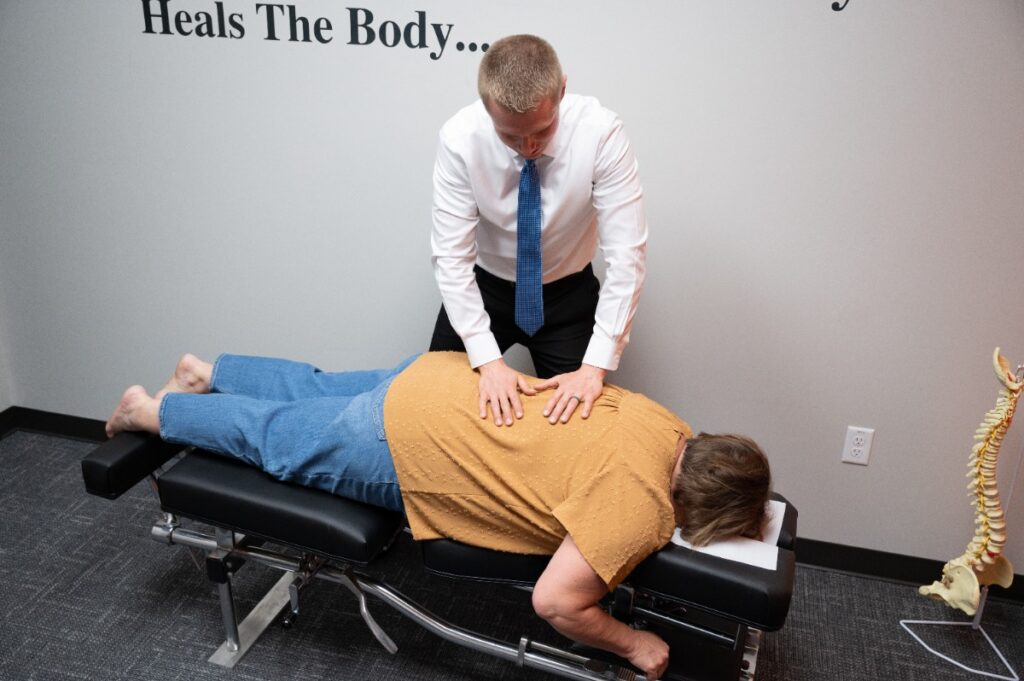

As a local chiropractor, I want to help you understand just how much your posture impacts your day-to-day life. Many people don’t realize that poor alignment can lead to discomfort, fatigue, and even a dip in self-confidence. The great news is that with just a few simple adjustments, you can experience a remarkable transformation.
Understanding the significance of good posture is crucial, and it’s just as important to recognize the common mistakes many of us make. By doing so, you can embark on a path toward a pain-free existence. You might be wondering where to start—let’s take a look at some effective strategies to enhance your posture and boost your overall well-being. Together, we can make these positive changes in your life!
Understanding the Importance of Good Posture
As a local chiropractor, I want to emphasize the significant role that good posture plays in your overall health and well-being. It’s not solely about projecting confidence; proper posture is crucial for how your body operates on a daily basis. When you maintain good posture, you help align your spine correctly, which minimizes strain on your muscles and ligaments. This alignment is key to preventing discomfort and fatigue, allowing you to feel more energized throughout your day.
Moreover, good posture can enhance your breathing and digestion. When you sit or stand tall, your lungs have the necessary space to expand fully, enabling you to take deeper, more effective breaths. This increase in oxygen flow can lead to improved focus and mental clarity—something we all desire in our busy lives.
Additionally, proper posture can significantly boost your self-esteem. When you carry yourself well, you naturally feel more empowered and ready to face challenges head-on.
As your chiropractor, I encourage you to make a conscious effort to check and adjust your posture throughout the day. By doing so, you’ll likely experience a range of positive effects on both your health and confidence.
Common Causes of Poor Posture
As a local chiropractor, I want to help you understand that poor posture is often a result of a sedentary lifestyle, where spending long hours sitting can significantly affect your body.
If your workplace setup isn’t designed with ergonomics in mind, it can lead to discomfort and misalignment in your spine and joints.
Furthermore, many people experience muscle imbalances and weaknesses that contribute to slouching or awkward positions.
It’s crucial to address these issues, as they can lead to chronic pain and other health concerns.
Sedentary Lifestyle Effects
As a local chiropractor, I want to share how a sedentary lifestyle can significantly affect your posture and overall well-being. Many of you may not realize that spending extended periods sitting—whether at a desk, on the couch, or in your car—can lead to discomfort and pain.
When you sit for long hours, your muscles can weaken and tighten, which may cause your spine to misalign. This misalignment often results in slouching, putting unnecessary strain on your back and neck.
You might experience stiffness in your shoulders and hips, which can limit your ability to move freely. Additionally, prolonged sitting can hinder circulation, leading to increased fatigue and amplified discomfort.
To counteract these negative effects, it’s crucial to incorporate regular movement into your daily routine. Simple activities like stretching, taking short walks, or even standing up periodically can help reinforce proper posture and reduce the risk of pain.
Improper Ergonomics at Work
As a local chiropractor, I often see patients struggling with discomfort and pain that stems from improper ergonomics in their workspaces.
It might feel like your setup is comfortable, but over time, poor ergonomics can lead to serious posture problems. Many people are unaware that making a few simple adjustments can significantly improve their well-being.
Here are some common contributors to poor posture that I encourage my patients to address:
- Chair height: An improperly adjusted chair can lead to strain on your back and neck. Ensure your chair is at the right height to support your spine’s natural curve.
- Monitor position: If your monitor is positioned too high or low, it forces you to bend or twist your neck, which can lead to discomfort. Ideally, the top of the screen should be at eye level.
- Keyboard placement: A keyboard that’s too far away or set at an awkward angle can cause wrist strain. Keep your keyboard close and at a level that allows your wrists to remain straight.
- Foot positioning: If your feet are dangling or not properly supported, it can disrupt your overall alignment. Make sure your feet are flat on the ground or on a footrest to maintain stability.
By recognizing these factors and making the necessary adjustments, you can enhance your comfort and reduce the risk of developing chronic issues.
If you’re experiencing persistent pain, I invite you to explore chiropractic care as a natural healing option to help restore balance and function to your body.
Muscle Imbalance and Weakness
As a local chiropractor, I want to shed some light on a common issue that many people experience: muscle imbalances and weakness. These problems can quietly develop over time, significantly impacting your posture and overall health.
When certain muscles become stronger while others weaken, it can throw your body’s alignment out of balance. For instance, tight hip flexors may pull your pelvis forward, resulting in an exaggerated curve in your lower back. On the other hand, weak core muscles can lead to inadequate support for your spine, causing slouching and discomfort.
You mightn’t even be aware of these imbalances until they manifest as pain, but the good news is that they can be effectively addressed. Strengthening the weaker muscles and stretching the tighter ones is crucial for restoring balance.
I encourage you to incorporate specific exercises into your daily routine, such as planks to strengthen your core and hip stretches to improve flexibility.
By actively working to correct these imbalances, you can promote better posture, alleviate pain, and enhance your overall well-being. Taking charge of your body’s alignment is an essential step towards a healthier life.
If you have any questions or would like personalized guidance on exercises, I’m here to help. Let’s work together to achieve your health goals!
The Connection Between Posture and Pain
As your local chiropractor, I want to emphasize that good posture is about more than just looking good; it plays a crucial role in how you feel every day.
Many people are unaware that poor posture can lead to various types of pain that disrupt daily activities. When you slouch or sit improperly, you put unnecessary strain on your muscles and joints, which can result in discomfort and fatigue.
Let’s explore four significant ways that posture is linked to pain:
- Neck Pain: Have you ever noticed how leaning forward can strain your neck? This forward head posture puts pressure on your neck muscles, leading to tension and discomfort. Maintaining proper alignment can help alleviate this strain.
- Back Pain: The alignment of your spine is essential for overall health. When your spine is misaligned, it can create pressure on the discs and nerves, often resulting in lower back pain. Chiropractic adjustments can help restore proper alignment and reduce pain.
- Shoulder Pain: Rounded shoulders can limit your range of motion and lead to pain in your upper back and shoulders. By practicing better posture and engaging in specific exercises, we can work together to relieve this discomfort.
- Headaches: Did you know that poor posture can contribute to tension headaches? Tight muscles in the neck and shoulders often lead to headaches. By addressing your posture, we can help alleviate muscle tightness and reduce the frequency of headaches.
As your chiropractor, I’m here to help you understand the importance of posture and its connection to pain.
Together, we can develop a plan that focuses on natural healing and improved alignment for your overall well-being.
Simple Posture Assessment Techniques
As a local chiropractor, I want to emphasize that evaluating your posture at home can be straightforward and beneficial for your overall health. Here are some simple techniques you can use to assess your alignment and identify any areas that may need attention.
Start by standing against a wall, ensuring that your heels, buttocks, and shoulders are all in contact with it. Take a moment to check if your head naturally rests against the wall. If you notice a gap between your head and the wall, this may indicate a forward head posture, which is common and can lead to discomfort over time.
Next, find a sturdy chair and sit with your back straight and feet flat on the ground. Pay close attention to whether your hips are aligned evenly and if your spine is maintaining its natural curves. Proper seating posture is key to preventing strain and discomfort.
For a quick side view assessment, stand sideways in front of a mirror. Ensure that your ears are aligned with your shoulders, hips, knees, and ankles. This alignment is crucial for optimal posture and can help reduce tension in your body.
Lastly, consider doing a walking assessment. Walk across the room while being mindful of your head position and shoulder relaxation. Ideally, your head should stay level, and your shoulders should remain relaxed, indicating good posture during movement.
By regularly practicing these simple techniques, you can gain valuable insights into your alignment. This awareness can help you address any issues early on and track your progress as you work towards better posture and overall health.
Effective Exercises to Improve Posture
As a local chiropractor dedicated to enhancing your well-being, I want to share some effective exercises that can improve your posture and overall health. Many people may not realize how closely posture is linked to their physical comfort and alignment.
Here are four exercises I recommend integrating into your daily routine:
- Wall Angels: This exercise is fantastic for strengthening your upper back and improving shoulder mobility. Stand with your back against a wall and raise your arms to create a “W” shape. Then, slide your arms up to form a “Y” while keeping your back pressed against the wall. This simple movement can significantly enhance your posture.
- Cat-Cow Stretch: Get on all fours and gently alternate between arching your back (like a cat) and lowering your belly (like a cow). This dynamic stretch promotes spinal flexibility and alleviates tension, making it a wonderful addition to your daily regimen.
- Plank: Holding a plank position for about 20-30 seconds can do wonders for your core strength and stability. A strong core is essential for maintaining proper posture and preventing back pain.
- Chin Tucks: This exercise can be done while sitting or standing. Simply tuck your chin in towards your chest while keeping your spine straight. This action helps align your head over your shoulders, which is crucial for reducing neck strain and promoting better posture.
Incorporating these exercises into your routine can lead to noticeable improvements in your posture and overall health.
Daily Habits for Maintaining Good Posture
As a chiropractor dedicated to your health, I want to emphasize the importance of daily habits that support your spine and overall posture.
Incorporating regular stretching exercises into your routine can enhance muscle flexibility, which is crucial for maintaining a healthy spine. Additionally, setting up an ergonomic workspace is vital; this ensures that you’re aligned and comfortable throughout your day, reducing strain on your body.
By making these simple adjustments, you’ll not only notice an improvement in your posture but also in your overall well-being.
Stretching Exercises Daily
As a chiropractor, I want to emphasize the importance of incorporating daily stretching exercises into your routine, as they can significantly improve your posture and overall well-being.
Just a few minutes each day can help relieve tension and enhance flexibility, which is essential for maintaining a healthy spine.
Here are four effective stretches I recommend for my patients:
- Chest Opener: Stand tall with your feet shoulder-width apart. Clasp your hands behind your back and gently pull your arms away from your body. This stretch opens up your chest and counteracts the forward hunch many of us develop from sitting for long periods.
- Cat-Cow Stretch: Get on all fours, positioning your hands under your shoulders and your knees under your hips. Slowly alternate between arching your back upwards (like a frightened cat) and lowering your belly while lifting your head (like a cow). This dynamic stretch helps increase flexibility in your spine and promotes better alignment.
- Seated Forward Bend: Sit on the floor with your legs extended straight in front of you. Reach for your toes while keeping your back straight. This stretch targets your hamstrings and lower back, which can often become tight and contribute to poor posture.
- Shoulder Rolls: While sitting or standing, roll your shoulders forward in a circular motion, and then reverse the direction to roll them backward. This simple exercise helps release tension in your shoulders and upper back, promoting a more relaxed posture.
By making these stretches a daily habit, you won’t only notice a significant improvement in your posture but also experience greater comfort and mobility.
Ergonomic Workspace Setup
As a local chiropractor, I want to emphasize that improving your posture isn’t just about stretching; it’s crucial to create an ergonomic workspace that supports your body properly.
Begin by adjusting your chair so that your feet are flat on the floor and your knees are at hip level. This simple adjustment can significantly reduce strain on your lower back. Position your monitor at eye level, approximately an arm’s length away, to prevent unnecessary neck strain.
It’s also essential to use a chair that offers good lumbar support, which helps maintain the natural curve of your spine. Ensure your keyboard and mouse are easily accessible to avoid overreaching, as this can lead to shoulder and wrist discomfort over time.
Remember to take regular breaks to stand, stretch, and move around; these breaks are vital for your overall well-being.
By setting up your workspace ergonomically, you not only improve your comfort but also support better posture, which is key to alleviating pain and discomfort.
As your chiropractor, I encourage you to take these steps seriously for your long-term health.
Tools and Resources for Posture Support
As a local chiropractor, I understand that many of you may know the importance of maintaining good posture, but the right tools and resources can significantly enhance your journey toward lasting improvement.
Here are some essential items you should consider incorporating into your daily routine:
- Ergonomic Chair: Investing in an ergonomic chair designed to support your lower back is crucial. It encourages natural spine alignment, which is vital for your overall health and comfort.
- Posture Corrector: A posture corrector can serve as a gentle reminder to keep your body aligned while sitting or standing. This tool can help retrain your muscles over time, promoting healthier habits.
- Standing Desk: I recommend alternating between sitting and standing throughout your day. A standing desk can help relieve pressure on your spine, which is beneficial for maintaining better posture.
- Foam Roller: Incorporating a foam roller into your routine can be incredibly helpful. It aids in releasing tension in tight muscles, improving flexibility, and encouraging proper alignment.
By utilizing these tools, you can take proactive steps toward enhancing your posture and overall well-being.
Listening to Your Body: When to Seek Professional Help
As a local chiropractor, I want to emphasize the importance of listening to your body when it comes to recognizing the need for professional help, especially regarding posture-related issues.
If you find yourself experiencing persistent pain, discomfort, or stiffness, please don’t ignore those warning signs. Your body is incredibly intuitive and often signals when something isn’t quite right, so it’s crucial to pay attention to any unusual sensations.
If you notice that you’re constantly adjusting your posture to find relief, this is a clear indication that your current habits may benefit from a professional evaluation.
Additionally, symptoms such as numbness, tingling, or weakness in any part of your body shouldn’t be overlooked, as they can point to underlying problems that require attention.
As your chiropractor, I’m here to provide the support and guidance you need. I can assess your posture, identify any imbalances, and recommend personalized strategies to enhance your alignment and overall well-being.
Conclusion
As a local chiropractor dedicated to your health, I want to emphasize the importance of posture and how it can significantly impact your overall well-being. By making simple adjustments to your daily habits, you can alleviate pain and enhance your quality of life. Start by evaluating how you sit throughout the day; many of us are unaware of the strain our posture can cause.
Incorporating posture-enhancing exercises into your routine can be incredibly beneficial. These exercises help strengthen the muscles that support your spine and improve alignment. Additionally, utilizing ergonomic tools in your workspace can make a world of difference—these are designed to support your body and reduce strain.
Always listen to your body’s signals. If you’re experiencing discomfort, don’t hesitate to reach out for professional guidance; as a chiropractor, I can help assess your posture and provide tailored recommendations to suit your needs.
With consistent effort and the right support, you can transform not only your posture but also your energy levels and confidence. Begin your journey today towards a healthier, pain-free life—let’s work together to unlock your full potential!