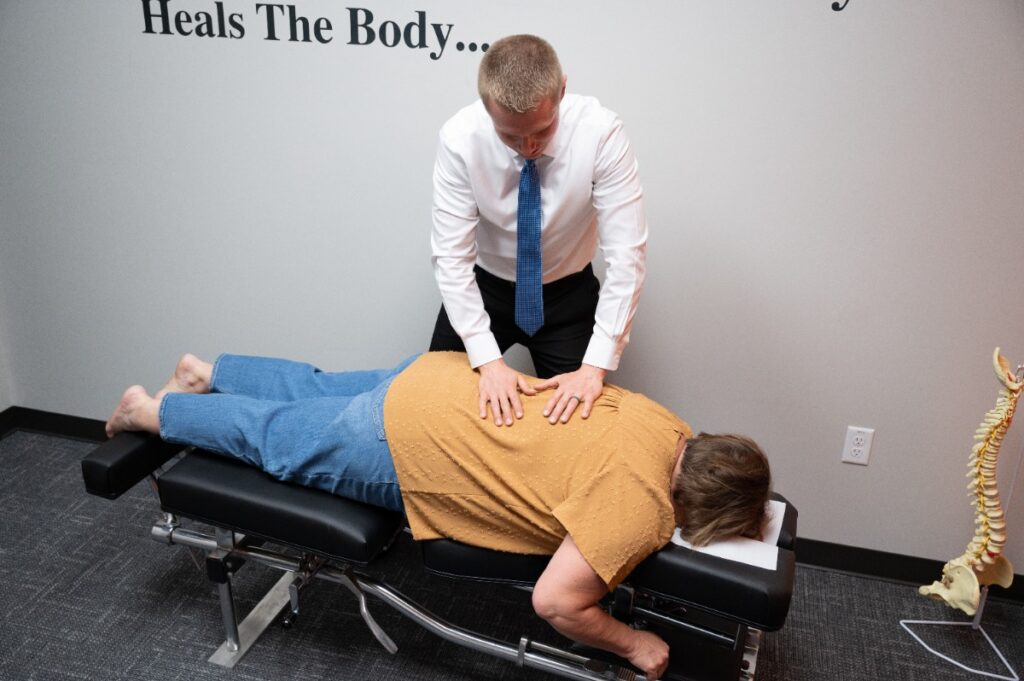

You might not realize just how integral chiropractors can be in preventing chronic diseases. By focusing on enhancing your musculoskeletal function and promoting better posture, they lay the groundwork for improved overall health. They also offer stress management strategies and nutritional guidance that empower you to make informed choices. But that's just the beginning—there are several other critical ways these professionals can support your long-term wellness. Curious about how these approaches can influence your daily life?
Enhanced Musculoskeletal Function
Enhanced musculoskeletal function is essential for maintaining an active lifestyle and preventing chronic diseases. When your muscles, joints, and bones work together efficiently, you're not only able to move freely but also reduce the risk of various health issues. Regular chiropractic care plays a significant role in improving this function.
You mightn't realize it, but the alignment of your spine greatly affects your overall well-being. Misalignments can lead to discomfort and restricted movement, which may encourage a sedentary lifestyle. By seeking chiropractic adjustments, you can restore proper alignment, improve your range of motion, and alleviate pain. This allows you to engage in physical activities that strengthen your muscles and enhance cardiovascular health.
In addition, chiropractors often provide personalized exercise recommendations tailored to your unique needs. These exercises can help you build strength, flexibility, and endurance, which are essential for maintaining an active lifestyle. When your musculoskeletal system functions effectively, you're more likely to participate in regular physical activity, which is crucial for preventing chronic diseases like obesity, diabetes, and heart disease.
Moreover, chiropractic care can improve your body's overall biomechanics. When your body moves efficiently, you're less likely to experience injuries that could sideline you from your favorite activities.
Posture Improvement Techniques
Good posture is a key component of overall musculoskeletal health and can greatly impact your daily life. When you maintain proper alignment, you reduce strain on your muscles and joints, which helps prevent discomfort and chronic conditions. Here are some effective posture improvement techniques you can incorporate into your routine.
First, be mindful of your sitting posture. When you sit, keep your feet flat on the floor, your back straight, and your shoulders relaxed. Use ergonomic chairs that support your lower back and encourage a neutral spine position. If you work at a desk, consider a standing desk option to alternate between sitting and standing.
Next, practice posture exercises. Simple stretches, like chin tucks and shoulder rolls, can help realign your spine and strengthen the muscles that support good posture. Incorporate core-strengthening exercises, such as planks and bridges, into your workout routine. A strong core stabilizes your pelvis and spine, promoting better alignment.
Additionally, be conscious of your posture while using your phone or computer. Hold your device at eye level to avoid slouching or craning your neck. Set reminders to check your posture throughout the day, especially during long periods of sitting.
Lastly, consider seeking guidance from a chiropractor. They can assess your posture and provide personalized recommendations, ensuring you develop habits that support your musculoskeletal health.
Stress Management Strategies
Stress is an inevitable part of life, but managing it effectively can greatly improve your overall well-being. Chiropractors often provide valuable tools and strategies to help you cope with stress, which can ultimately contribute to chronic disease prevention.
One effective strategy is incorporating regular chiropractic adjustments into your routine. These adjustments can reduce muscle tension, improve spinal alignment, and promote relaxation, helping your body better handle stress. You might find that a visit to your chiropractor not only eases physical discomfort but also provides a mental reset.
In addition, chiropractors may teach you breathing exercises. Deep, controlled breathing promotes relaxation and helps lower cortisol levels, the hormone associated with stress. Practicing these techniques daily can empower you to respond more calmly to stressors as they arise.
Mindfulness and meditation are other powerful strategies that chiropractors can introduce. By encouraging you to focus on the present moment, these practices help reduce anxiety and improve emotional resilience. You can easily incorporate them into your daily routine, even if it's just for a few minutes.
Finally, your chiropractor may suggest gentle exercises or stretches tailored to your needs. Physical activity releases endorphins, the body's natural stress relievers, and can notably enhance your mood.
Nutrition and Lifestyle Guidance
When it comes to preventing chronic disease, your nutrition and lifestyle choices play an essential role.
You can boost your health by following dietary recommendations and incorporating exercise into your daily routine. Together, these strategies create a solid foundation for overall wellness.
Dietary Recommendations for Health
To maintain ideal health and prevent chronic diseases, embracing proper dietary recommendations is vital. By making informed food choices, you can markedly improve your overall well-being.
Start by incorporating a variety of whole foods into your diet, focusing on fruits, vegetables, whole grains, lean proteins, and healthy fats. These foods provide essential nutrients that support your body's functions and boost your immune system.
Limit processed foods, added sugars, and unhealthy fats, as they can contribute to inflammation and chronic conditions. Instead, aim to prepare meals at home, where you can control the ingredients and portion sizes.
Staying hydrated is also imperative; drink plenty of water throughout the day to support digestion and overall health.
Consider mindful eating practices, which involve paying attention to your hunger cues and savoring each bite. This approach can help you make healthier choices and prevent overeating.
Finally, consult a healthcare professional, like a chiropractor, who can provide personalized dietary advice tailored to your individual needs and lifestyle.
Exercise and Wellness Plans
A well-structured exercise and wellness plan is vital for enhancing your overall health and preventing chronic diseases. When you incorporate regular physical activity, you're not just improving your fitness; you're also lowering your risk for conditions like heart disease, diabetes, and obesity.
Chiropractors can help you create a personalized plan that fits your lifestyle and goals. Start by evaluating your current fitness level and identifying any specific health concerns. Your chiropractor can guide you in choosing exercises that strengthen your body while minimizing the risk of injury.
Incorporate a mix of aerobic activities, strength training, and flexibility exercises. This variety keeps you engaged and promotes overall wellness.
Nutrition plays an important role in your wellness plan, too. Pair your exercise routine with balanced meals rich in whole foods, lean proteins, and healthy fats to fuel your body effectively.
Don't forget the importance of rest and recovery. Your body needs time to repair and rejuvenate after workouts.
Exercise and Mobility Promotion
In promoting exercise and mobility, chiropractors play an essential role in enhancing overall health and preventing chronic diseases. They understand the link between physical activity and improved well-being, guiding you to adopt a more active lifestyle. By evaluating your specific needs and limitations, chiropractors create tailored exercise plans that maximize your mobility while minimizing the risk of injury.
You'll find that regular chiropractic adjustments can improve your range of motion, making it easier to engage in physical activities. Chiropractors encourage you to integrate exercises that strengthen your core, improve flexibility, and enhance endurance. This holistic approach not only boosts your physical capabilities but also supports your mental health and resilience.
In addition to personalized exercise regimens, chiropractors often incorporate mobility-enhancing techniques, such as stretching and strengthening exercises, into your treatment plan. This proactive approach helps you maintain functional movement and can notably reduce your risk of developing chronic conditions like obesity, heart disease, and diabetes.
Moreover, chiropractors often monitor your progress and adjust your exercise plan as needed, ensuring you stay on track with your health goals. By fostering a supportive environment, they motivate you to stay committed to your fitness journey.
Ultimately, through their guidance and expertise, chiropractors empower you to take charge of your health, making exercise an integral part of your daily routine. By prioritizing mobility, you're not just enhancing your quality of life; you're also laying the foundation for a healthier future.
Education on Chronic Disease Risks
Understanding the risks associated with chronic diseases is essential for maintaining your health and well-being. Chiropractors play a vital role in educating you about these risks, helping you make informed choices to prevent such conditions. They often discuss factors like obesity, sedentary lifestyles, and poor nutrition that contribute to chronic diseases such as diabetes, heart disease, and hypertension.
During your visits, a chiropractor will assess your lifestyle and health history, identifying specific risk factors that may apply to you. They'll explain how these factors can impact your overall health and what steps you can take to mitigate these risks.
For instance, if you're sitting for long periods at work, they might suggest ergonomic adjustments or stretches to improve your posture and mobility, which can help prevent chronic pain and other related issues.
Moreover, chiropractors provide resources and guidance on nutrition and exercise tailored to your needs. They'll emphasize the importance of maintaining a balanced diet and staying active, linking these habits directly to chronic disease prevention.
You'll gain valuable insights into how small lifestyle changes can lead to significant health improvements.
Conclusion
Incorporating chiropractic care into your wellness routine can greatly bolster your efforts in chronic disease prevention. By enhancing musculoskeletal function, improving posture, and promoting exercise, you're setting the foundation for a healthier lifestyle. Don't forget the importance of stress management and proper nutrition; they play vital roles in your overall well-being. By staying informed about chronic disease risks, you empower yourself to make lasting changes that lead to better health and a more vibrant life.