
When you think about athletic recovery, you might not immediately consider the role of chiropractors, but their contributions are significant. They help enhance your spinal alignment and optimize nervous system function, which can lead to improved muscle responsiveness and range of motion. By employing techniques like soft tissue therapy and customized rehabilitation plans, chiropractors address muscle tension and speed up healing. Add in nutritional guidance, and you've got a thorough approach to recovery. Curious about how these methods can specifically benefit you? Let's explore the top ways chiropractors can enhance your athletic performance and recovery.
Spinal Adjustments
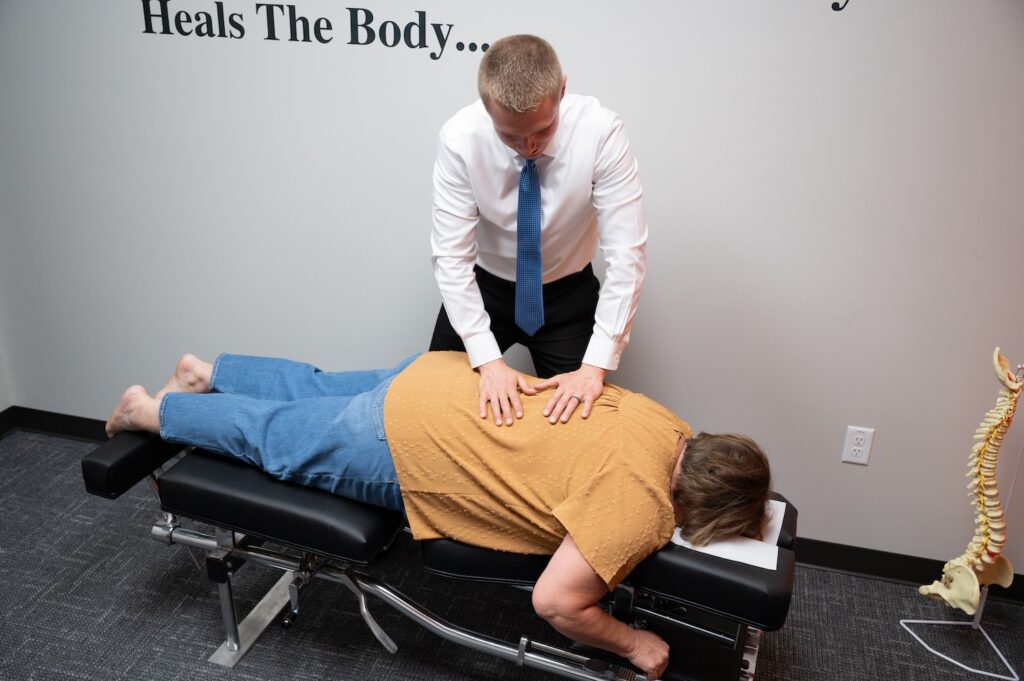
Spinal adjustments play an essential role in enhancing athletic recovery. When you undergo these adjustments, you're not just alleviating pain; you're also maximizing your body's performance. A properly aligned spine guarantees that your nervous system functions effectively, allowing your muscles to respond quickly and efficiently during physical activities. This responsiveness is critical for athletes who push their limits.
Regular spinal adjustments can help you maintain ideal range of motion, which is necessary for preventing injuries. When your spine is misaligned, it can lead to compensatory movements that put unnecessary strain on your muscles and joints. By correcting those misalignments, you're confirming that your body moves in harmony, reducing the risk of injuries and enhancing overall performance.
Moreover, spinal adjustments improve blood flow, which is essential for delivering nutrients and oxygen to your muscles. This enhanced circulation accelerates healing and recovery after intense workouts or competitions. You'll find that with consistent adjustments, your recovery times can notably decrease, allowing you to train harder and more frequently.
You may also experience better sleep quality and reduced stress levels, both of which are significant for recovery. Quality sleep helps your body repair itself, while lower stress levels can enhance your focus and mental clarity during athletic endeavors.
Soft Tissue Therapy
While spinal adjustments provide significant benefits for athletic recovery, soft tissue therapy complements these treatments by addressing muscle tension and promoting healing. This approach focuses on the muscles, tendons, and fascia surrounding your joints, helping alleviate pain and improve range of motion.
During a session, your chiropractor will use various techniques such as massage, myofascial release, or trigger point therapy to identify and treat areas of tightness or discomfort. You'll find that these methods not only relieve pain but also enhance blood flow to the affected areas, speeding up recovery.
By breaking down adhesions and promoting flexibility, soft tissue therapy can help you return to your sport more quickly and with greater ease. You might be surprised at how much muscle tension can affect your overall performance.
By integrating soft tissue therapy into your recovery routine, you can reduce the risk of injury and improve your overall athletic capability. It's particularly beneficial after intense training sessions or competitions, as your muscles often need extra care to recover fully.
Furthermore, soft tissue therapy can be tailored to your specific needs, ensuring you receive targeted treatment that addresses your unique physical demands. This personalized approach not only aids in recovery but also enhances your athletic performance over time.
Customized Rehabilitation Plans
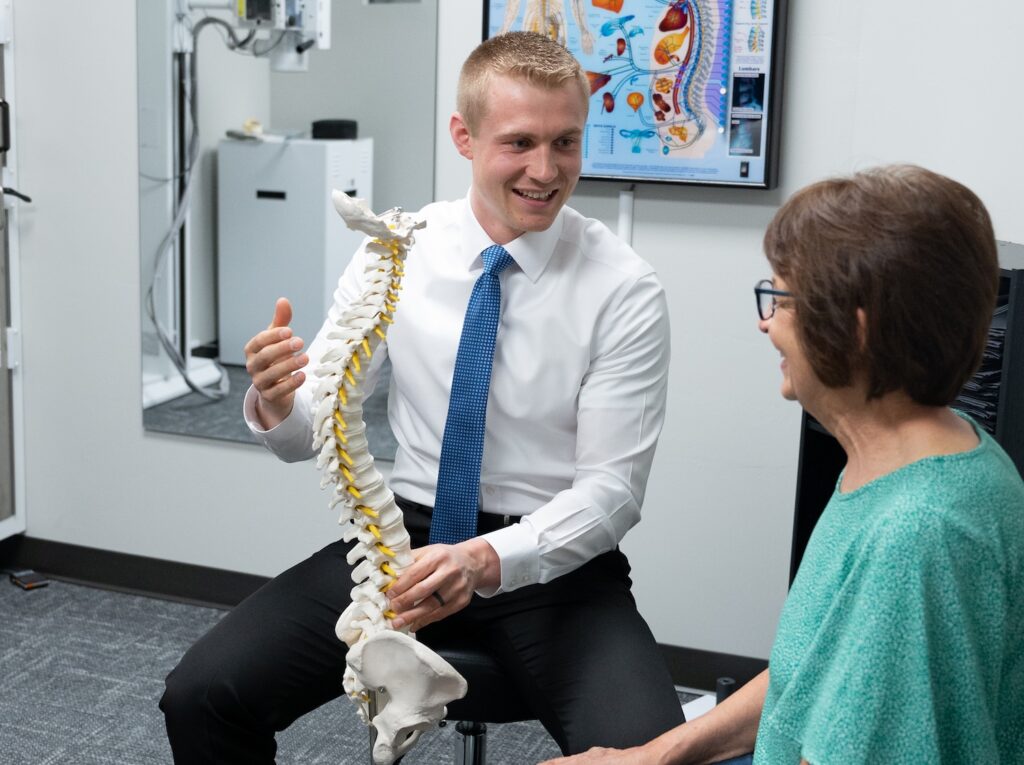
To optimize your recovery, customized rehabilitation plans are essential for athletes. Every athlete's body is unique, and injuries can vary considerably in their nature and severity. A one-size-fits-all approach simply won't cut it. When you work with a chiropractor, they'll assess your specific needs, taking into account your injury history, sport-specific movements, and personal goals.
This tailored approach guarantees that your rehabilitation program focuses on the areas that require the most attention. For instance, if you've suffered a shoulder injury, your chiropractor might design a plan that emphasizes strengthening the rotator cuff while also improving flexibility in the surrounding muscles. This targeted strategy not only speeds up your recovery but also enhances your overall performance.
Moreover, customized rehabilitation plans often include a combination of therapies. Your chiropractor may incorporate manual therapy, therapeutic exercises, and modalities like ultrasound or electrical stimulation. This all-encompassing approach helps alleviate pain, restore function, and promote healing more effectively than generic programs.
As you follow your personalized plan, your chiropractor will regularly monitor your progress. They'll make adjustments as needed, guaranteeing that you're continually challenged and not plateauing in your recovery. This ongoing support keeps you accountable and motivated.
In essence, investing in a customized rehabilitation plan not only aids your recovery but also prepares you to return to your sport stronger and more resilient. Remember, a tailored approach is the key to revealing your full athletic potential.
Injury Prevention Strategies
Athletes often overlook injury prevention strategies, but they're essential for maintaining peak performance and longevity in sports. By integrating these strategies into your training regimen, you can reduce the risk of injuries that could sideline you for weeks or even months.
First, consider a thorough warm-up routine. Dynamic stretches and sport-specific movements prepare your muscles and joints for the intensity of your activity. This approach raises your body temperature and increases blood flow, which can greatly lower the risk of strains and sprains.
Next, focus on proper technique. Whether you're running, jumping, or lifting weights, using the correct form can prevent unnecessary stress on your body. If you're unsure, seek guidance from a coach or a chiropractor who can provide insights tailored to your sport.
Cross-training is another effective strategy. Engaging in various activities helps balance muscle development and reduces overuse injuries. It allows you to strengthen different muscle groups while giving specific muscles a break.
Lastly, don't underestimate the importance of rest and recovery. Your body needs time to heal and regenerate, so listen to it. Incorporate rest days into your training schedule, and consider practices like chiropractic adjustments, which can help align your body and prevent potential injuries.
Enhancing Range of Motion
Before stepping onto the field or court, enhancing your range of motion can greatly impact your performance. When your joints and muscles are flexible, you can execute movements more efficiently, reducing the risk of injury. Chiropractors specialize in techniques that can help you achieve this critical flexibility.
Chiropractic adjustments target misalignments in your spine and joints, which can restrict your movement. By realigning these areas, you'll notice an increase in your overall mobility. This improved alignment allows your body to move more freely, making it easier to reach your peak performance.
In addition to adjustments, chiropractors often incorporate stretching and strengthening exercises tailored to your specific needs. These exercises not only help maintain your flexibility but also build stability in the muscles surrounding your joints. The combination of chiropractic care and targeted exercises can considerably enhance your athletic capabilities.
You might also benefit from techniques such as myofascial release or active release therapy. These methods focus on relieving tension in your muscles and connective tissues, further promoting a greater range of motion.
Regular chiropractic visits can keep your body in ideal condition, allowing you to recover faster between practices and competitions. By prioritizing your range of motion, you'll not only improve your performance but also contribute to your long-term health as an athlete.
Nutritional Guidance and Support
Maintaining ideal performance goes beyond just physical flexibility; nutrition plays an essential role in your overall recovery and energy levels. When you're pushing your body to its limits, it's imperative to fuel it properly. Chiropractors can provide valuable nutritional guidance tailored to your specific needs, helping you enhance your recovery process.
Here are some key areas where nutritional support can improve your athletic recovery:
- Hydration: Staying hydrated helps maintain peak performance and speeds up recovery. Your chiropractor can advise on fluid intake tailored to your activity level.
- Macronutrients: Understanding the right balance of proteins, carbohydrates, and fats is essential. Your chiropractor can guide you on how to tailor these for your specific training regimen.
- Vitamins and Minerals: Certain nutrients play a fundamental role in muscle recovery and immune function. Your chiropractor can recommend supplements or food sources to guarantee you're getting what you need.
- Timing of Nutrient Intake: Knowing when to eat can greatly impact your recovery. Your chiropractor might suggest meal timing strategies to maximize energy levels and nutrient absorption.
- Individualized Plans: Everyone's body responds differently. Your chiropractor can help you create a personalized nutrition plan based on your unique needs, goals, and lifestyle.
Incorporating these nutritional strategies into your routine can make a profound difference in how quickly you recover and perform.
Collaborating with your chiropractor guarantees you're making the right choices to support your athletic journey.
Conclusion
Incorporating chiropractic care into your athletic routine can considerably enhance your recovery and performance. From spinal adjustments that improve alignment to soft tissue therapies that relieve muscle tension, chiropractors provide tailored approaches that suit your needs. With customized rehabilitation plans, injury prevention strategies, and nutritional guidance, you'll not only recover faster but also boost your overall athletic potential. Embracing these methods can lead to more effective training sessions and a healthier, more resilient body.