
When you're dealing with a sports injury, figuring out the best treatment options can feel overwhelming. You'll want to contemplate rest, ice therapy, compression techniques, and physical therapy as foundational steps in your recovery. Each method plays a vital role in alleviating pain and promoting healing, but there's more to explore. Have you thought about how alternative treatments like acupuncture or massage therapy might fit into your recovery plan? Understanding all your options can make a significant difference in your journey back to peak performance.
Rest and Recovery
Rest and recovery are vital pillars in the journey of healing from a sports injury. When you push your body to its limits, injuries can occur, and the first step in your recovery is to give your body the time it needs to heal. Skipping rest may seem tempting, especially if you're keen to get back to your game, but doing so can prolong your recovery or even worsen your injury.
You've got to listen to your body. If you feel pain or discomfort, it's a clear signal that it's time to take a break. During this period, focus on gentle movements or alternative exercises that don't exacerbate your injury. Remember, resting doesn't mean you're inactive; it's about allowing your body to repair itself.
Incorporating proper nutrition into your recovery plan is essential, too. Eating a balanced diet rich in vitamins and minerals helps speed up the healing process. Hydration plays a key role as well—staying well-hydrated can improve circulation and promote the delivery of nutrients to your injured area.
Additionally, consider incorporating restorative practices like stretching, yoga, or meditation. These can help reduce stress and improve your overall sense of well-being during your recovery.
Ultimately, by prioritizing rest and recovery, you're setting the stage for a more effective and sustainable comeback, allowing you to return to your sport stronger and more resilient than before.
Ice Therapy
One of the most effective methods for alleviating pain and swelling from sports injuries is ice therapy. When you apply ice to an injured area, it constricts blood vessels, which helps reduce swelling and numb the pain. This can be especially beneficial within the first 48 hours following an injury.
To get started, you'll want to have a cold pack, ice wrapped in a towel, or even a bag of frozen peas handy. Avoid applying ice directly to your skin, as this can lead to frostbite. Instead, wrap the ice in a cloth or towel to create a barrier. Then, place it on the injured area for about 15 to 20 minutes at a time, allowing your skin to return to normal temperature between applications. You can repeat this every couple of hours, especially during the initial stages of recovery.
Ice therapy is particularly effective for acute injuries, like sprains or strains, where inflammation is a primary concern. It's also useful for managing pain during your recovery process, allowing you to maintain some level of comfort as you heal.
While it's important to use ice therapy correctly, be mindful not to overdo it. Prolonged exposure can hinder circulation and delay recovery. Always listen to your body: if you feel excessive discomfort or numbness, remove the ice immediately.
Compression Techniques
When dealing with sports injuries, incorporating compression techniques can greatly assist in reducing swelling and providing support to the affected area. Compression works by applying consistent pressure to the injured site, which helps limit the accumulation of fluids and enhances blood circulation. This can speed up the healing process and keep you moving toward recovery.
One popular method for applying compression is using elastic bandages or wraps. You can easily find these at your local pharmacy. When wrapping, start at the farthest point from the heart and work your way towards it. Make sure the wrap is snug but not so tight that it cuts off circulation. If you notice excessive swelling or changes in skin color, loosen the wrap immediately.
Another option is compression garments, like sleeves or socks. These are designed to fit snugly around your limbs, providing consistent pressure while allowing for movement. They're especially useful for conditions like shin splints or calf strains.
You can also explore pneumatic compression devices, which use air pressure to deliver a controlled compression to the injured area. These are often used in physical therapy settings but can be beneficial if you have access to one at home.
Incorporating compression techniques as part of your injury management routine can be an effective way to support your recovery. Just be sure to follow any specific guidelines from your healthcare provider to guarantee the best results for your situation.
Physical Therapy
Physical therapy plays an essential role in your recovery from sports injuries, helping to restore strength, flexibility, and function to the affected area. By working with a qualified therapist, you can engage in tailored exercises and treatments that promote healing and prevent future injuries.
One of the key benefits of physical therapy is its focus on rehabilitation, allowing you to gradually regain your capabilities without risking further damage.
During your sessions, your therapist will assess your condition and create a personalized plan that may include:
- Strengthening exercises: Targeting specific muscle groups to enhance stability and power.
- Stretching routines: Improving flexibility to reduce the chance of re-injury and increase your range of motion.
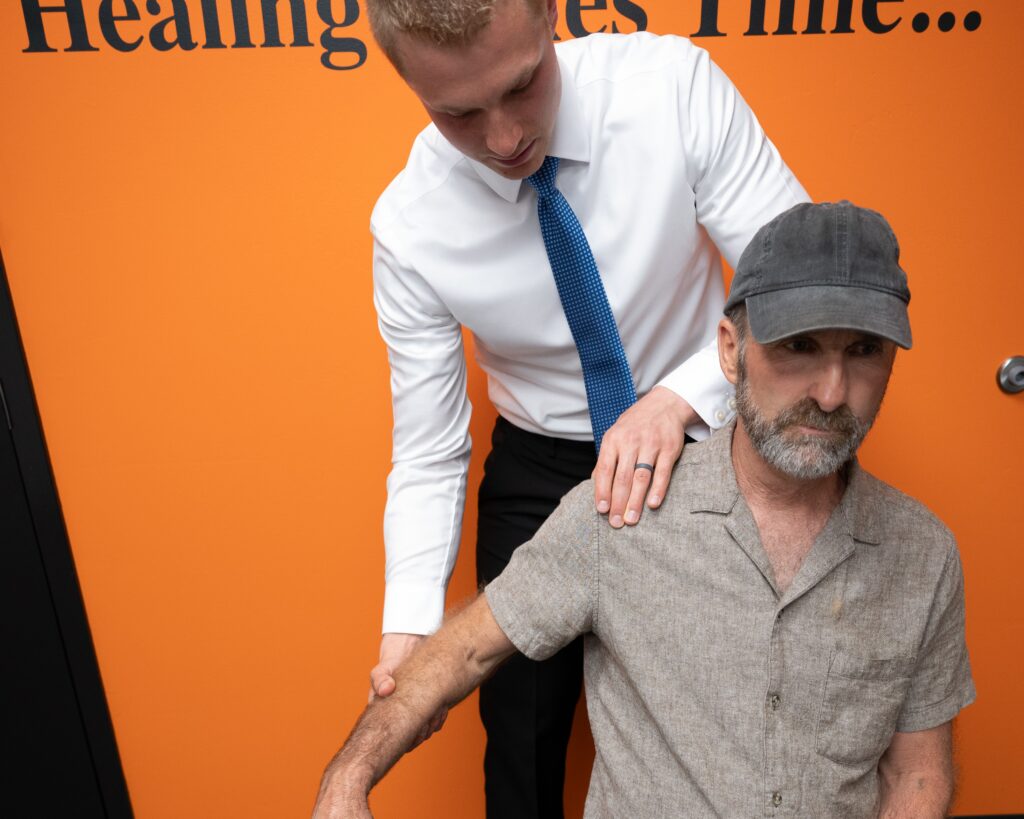
- Manual therapy techniques: Utilizing hands-on approaches to relieve pain and encourage circulation.
These elements collectively contribute to a thorough recovery process.
Additionally, physical therapy often incorporates modalities such as ultrasound or electrical stimulation, which can further aid in reducing pain and inflammation.
It's vital to stay committed to your therapy sessions and follow your therapist's recommendations. This dedication not only speeds up your recovery but also equips you with the knowledge and tools needed to maintain your physical health moving forward.
Alternative Treatments
Alternative treatments for sports injuries offer a variety of options that can complement traditional methods like physical therapy. These approaches may enhance your recovery and help you regain strength and mobility more effectively.
One popular alternative treatment is acupuncture. This ancient practice involves inserting thin needles into specific points on your body, which can help reduce pain and inflammation. Many athletes find that acupuncture not only alleviates discomfort but also promotes relaxation and mental clarity.
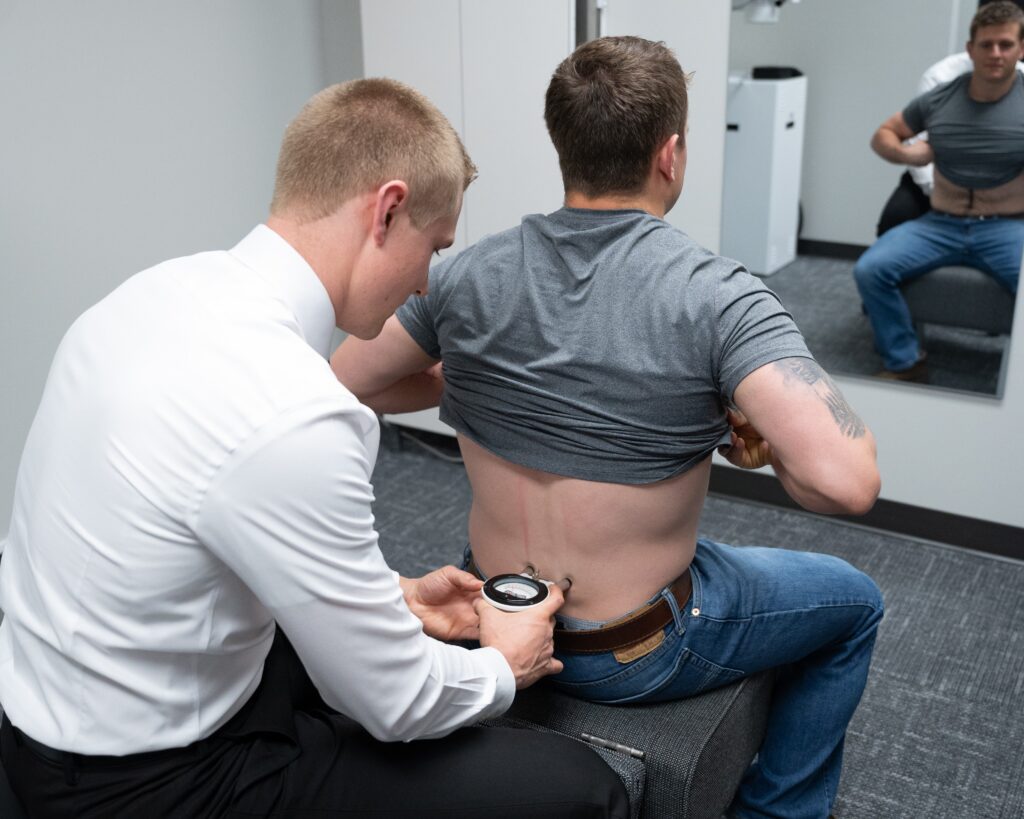
Another option is chiropractic care. Chiropractors focus on aligning your spine and joints, helping to alleviate pressure on nerves and improve overall function. Regular adjustments can enhance your range of motion and contribute to a quicker recovery from injuries.
Massage therapy is also worth considering. By manipulating soft tissues, massage can relieve tension, improve circulation, and promote healing. Whether you choose deep tissue or sports massage, you'll likely find that it aids in reducing soreness and enhancing performance.
Additionally, herbal remedies and nutritional supplements might provide support during your recovery. Natural anti-inflammatories like turmeric or ginger can help manage pain, while omega-3 fatty acids may reduce inflammation.
Don't forget about the role of mindfulness and relaxation techniques, such as yoga or meditation. These practices can help you manage stress and maintain a positive mindset, both of which are essential for healing.
Conclusion
In conclusion, finding relief from sports injuries involves a mix of rest, ice therapy, compression, and physical therapy. By prioritizing these methods, you can greatly speed up your recovery and get back in the game. Don't overlook alternative treatments like acupuncture or massage therapy, which can also aid in your healing process. Listen to your body, stay consistent with your recovery routine, and you'll be back on your feet in no time!