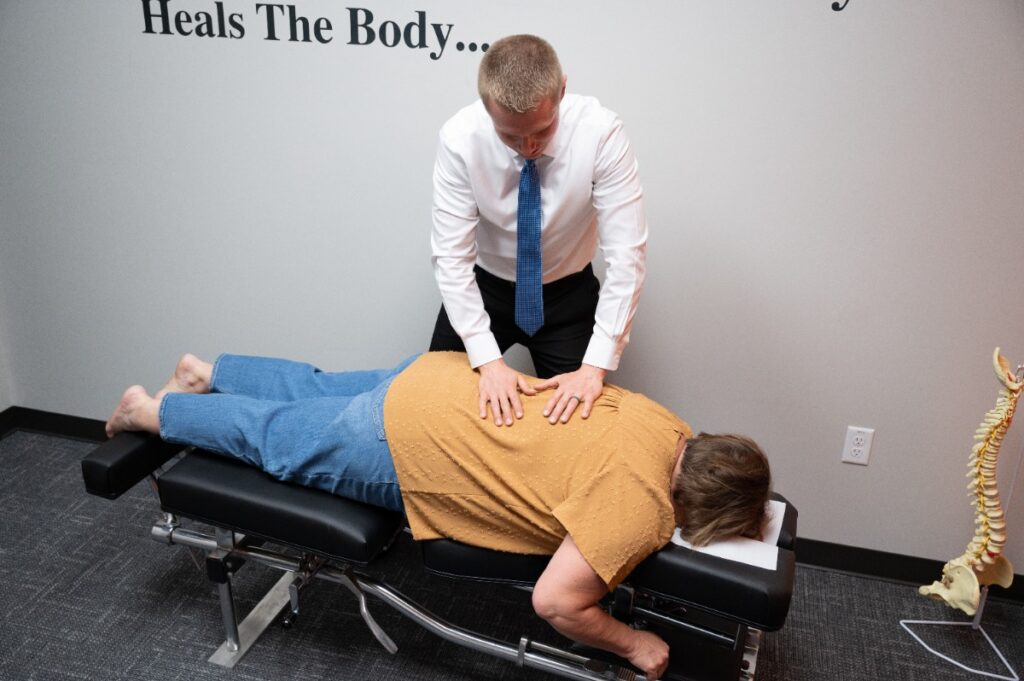

As a local chiropractor, I understand that lower back pain can be a frustrating and debilitating condition that impacts your everyday life. It’s essential to recognize the underlying causes of your discomfort and explore natural techniques for relief. There are various approaches we can take, from simple stretching exercises to strengthening your core, that can significantly help alleviate pain. Additionally, making ergonomic adjustments in your workspace or home can enhance your overall comfort.
So, what specific strategies should you be aware of to find the most effective relief? Let me share some top techniques that I often recommend to my patients. These methods not only promote healing but also empower you to take control of your well-being. Together, we can work towards a pain-free lifestyle and help you regain your mobility and quality of life.
Understanding the Causes of Lower Back Pain
As a local chiropractor, I’m here to help you understand the various causes of lower back pain and how we can work together to address them naturally. Lower back pain can arise from many different sources, so it’s important to explore these causes to find the best solutions.
One common source of discomfort is muscle strain, which often occurs from heavy lifting or sudden movements. Additionally, if you spend long hours sitting, poor posture can significantly contribute to your pain.
It’s also worth noting that inactivity can weaken your core muscles, leading to instability in your lower back and resulting in discomfort.
Sometimes, underlying conditions like herniated discs or arthritis can also trigger pain. It’s crucial to be aware of your symptoms and how they may relate to these conditions.
Moreover, stress can impact your physical well-being, often resulting in muscle tension that exacerbates your pain.
Understanding these factors is essential for effective pain management. By identifying the root causes of your discomfort, we can take proactive steps to alleviate your pain and possibly prevent future episodes.
I encourage you to engage in a conversation with me about your symptoms, so we can clarify the specific factors contributing to your lower back pain and explore natural healing methods that chiropractic care offers.
Together, we can create a personalized plan that supports your overall health and well-being.
Stretching Exercises for Immediate Relief
As a local chiropractor, I want to emphasize how beneficial stretching exercises can be for those experiencing lower back pain. Incorporating these stretches into your routine can provide immediate relief and enhance your overall mobility. Simple stretches target tension and promote blood flow, which is essential for healing.
Let’s start with the child’s pose, a gentle stretch that many find helpful. To perform this, kneel on the floor, sit back on your heels, and extend your arms forward while lowering your torso. Hold this position for about 30 seconds. This stretch can help release tension in your lower back and encourage relaxation.
Another effective stretch is the knee-to-chest stretch. While lying on your back, pull one knee toward your chest and hold it there for 20 seconds before switching to the other side. This exercise helps to elongate the spine and relieve tightness.
Don’t overlook the seated forward bend, either. Sit with your legs extended in front of you and reach gently towards your toes. You should feel a nice stretch in your lower back. Hold this position for 20 to 30 seconds, and remember to breathe deeply throughout each stretch.
Incorporating these exercises into your daily routine can significantly ease pain and improve flexibility. As your chiropractor, I encourage you to practice these stretches consistently, as they can lead to a greater sense of relief and enhanced comfort in your daily activities.
Natural healing through movement is a powerful tool in managing your back health!
Strengthening Your Core for Support
As a local chiropractor, I want to emphasize the importance of strengthening your core not just for athletic performance, but for the overall health of your lower back.
Many people aren’t aware that a strong core plays a crucial role in preventing back pain and enhancing stability. By integrating effective core exercises into your daily routine, you can significantly improve your strength and well-being.
Let’s delve into some simple yet effective strengthening routines that can truly make a difference in your life.
Importance of Core Stability
As a local chiropractor, I want to emphasize the vital role that core stability plays in your overall health, particularly in supporting your lower back and preventing pain. When your core muscles are strong and stable, they effectively help distribute the load on your spine, significantly reducing the risk of injury.
Think of a stable core as a natural brace; it enables your pelvis and lower back to move efficiently during your daily activities.
Without proper core support, your lower back can face excessive strain, leading to discomfort and pain that can impact your quality of life. By maintaining core stability, you not only enhance your posture and improve your balance but also encourage proper movement patterns.
Focusing on strengthening your core isn’t just about protecting your lower back; it’s about enhancing your overall functional fitness, making it much easier for you to participate in the activities you love.
Prioritizing core stability is essential for your health and can lead to significant improvements in your daily life.
If you’re interested in learning more about how chiropractic care can support your core stability and overall wellness, I’m here to help guide you on that journey.
Effective Core Exercises
As a local chiropractor, I want to emphasize the importance of a strong core in maintaining stability and preventing lower back pain. Strengthening your core is essential for overall health, and it can be achieved through exercises that engage multiple muscle groups effectively.
One of the best exercises you can incorporate into your routine is the plank. This exercise not only activates your abdominal muscles but also promotes proper posture, which is crucial for spinal health. I recommend trying side planks as well; they specifically target your obliques and help enhance your balance and overall core stability.
Bridges are another fantastic exercise that strengthens both your glutes and lower back, providing vital support for your spine. Additionally, bird-dogs can significantly improve your coordination and core control, which are key factors in preventing injuries.
Don’t overlook pelvic tilts, either. They can help alleviate tension in your lower back while also engaging your core muscles.
By consistently including these exercises in your routine, you can build a resilient core that supports your spine and minimizes the risk of discomfort.
I encourage you to start incorporating these core-strengthening exercises today. Not only will you notice improvements in your stability and posture, but you’ll also experience the benefits of a stronger core in your everyday activities. Your spine will thank you!
Daily Strengthening Routines
As a local chiropractor, I want to emphasize the importance of daily strengthening routines to support your lower back and overall health. Many people may not realize that a strong core is crucial for stabilizing your spine and reducing strain on your back.
I recommend incorporating exercises such as planks, bridges, and bird-dogs into your daily routine. Just 10 minutes a day can make a significant difference, and as you become stronger, you can gradually increase the intensity of your workouts.
In addition to strengthening your core, don’t overlook the value of flexibility exercises. Gentle stretches can greatly complement your strengthening efforts and enhance your overall mobility.
Consistency is essential—aim to make these routines a regular part of your daily life. Over time, you’ll likely notice improvements in your posture and a reduction in discomfort.
I encourage you to listen to your body and adjust your routine as necessary. With dedication to these practices, not only can you alleviate lower back pain, but you can also enhance your overall fitness and well-being.
The Importance of Good Posture
As your local chiropractor, I want to emphasize the critical role that good posture plays in maintaining your overall health and preventing lower back pain. You may not be aware of how much your daily posture affects your body, but proper alignment is vital. When you sit, stand, or walk correctly, you distribute your body weight evenly, which alleviates strain on your spine and the surrounding muscles. This alignment preserves the natural curve of your back and reduces pressure on the discs and nerves.
Take a moment to evaluate your daily habits. If you often find yourself slouched or leaning forward, these positions can lead to muscle imbalances and discomfort in the long run. Instead, I encourage you to focus on keeping your shoulders back and ensuring that your head is aligned over your spine.
When sitting, it’s essential to have your feet flat on the ground and to use a supportive chair to enhance your posture.
Being mindful of your posture isn’t just about comfort; it can significantly boost your confidence and contribute to your overall well-being. I urge you to pay attention to how you carry yourself throughout the day.
Ergonomic Adjustments for Your Workspace
As your local chiropractor, I want to emphasize the importance of making ergonomic adjustments in your workspace to help prevent lower back pain.
First and foremost, it’s crucial to have your chair at the right height so that your feet can rest flat on the floor. This simple adjustment can significantly reduce strain on your back.
Next, ensure that your monitor is positioned at eye level. This will help you maintain a neutral neck position, preventing unnecessary strain and discomfort.
Additionally, keep your keyboard and mouse within easy reach to promote a more relaxed posture while you work.
By making these adjustments, you can create a healthier workspace that supports your spine and overall well-being.
Remember, taking proactive steps to improve your posture can lead to a more comfortable and productive work experience.
If you have any questions or need further guidance, feel free to reach out to me. Your health is my priority!
Proper Chair Height
As a local chiropractor, I want to emphasize the importance of finding the right chair height to maintain your comfort and prevent lower back pain, especially if you spend long hours at your desk.
Proper chair height is crucial for supporting your spine and promoting good posture. When adjusting your chair, here are some guidelines to follow:
- Ensure your feet are flat on the floor and your knees are at a 90-degree angle. This alignment keeps your spine in a neutral position.
- Keep your thighs parallel to the ground to avoid unnecessary strain on your back.
- If your chair height is too elevated, consider using a footrest to help maintain proper posture.
- Aim for your hips to be slightly higher than your knees, which can help alleviate pressure on your lower back.
- Remember, it’s essential to regularly adjust your chair as needed to maintain comfort throughout your workday.
By paying attention to these adjustments, you can significantly reduce discomfort and enhance your overall well-being.
If you have any questions or need further assistance, don’t hesitate to reach out!
Monitor Positioning Tips
As a chiropractor dedicated to your overall well-being, I want to emphasize the importance of proper monitor positioning to enhance your comfort and productivity. When you set up your monitor, aim to have it at eye level. This prevents unnecessary strain on your neck, which is a common issue I see in patients. Ideally, your eyes should align with the top third of the screen, allowing for a natural line of sight.
Distance is crucial too—keeping the monitor about an arm’s length away can significantly reduce eye strain. If you wear glasses, it’s essential to adjust this distance to whatever feels most comfortable for your vision.
Additionally, tilting the screen back slightly, around 10 to 20 degrees, can help minimize glare and create a more ergonomic viewing angle.
Lastly, ensure that your monitor is centered directly in front of you. This simple adjustment can prevent twisting your body, which can lead to discomfort and lower back pain over time.
Keyboard and Mouse Placement
As a chiropractor, I want to emphasize the significance of proper keyboard and mouse placement in your workspace. Many people overlook how much this can affect their overall well-being, particularly in relation to wrist and back strain.
By making a few ergonomic adjustments, you can create a more supportive environment that helps prevent discomfort and promotes natural healing. Here are some essential tips to consider:
- Ensure your keyboard is positioned at elbow height. This helps maintain a neutral wrist position, reducing unnecessary tension.
- Place your mouse close to your keyboard. This minimizes the need to reach, which can lead to strain over time.
- Consider using a wrist rest. This simple accessory can help keep your wrists aligned and supported, allowing for more comfortable usage.
- It’s crucial that your chair offers adequate support for your lower back. This support encourages an upright posture while you work, which is vital for spinal health.
By implementing these ergonomic adjustments, you can significantly enhance your comfort and productivity. An improved workspace not only allows you to focus better on your tasks but also reduces the risk of discomfort that could lead you to seek chiropractic care.
Heat and Cold Therapy Techniques
As a chiropractor, I want to share the benefits of heat and cold therapy techniques in managing lower back pain. These natural methods can be excellent tools to support your healing journey.
Applying heat to your lower back can significantly enhance blood circulation, relax tense muscles, and alleviate stiffness. You can use a heating pad, a hot water bottle, or even a warm towel for about 15-20 minutes at a time. Just be mindful of the temperature to prevent burns.
Conversely, cold therapy is effective in reducing inflammation and numbing sharp pain. Ice packs or frozen gel packs, wrapped in a cloth, can be applied to the affected area for a similar duration of 15-20 minutes.
I often recommend alternating between heat and cold therapy, as this combination can yield the most relief. It’s all about finding what feels best for your body.
Always pay attention to how your body responds—if you experience increased pain or discomfort, it’s important to stop immediately.
With regular use of these techniques, you can effectively manage your lower back pain and enhance your overall comfort. As your chiropractor, I’m here to guide you on your path to natural healing.
The Role of Physical Therapy
While heat and cold therapy can offer quick relief, integrating chiropractic care into your routine can be essential for long-term recovery from lower back pain.
As a local chiropractor, my goal is to help you understand the root causes of your discomfort and create a personalized treatment plan that addresses your unique needs. Through chiropractic adjustments and techniques, we can enhance your body’s natural ability to heal.
Here are some key advantages of chiropractic care for lower back pain:
- Comprehensive evaluations to identify underlying issues and monitor your progress.
- Targeted spinal adjustments that can help realign your vertebrae, relieving pressure on nerves and muscles.
- Holistic treatment methods that may include soft tissue therapy to reduce tension and enhance mobility.
- Guidance on ergonomics and body mechanics to help you maintain proper posture and prevent future injuries.
Mind-Body Approaches: Yoga and Meditation
As a local chiropractor, I want to share how yoga and meditation can serve as effective tools for managing lower back pain while promoting overall health and relaxation.
These practices not only enhance flexibility but also support the healing process by encouraging mindfulness and stress reduction.
Integrating simple meditation techniques into your daily routine can significantly enhance your well-being and complement the chiropractic care you receive.
Let’s delve into the benefits of yoga and meditation, and I’ll guide you on how to incorporate them into your lifestyle for optimal health and relief from discomfort.
Benefits of Yoga
As a local chiropractor, I often see patients struggling with lower back pain, and I want to share how incorporating yoga into your routine can be a valuable addition to your wellness plan.
This ancient practice not only enhances flexibility and strength but also fosters relaxation and mindfulness, which are crucial for overall health. By focusing on your breath and movement, yoga allows you to cultivate a deeper awareness of your body, ultimately benefiting your well-being.
Here are some key advantages of yoga specifically for alleviating lower back pain:
- Improved flexibility: Engaging in regular yoga practice can help stretch tight muscles and alleviate tension in your back.
- Strengthened core: A strong core is essential for supporting the spine, which can significantly reduce strain and discomfort.
- Posture correction: Yoga promotes proper alignment, helping to minimize back issues that may arise from poor posture.
- Stress reduction: The relaxation techniques integrated into yoga can help lower stress levels, which are often a contributing factor to pain.
Integrating yoga into your lifestyle may be the holistic approach you need for sustainable relief from lower back pain.
If you’re interested in exploring this further, I’d be happy to discuss how chiropractic care and yoga can work together to support your journey towards better health.
Meditation Techniques Overview
Incorporating meditation into your wellness routine can be a valuable addition to your journey towards managing lower back pain. As a chiropractor, I often see how these practices can enhance the benefits of chiropractic care, working together to create a powerful synergy.
Meditation techniques, such as mindfulness and focused breathing, allow you to develop a deeper awareness of both your body and mind, which is crucial for healing. Just a few minutes each day spent on meditation can significantly reduce the stress and tension that often contribute to discomfort in the lower back.
Start with simple practices—find a comfortable position, close your eyes, and focus on your breath. If your thoughts begin to wander, gently guide them back to your breathing. Additionally, you might consider guided meditations that are specifically designed for pain relief.
By integrating meditation into your routine, you take an active role in managing your lower back pain. This approach not only enhances the effectiveness of your chiropractic treatments but also contributes to your overall well-being and resilience.
Embracing these natural healing methods can lead to a more balanced and healthier life.
Integrating Practices Daily
As a local chiropractor, I want to share with you the incredible benefits of integrating yoga and meditation into your daily routine, especially if you’re dealing with lower back pain.
These practices can significantly enhance your mind-body connection and support your overall healing process. By incorporating yoga alongside your chiropractic care, you can improve flexibility, strengthen your core, and promote relaxation, which are all essential for maintaining a healthy spine.
Here are some practical tips to help you seamlessly integrate yoga and meditation into your daily life:
- Set aside a specific time each day for your practice, even if it’s just 10 minutes. Consistency is key for effective healing.
- Explore various yoga styles, such as Hatha or Yin, which focus on gentle stretches that can alleviate tension in your back.
- Combine your yoga sessions with short meditation practices to help center your mind and enhance the benefits of your physical practice.
- Always listen to your body and modify poses as needed to prevent strain or discomfort. Remember, your body knows best!
Making yoga and meditation part of your daily habits can greatly improve your overall well-being, complementing the care you receive in my office and helping to reduce any discomfort you may experience.
Over-the-Counter Pain Relief Options
When lower back pain occurs, many people turn to over-the-counter pain relief options, and as a chiropractor, I want to help you understand how these can be part of a broader approach to wellness. Nonsteroidal anti-inflammatory drugs (NSAIDs) like ibuprofen and naproxen are widely used because they can reduce inflammation and provide pain relief. Acetaminophen is another option that may be gentler on your stomach, making it a suitable choice for some individuals.
It’s important to read the dosage instructions carefully and not to exceed the recommended limits. If you’re taking other medications, be sure to check for any potential interactions, as this can affect your overall health. Additionally, topical pain relief creams and ointments that contain ingredients like menthol or capsaicin can be applied directly to the painful area for more targeted relief.
However, I encourage you to think beyond just medication. Combining these options with rest, gentle stretching, and heat therapy can enhance your recovery.
As a chiropractor, I emphasize the importance of listening to your body—avoiding activities that may exacerbate your discomfort is crucial.
Incorporating chiropractic care can further support your healing process by addressing the underlying issues contributing to your pain. By taking a balanced approach that includes natural healing methods, you can more effectively manage your pain and get back to your daily activities sooner.
When to Seek Professional Help
As a local chiropractor, I want to help you understand when it might be time to seek professional help for your lower back pain. Your body communicates with you, and it’s crucial to pay attention to those signals.
If your discomfort lingers despite trying home remedies or seems to worsen, it’s important to reach out to a healthcare professional, like a chiropractor. Here are some key warning signs that indicate you should seek help:
- If you experience intense pain that doesn’t show any signs of improvement after a few days.
- If you find it difficult to stand, walk, or carry out your daily activities.
- If you notice any numbness, tingling, or weakness in your legs.
- If your pain began after a fall, injury, or accident.
Ignoring these symptoms can lead to more serious complications down the line.
As a chiropractor, I can conduct a thorough evaluation to identify the root cause of your pain and recommend effective, natural treatment options. Early intervention can lead to a faster and more complete recovery, allowing you to return to your normal routine sooner.
Don’t wait until your pain becomes unmanageable; seek help and explore the benefits of chiropractic care for your health and well-being.
Conclusion
As your local chiropractor, I want to share some valuable techniques that can significantly alleviate lower back pain and enhance your overall well-being. It’s essential to incorporate stretching and core strengthening exercises into your daily routine, as these practices help support your spine and improve flexibility.
Maintaining good posture throughout your day is crucial, as it reduces unnecessary strain on your back. Additionally, making ergonomic adjustments to your workspace can create a more supportive environment for your spine, preventing pain from occurring in the first place.
I also encourage you to explore mind-body approaches such as yoga and meditation, which can offer profound benefits in managing stress and enhancing your body’s natural healing processes. However, if your pain continues or worsens, it’s important to seek professional help. As a chiropractor, I can provide tailored care to address the root causes of your discomfort. Remember, taking proactive steps today can lead to a healthier, pain-free future!