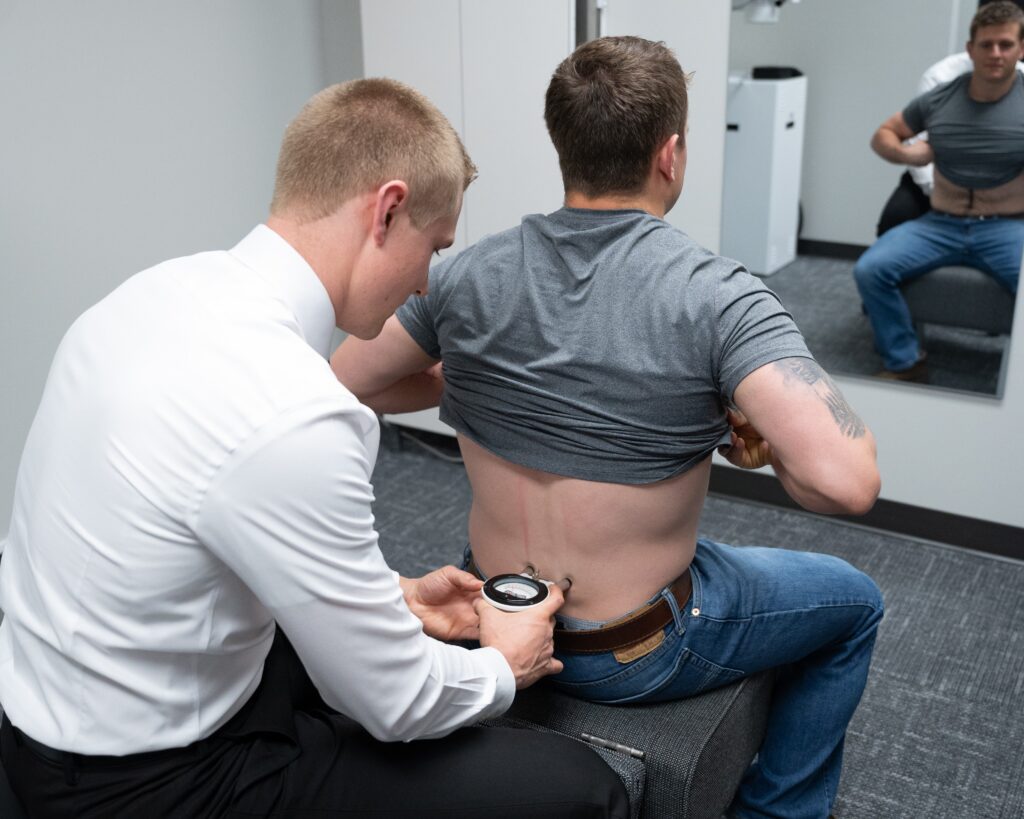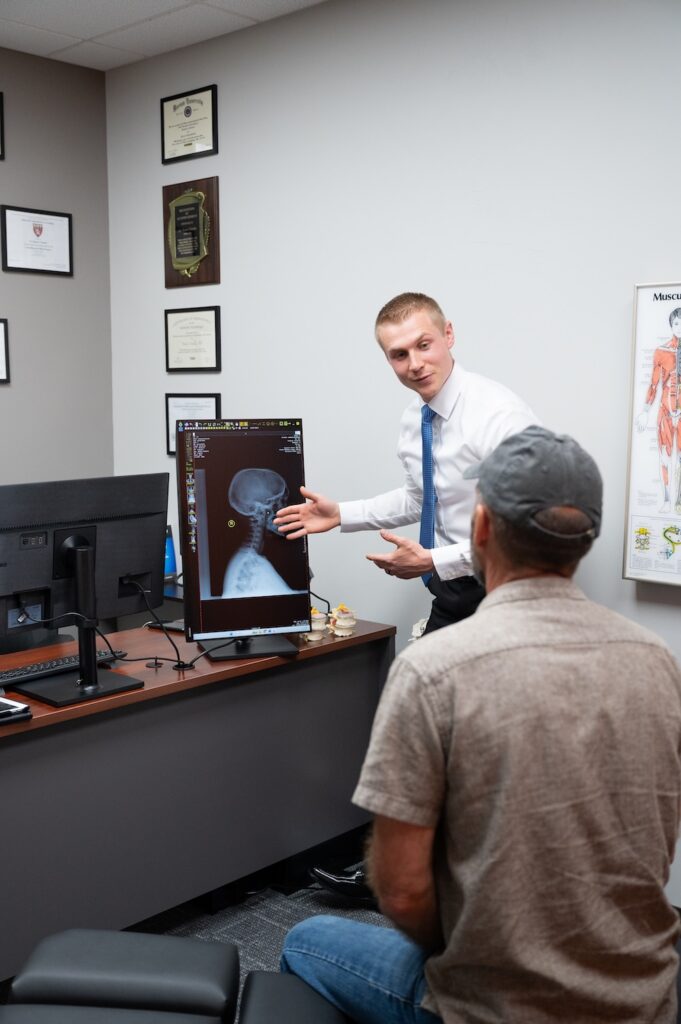

As a local chiropractor, I understand that many of you may be struggling with back pain and seeking effective relief. It's important to know that there are simple yet powerful techniques that can help improve your condition. Incorporating stretching and strengthening exercises for your core can significantly alleviate discomfort and enhance your overall well-being.
Additionally, it's crucial to consider how your posture affects your pain, particularly if you spend long hours sitting at a desk. By being mindful of your body mechanics and making small adjustments, you can create a more supportive environment for your spine.
In my practice, I often guide patients in exploring a combination of exercises and lifestyle habits tailored to their individual needs. This holistic approach can lead to lasting relief from back pain. Beyond these techniques, there are several other natural methods we can explore together to enhance your recovery and overall health. Let's work together to find the best path for your healing journey.
Stretching and Flexibility Exercises
As a local chiropractor, I want to emphasize the importance of incorporating stretching and flexibility exercises into your daily routine, especially when it comes to relieving back pain. These simple yet effective exercises can significantly enhance your overall well-being by improving your range of motion, reducing muscle tension, and boosting blood circulation, all of which can help alleviate discomfort in your back.
To begin, focus on gentle stretches that target the key muscle groups in your back, including your lower back, upper back, and sides. One effective stretch that I often recommend is the cat-cow stretch. While on your hands and knees, alternate between arching your back up towards the ceiling and then rounding it down towards the floor. This movement not only promotes flexibility in your spine but also helps to relieve built-up tension.
Another stretch that I find particularly helpful is the child's pose. To perform this stretch, kneel on the floor and sit back on your heels. Extend your arms forward and lower your torso towards the ground. Hold this position for a few breaths, allowing the stretch to release tightness in your lower back.
Additionally, don't overlook the importance of stretching your hamstrings. Tight hamstrings can contribute to strain in your back. A simple way to stretch them is to stand up, place one foot on a low surface while keeping your leg straight, and gently lean forward until you feel a stretch in the back of your thigh.
I recommend aiming to stretch daily, holding each stretch for 15-30 seconds. Always listen to your body; if you experience discomfort, it's important to adjust or skip that particular stretch.
By making stretching and flexibility exercises a regular part of your routine, you may notice not only a reduction in back pain but also a marked improvement in your overall mobility.
Strengthening Core Muscles
As a local chiropractor, I want to emphasize the importance of strengthening your core muscles for supporting your back and alleviating discomfort. Many people are unaware that your core isn't just about the abdominal muscles; it encompasses all the muscles that support your spine and pelvis.
A strong core plays a crucial role in stabilizing your body, improving your posture, and reducing the strain on your back. By incorporating core-strengthening exercises into your routine, you can create a solid foundation for your overall health and wellness.
Here are some effective exercises I recommend:
- Planks: Begin by holding a plank position on your forearms and toes, ensuring your body remains straight. Start with 30 seconds and gradually work up to longer durations as you build strength.
- Bridges: Lie on your back with your knees bent and feet flat on the floor. Raise your hips towards the ceiling while squeezing your glutes at the top of the movement.
- Bird-dogs: Start on your hands and knees, extend one arm forward and the opposite leg back. Hold the position for a few seconds before switching to the other side.
- Russian twists: Sit on the floor with your knees bent. Lean back slightly and twist your torso to touch the ground beside you, alternating sides.
I encourage you to integrate these exercises into your routine 2 to 3 times a week. As your core muscles grow stronger, you'll provide better support for your back, which can lead to reduced pain and an enhanced quality of life.
Proper Posture and Ergonomics
As a local chiropractor, I want to emphasize the importance of good posture in preventing back pain and promoting overall health.
Many people may not realize how crucial it's to have an ergonomic workspace. Adjusting your chair and desk to the right height can significantly enhance your comfort and well-being throughout the day.
Let's discuss how these elements play a vital role in your health and how proper alignment can help you feel your best every day.
Importance of Good Posture
As a local chiropractor, I want to emphasize the importance of maintaining proper posture for preventing back pain and promoting overall spinal health. When you sit, stand, or move with good posture, you naturally align your spine, which can significantly reduce the strain on your muscles and ligaments. This alignment not only helps keep your back healthy but also enhances your body's overall function.
Here are some key reasons why good posture is essential:
- Reduces strain: Proper alignment minimizes stress on your back and neck, which is crucial for preventing discomfort and pain.
- Enhances breathing: Maintaining good posture opens up your chest, leading to better lung capacity and improved oxygen flow, which can positively impact your energy levels.
- Boosts confidence: Standing tall can enhance your self-esteem and influence how others perceive you, making you feel more empowered in social situations.
- Improves circulation: Good posture ensures that blood flows effectively throughout your body, reducing feelings of fatigue and promoting vitality.
Incorporating good posture into your daily life is simpler than you might think. Start by being mindful of your body alignment, whether you're sitting at your desk, walking, or even standing in line.
Small adjustments can lead to significant improvements in how you feel. By prioritizing your posture, you're taking an important step towards alleviating back pain and enhancing your overall quality of life.
Ergonomic Workspace Setup
As a local chiropractor, I want to emphasize the importance of creating an ergonomic workspace to support your overall health and well-being. Many people aren't aware that poor posture can lead to chronic back pain and discomfort, but with a few simple adjustments, you can significantly reduce this risk.
First, ensure your computer screen is positioned at eye level. This will help prevent neck strain as you work. Your chair should provide adequate support for your lower back, allowing you to maintain a neutral spine position.
It's also crucial to keep your feet flat on the floor or on a footrest to avoid unnecessary pressure on your legs. When it comes to using your keyboard and mouse, make sure they're within easy reach. Your elbows should be bent at about a 90-degree angle to minimize strain on your shoulders and arms.
I encourage you to take regular breaks—standing up and stretching every hour can help alleviate any tension that builds up throughout your workday.
Lighting is another essential factor in your workspace setup. Proper lighting can prevent squinting or the need to lean forward, both of which can contribute to poor posture.
Finally, consider organizing your workspace to reduce clutter and keep frequently used items easily accessible. This will help you avoid twisting or reaching awkwardly, further protecting your back.
Chair and Desk Height
As a local chiropractor, I want to emphasize the importance of finding the right chair and desk height for your overall health and well-being. Proper ergonomics in your workspace is crucial for maintaining good posture and preventing discomfort, particularly in your back.
When your environment is set up correctly, you may experience significant relief from tension and pain throughout your day. Here are some essential tips to consider:
- Chair Height: Ensure that your feet are flat on the floor or on a footrest, with your knees forming a 90-degree angle. This alignment helps support your lower back and promotes healthy circulation.
- Desk Height: When you sit at your desk, your elbows should be at a 90-degree angle or slightly more open while typing. This allows your shoulders to remain relaxed, reducing strain on your upper body.
- Monitor Position: Position the top of your monitor at or just below eye level. This helps minimize neck strain and encourages a more natural head posture, which is vital for avoiding discomfort.
- Posture Check: Focus on keeping your back straight and shoulders relaxed. Make sure your back is fully supported by the chair, as this can greatly reduce the risk of developing musculoskeletal issues.
By making these adjustments, you can create a more ergonomic workspace that supports your health and helps prevent pain.
Heat and Cold Therapy
As a local chiropractor, I want to share with you the benefits of heat and cold therapy for alleviating back pain. These natural methods can provide both immediate comfort and long-term relief, and understanding how to use them effectively can make a significant difference in your healing journey.
When you apply heat to your back, it enhances blood circulation to the affected area, which helps relax tight muscles and ease stiffness. You can use a variety of heat sources, such as a heating pad, a hot water bottle, or even enjoy a soothing warm bath.
Remember, the heat should be warm—not scalding—to avoid burns, and it's best to limit the application to about 15-20 minutes at a time. This can help loosen up those tense muscles and reduce discomfort.
Conversely, cold therapy is excellent for minimizing inflammation and numbing sharp pain. You can use ice packs or even a bag of frozen peas wrapped in a thin towel.
Just like with heat, apply cold therapy for 15-20 minutes, ensuring you give your skin a break between sessions to prevent irritation. This approach is particularly beneficial after activities that may flare up your back pain.
Combining heat and cold therapy can create a comprehensive strategy for managing your discomfort. Start with cold therapy to address inflammation and then transition to heat to encourage healing and relaxation.
It's important to pay attention to how your body responds, as everyone may react differently to these therapies.
By integrating heat and cold therapy into your routine, you can find significant relief from back pain and enhance your overall quality of life.
Physical Therapy Options
If you're experiencing back pain, considering chiropractic care can significantly enhance your recovery journey.
As a local chiropractor, I aim to help you understand the underlying causes of your discomfort and create a customized treatment plan that suits your specific needs. This individualized approach not only accelerates your recovery but also equips you with the tools to manage your condition effectively.
Here are some key chiropractic options to consider:
- Spinal Adjustments: Gentle, hands-on adjustments to realign the spine, alleviate pain, and improve overall function.
- Strengthening Exercises: Tailored exercises focusing on core stability, which is crucial for supporting your spine and preventing future injuries.
- Stretching Techniques: Specific stretches that enhance flexibility, reduce muscle tension, and promote better posture.
- Patient Education: Understanding proper body mechanics and ergonomics allows you to avoid aggravating your back pain during everyday activities.
Chiropractic care emphasizes natural healing and empowers you to take control of your health.
Together, we can work towards a pain-free life!
Mindfulness and Relaxation Techniques
As a local chiropractor, I want to share how incorporating mindfulness and relaxation techniques into your daily routine can significantly aid in managing back pain. Many patients may not realize that these practices foster a deeper connection to your body and can help alleviate stress, which often intensifies pain. By centering your focus on the present moment, you can create a mental environment that enhances your ability to cope with discomfort.
Let's start with something simple: deep breathing exercises. Find a comfortable position, close your eyes, and take slow, deep breaths. Inhale through your nose, allowing your abdomen to rise, and then exhale gently through your mouth. This straightforward technique not only calms your nervous system but also helps decrease muscle tension, which can be particularly beneficial for your back.
Next, I encourage you to explore meditation. Even dedicating just a few minutes each day can empower you to gain greater control over your pain. You could visualize a calming scene or concentrate on a specific mantra. This practice serves as a distraction from discomfort while promoting an overall sense of relaxation throughout your body.
Progressive muscle relaxation is another effective tool you can use. This involves tensing and then relaxing different muscle groups, starting from your toes and moving up to your head. By identifying areas of tension, you can encourage relaxation, which may contribute to the reduction of back pain.
Lastly, consider integrating gentle yoga or stretching into your routine. These movements are excellent for improving flexibility and strengthening the muscles that support your back. When you combine these practices with mindfulness, you'll find yourself better prepared to handle the challenges that come with back pain.
Conclusion
As a local chiropractor, I want to share some effective techniques for relieving back pain that you can easily incorporate into your daily life. First and foremost, it's essential to integrate stretching and core strengthening exercises, as these can significantly support your spine and improve flexibility. Additionally, maintaining proper ergonomics while sitting or standing can help alleviate unnecessary strain on your back.
Another valuable approach is using heat and cold therapy. Applying heat can relax tight muscles, while cold therapy can reduce inflammation and numb sharp pain. Don't underestimate the power of mindfulness practices, such as meditation or deep breathing, to help you manage stress and enhance your overall well-being.
Consistency is crucial in these practices. By making these techniques a regular part of your lifestyle, you may notice a substantial reduction in your back pain over time. If you have any questions or need personalized guidance, feel free to reach out—I'm here to help you on your journey to better spinal health!