
As a local chiropractor, I want to emphasize that if you’re experiencing lower back pain, you are certainly not alone. This is a common issue that many individuals face, and it’s essential to explore the variety of treatment options available to you. Chiropractic care focuses on natural healing and can provide significant relief from discomfort.
There are several effective techniques I recommend, ranging from spinal adjustments to physical therapy exercises, all aimed at restoring proper alignment and function of your spine. Additionally, incorporating mindfulness practices can help you manage pain and reduce stress, which often exacerbates discomfort.
If you’re curious about how chiropractic methods can specifically benefit you, let’s dive into some top techniques that can pave the way toward relief and enhance your overall well-being. Together, we can find the most suitable approach for your unique situation.
Understanding Lower Back Pain
As a local chiropractor, I want to help you understand lower back pain and how it can affect your life. Many of my patients come to me with discomfort caused by various factors, such as muscle strain, poor posture, or even underlying medical conditions. You may find that your pain intensifies after sitting for long periods or lifting heavy objects. By recognizing these triggers, you can better manage your discomfort.
It’s important to note that lower back pain isn’t just a physical issue; it can also impact your mood, productivity, and overall quality of life. Activities that once seemed simple may become challenging, and this can lead to feelings of frustration or stress. I encourage you to pay close attention to how your pain affects your day-to-day life.
Moreover, emotional stress can often worsen your symptoms, creating a cycle that can be difficult to break. By understanding the connection between your lower back pain and various lifestyle factors, you can take proactive steps towards relief. Identifying the underlying causes of your pain is key to exploring effective treatment options that align with your specific needs.
In our practice, we focus on natural healing methods. Chiropractic care can help restore balance to your body, alleviate pain, and improve your overall well-being.
Together, we can work towards finding a solution that not only addresses your current discomfort but also promotes long-term health.
Physical Therapy Techniques
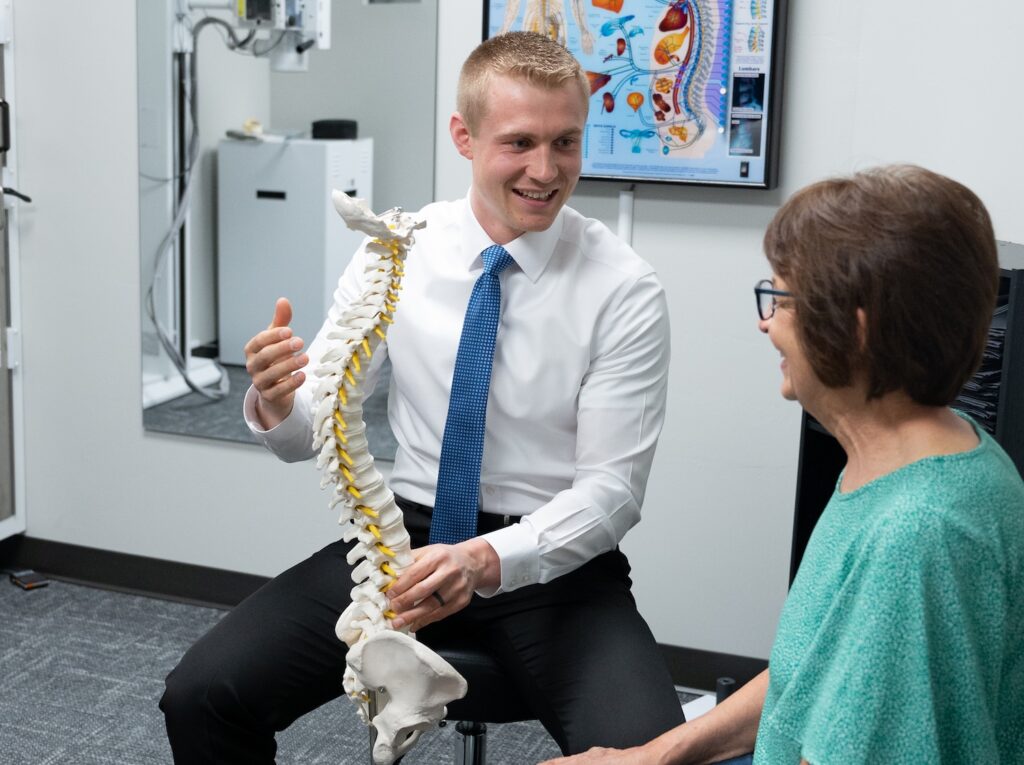
Chiropractic care can play a vital role in managing and alleviating lower back pain. When you visit a chiropractor, we start by assessing your condition to create a personalized treatment plan that suits your individual needs.
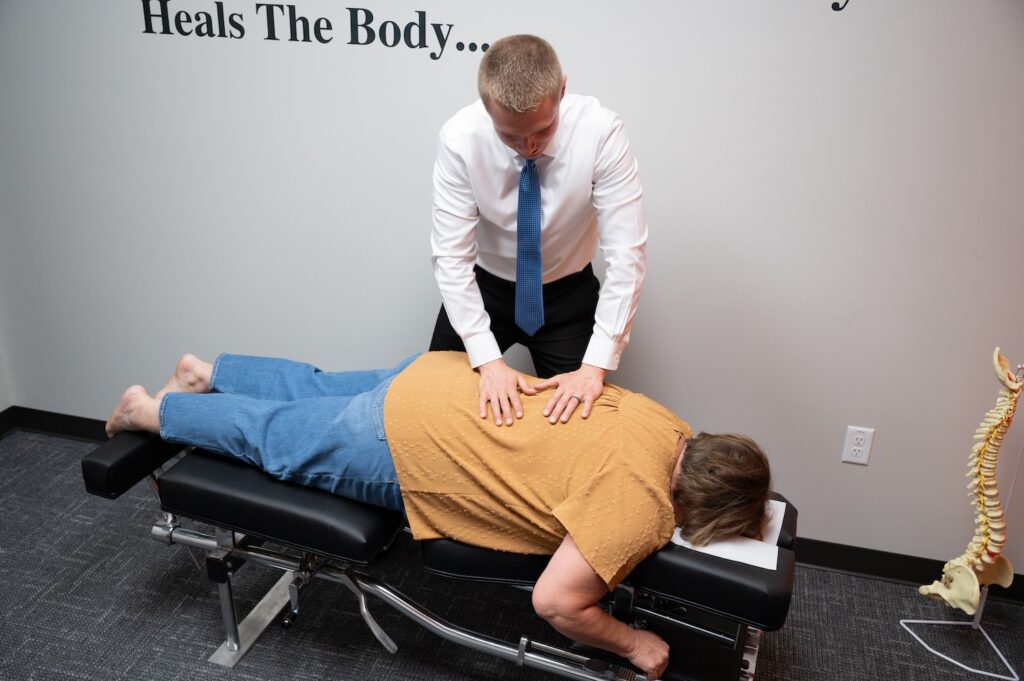
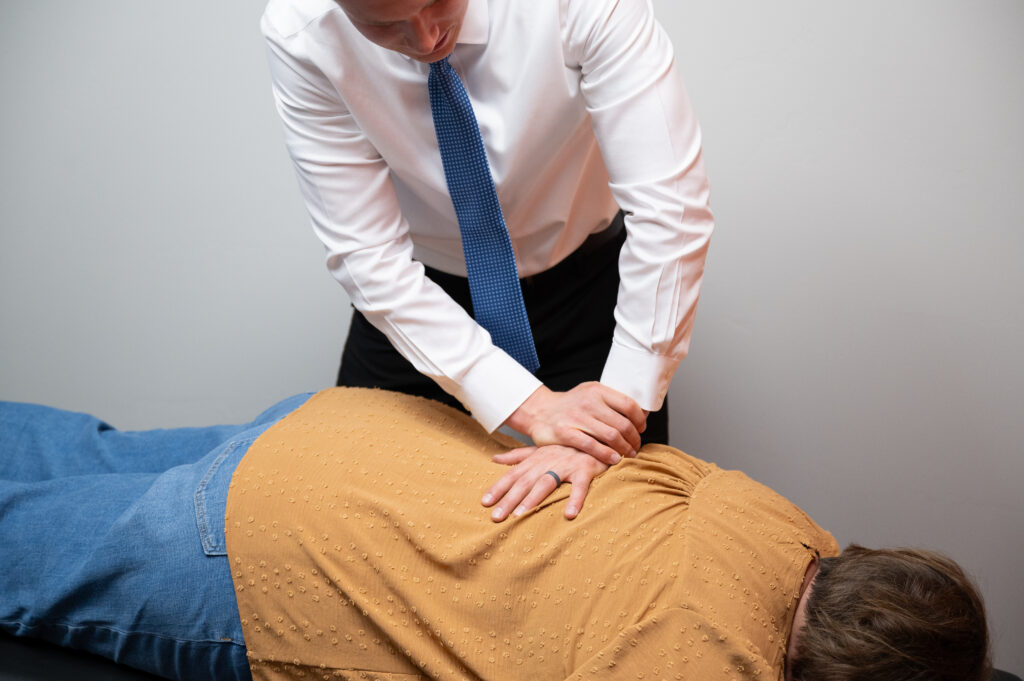
One of the key techniques we use is spinal manipulation, which helps to relieve pain and improve mobility by realigning the spine and addressing any misalignments.
You may also benefit from complementary therapies such as heat or cold applications, which can reduce inflammation and ease discomfort. We often incorporate modalities like ultrasound or electrical stimulation to promote healing and relax tense muscles.
In addition to these techniques, we’ll guide you through specific exercises and postural training designed to enhance your alignment and overall function.
By focusing on the underlying causes of your pain, chiropractic care empowers you to regain strength and stability. This hands-on approach not only helps alleviate your current discomfort but also provides you with the knowledge and tools to prevent future issues.
Embracing natural healing through chiropractic practices can lead to a healthier, more balanced life.
Exercise and Strengthening Routines
As a local chiropractor dedicated to helping you understand and manage lower back pain, I’d like to emphasize the importance of incorporating exercise and strengthening routines into your daily life. Engaging in regular physical activity can significantly enhance your flexibility, strengthen your core muscles, and provide vital support to your spine.
Here are four effective exercises that I recommend for your routine:
- Pelvic Tilts: Start by lying on your back with your knees bent. Gently tighten your abdominal muscles and push your lower back against the floor. Hold this position for a few seconds before relaxing. This exercise helps to engage and strengthen your lower back.
- Knee-to-Chest Stretch: While lying on your back, pull one knee towards your chest and hold it for 15-30 seconds. Afterward, switch legs and repeat. This stretch is excellent for relieving tension in your lower back and improving flexibility.
- Bird-Dog: Position yourself on all fours. Extend one arm forward and the opposite leg backward while keeping your back straight. Hold for a moment before switching sides. This exercise promotes stability and coordination, which are essential for a healthy spine.
- Bridges: Lie on your back with your knees bent. Lift your hips off the ground, squeezing your glutes at the top. Hold for a brief moment before lowering back down. Bridges are fantastic for strengthening your lower back and gluteal muscles.
Incorporating these exercises into your daily routine can be a valuable part of alleviating pain and supporting your recovery.
Mindfulness and Relaxation Practices
As a local chiropractor, I want to emphasize the importance of incorporating mindfulness and relaxation practices into your daily routine, especially if you’re dealing with lower back pain. These techniques can significantly enhance your ability to manage discomfort by helping you focus on the present moment, thereby reducing the stress and tension that often contributes to pain.
One of the simplest yet most effective practices you can start with is deep breathing exercises. This technique not only calms the mind but also promotes muscle relaxation, which is crucial for alleviating pain. Taking just a few moments each day to engage in deep breathing can create a noticeable difference in how you feel.
I also recommend exploring guided imagery or meditation. These methods allow you to visualize a pain-free experience, helping you mentally distance yourself from discomfort. Dedicating a few minutes each day to these practices can foster a sense of peace and greatly reduce your perception of pain.
In addition, gentle forms of exercise like yoga or tai chi can be incredibly beneficial. These practices combine mindfulness with movement, which can help improve your flexibility and strength while also promoting relaxation.
As you build these habits, you’ll likely find that your overall well-being improves, supporting your journey toward a pain-free life. Remember, taking care of your mind and body is a crucial part of the healing process, and I’m here to guide you every step of the way.
Alternative Therapies and Treatments
As a local chiropractor dedicated to helping patients understand the benefits of chiropractic care and natural healing, I want to share some alternative therapies that can complement traditional treatments for lower back pain.
Many of my patients have found relief through these methods, which can enhance their overall well-being. Here are four popular options that I often recommend:
1. Acupuncture: This ancient Chinese practice involves the insertion of fine needles into specific points on the body. It can help promote healing, reduce pain, and balance energy levels, making it a great complement to chiropractic adjustments.
2. Chiropractic Care: At my practice, I utilize spinal manipulation to realign your musculoskeletal structure. This approach not only alleviates pain but also improves mobility and enhances your body’s overall function.
Regular adjustments can lead to lasting relief and better health.
3. Massage Therapy: Targeted massage therapy is an excellent way to relieve muscle tension and improve circulation. Many of my patients find that incorporating massage into their care routine provides immediate pain relief and promotes relaxation, making it an invaluable addition to their recovery process.
4. Herbal Remedies: Natural supplements, such as turmeric and ginger, are known for their anti-inflammatory properties. I often suggest these herbal remedies to my patients as they may help ease discomfort and support the healing process when combined with chiropractic care.
By exploring these alternative therapies, you can empower your body to heal naturally while enhancing the benefits of chiropractic adjustments.
If you have any questions about these options or how they can work alongside your chiropractic care, feel free to reach out!
Ergonomic Adjustments for Daily Life
As a local chiropractor dedicated to promoting your back health, I want to share some essential tips for creating a work environment that supports your spine.
First and foremost, make sure your chair offers adequate lumbar support. Adjust it so that your feet rest flat on the floor and your knees form a 90-degree angle. This simple adjustment can significantly alleviate strain on your back.
If you spend time at a desk, it’s crucial to position your computer screen at eye level. This helps minimize neck strain and encourages proper posture. Additionally, consider using a document holder to keep your papers aligned with your monitor, reducing unnecessary neck and eye movements.
While you’re working, remember to change your position regularly. I recommend standing up, stretching, or taking short walks every hour. This practice keeps your muscles active and engaged, which is vital for maintaining back health.
If you’re often on the phone, opt for a headset rather than cradling the phone between your shoulder and ear, as this can lead to neck and shoulder discomfort.
Lastly, keep frequently used items within easy reach. This prevents you from twisting or bending awkwardly, which can lead to strain and injury.
Pain Management Strategies
As a local chiropractor, I want to share some effective strategies for managing lower back pain that you may not be familiar with. One of the key approaches we emphasize is chiropractic care, which focuses on aligning the spine to relieve pressure and promote healing. This can strengthen your back and improve overall function.
In addition to chiropractic adjustments, we often recommend physical therapy exercises that can help build strength and flexibility in your back muscles.
While medication might provide temporary relief for acute discomfort, it’s important to consider natural healing methods that address the root cause of your pain.
Furthermore, exploring alternative therapies such as acupuncture or massage can complement chiropractic care and enhance your overall well-being.
These holistic approaches not only alleviate pain but also contribute to a healthier lifestyle. Remember, your body has an incredible ability to heal itself when given the right support!
Physical Therapy Benefits
As a local chiropractor, I want to share with you the incredible benefits of chiropractic care for managing lower back pain. Our approach focuses on natural healing methods that promote recovery and enhance your overall well-being.
Here are four key advantages of incorporating chiropractic care into your treatment plan:
- Enhanced Flexibility: Through specific adjustments and stretches, we can help relieve tension in your muscles and joints, allowing for greater mobility and a wider range of motion.
- Strengthening Muscles: Chiropractic care often includes tailored exercises that target your core and back muscles, helping to build strength and provide better support for your spine.
- Posture Improvement: We take the time to assess your posture and identify habits that may be causing strain on your back. By correcting these issues, we can help alleviate discomfort and promote healthier alignment.
- Pain Relief: Our chiropractic techniques, including spinal adjustments and manual therapy, can effectively reduce pain and encourage the body’s natural healing processes.
By integrating chiropractic care into your wellness journey, you can achieve lasting relief from pain and enjoy a more active lifestyle.
Let’s guide you toward a healthier, pain-free future!
Medication Options Available
As a local chiropractor, I want to emphasize the importance of a holistic approach to managing lower back pain. While chiropractic care is a cornerstone of natural healing and can significantly alleviate discomfort, I also understand that some patients may benefit from medication options.
Over-the-counter pain relievers, such as ibuprofen or acetaminophen, can be effective in reducing inflammation and providing temporary relief. For those experiencing more intense pain, it’s essential to consult with your healthcare provider, as they may suggest stronger medications like muscle relaxants or opioids for short-term use.
Moreover, topical treatments, including creams and patches, can be beneficial in targeting pain directly at the source. However, it’s crucial to approach medication with caution. Always discuss any new treatments with your healthcare provider to ensure they align with your specific needs and conditions.
Be sure to inquire about potential side effects and interactions with any other medications you might be taking.
By combining the benefits of chiropractic care with the appropriate use of medication when necessary, we can create a comprehensive pain management strategy that enhances your overall quality of life.
Alternative Therapies Overview
As a local chiropractor, I want to share how exploring alternative therapies can be a transformative step in managing your lower back pain. These approaches often work beautifully alongside traditional treatments, enhancing your overall health and well-being.
Let me introduce you to four effective alternative therapies that you might find beneficial:
- Acupuncture: This ancient practice involves stimulating specific points on your body. It can help relieve pain and promote the natural healing processes within your body.
- Chiropractic Care: Regular chiropractic adjustments are designed to improve your spinal alignment. By addressing misalignments, we can significantly reduce discomfort and enhance your mobility.
- Massage Therapy: Through targeted muscle manipulation, massage therapy alleviates tension and improves circulation, which can be incredibly effective in easing pain and enhancing your recovery.
- Yoga: Incorporating gentle stretches and poses into your routine can significantly improve your flexibility, strengthen your core, and promote relaxation, all of which contribute to better back health.
When to Seek Professional Help
As a local chiropractor, I want to emphasize the importance of seeking professional help if your lower back pain persists for more than just a few days.
It’s crucial to listen to your body and take note of any accompanying symptoms, such as numbness or weakness, as these could indicate a more serious underlying issue.
If you’re finding that the pain is interfering with your ability to move freely or engage in daily activities, don’t hesitate to reach out to my office or another healthcare provider.
Chiropractic care offers a natural and holistic approach to healing, and I’m here to help you find relief and restore your well-being.
Your health is important, and together we can explore effective treatment options tailored to your needs.
Persistent Pain Duration
As a local chiropractor, I want to emphasize the importance of addressing persistent lower back pain before it worsens. If you’ve been experiencing discomfort for more than a few weeks, it’s crucial to reach out for professional help. Your body is communicating with you, and ignoring these signals can lead to more serious issues.
Here are four key signs that indicate it’s time to consult with a healthcare provider like myself:
- Pain intensity: If your pain is severe enough to interfere with your daily activities, it’s a clear signal that you should seek assistance.
- Duration: Should your pain persist beyond six weeks without any signs of improvement, it’s essential to get evaluated by a professional who understands the complexities of spinal health.
- Impact on mobility: Difficulty in performing everyday movements, whether it’s bending down to tie your shoes or lifting objects, is a significant indicator that your body needs attention.
- Previous treatments: If you’ve tried home remedies or over-the-counter medications without finding relief, it’s time to explore other treatment options. Chiropractic care offers a natural and holistic approach to healing.
By addressing these concerns early, we can work together to develop an effective treatment plan that not only alleviates your pain but also promotes overall wellness.
Don’t hesitate—your health is worth it!
Associated Symptoms Present
As a local chiropractor, I want to share some important insights about lower back pain and its associated symptoms. Many people may not realize that pain in your lower back can often come with other sensations that might signal the need for professional help.
If you find yourself experiencing numbness, tingling, or weakness in your legs, it’s crucial to reach out for care. These symptoms could suggest that there’s a nerve issue or potentially more serious conditions at play.
Moreover, if your lower back pain is accompanied by fever, unexpected weight loss, or challenges with bladder or bowel control, please don’t hesitate to contact a healthcare provider. These signs can indicate underlying problems that require immediate attention.
At our chiropractic practice, we believe in the importance of listening to your body. If your pain seems to worsen or begins to interfere with your daily activities, seeking a professional opinion can be a valuable step in finding the right treatment.
Our goal is to help you restore your health naturally and improve your quality of life. Remember, it’s always better to be cautious and proactive about your health!
Impact on Mobility
As a local chiropractor, I want to help you understand the importance of addressing mobility issues and when it’s essential to seek professional assistance.
If you notice any of the following symptoms, it may be time to visit a chiropractor and explore natural healing options:
- Persistent Pain: If your lower back pain lingers for more than a few weeks or becomes more intense, this could be a sign of an underlying issue that chiropractic care can address.
- Difficulty with Movement: Struggling with everyday actions, such as bending or lifting, can significantly impact your quality of life. Chiropractic adjustments may help restore your range of motion and alleviate discomfort.
- Numbness or Tingling: Experiencing unusual sensations like numbness or tingling in your legs or feet may indicate nerve interference. A chiropractor can assess your condition and provide treatments to support nerve health.
- Loss of Bladder or Bowel Control: If you encounter incontinence, it’s crucial to seek immediate attention. This can be a serious sign that requires prompt evaluation, and chiropractic care might offer supportive solutions.
It’s important not to overlook these signs.
Seeking early intervention through chiropractic care can lead to improved mobility and overall well-being.
Let’s work together to help you regain your freedom of movement naturally!
Conclusion
As a local chiropractor, I want to share some insights on effectively managing lower back pain through natural healing techniques that can greatly benefit you. It’s important to understand that addressing lower back pain is not a one-size-fits-all approach; it requires a combination of methods tailored to your unique situation.
Incorporating chiropractic care can significantly help alleviate pain and improve your overall well-being. Regular adjustments can realign your spine, enhance mobility, and relieve nerve pressure. Alongside chiropractic treatment, engaging in physical therapy and targeted exercises can strengthen your back and improve flexibility.
Mindfulness practices, such as yoga or meditation, can also play a vital role in managing pain and reducing stress, which often exacerbates discomfort. Additionally, exploring alternative treatments, like acupuncture or massage therapy, may provide further relief.
Don’t overlook the importance of ergonomics in your daily life. Simple adjustments to your workspace or how you lift objects can prevent further strain on your back.
If your pain continues or intensifies, I encourage you to seek professional help. Taking proactive steps towards a healthier lifestyle now can lead to a more active and fulfilling future. Remember, you’re not alone in this journey—I’m here to help guide you through it.