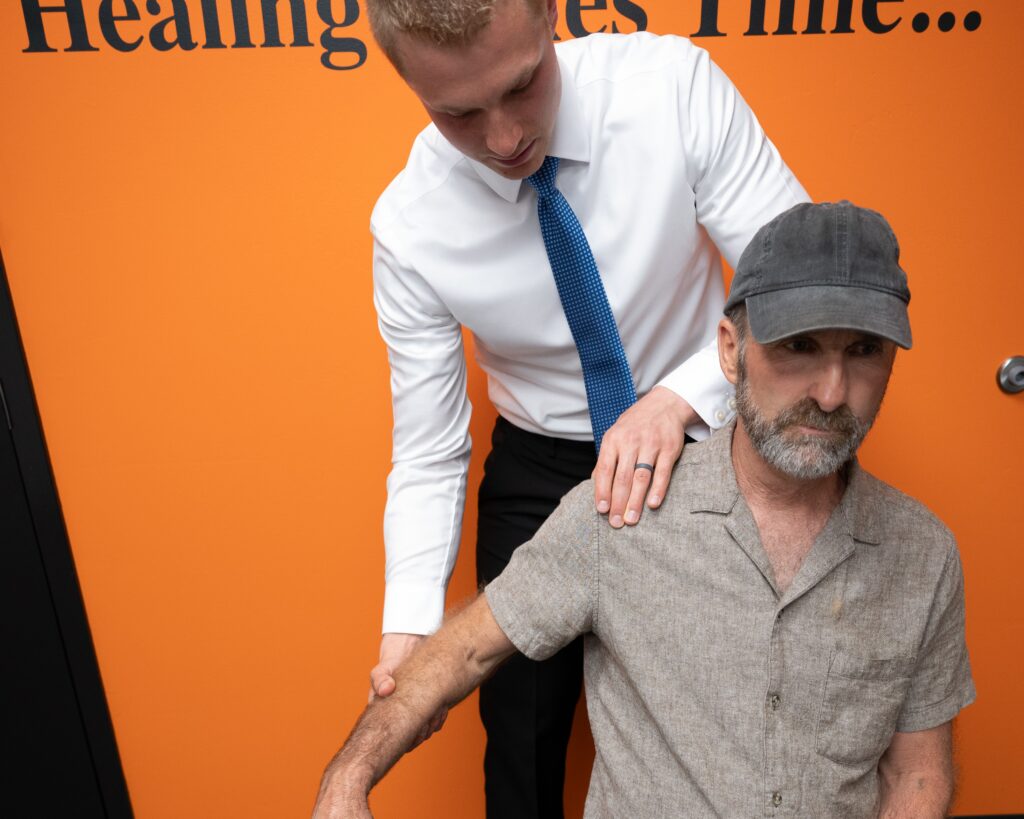
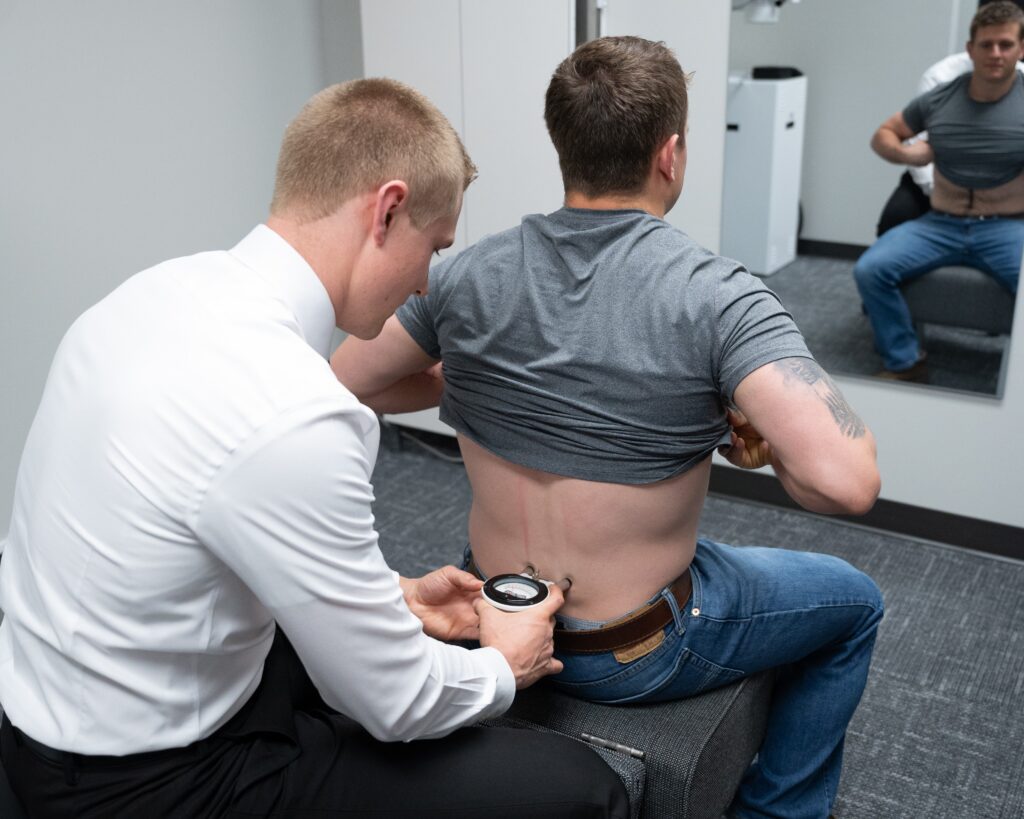
If you’re dealing with lower back pain, it’s important to know you’re not alone. Many individuals face this challenge, which can hinder daily activities. As a local chiropractor, I want to share that there are effective, natural techniques to help alleviate your discomfort within just 30 days. By incorporating strengthening exercises, stretching routines, and making ergonomic adjustments to your environment, you can start to experience significant improvements.
But how can you find a personalized approach that works best for you? Let’s delve into some key strategies that I often recommend in my practice to help you achieve lasting relief from lower back pain. Together, we can explore how chiropractic care, combined with these techniques, can enhance your overall well-being and restore your quality of life.
Understanding the Causes of Lower Back Pain
As a local chiropractor, I want to help you understand the various causes of lower back pain, so you can take informed steps toward healing. One of the most common sources of discomfort is muscle strain, which often occurs from lifting heavy objects or making sudden, awkward movements.
If you find yourself sitting for extended periods, this can lead to muscle tightness, adding to your discomfort.
There are also more serious conditions, such as herniated discs or degenerative disc disease, that can create pressure on nearby nerves, leading to pain. If you’re carrying extra weight, your lower back may bear additional stress, and if your core muscles aren’t well-conditioned, they may struggle to adequately support your spine, contributing to pain.
Injuries from sports or accidents can also leave you with persistent discomfort. Additionally, it’s important to recognize that stress and emotional factors can amplify physical symptoms.
By understanding these underlying causes of your lower back pain, you can take proactive measures for relief and recovery. Chiropractic care focuses on addressing these issues naturally, helping to restore your body’s balance and function.
If you’re ready to explore effective, drug-free solutions for your lower back pain, I’m here to help guide you on your healing journey. Understanding your situation is the first crucial step toward finding relief.
Importance of Proper Posture
As a local chiropractor, I want to emphasize the importance of maintaining proper posture, especially when it comes to preventing and alleviating lower back pain. Many people may not be aware that common posture mistakes can lead to tension and discomfort over time, affecting your overall well-being.
Good posture isn’t just about standing tall; it plays a crucial role in maintaining a healthy spine and preventing strain on your muscles and ligaments. When your body is aligned properly, it can function more efficiently, reducing the risk of pain and injury.
I encourage you to consider incorporating some simple exercises into your daily routine to help improve your posture. These exercises can strengthen your core, enhance flexibility, and promote better alignment.
Benefits of Good Posture
As a local chiropractor, I want to share with you the incredible benefits of maintaining good posture and how it can positively impact your overall health. When you prioritize proper alignment, you help reduce the strain on your muscles and ligaments, which can significantly lower your chances of experiencing discomfort or injuries.
You may be surprised to learn that good posture can also give you a boost in energy levels. Proper alignment promotes better circulation and oxygen flow throughout your body, helping you feel more energized throughout your day.
Additionally, standing tall and maintaining good posture can enhance your confidence. When you present yourself with good posture, you often feel more self-assured in both social and professional interactions.
Furthermore, good posture plays a crucial role in digestion. When your body is aligned correctly, your organs can function more efficiently, promoting better digestion and overall health.
Lastly, proper posture can help improve your focus and concentration. By reducing fatigue through better alignment, you’ll find it easier to stay engaged and productive.
Common Posture Mistakes
As a local chiropractor, I often see patients who are unaware of how common posture mistakes can impact their spinal health and overall well-being.
It might seem straightforward to sit or stand correctly, but many of us unconsciously adopt habits that can lead to discomfort and even long-term health issues.
Let’s explore some of these common posture pitfalls and how they can affect your lower back:
- Slumping Shoulders: Many people tend to let their shoulders droop forward, which places undue strain on the spine. Over time, this can lead to chronic pain and discomfort.
- Leaning Forward: Whether you’re working at a desk or scrolling through your phone, leaning forward can create significant tension in your back. This posture can contribute to misalignments that may require chiropractic adjustments.
- Crossing Your Legs: While it may feel comfortable in the moment, crossing your legs can create uneven pressure on your hips and lower back, leading to misalignment and discomfort in the long run.
- Poor Sitting Position: Sitting at the wrong height—either too low or too high—can cause you to hunch over, further contributing to back pain and discomfort.
It’s crucial to find a supportive chair and maintain a neutral spine.
Recognizing these posture mistakes is the first step toward relief and better spinal health.
By making small adjustments to your daily habits, you can significantly improve your posture and overall well-being.
If you’re looking for personalized guidance or relief from pain, I’m here to help you on your journey to natural healing.
Exercises for Posture Improvement
As a local chiropractor, I want to emphasize the importance of proper posture for your overall health and well-being. Many people aren’t aware that maintaining good posture can significantly reduce pain and enhance your quality of life. Engaging in specific exercises can help you achieve this.
Begin with planks to strengthen your core muscles, which play a crucial role in supporting your spine. Wall angels are another great exercise; they help open up your shoulders and improve the alignment of your upper back. The cat-cow stretch is fantastic for increasing flexibility in your spine and fostering awareness of your body’s movements.
Incorporating chin tucks into your routine can reinforce proper neck alignment and help combat forward head posture—a common issue in our digital age. Additionally, practicing seated rows with resistance bands can strengthen your upper back, promoting an upright and healthy posture.
I encourage you to be consistent with these exercises—aim to perform them several times a week. By committing to this routine, you’ll likely notice a positive shift in your posture and a greater sense of comfort in your daily activities.
Stretching Techniques for Instant Relief
As a local chiropractor, I want to share with you how effective stretching can be for alleviating lower back pain. Many people may not realize that incorporating specific stretching exercises into your daily routine can provide immediate relief from discomfort.
These stretches help to reduce tension in the muscles and enhance flexibility, which is crucial for a healthy back.
It’s important to keep in mind that the timing and frequency of these stretches play a significant role in their effectiveness. To truly reap the benefits, consistency is key.
By making stretching a regular part of your routine, you can experience long-lasting relief and support your overall spinal health.
Key Stretching Exercises
As a chiropractor, I often see patients who are dealing with lower back pain, and I want to share some effective stretching exercises that can provide immediate relief and support your journey towards natural healing.
Incorporating these key stretches into your routine can help alleviate tightness and enhance your overall flexibility, resulting in improved comfort. Here are four stretches I recommend:
- Child’s Pose: This is a gentle stretch that allows you to kneel on the floor, sit back on your heels, and extend your arms forward while lowering your torso. It’s excellent for calming the mind and relieving tension in the lower back.
- Cat-Cow Stretch: Begin on all fours and alternate between arching your back like a cat and dipping it down like a cow. This movement helps to mobilize your spine and can ease stiffness.
- Knee-to-Chest Stretch: While lying on your back, gently pull one knee towards your chest, hold it for a moment, and then switch to the other leg. This stretch is particularly helpful for loosening the lower back and hip area.
- Seated Forward Bend: Sit with your legs extended in front of you, and reach toward your toes. This stretch not only targets the lower back but also helps to lengthen the spine and improve flexibility.
I encourage you to give these stretches a try. They can be a valuable addition to your routine as you work towards managing pain and enhancing your well-being through natural methods.
If you’re looking for personalized guidance, don’t hesitate to reach out for a consultation!
Timing and Frequency
As a local chiropractor, I want to emphasize the importance of timing and frequency in your stretching routine to enhance your overall well-being and alleviate discomfort. It’s beneficial to incorporate stretching into your daily life—ideally, aim to stretch at least once every day.
Morning stretches or those after long periods of sitting can be particularly effective in reducing stiffness and keeping your muscles flexible. If you find yourself feeling tight or uncomfortable, consider introducing short stretching sessions throughout your day, every few hours. This can help release built-up tension and promote better mobility.
When you stretch, focus on holding each position for about 15 to 30 seconds while taking deep breaths to further enhance relaxation. Pay close attention to your body’s signals; if any stretch feels uncomfortable, don’t hesitate to modify it or take a pause.
Strengthening Exercises for Long-Term Support
As a local chiropractor, I want to emphasize the importance of incorporating strengthening exercises into your routine to support a healthy lower back. A strong core and surrounding muscles are essential for maintaining proper posture and reducing strain on your spine.
Here are four effective exercises that I recommend to enhance your back health:
- Planks: Begin by engaging your core while holding a plank position for 30 seconds to one minute. This exercise is excellent for building stability and strength in your abdominal muscles, which play a crucial role in spinal support.
- Bridges: Lie on your back with your knees bent. Lift your hips towards the ceiling and hold for a few seconds. This movement primarily targets your glutes and lower back, helping to strengthen the muscles that support your spine.
- Bird-Dogs: Start on your hands and knees. Extend one arm forward while simultaneously extending the opposite leg behind you. Hold briefly, then switch sides. This exercise not only improves balance but also enhances core strength, which is vital for a healthy back.
- Dead Bugs: Lie on your back with your arms extended towards the ceiling and knees bent at a 90-degree angle. Lower one arm and the opposite leg towards the floor while keeping your back flat against the ground. This exercise helps to engage your core while minimizing strain on your spine.
Incorporating these exercises into your daily routine can significantly contribute to a healthier lower back.
As always, if you have any questions or concerns about your spine health, feel free to reach out to our office for guidance and support. Your well-being is our priority!
The Role of Heat and Cold Therapy
As a local chiropractor, I want to share with you the benefits of using heat and cold therapy for relieving lower back pain. These methods can be incredibly effective in your healing journey.
Heat therapy works by soothing tight muscles and increasing blood circulation, which helps to relax and ease discomfort.
On the other hand, cold therapy is fantastic for reducing inflammation and numbing any sharp pain you might be experiencing.
Understanding how to properly apply these therapies can greatly enhance your recovery process.
Whether you’re dealing with chronic pain or a recent injury, incorporating heat and cold therapy into your routine can provide significant relief.
It’s all about finding the right balance and approach that works for you.
If you have any questions or need guidance on how to use these techniques effectively, I’m here to help!
Benefits of Heat Therapy
As a local chiropractor, I want to share with you the benefits of heat therapy for alleviating lower back pain. Many patients seeking relief may not be familiar with the natural healing methods available to them, and heat therapy is a fantastic option.
When you apply heat to your lower back, you can enjoy immediate comfort and relaxation in your muscles. Here are some key advantages of this approach:
- Enhanced Blood Circulation: Heat therapy promotes increased blood flow, which is essential for delivering vital nutrients to the affected area and aiding in the healing process.
- Muscle Relaxation: Applying heat helps to loosen tight muscles, reducing stiffness and improving flexibility. This can be especially beneficial for those who experience tension in their lower back.
- Pain Relief: Heat therapy has the ability to dull pain signals sent to your brain, providing soothing relief from discomfort. This can be a valuable tool in your pain management strategy.
- Stress Relief: The warmth from heat therapy promotes relaxation, which can help alleviate stress and tension that may be contributing to your back pain.
Incorporating heat therapy into your daily routine can be an effective way to manage and relieve lower back pain.
As your chiropractor, I encourage you to explore this natural healing method and consider how it can complement your overall wellness plan.
Advantages of Cold Therapy
As a local chiropractor, I often encounter patients who aren’t familiar with the benefits of cold therapy, especially when it comes to alleviating lower back pain.
Cold therapy, also known as cryotherapy, is an effective method for reducing inflammation and numbing sharp pain in your lower back. By applying a cold pack or ice wrapped in a cloth to the affected area, you can constrict blood vessels, which helps decrease swelling and discomfort. This approach is particularly beneficial after physical activity or an injury.
In addition to pain relief, cold therapy can help limit muscle spasms and improve your overall mobility. It’s quite simple to incorporate into your routine—just apply the cold source for 15-20 minutes, and remember to give your skin time to warm up between sessions.
A crucial tip to keep in mind is to avoid applying ice directly to your skin to prevent frostbite. By integrating cold therapy into your care plan, you can experience significant relief, making daily activities much more manageable.
It’s a natural and effective way to support your healing journey!
Ergonomic Adjustments for Your Workspace
As a local chiropractor, I often see patients who underestimate the significant role their workspace plays in contributing to lower back pain.
By making simple ergonomic adjustments, you can greatly improve your comfort and productivity while working. It’s vital to create a supportive environment that promotes good posture, which can help alleviate discomfort and prevent future issues.
Here are four key ergonomic changes I recommend:
- Chair Height: Ensure your chair is adjusted so that your feet rest flat on the floor, and your knees form a 90-degree angle. This position helps maintain proper alignment and reduces stress on your lower back.
- Monitor Position: Your monitor should be at eye level and about an arm’s length away. This setup minimizes neck strain, allowing for a more relaxed working posture.
- Keyboard and Mouse: Position your keyboard and mouse close enough to your body so that your elbows can stay at your sides. This adjustment helps reduce shoulder strain and promotes a more comfortable arm position while you work.
- Supportive Backrest: Choose a chair with built-in lumbar support, or consider adding a cushion to support the natural curve of your lower back. This support is crucial for preventing discomfort during extended periods of sitting.
By incorporating these ergonomic adjustments into your workspace, you can take a proactive step towards better spinal health and overall well-being.
Incorporating Mindfulness and Relaxation Techniques
As a chiropractor, I want to share with you some valuable insights on how to manage lower back pain effectively. While creating an ergonomic workspace is essential, there’s so much more you can do to enhance your relief through mindfulness and relaxation techniques.
I encourage you to start by setting aside a few minutes each day for mindfulness meditation. This practice involves focusing on your breath and consciously letting go of any tension you may be holding in your body. By reducing stress, you can help alleviate pain, as stress can often exacerbate discomfort.
Another technique that I find very effective is progressive muscle relaxation. Find a comfortable position, preferably lying down, and begin by tensing and then relaxing each muscle group in your body, starting from your toes and moving up to your shoulders. This method not only helps to release tension in your back but also promotes a sense of overall relaxation.
Deep breathing exercises are another wonderful tool in your pain management toolkit. Take a slow, deep breath in through your nose, allowing your abdomen to expand fully, and then exhale gently through your mouth. This practice calms your nervous system, which can significantly help in managing pain.
By integrating these techniques into your daily routine, you may notice a reduction in discomfort and a marked improvement in your overall well-being.
Exploring Alternative Therapies: Acupuncture and Massage
As a local chiropractor, I often encounter patients who are seeking relief from lower back pain and may not be familiar with the benefits of alternative therapies like acupuncture and massage.
These holistic approaches can play a significant role in managing your discomfort, and I’d like to share how they might enhance your healing journey:
- Pain Reduction: Acupuncture works by stimulating specific points on the body, which can lead to the release of endorphins—your body’s natural painkillers. This process can help alleviate pain and promote a sense of well-being.
- Muscle Relaxation: Massage therapy is excellent for targeting tension in your back muscles. It not only helps to relieve tightness but also improves blood circulation and flexibility, which are essential for recovery and overall spine health.
- Stress Relief: Both acupuncture and massage promote deep relaxation, which can significantly reduce stress levels. Lower stress can help prevent muscle tightness and improve your overall physical and mental well-being.
- Improved Mobility: Regular sessions with a massage therapist or acupuncturist can enhance your range of motion. This means that simple daily activities can become easier and more comfortable, allowing you to engage in life without the limitations of pain.
Incorporating these alternative therapies into your wellness routine can complement the chiropractic care you receive and provide substantial relief from lower back pain.
It’s important to consult with a healthcare professional, such as myself, to determine the best combination of therapies tailored to your specific needs.
Embrace these natural healing methods, and you may discover the relief and improved quality of life you’ve been searching for!
Nutritional Considerations for Joint and Muscle Health
As a local chiropractor, I want to share some insights on how a holistic approach can significantly benefit your lower back pain relief. One of the key components of this approach is nutrition, which plays a vital role in your joint and muscle health. The food you consume can greatly influence inflammation levels in your body, making it important to focus on anti-inflammatory foods.
Incorporate options like fatty fish, nuts, and leafy greens into your meals, as these foods help reduce inflammation and support the healing process. It’s also essential to ensure you’re getting enough vitamins and minerals, particularly vitamin D and calcium, which are crucial for maintaining strong bones.
Hydration is another important factor; drinking plenty of water helps keep your joints lubricated and functioning optimally. I encourage you to steer clear of processed foods that are high in sugar and unhealthy fats, as these can worsen inflammation and hinder your recovery.
By making these nutritional adjustments, you can enhance your overall well-being and potentially relieve lower back pain. Remember, even small changes in your diet can lead to significant improvements in how you feel.
Let’s work together to create a healthier lifestyle that supports your chiropractic care and overall health!
Creating a Sustainable Pain Management Plan
As a local chiropractor, I want to share some insights on creating a sustainable pain management plan that can help you find long-term relief from lower back pain.
Understanding and actively participating in your recovery journey is crucial. Here are four essential elements to consider:
1. Regular Exercise: Engaging in low-impact activities such as walking or swimming can significantly strengthen your back muscles and enhance flexibility.
These exercises are gentle on your body and can be easily incorporated into your daily routine.
2. Pain Monitoring: Keeping a pain journal is a useful tool. By tracking your pain levels, identifying triggers, and noting which relief strategies work best for you, you can uncover patterns that inform adjustments to your pain management plan.
This personalized approach is key to effective recovery.
3. Mindfulness Practices: Techniques like meditation or yoga can be incredibly beneficial in reducing stress and promoting relaxation.
These practices not only improve your mental well-being but can also help alleviate physical pain by fostering a mind-body connection.
4. Professional Support: Working with me and other healthcare providers, such as physical therapists, can tailor a management plan specifically to your needs.
Chiropractic care focuses on natural healing, and together we can explore adjustments, exercises, and lifestyle changes that support your recovery.
By integrating these elements into your pain management strategy, you can take proactive steps toward a healthier, pain-free life.
Conclusion
As a local chiropractor, I want to share some effective techniques that can help you manage and relieve lower back pain within the next 30 days. By integrating these approaches into your daily routine, you can make significant strides toward a healthier back.
First and foremost, it’s important to focus on strengthening your core muscles. A strong core provides essential support for your spine, which can alleviate pressure on your lower back. Additionally, maintaining proper posture throughout your day is crucial; it helps distribute your body weight evenly and reduces strain on your back.
Incorporating stretching exercises into your routine can provide immediate relief and improve your flexibility. These exercises can help to loosen tight muscles and improve blood circulation in the affected areas. I also recommend considering heat and cold therapy. Applying heat can relax tense muscles, while cold therapy can reduce inflammation and numb sharp pain.
Furthermore, I encourage you to explore mindfulness practices, such as meditation or deep breathing exercises. These can enhance your overall well-being and provide a calming effect that may help ease your pain.
Remember, consistency is key. Staying committed to your pain management plan is essential for achieving long-term relief. Embrace this journey toward a healthier, pain-free back, and don’t hesitate to reach out for guidance along the way!