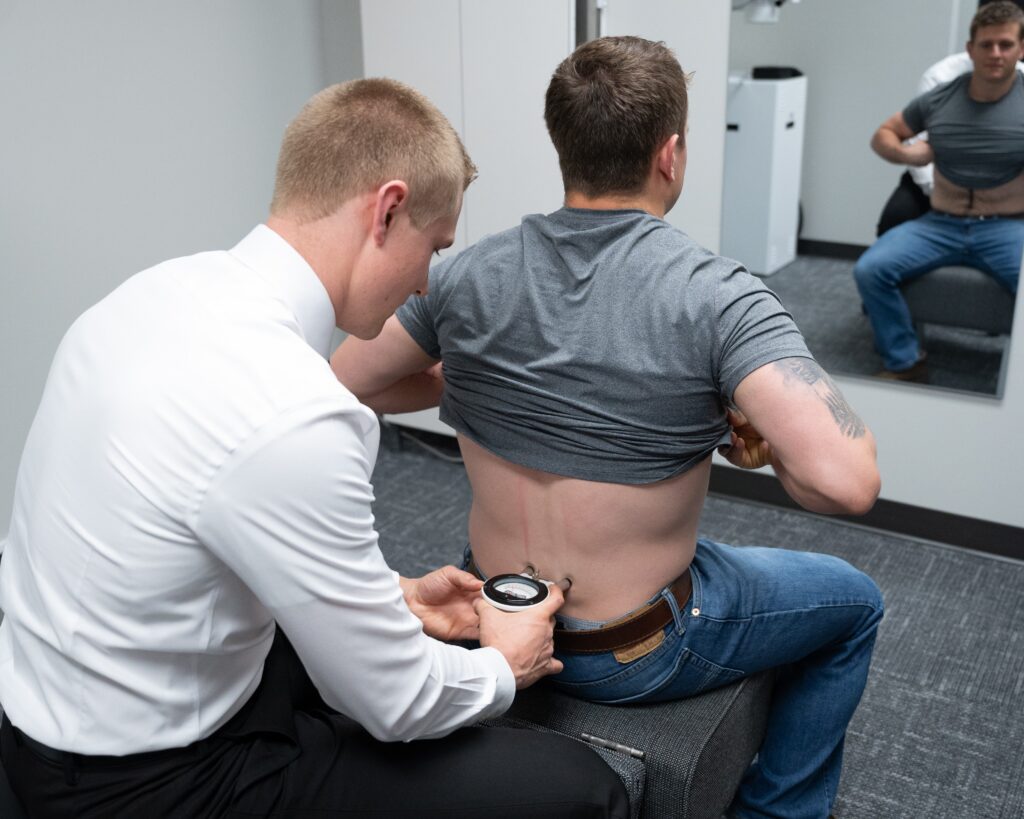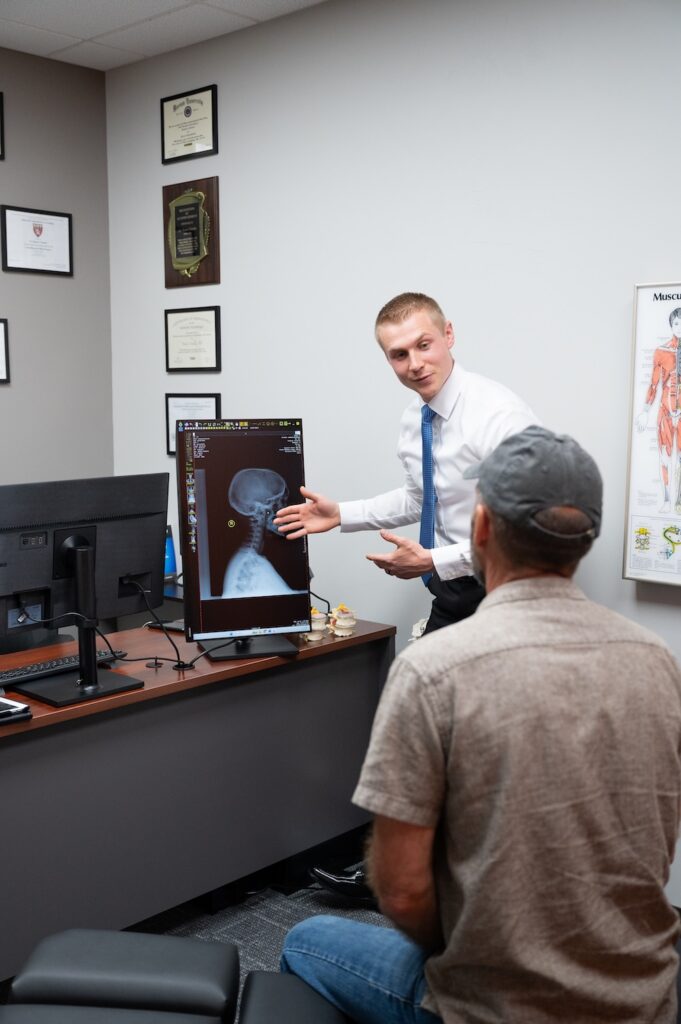

If you're experiencing ongoing back pain, know that you're not alone, and finding the right relief is crucial for your well-being. As a local chiropractor, I want to emphasize the importance of a holistic approach to pain management. This includes incorporating a mix of stretching and strengthening exercises, maintaining proper posture, and utilizing targeted therapies.
Even small adjustments in your everyday routine can significantly enhance your comfort. However, there are also some lesser-known techniques that can complement traditional practices and accelerate your recovery. By exploring these options, you may discover a more comprehensive strategy for managing your pain and improving your overall health. Remember, chiropractic care focuses on natural healing and can be a valuable part of your journey toward relief.
Stretching Exercises
As a local chiropractor, I want to share with you the incredible benefits of stretching exercises for alleviating back pain and enhancing your overall flexibility. Incorporating regular stretching into your daily routine can significantly relieve muscle tension and improve your range of motion.
It's particularly important to concentrate on areas that are commonly affected by back pain, including the lower back, hips, and hamstrings.
Let's begin with some gentle stretches that can make a big difference. One effective stretch is the cat-cow pose. To perform this, get down on all fours. As you arch your back upwards towards the ceiling, allow your head to drop. Then, gently lower your back while lifting your head to look upwards. This movement is excellent for mobilizing your spine and alleviating tightness.
Next, consider trying the child's pose. Kneel on the floor, sit back on your heels, and extend your arms forward on the ground. This position is particularly beneficial as it helps elongate your spine and relax your back muscles, promoting a sense of ease.
We mustn't overlook the importance of stretching the hamstrings! Stand tall and place one foot on a low surface, keeping your leg straight. Lean forward gently to feel a stretch along the back of your thigh. This can be instrumental in reducing strain on your lower back.
I recommend holding each stretch for about 15 to 30 seconds and repeating them two to three times for optimal results. Throughout the stretches, remember to breathe deeply. This not only reduces tension but also promotes relaxation.
It's essential to listen to your body and avoid pushing beyond your limits. With consistent practice of these stretches, you'll likely notice improvements in your flexibility and a decrease in back pain, making daily activities more comfortable and enjoyable.
As your chiropractor, I'm here to guide you on your journey to better health and wellness through natural healing methods like stretching.
Strengthening Workouts
As a local chiropractor, I want to emphasize the importance of incorporating strengthening workouts into your routine, especially after you've added stretching exercises.
Strengthening your core and back muscles is essential for providing the support your spine needs, which can significantly reduce the risk of injury and alleviate pain.
Let's start with a foundational exercise: planks. This exercise engages your entire core while stabilizing your back. I recommend holding a plank position for 20 to 30 seconds, gradually increasing the duration as you build strength.
Another effective exercise is the bird-dog. While on your hands and knees, extend one arm forward and the opposite leg back. Make sure to keep your hips level. Hold this position for a few seconds before switching sides. This movement is great for strengthening your lower back and improving coordination.
Additionally, I encourage you to incorporate bridges into your routine. To perform this exercise, lie on your back with your knees bent and feet flat on the ground. Lift your hips toward the ceiling while squeezing your glutes. Hold for a few seconds before lowering back down. Bridges specifically target your glutes and lower back, providing vital support for your spine.
Rows are another fantastic exercise to include, and they can be done with resistance bands or weights. Stand with your feet shoulder-width apart, pull the weights or bands towards you while squeezing your shoulder blades together. This movement strengthens your upper back and helps counteract slouched postures that can lead to discomfort.
Lastly, don't overlook the benefits of squats. Squats not only build leg strength but also engage your core and back when performed correctly. Remember to keep your back straight and push through your heels as you rise.
Proper Posture Practices
As a local chiropractor, I want to emphasize the importance of maintaining proper posture for your overall spinal health and to help prevent back pain. Many of you may not be aware, but the way you sit, stand, and move throughout your daily activities can significantly impact how your back feels.
Start by being mindful of your posture. When you sit, ensure that your shoulders are relaxed and your back is straight. It's beneficial to keep your feet flat on the floor and your knees at a right angle if you're seated. This posture helps distribute your weight evenly and reduces strain on your back.
When standing, try to distribute your weight evenly across both feet and avoid locking your knees. Keep your ears aligned with your shoulders and hips, creating a straight line from your head down to your heels. If you catch yourself slouching, take a moment to adjust and realign your body.
Also, be cautious when lifting objects. Remember to bend at your knees and hips instead of your back, and keep the object as close to your body as possible to minimize strain.
Additionally, I encourage you to evaluate your workspace. If you spend long hours at a desk, consider investing in an ergonomic chair that provides support for your lower back. Position your computer screen at eye level to avoid leaning forward, which can create unnecessary tension in your neck and back.
Lastly, don't forget the importance of movement. I recommend taking frequent breaks—stand up, stretch, and move around every hour to keep your muscles engaged.
These simple practices can make a substantial difference in your overall well-being and spinal health. If you have any questions or need personalized advice on how to improve your posture, feel free to reach out. Your health is worth it!
Heat and Cold Therapy
As a local chiropractor, I want to share how heat and cold therapy can be an effective part of your journey to relieve back pain naturally.
These methods not only help reduce inflammation but also ease muscle tension and improve blood circulation. Whether you're experiencing chronic discomfort or have recently sustained an injury, understanding how to utilize heat and cold can significantly enhance your overall comfort and well-being.
Here's how you can incorporate these therapies into your daily routine:
- Ice Packs for Acute Pain: If you're dealing with sharp pain or swelling, I recommend using ice packs wrapped in a cloth. Apply them to the affected area for 15-20 minutes at a time. This will help numb the pain and decrease inflammation, especially after physical activity or an injury.
- Heat Pads for Muscle Relaxation: For those tight muscles or stiffness, applying a heating pad or a warm towel to your back for 15-30 minutes can be very beneficial. The heat will promote blood flow, which assists in relaxing tense muscles and alleviating discomfort.
- Contrast Therapy: Consider trying contrast therapy, which alternates between heat and cold. Start with ice for about 10 minutes, followed by heat for another 10 minutes. This technique can provide a comprehensive approach to pain relief by stimulating circulation and reducing inflammation.
- Timing and Frequency: You can apply heat or cold therapy several times a day. Just be sure to take breaks between applications to protect your skin from potential damage.
By integrating heat and cold therapy into your regimen, you can take proactive steps toward managing your back pain and enhancing your overall health.
If you have any questions or need further guidance, feel free to reach out—I'm here to help!
Alternative Therapies
As a local chiropractor, I want to take a moment to educate you about the various alternative therapies available for managing back pain and enhancing your overall wellness. Many of my patients have found significant relief through approaches such as chiropractic care, acupuncture, and massage therapy, which can greatly improve comfort and mobility.
Chiropractic care focuses on the alignment of your spine and the musculoskeletal system. By performing adjustments, we help alleviate pressure on nerves, reduce pain, and restore function.
It's important to have a personalized consultation, where we can discuss your specific back issues and create a tailored treatment plan that suits your needs.
Acupuncture is another complementary therapy worth considering. This method involves inserting thin needles into specific points on the body to release tension and promote blood flow. Many patients have reported noticeable relief after just a few sessions.
Massage therapy is also an excellent option to consider. Regular massage can help alleviate muscle tension and enhance circulation, aiding in your body's healing process.
Whether you prefer deep tissue, Swedish, or trigger point massage, we can find the right technique that works best for you.
In addition to these therapies, incorporating practices like yoga and Pilates can significantly benefit your back health. These activities focus on flexibility and strength, promoting proper posture and body awareness, which can help prevent future back pain.
I also encourage exploring natural remedies, such as herbal supplements like turmeric or ginger, which some individuals find beneficial for reducing inflammation.
However, it's essential to consult with a healthcare professional before starting any new treatments.
By integrating these alternative therapies into your routine, you can adopt a holistic approach to managing your back pain. It's all about discovering what works best for you and your unique body.
If you have any questions or would like to learn more about how chiropractic care can help you, please feel free to reach out.
Ergonomic Adjustments
As a local Chiropractor, I want to emphasize the importance of your workspace in managing and relieving back pain. Many people are unaware that optimizing your desk setup and ensuring proper seating support can make a significant difference in your overall comfort and spinal health.
First, it's crucial to adjust your chair to provide adequate support for your lower back. A chair that encourages good posture will help maintain the natural curves of your spine.
Next, consider the height of your monitor—ideally, it should be at eye level to prevent straining your neck and back.
Lastly, pay attention to your keyboard placement; it should be positioned so that your wrists are straight and your elbows are at a 90-degree angle.
By making these ergonomic adjustments, you can create a workspace that not only supports your back but also promotes overall well-being.
Remember, your body deserves a healthy environment to thrive in, and small changes can lead to significant improvements in how you feel.
If you have any questions or need further guidance, feel free to reach out!
Desk Setup Optimization
As a local chiropractor, I want to emphasize the importance of an optimized desk setup for preventing and alleviating back pain, especially for those of you who find yourselves working long hours at a computer.
Simple adjustments to your workspace can significantly enhance your posture and reduce strain, leading to a healthier back.
Here are four essential tips to help you create an ergonomic desk setup:
- Monitor Height: Ensure your monitor is positioned so that the top of the screen aligns with or is just below your eye level. This adjustment helps prevent the common issue of craning your neck forward or looking down, both of which can lead to discomfort and pain.
- Keyboard Placement: Your keyboard should be at a height that allows your elbows to remain at a 90-degree angle. This position keeps your forearms parallel to the ground and minimizes tension in your shoulders and wrists, which can often contribute to discomfort.
- Mouse Position: Keep your mouse close to your keyboard to avoid any unnecessary overreaching. It's crucial that your wrist remains in a neutral, straight position while using the mouse to prevent strain.
- Desk Depth: Make sure your desk is deep enough so that you can sit back comfortably in your chair while keeping your monitor at an appropriate distance—ideally about an arm's length away. This setup promotes a more relaxed posture and reduces the risk of back pain.
By implementing these straightforward adjustments, you can create a workspace that not only enhances your comfort but also supports your overall spinal health.
Proper Seating Support
As a local chiropractor, I want to emphasize the importance of proper seating support for maintaining good posture and preventing back pain, especially if you spend long hours at your desk.
One of the best investments you can make for your health is an ergonomic chair that provides adequate lumbar support. This means that your chair should be designed to curve and fit the natural shape of your lower back, which encourages you to sit upright and maintain a healthy spine alignment.
It's crucial to adjust the height of your chair so that your feet rest flat on the floor, and your knees are positioned at or slightly below hip level. If your chair doesn't offer enough height adjustment, consider using a footrest to ensure your feet are properly supported.
Another key aspect is to make sure your back is fully supported. Leaning back slightly against your chair will help distribute your weight evenly and reduce strain on your spine, which is essential for preventing discomfort and injury.
Don't forget about your armrests! They should be adjustable to provide comfortable support for your arms without causing your shoulders to rise. This small adjustment can make a significant difference in how your upper body feels throughout the day.
Lastly, remember to take breaks every hour to stretch and move around. This practice helps relieve any tension that may build up, even when you have proper seating support.
Lifestyle Modifications
As a local chiropractor, I want to share how simple lifestyle modifications can significantly alleviate your back pain and enhance your overall well-being.
It's amazing how small changes in your daily habits can lead to substantial improvements in how you feel. Here are four essential modifications I recommend for my patients to help manage discomfort:
1. Stay Active: Engaging in regular physical activity is crucial for strengthening your muscles and maintaining flexibility, both of which are vital for spinal health.
I suggest aiming for at least 30 minutes of moderate exercise on most days. Activities such as walking, swimming, or practicing yoga aren't only gentle on your back but also incredibly beneficial for your body as a whole.
2. Maintain a Healthy Weight: Excess weight can place additional strain on your spine and surrounding muscles, exacerbating pain.
Focus on adopting a balanced diet that includes plenty of fruits, vegetables, lean proteins, and whole grains. This approach not only aids in weight management but also supplies your body with essential nutrients that support muscle health and recovery.
3. Practice Good Posture: Proper posture is a key element in preventing back pain, whether you're sitting at a desk, standing, or lifting objects.
I encourage you to keep your back straight, shoulders relaxed, and to avoid slouching. When lifting, remember to bend your knees and keep the object close to your body to reduce stress on your back.
4. Manage Stress: Stress can lead to muscle tension, contributing to back pain.
Incorporating relaxation techniques into your daily routine, such as deep breathing exercises, meditation, or mindfulness practices, can be extremely effective in reducing stress levels and promoting a sense of calm.
By implementing these lifestyle modifications, you can take proactive steps toward managing your back pain and improving your quality of life.
Conclusion
As a local chiropractor, I want to share some effective techniques for relieving back pain that can enhance your comfort and mobility. It's crucial to understand that a holistic approach is key to managing pain effectively. This involves incorporating stretching and strengthening exercises into your routine, which can help support your spine and improve flexibility.
Maintaining proper posture throughout your daily activities also plays a significant role in preventing and alleviating discomfort. Additionally, utilizing heat or cold therapy can provide immediate relief and reduce inflammation.
Don't forget about the importance of ergonomic adjustments in your workspace and home environment; these small changes can significantly impact your daily comfort. Lifestyle modifications, such as regular physical activity and a balanced diet, are also vital for back health.
Furthermore, I encourage you to explore alternative therapies like chiropractic care and massage. These treatments can complement your efforts and provide further support for your back health. Taking proactive steps today can lead you to a pain-free tomorrow. Let's work together on a tailored plan that suits your individual needs!