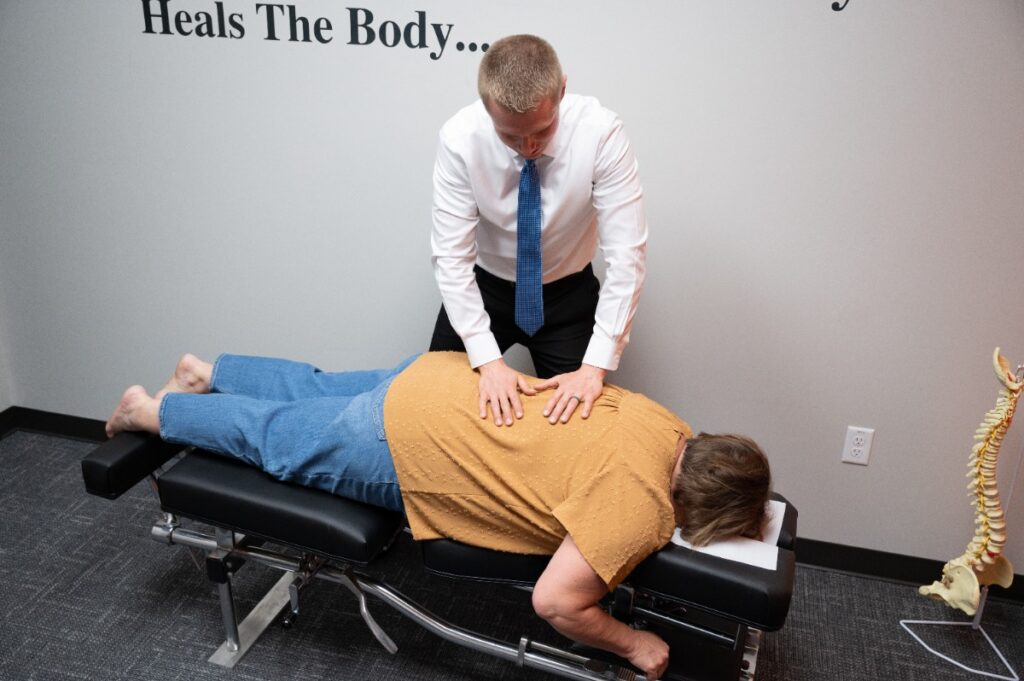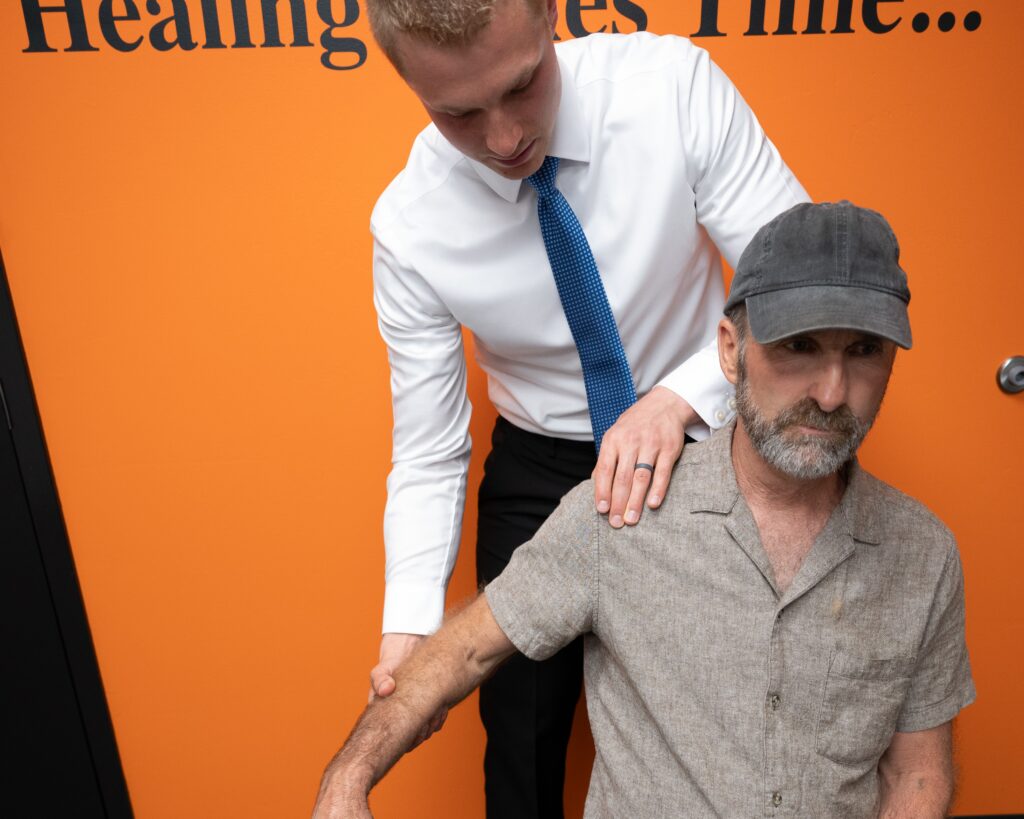

When you experience a sports injury, seeking help isn't just a choice; it's an essential step towards your recovery and future performance. You might think you can tough it out or self-diagnose, but that could lead to more significant problems down the line. By consulting professionals, you gain access to accurate diagnoses and personalized treatment plans tailored to your needs. Plus, understanding your injury can help prevent it from recurring. If you're wondering what else you might gain from this process, consider how it could transform your approach to both recovery and injury prevention.
Understanding Your Injury
When you experience a sports injury, it's important to understand what's happening to your body. Recognizing the type of injury can markedly impact your recovery. Is it a sprain, strain, fracture, or something else? Each injury affects different tissues, whether it's muscles, ligaments, or bones. Knowing the specifics helps you make informed decisions about treatment and rehabilitation.
Pay attention to the symptoms. Pain, swelling, and bruising can provide clues about the severity of the injury. If you feel sharp or persistent pain, it might indicate a more serious issue that needs medical attention. Listening to your body is fundamental; ignoring warning signs can lead to worsening conditions.
It's also imperative to reflect on how the injury occurred. Did you overexert yourself, use improper techniques, or fail to warm up? Understanding the cause can help prevent future injuries and guide your recovery process. Think about whether you played through the pain or pushed your limits too far. This awareness can lead to better training habits moving forward.
Consulting with a healthcare professional can deepen your understanding. They can provide a proper diagnosis, explain the mechanisms of your injury, and suggest treatment options tailored to your needs. This guidance empowers you to take control of your recovery, ensuring you return to your sport safely and effectively.
Ultimately, grasping the nature of your injury lays the foundation for healing and helps you regain confidence in your physical abilities.
Preventing Long-Term Damage
Taking action early when you get injured can greatly reduce the risk of chronic issues later on.
By addressing your injury promptly, you not only enhance your recovery but also protect yourself from long-term damage.
Let's explore how early intervention can be your best defense against future complications.
Early Intervention Benefits
In the world of sports, acting quickly after an injury can make all the difference in preventing long-term damage. When you seek help right away, you allow medical professionals to assess your condition accurately and develop an appropriate treatment plan. This prompt intervention tackles the root of the problem instead of letting it fester.
By addressing your injury early, you reduce the risk of complications. A small strain, for example, can turn into a significant tear if ignored. You'll likely recover faster, allowing you to return to your sport sooner.
Plus, with the right guidance, you can learn proper techniques and rehabilitation exercises that not only heal your injury but also strengthen the affected area.
Additionally, early treatment can provide you with valuable insights into your body's limits, helping you avoid future injuries. You'll gain a better understanding of what's needed to maintain peak performance.
In short, don't wait to seek help. The sooner you act, the better your chances of a full recovery and a brighter sports future. Prioritizing early intervention is essential for your long-term health and athletic success.
Chronic Injury Risks
Ignoring early signs of injury can lead to chronic issues that greatly impact your performance and overall well-being. When you brush off pain or discomfort, you risk developing conditions like tendonitis, stress fractures, or arthritis, which can linger for years.
These injuries don't just affect your game; they can also hinder your daily activities and overall quality of life.
By seeking help early, you can prevent these long-term complications. A healthcare professional can properly assess your situation, recommend appropriate treatments, and design a rehabilitation plan tailored to your needs.
This proactive approach allows you to recover fully and return to your sport stronger than before.
Addressing injuries when they first occur means you're less likely to experience recurring pain or further damage. You don't want to find yourself sidelined for a season—or longer—due to neglecting your body's signals.
Remember, your body deserves attention and care. Taking action now not only protects your athletic career but also promotes a healthier lifestyle overall.
Don't let chronic injuries dictate your future; prioritize your health and seek help when needed.
Personalized Treatment Plans
Creating personalized treatment plans is vital for effectively addressing sports injuries. When you're dealing with an injury, a one-size-fits-all approach just won't cut it. Each athlete has unique needs based on their sport, injury type, and personal goals. By working with a specialist, you can develop a tailored plan that considers all these factors, helping you recover more efficiently and effectively.
In a personalized treatment plan, various components come into play. First, your medical history and current condition will be assessed to understand the injury's specifics and how it affects your performance.
Then, a combination of treatments—like physical therapy, strength training, or even nutritional guidance—can be integrated. This holistic approach not only targets the injury itself but also enhances your overall athletic performance.
You'll also benefit from regular progress evaluations. These check-ins allow you to adjust your treatment plan as needed, ensuring that you're on the right track. If you find certain exercises are too painful or not effective, your specialist can modify them to better suit your recovery.
This adaptability is essential in preventing setbacks and promoting a quicker return to your sport.
Ultimately, personalized treatment plans empower you to take control of your recovery. By addressing your specific needs and circumstances, you can heal more effectively, regain confidence, and get back to doing what you love—competing at your best.
Don't overlook the importance of a tailored approach; it might just be the key to your successful recovery.
Accessing Specialized Care
When you face a sports injury, accessing specialized care can make all the difference.
Expert diagnosis and tailored rehabilitation programs will get you back on track while also equipping you with injury prevention strategies.
Let's explore how these resources can support your recovery and enhance your performance.
Expert Diagnosis and Treatment
In the midst of a sports injury, seeking expert diagnosis and treatment can make all the difference in your recovery. Sports injuries can be complex, and a detailed evaluation by a specialist guarantees you understand the extent of your injury.
They'll conduct thorough assessments, including imaging tests like X-rays or MRIs, to pinpoint the exact issue.
Once they diagnose your injury, you'll receive a tailored treatment plan that addresses your specific needs. This plan may include methods like physical therapy, medication, or even surgical options.
Having a knowledgeable professional guide you through your recovery not only speeds up healing but also minimizes the risk of re-injury.
You might feel tempted to self-diagnose or rely on general advice, but this can lead to complications and prolonged recovery times. By seeking expert care, you're investing in a detailed approach that focuses on your unique circumstances.
Tailored Rehabilitation Programs
After receiving a proper diagnosis and treatment plan from a specialist, the next step in your recovery journey involves accessing tailored rehabilitation programs.
These programs are designed specifically for your unique situation, ensuring that you recover effectively and efficiently. Working closely with physical therapists, you'll engage in exercises and therapies that cater to your specific injury, helping you regain strength, flexibility, and mobility.
Some key benefits of tailored rehabilitation programs include:
- Individualized attention: Focus on your specific needs and recovery goals.
- Structured progression: Gradual increase in difficulty to safely challenge your body.
- Expert guidance: Benefit from the knowledge and skills of trained professionals.
- Motivation and support: Stay encouraged through regular check-ins and progress assessments.
- Injury-specific techniques: Learn targeted exercises to enhance recovery and prevent re-injury.
Injury Prevention Strategies
Implementing effective injury prevention strategies is essential for athletes and active individuals alike. By accessing specialized care, you can gain valuable insights tailored to your specific needs. A sports medicine professional can assess your physical condition and identify potential risk factors that may lead to injuries.
Start by incorporating strength and conditioning programs into your training regimen. These programs enhance your overall performance while minimizing the risk of injury. Additionally, don't overlook the importance of proper warm-ups and cool-downs; they prepare your body for physical activity and aid recovery afterward.
You should also focus on flexibility and balance training. These components improve your range of motion and stability, reducing the likelihood of strains or sprains. Make sure your equipment is suitable for your sport and fits properly; improper gear can lead to injuries.
Finally, listen to your body. If you experience pain or discomfort, seek professional advice promptly. Early intervention can prevent more serious injuries down the road.
Enhancing Recovery Time
Recovering from a sports injury can feel intimidating, but there are effective strategies that can greatly speed up the healing process.
By taking proactive steps, you can enhance your recovery time and get back to the activities you love. Here are some key strategies to take into account:
- Follow medical advice: Always listen to your healthcare provider. They'll give you tailored recommendations that suit your specific injury.
- Rest adequately: Don't rush back into action. Giving your body enough time to rest is essential for a full recovery.
- Stay hydrated: Proper hydration helps your body repair tissues and reduces inflammation. Make sure you're drinking enough water throughout the day.
- Balance nutrition: Fuel your body with a diet rich in vitamins and minerals. Foods high in protein, omega-3 fatty acids, and antioxidants can support healing.
- Engage in physical therapy: A physical therapist can guide you through exercises that promote recovery and strengthen the injured area.
Improving Athletic Performance
Improving athletic performance is vital for anyone looking to excel in their sport, and there are several proven methods to help you reach your peak potential. First and foremost, it's important to assess your current physical condition. Regular evaluations by a sports professional can identify areas that need improvement, whether it's strength, flexibility, or endurance.
Next, consider incorporating tailored training programs. These programs should focus on your specific sport and address both your strengths and weaknesses. By working on targeted skills and drills, you'll not only enhance your performance but also build confidence in your abilities.
Additionally, don't underestimate the role of nutrition in athletic performance. A well-balanced diet rich in essential nutrients fuels your body, aids recovery, and supports optimal function. Consulting with a nutritionist can help you create a meal plan that complements your training regimen.
Rest and recovery are equally important. Overtraining can lead to injuries, which ultimately hinder your performance. Make sure to schedule rest days and engage in activities like stretching or yoga to promote recovery.
Finally, mental preparation can give you a competitive edge. Techniques like visualization, goal-setting, and mindfulness can help you stay focused and positive during competitions.
Learning Injury Prevention Strategies
To keep yourself injury-free, it's essential to master proper warm-up techniques and incorporate strengthening exercises into your routine.
These strategies not only prepare your body for the demands of sports but also build resilience against injuries.
Let's explore how you can implement these practices effectively.
Proper Warm-Up Techniques
A proper warm-up can considerably reduce your risk of injury and enhance your performance during sports activities. By preparing your body for the physical demands ahead, you'll increase blood flow to your muscles, improve flexibility, and boost your overall readiness.
Here are some effective warm-up techniques you should incorporate into your routine:
- Dynamic Stretching: Engage in movements that mimic your sport, like leg swings or arm circles, to increase mobility.
- Gradual Increase in Intensity: Start with light activity, such as jogging, and gradually elevate your pace to match your sport's intensity.
- Sport-Specific Drills: Include drills that are directly related to your sport, which will help activate the specific muscle groups you'll use.
- Joint Mobilization: Focus on mobilizing key joints, like ankles and shoulders, to prevent stiffness and improve range of motion.
- Mental Preparation: Take a few moments to visualize your performance, which can help you focus and reduce anxiety.
Implementing these warm-up techniques can considerably decrease your chances of injury and set the stage for a successful and enjoyable sporting experience.
Strengthening Exercises Importance
Strengthening exercises play an important role in injury prevention strategies for athletes. When you engage in regular strength training, you enhance your muscle endurance, flexibility, and overall stability. This not only boosts your performance but also lowers the risk of injuries during play.
By targeting specific muscle groups, you create a balanced body that can better withstand the physical demands of your sport. For instance, strengthening your core helps improve your balance and coordination, which are crucial for almost any athletic activity. Stronger muscles also support your joints, reducing the likelihood of strains and sprains.
Incorporating exercises like squats, lunges, and resistance training into your routine can greatly improve your functional strength. It's important to focus on both major and minor muscle groups to guarantee thorough protection against injuries.
Additionally, don't forget to include flexibility exercises, as they complement strength training by improving your range of motion.
Gaining Psychological Support
While dealing with a sports injury, gaining psychological support is essential for both recovery and overall well-being. The emotional toll of being sidelined can be just as challenging as the physical pain.
It's easy to feel isolated, frustrated, or even depressed. By seeking psychological support, you can navigate these feelings more effectively and enhance your healing process.
Here are some key benefits of gaining psychological support during your recovery:
- Improved Coping Strategies: A mental health professional can teach you techniques to manage stress and anxiety related to your injury.
- Enhanced Motivation: Support can help you maintain a positive mindset, keeping you focused on your rehabilitation goals.
- Increased Resilience: Regular sessions can build your emotional strength, allowing you to bounce back more quickly from setbacks.
- Better Communication: Talking about your feelings can improve how you express your needs and concerns to coaches, teammates, and family.
- Thorough Healing: Addressing your mental health is just as important as physical rehabilitation, leading to a more thorough recovery experience.
Don't underestimate the importance of mental well-being during this time. By actively seeking psychological support, you not only work on overcoming the emotional challenges of your injury, but you also empower yourself to return stronger, both physically and mentally.
Building a Support Network
Maneuvering the challenges of a sports injury can be overwhelming, but building a strong support network can make a considerable difference in your recovery. Surrounding yourself with the right people can provide encouragement, motivation, and valuable insights that help you navigate this tough time.
Start by reaching out to family and friends. They can offer emotional support and help lighten your load during recovery. Share your feelings and fears with them; their understanding can reduce feelings of isolation.
Also, consider connecting with teammates or fellow athletes who've experienced similar injuries. They can share their journeys, tips, and coping strategies, making your path feel less intimidating.
Don't forget about professionals. Engage with your physical therapist, coach, or trainer, as they play a vital role in your recovery. They understand the physical demands of your sport and can provide tailored advice to help you heal effectively.
Building a relationship with them fosters trust and guarantees you receive the best guidance. You might also explore online communities or support groups related to your injury or sport. These platforms can connect you with others who understand what you're going through.
Sharing experiences and advice can be incredibly empowering. Lastly, remember to communicate openly with your support network. Let them know how they can help you best.
Whether it's accompanying you to appointments or simply checking in, their involvement can greatly enhance your recovery experience. Building a solid support network isn't just beneficial; it's essential for overcoming the hurdles of a sports injury.
Ensuring Safe Return to Sports
When you're ready to return to sports after an injury, it's vital to prioritize safety. Rushing back into action can lead to re-injury or worsening your condition. Before you hit the field or court again, take the time to ascertain you're genuinely ready.
Here are some key steps to ponder for a safe return:
- Consult a Healthcare Professional: Always get clearance from a doctor or physical therapist. They can assess your readiness based on your recovery progress.
- Follow a Rehabilitation Program: Stick to a prescribed rehab routine to strengthen the affected area and regain mobility. This step is imperative for building confidence in your body's resilience.
- Gradually Increase Activity Levels: Start with low-impact exercises and gradually work your way up to your sport. Pay attention to how your body reacts during this process.
- Listen to Your Body: If you feel pain or discomfort, don't ignore it. Pushing through can lead to setbacks and prolong recovery.
- Stay Mentally Prepared: Mental readiness is just as important as physical readiness. Work on building your confidence and focus before jumping back into competitive play.
Conclusion
To sum up, seeking help for sports injuries is essential for your overall recovery and future performance. By understanding your injury and accessing specialized care, you can prevent long-term damage and receive a personalized treatment plan tailored to your needs. Don't underestimate the importance of psychological support and building a strong support network, as they play a key role in your healing journey. Remember, getting the right help now guarantees a safer, stronger return to your sport.