
If you're struggling with chronic back pain, you might be wondering about non-invasive solutions that can help you regain control of your life. Options like physical therapy, chiropractic adjustments, and acupuncture have shown promising results for many individuals. Each method offers unique benefits, targeting different aspects of pain relief and mobility. As you consider these approaches, it is crucial to understand how they work and which might be the best fit for your situation. Let's explore these solutions further and discover what could potentially ease your discomfort.
Physical Therapy Techniques
When you're dealing with chronic back pain, exploring physical therapy techniques can be a game changer. These techniques focus on strengthening your muscles, improving flexibility, and enhancing your overall mobility, which can greatly alleviate your discomfort. A skilled physical therapist will assess your specific condition and tailor a program that suits your needs.
One common approach is therapeutic exercises. You'll engage in targeted movements that strengthen the core muscles supporting your spine. This not only helps reduce pain but also prevents future injuries.
Stretching exercises are equally important, as they improve flexibility and can relieve tightness in your back. You might find that even simple stretches can provide immediate relief.
Manual therapy is another effective technique. Your therapist may use hands-on methods to manipulate and mobilize your spine and surrounding tissues. This can enhance blood flow, reduce stiffness, and improve your range of motion.
Additionally, modalities like heat, ice, or electrical stimulation might be incorporated to manage pain and promote healing.
Don't overlook the importance of education. Your therapist will guide you on proper posture, body mechanics, and ergonomics, ensuring that you maintain a healthy back throughout your daily activities.
Chiropractic Adjustments
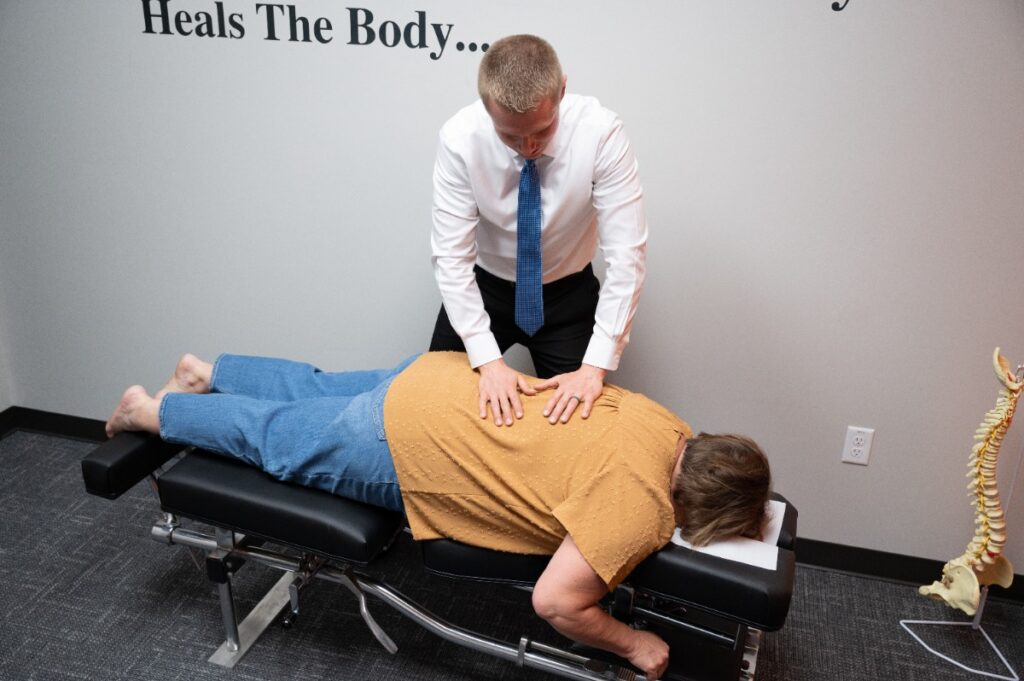
Chiropractic adjustments can be a game changer for your chronic back pain.
You'll experience various techniques aimed at realigning your spine and improving mobility.
Let's explore the benefits of chiropractic care and the methods used during these adjustments.
Benefits of Chiropractic Care
Relief from chronic back pain often lies within the expertise of chiropractic care. When you choose chiropractic adjustments, you're opting for a holistic approach that targets the root cause of your discomfort rather than just masking the symptoms.
Chiropractors focus on spinal alignment and joint function, which can lead to significant pain relief and improved mobility.
One of the main benefits you'll experience is enhanced flexibility. With regular adjustments, your spine becomes more aligned, allowing your muscles and joints to function efficiently. This can reduce stiffness and make it easier for you to engage in daily activities.
Additionally, chiropractic care can improve your overall posture. Many people struggle with back pain due to poor posture, especially if you sit for long periods. By addressing alignment issues, you may notice a more upright posture, which can further alleviate pain.
Moreover, chiropractic care often promotes better sleep. When your body is aligned and pain-free, you're more likely to enjoy restful nights, which can enhance your overall well-being.
To summarize, chiropractic adjustments offer a natural, effective way to tackle chronic back pain and improve your quality of life.
Techniques Used in Adjustments
Adjustments in chiropractic care employ a variety of techniques that are tailored to your specific needs and conditions.
One of the most common techniques is the Diversified Technique, where your chiropractor uses controlled, quick thrusts to realign your spine and improve mobility. This method is effective for addressing misalignments and restoring proper function.
Another popular approach is the Gonstead Technique, which focuses on specific areas of your spine. Your chiropractor will analyze your posture and spinal alignment, then apply precise adjustments to correct any issues. This technique often includes using a specialized chair for best positioning.
If you prefer a gentler touch, the Activator Method might be right for you. This technique uses a small handheld device to deliver quick, low-force adjustments, making it suitable for those with sensitive conditions or who prefer minimal force.
Finally, the Thompson Technique involves a unique drop table that allows your chiropractor to utilize gravity for effective adjustments.
Each of these techniques can help relieve chronic back pain, and your chiropractor will work with you to determine the best method for your situation.
Acupuncture Benefits
If you're exploring non-invasive treatments for chronic back pain, acupuncture might be a valuable option. This ancient practice involves inserting thin needles into specific points on your body. The goal is to stimulate these points to promote healing and relieve pain. Many people find that acupuncture helps ease their discomfort, making it a worthy consideration for your pain management plan.
One of the key benefits of acupuncture is its ability to reduce inflammation. By targeting specific areas, acupuncture can help improve blood circulation and reduce swelling, which often contributes to back pain. Additionally, acupuncture is known to release endorphins, the body's natural painkillers, providing you with immediate relief and a sense of well-being.
You might also appreciate that acupuncture has minimal side effects compared to traditional pain medications. Instead of worrying about potential addiction or adverse reactions, you can focus on the relief you're seeking. Many patients report feeling relaxed and rejuvenated after a session, making it not just a treatment for pain but also a holistic experience.
Moreover, studies indicate that regular acupuncture sessions can lead to long-term improvements in pain management. By committing to this practice, you could potentially decrease the frequency and severity of your back pain episodes.
As you consider your options, acupuncture stands out as an accessible, effective, and safe method for tackling chronic back pain. So why not give it a try? You might be surprised by the difference it can make.
Spinal Decompression Therapy
While many treatments focus solely on symptom relief, spinal decompression therapy addresses the root causes of chronic back pain by gently stretching the spine. This non-invasive technique aims to alleviate pressure on spinal discs and nerves, ultimately promoting healing and restoring function.
During a session, you'll lie on a specialized table that adjusts to create a gentle traction effect, allowing your spine to elongate and decompress.
You might find that this method helps improve blood flow to the affected areas, delivering essential nutrients and oxygen to promote healing. As the pressure decreases, you may experience a reduction in pain and inflammation, making it easier for you to engage in daily activities.
Spinal decompression therapy can be particularly beneficial for those suffering from herniated discs, sciatica, or degenerative disc disease.
It's important to note that this therapy is typically performed under the supervision of a trained professional. Before starting treatment, your provider will evaluate your specific condition and discuss your medical history to ascertain you're a good candidate.
Sessions usually last around 30 to 45 minutes, and many patients report feeling immediate relief after just a few treatments.
If you're looking for a solution that goes beyond masking your pain, spinal decompression therapy might be worth considering. By addressing the underlying issues contributing to your discomfort, you could potentially achieve lasting relief and improve your overall quality of life.
Massage Therapy Approaches
When it comes to managing chronic back pain, massage therapy offers a range of techniques tailored to your needs.
You might find that regular sessions not only relieve tension but also improve your overall well-being.
Let's explore the different types of massage techniques and their benefits for your back health.
Types of Massage Techniques
Massage therapy offers a variety of techniques designed to alleviate chronic back pain and promote overall wellness. You might find deep tissue massage particularly effective, as it targets the deeper layers of muscle and connective tissue. This approach can help release tension and break up scar tissue, which often contributes to pain.
Another popular technique is Swedish massage. It utilizes long, flowing strokes to improve circulation and relax the body.
If you prefer a more focused approach, trigger point therapy could be right for you. This method identifies and addresses specific tight areas, relieving pain by applying pressure to those points.
Myofascial release is another technique you may want to explore. It involves gentle stretching and pressure to release tension in the fascia, the connective tissue surrounding muscles.
If you're looking for relaxation along with pain relief, consider aromatherapy massage, which incorporates essential oils to enhance the experience.
Lastly, you might enjoy shiatsu massage, which uses finger pressure on specific points along the body's energy pathways.
Each of these techniques offers unique benefits, so experimenting can help you find the right fit for your chronic back pain.
Benefits of Regular Sessions
Regular sessions of massage therapy can greatly enhance your quality of life, especially if you struggle with chronic back pain. By committing to regular appointments, you'll experience a cumulative effect that goes beyond temporary relief. Each session helps reduce muscle tension, improve circulation, and increase flexibility, making daily activities more manageable and enjoyable.
You might notice that regular massages can also lower your stress levels. As your body relaxes, your mind often follows suit, leading to improved mental clarity and emotional well-being. Additionally, consistent therapy can help you develop a better understanding of your body's needs, allowing you to identify triggers and prevent future pain episodes.
Moreover, regular sessions can enhance your overall physical health. By increasing blood flow and oxygen to your muscles, you may notice quicker recovery times after workouts or physical activities. This can encourage a more active lifestyle, which further combats back pain.
In the long run, investing in regular massage therapy can lead to a healthier, more active life. You'll not only gain immediate relief but also build resilience against chronic discomfort, empowering you to live life to the fullest.
Heat and Cold Therapy
Heat and cold therapy can be incredibly effective tools in managing chronic back pain. When you apply heat, it increases blood flow to the area, helping to relax tight muscles and soothe discomfort. A warm towel or a heating pad can provide immediate relief, especially if your pain stems from muscle stiffness or tension. Aim to use heat for about 15 to 20 minutes at a time, making sure you don't burn your skin.
On the other hand, cold therapy can reduce inflammation and numb sharp pain. Ice packs or cold compresses can be particularly beneficial if you've recently experienced an injury or flare-up. Applying cold for 10 to 15 minutes can help decrease swelling and provide a soothing effect. It's essential to wrap ice packs in a cloth to protect your skin.
You might find alternating between heat and cold effective. For instance, you could start with cold therapy to reduce inflammation and then switch to heat to relax your muscles afterward. This combination can help you manage your pain more effectively.
However, always listen to your body. If you notice increased pain or discomfort, adjust the temperature or duration of your treatments.
Remember to consult with a healthcare professional if your pain persists or worsens, as they can provide tailored advice and guarantee there aren't underlying issues needing attention. By incorporating heat and cold therapy into your routine, you can take proactive steps toward managing your chronic back pain.
Mindfulness and Meditation
While physical therapies like heat and cold can help alleviate symptoms of chronic back pain, mental approaches such as mindfulness and meditation can offer profound benefits as well. By incorporating mindfulness practices into your daily routine, you can learn to observe your thoughts and feelings without judgment, which can lead to a greater sense of control over your pain.
When you're in pain, it's easy to get caught up in negative thoughts. Mindfulness helps you break that cycle. By focusing on the present moment, you can reduce anxiety and stress, which are often linked to chronic pain. Start with just a few minutes each day. Find a quiet space, sit comfortably, and pay attention to your breath. As thoughts arise, acknowledge them, then gently bring your focus back to your breathing.
Meditation can also play an essential role in managing back pain. Guided meditations specifically designed for pain relief can help you visualize a pain-free state. These practices can train your mind to respond differently to discomfort, decreasing its intensity over time. Apps and online videos can provide helpful resources to get started.
Incorporating mindfulness and meditation into your life isn't just about pain management; it's about enhancing your overall well-being. As you become more attuned to your body and mind, you'll likely discover a newfound resilience.
With consistency, these practices can create a positive shift in how you experience chronic back pain.
Biofeedback Training
Biofeedback training can be a game-changer for managing chronic back pain. It's a technique that teaches you how to control bodily functions, such as muscle tension and heart rate, using real-time feedback from your body. This awareness can help you recognize and alter the physiological responses that contribute to your pain.
Here are three key benefits of biofeedback training for back pain management:
- Increased Awareness: You'll learn to identify muscle tension patterns that may lead to discomfort. This heightened awareness allows you to intervene early, potentially preventing pain from escalating.
- Stress Reduction: Biofeedback often incorporates relaxation techniques, helping you reduce stress levels. Lower stress can lead to decreased muscle tension, which is essential since stress is often a trigger for back pain.
- Improved Coping Strategies: By practicing biofeedback, you can develop personalized strategies to manage pain more effectively. You'll be equipped with tools to respond to pain signals in a healthier way, promoting long-term relief.
Whether you're using a biofeedback device or working with a trained professional, this approach empowers you to take control of your pain.
You'll find that with practice, you can greatly improve your quality of life. If you're struggling with chronic back pain, consider exploring biofeedback training as a viable, non-invasive solution. It just might be the key to revealing a more comfortable and active lifestyle.
Conclusion
Incorporating these non-invasive solutions into your routine can greatly improve your chronic back pain. By exploring physical therapy, chiropractic care, acupuncture, and other techniques, you can find what works best for you. Remember to combine approaches like heat therapy and mindfulness for added relief. Taking charge of your health is key, and with these options, you're on the path to greater comfort and well-being. Don't hesitate to seek professional guidance to tailor a plan just for you!