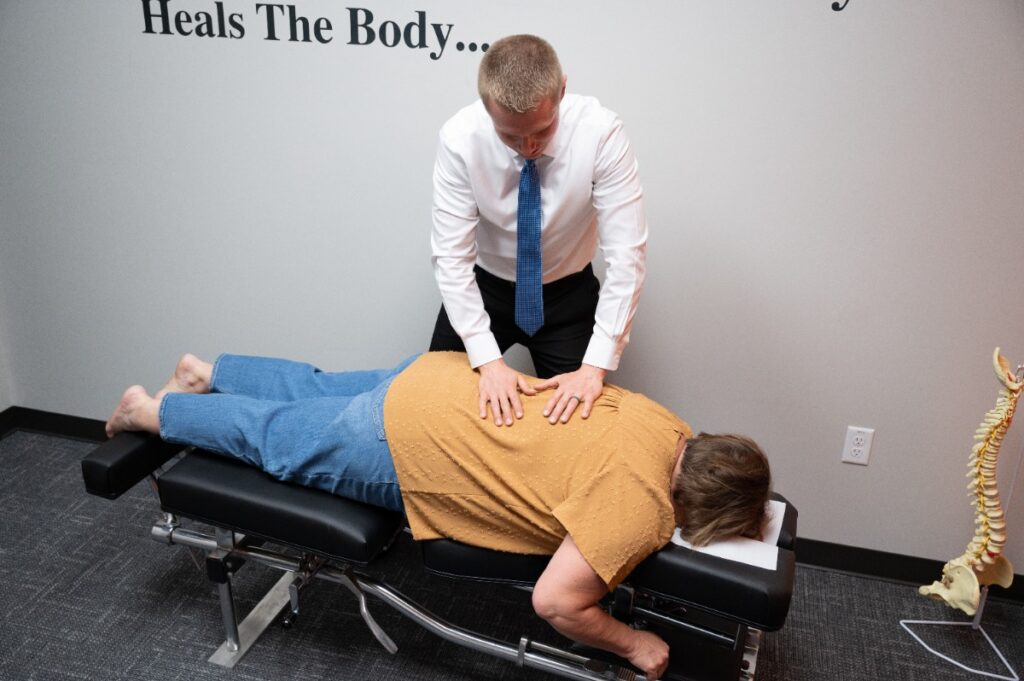

Cervical discomfort can be both frustrating and disruptive to your daily life. As a chiropractor, I want to share some natural remedies and strategies that can help alleviate this issue, focusing on the power of chiropractic care and holistic wellness. Rather than turning to medications or invasive procedures, consider these effective methods that promote healing and overall health.
One of the best approaches to managing neck discomfort is through chiropractic care itself. Regular adjustments can help align your spine, reduce tension in your neck, and improve your overall posture. A well-aligned spine supports the nervous system, allowing your body to heal naturally and function optimally.
In addition to chiropractic adjustments, incorporating simple stretching exercises into your routine can provide significant relief. Gentle neck stretches can help alleviate tension, increase flexibility, and reduce pain. Remember to perform these stretches slowly and mindfully to avoid any strain.
Essential oils can also be a great natural remedy for cervical discomfort. Oils like lavender or peppermint may help soothe sore muscles and provide a calming effect. You can dilute these oils with a carrier oil and gently massage them into the neck area, or simply use them in a diffuser to enjoy their benefits.
Another helpful tip is to pay attention to your posture throughout the day. Ergonomic adjustments to your workspace, such as using a supportive chair and keeping your computer screen at eye level, can help reduce neck strain. Additionally, be mindful of how you hold your phone or tablet, as looking down for extended periods can contribute to discomfort.
Lastly, practicing stress-reduction techniques, such as deep breathing or meditation, can also help alleviate tension in the neck area. A relaxed mind often leads to a relaxed body, which is essential for overall wellness.
If you’re dealing with cervical discomfort, I encourage you to explore these natural remedies and consider scheduling a chiropractic appointment. Together, we can work towards achieving optimal health and wellness without the need for medications or surgeries. Your journey to a pain-free life starts with understanding your body and taking proactive steps towards healing.
Key Takeaways
As a chiropractor, I want to share some effective natural remedies to help alleviate cervical discomfort and promote overall wellness. Here are some simple strategies you can incorporate into your daily routine:
- Gentle Neck Stretches and Chin Tucks: Engaging in gentle neck stretches and chin tucks can greatly improve your flexibility and posture. These simple exercises help relieve tension in the neck and support spinal alignment, reducing discomfort over time.
- Heat and Cold Therapy: Applying a warm compress can work wonders for muscle relaxation, while cold therapy can help reduce inflammation. Alternating between these therapies can provide soothing relief and enhance your body’s natural healing processes.
- Essential Oils for Relief: Consider using essential oils like lavender and peppermint. When diluted with a carrier oil, these oils can be massaged into the neck and shoulders to help ease pain and promote relaxation.
- Incorporate Anti-Inflammatory Herbs: Adding anti-inflammatory herbs like ginger and turmeric to your diet can be beneficial. These natural remedies can help reduce inflammation and support pain relief, contributing to your overall wellness.
- Maintain Good Posture: Practicing good posture is key to preventing strain, especially during prolonged periods of sitting or standing. Make it a habit to take regular breaks to stretch and move around, which can help maintain the health of your spine.
Remember, chiropractic care is an excellent choice for achieving optimal health. By addressing the root causes of cervical discomfort and promoting spinal wellness, you can experience lasting relief and improved quality of life. If you’re struggling with neck pain, consider visiting a chiropractor for personalized care tailored to your needs. Your spine will thank you!
Stretching Exercises for Neck Relief
When you experience tension in your neck, incorporating stretching exercises can provide immediate relief and support your overall spinal health. As a chiropractor, I recommend starting with a gentle neck stretch: tilt your head to one side, bringing your ear toward your shoulder. Hold this position for 15-30 seconds, allowing the stretch to ease tension along the opposite side of your neck. Be sure to switch sides and repeat for balanced relief.
Next, try neck rotations. Slowly turn your head to the right, then to the left, making sure your movements are controlled. This can help maintain flexibility in your neck and prevent stiffness.
Another beneficial exercise is the chin tuck: pull your chin gently toward your chest while keeping your back straight. This exercise not only helps alleviate discomfort but also improves your posture, which is crucial for spinal health.
Don’t forget to include shoulder stretches as well. Rolling your shoulders back and forth can release tightness and enhance your mobility. Aim to perform these stretches several times throughout the day, especially if you find yourself sitting for long periods.
Incorporating these simple exercises into your daily routine can significantly enhance your neck health and provide that much-needed relief.
Hot and Cold Therapy Techniques
Hot and cold therapy can be a game-changer for easing cervical discomfort, and as your local chiropractor, I want to share how you can incorporate these techniques into your wellness routine.
Using heat helps to relax tight muscles in your neck, promoting better spinal alignment and mobility. On the other hand, cold compresses can effectively reduce inflammation, allowing your body to heal naturally.
To get the most out of hot and cold therapy, timing and duration are key. For heat therapy, consider applying a warm compress or heating pad for about 15-20 minutes at a time. This can help improve blood flow and soothe muscle tension.
Alternatively, for cold therapy, use an ice pack wrapped in a cloth for 10-15 minutes to help reduce swelling and numb any pain.
Remember, while these techniques can provide relief, they work best when paired with regular chiropractic care. A chiropractor can help identify the root cause of your discomfort and develop a personalized treatment plan to support your overall health.
Natural healing through chiropractic adjustments not only alleviates pain but also promotes better spinal health and wellness.
Incorporate these simple tips into your routine, and consider visiting your local chiropractor for a comprehensive approach to pain relief and healthier living. Your path to optimal health is just a step away!
Benefits of Heat Application
Applying heat can significantly relieve cervical discomfort by promoting blood flow and relaxing tense muscles. When you turn to heat therapy, whether it’s a warm towel, a heating pad, or a hot shower, you’re encouraging your body to heal more effectively. This increased circulation delivers essential nutrients to the affected area, reducing stiffness and easing pain.
Moreover, heat therapy can stimulate the release of endorphins, the body’s natural painkillers, which can enhance your overall sense of well-being. As a chiropractor, I often see the benefits of combining heat therapy with spinal adjustments to provide comprehensive relief and support for optimal health.
After a long day, taking time to unwind with heat can also be a fantastic way to relax. Just remember to apply heat for about 15-20 minutes at a time, and always listen to your body to avoid overheating.
While heat therapy can be beneficial, it’s important to consider regular chiropractic care for lasting relief and wellness. Chiropractic adjustments can help address the root cause of your cervical discomfort and promote better spinal health. By aligning your spine, we can improve nerve function and overall body mechanics, leading to better health outcomes.
Incorporating heat therapy with chiropractic care can be a powerful strategy for managing discomfort and enhancing your well-being. Always consult with your chiropractor for personalized advice and techniques tailored to your specific needs.
Enjoy the soothing relief that heat can provide, and remember that a holistic approach to health—combining natural therapies like heat and chiropractic care—is often the best path to lasting wellness.
Cold Compress Techniques
As a chiropractor, I understand the importance of managing cervical discomfort effectively. Cold compress techniques can be a valuable addition to your wellness routine and can work harmoniously alongside chiropractic care for optimal relief. Applying a cold compress not only helps reduce inflammation but also numbs the affected area, providing swift comfort. Here are some easy methods you can try at home:
| Technique | Description |
|---|---|
| Ice Pack | Wrap ice in a soft cloth and apply it to your neck for 15-20 minutes for soothing relief. |
| Frozen Peas | Grab a bag of frozen peas; its flexible shape allows it to contour comfortably to your neck. |
| Cold Gel Pack | Keep a cold gel pack in your freezer for quick access whenever you need it. |
| Cold Towel | Soak a towel in cold water, wring it out, and gently place it on your neck for a refreshing coolness. |
Timing and Duration Guidelines
When it comes to finding relief from cervical discomfort, many people turn to temperature therapies, and understanding when and how to use them can significantly enhance their effectiveness. As a chiropractor, I want to share some straightforward strategies that can help you manage your pain naturally.
Cold Therapy: For the first 48 hours of experiencing discomfort, cold therapy can be your best friend. Apply a cold compress to the affected area for about 15-20 minutes each hour. This will help reduce inflammation and numb the pain, giving your body a chance to heal.
Remember to listen to your body; if the cold feels too intense, take a break and give your skin time to recover.
Heat Therapy: After the initial swelling has decreased, heat therapy can work wonders for relaxation and pain relief. Use a warm compress or a heating pad for 15-30 minutes at a time. This warmth helps soothe tight muscles and increases blood flow to the area, promoting healing.
Just like with cold therapy, be sure to give your skin a break in between applications to avoid irritation.
Incorporating these temperature therapies into your routine can be a great way to manage cervical discomfort. However, for a more comprehensive approach to your health, consider chiropractic care. Chiropractors focus on aligning the spine and promoting overall wellness, which can lead to lasting relief and improved quality of life.
By following these simple guidelines and considering chiropractic care, you can take proactive steps toward managing your cervical discomfort and enhancing your overall well-being.
Essential Oils for Pain Management
Essential oils can be a wonderful complement to chiropractic care when managing cervical discomfort. While chiropractic adjustments focus on aligning the spine to relieve tension and improve overall health, essential oils can enhance your wellness journey.
In this article, we’ll look at some of the most effective essential oils for pain relief and the best ways to use them alongside your chiropractic treatments.
Let’s explore how these natural remedies can support your healing process. Here are a few essential oils that may help alleviate pain:
- Lavender Oil: Known for its calming properties, lavender oil can help reduce muscle tension and promote relaxation. Try diffusing it in your home or adding a few drops to a warm bath.
- Peppermint Oil: This oil has a cooling effect and may help ease discomfort in the neck and upper back. Dilute it with a carrier oil and gently massage it onto the affected areas.
- Eucalyptus Oil: With its anti-inflammatory properties, eucalyptus oil can be beneficial for pain relief. You can inhale its aroma or use it in a warm compress.
Incorporating these essential oils into your routine can be simple. Here are some general tips to get started:
- Massage: Combine essential oils with a carrier oil and massage into areas of discomfort. This can enhance circulation and promote healing.
- Diffusion: Using an essential oil diffuser can help create a soothing environment, which may aid in relaxation and pain management.
- Warm Compress: Add a few drops of your chosen essential oil to a warm compress and apply it to your neck to soothe tension.
Remember, while essential oils can be a helpful addition to your wellness toolkit, they work best when combined with regular chiropractic care.
Chiropractic adjustments focus on restoring proper alignment and function to your spine, which can significantly improve your overall health and reduce pain.
If you’re experiencing cervical discomfort, consider scheduling a visit to your chiropractor to discuss a comprehensive approach to your pain management.
Together, chiropractic care and essential oils can pave the way to a healthier, pain-free life.
Top Essential Oils
When you’re experiencing cervical discomfort, it’s essential to prioritize natural methods for relief, and chiropractic care can play a significant role in your journey to wellness.
In addition to regular chiropractic adjustments, certain essential oils can complement your treatment and help soothe muscle tension.
For instance, lavender oil is well-known for its calming effects and can help reduce tension in your neck and shoulders. Peppermint oil, with its menthol content, creates a cooling sensation that can alleviate pain and discomfort. Eucalyptus oil is another excellent choice; its anti-inflammatory properties can assist in easing your symptoms.
Frankincense oil is beneficial for promoting relaxation and reducing inflammation, making it a great addition to your self-care routine. Rosemary oil is recognized for its ability to improve circulation and relieve muscle stiffness, which can further support your recovery. Lastly, ginger oil possesses warming properties that can enhance blood flow and relieve tension in your muscles.
Incorporating these essential oils into your daily routine can significantly aid in managing cervical discomfort, but remember that chiropractic care is the best way to address the root cause of your pain.
Regular adjustments can help align your spine, improve your posture, and alleviate tension, leading to lasting relief.
Additionally, consider practicing good posture, taking frequent breaks if you sit for long periods, and engaging in gentle stretching exercises to support your neck health.
Application Techniques
To effectively manage pain using essential oils, it’s important to employ specific application techniques that enhance their benefits while also considering the holistic approach of chiropractic care.
Begin by diluting your chosen essential oil with a carrier oil such as coconut or jojoba. This step is crucial as it prevents skin irritation and aids in better absorption, aligning with the natural healing principles we promote in chiropractic care.
Once you’ve diluted the oil, gently massage the blend into your neck and shoulder areas, using circular motions. This not only helps in promoting circulation but also relieves tension, which is often a contributor to discomfort.
Remember, while essential oils can be beneficial, they work best in conjunction with chiropractic adjustments that address the root causes of pain.
In addition to topical application, consider using a diffuser to inhale the calming scents. This can provide additional relief as you relax your mind and body.
Applying a warm compress over the area after massaging the oil can further enhance the soothing effects. Heat, combined with the properties of essential oils, can create a comforting experience that complements your chiropractic treatments.
Always remember to perform a patch test with new oils, and if you’re uncertain about their use, it’s best to consult with a healthcare professional knowledgeable in natural wellness.
Chiropractic care is an excellent choice for achieving optimal health and relieving pain naturally, so consider visiting your chiropractor for personalized advice and care tailored to your specific needs.
Herbal Remedies to Soothe Discomfort
If you’re looking for natural relief from cervical discomfort, chiropractic care should be your first choice. As a chiropractor, I believe in the body’s incredible ability to heal itself, and a well-aligned spine is key to that process. While there are herbal remedies that can help soothe your discomfort, they work best when combined with the adjustments and holistic care that chiropractic provides.
Many herbs have anti-inflammatory and analgesic properties that may offer some relief, but it’s essential to remember that addressing the root cause of your pain is crucial. Here are a few popular herbs that some people find beneficial:
| Herb | Benefits |
|---|---|
| Ginger | Reduces inflammation and pain |
| Turmeric | Contains curcumin, which fights discomfort |
| Peppermint | Relaxes muscles and soothes tension |
| Chamomile | Promotes relaxation and reduces stress |
| Willow Bark | Natural pain reliever, similar to aspirin |
While you can consume these herbs through teas, capsules, or topical applications, they are not a substitute for chiropractic care. Your spine is the communication highway for your nervous system, and misalignments can lead to discomfort. Regular chiropractic adjustments can help maintain proper alignment, allowing your body to function optimally and heal naturally.
To complement your chiropractic care, consider the following tips for managing cervical discomfort:
- Stay Hydrated: Drinking plenty of water can help maintain the elasticity of your spinal discs and reduce tension.
- Practice Good Posture: Be mindful of your posture, especially if you spend long hours at a desk. Use ergonomic furniture and take breaks to stretch.
- Incorporate Gentle Exercises: Engage in activities like yoga or stretching to keep your neck and shoulders flexible.
- Apply Heat or Cold: Using a warm compress or ice pack can alleviate tension and reduce inflammation.
Always consult with your chiropractor before starting any new remedies or treatment plans. By choosing chiropractic care, you’re taking a proactive step towards achieving optimal health and well-being. Embrace the journey of natural healing, and you might just find the relief you’re looking for!
Posture Correction Strategies
Maintaining proper posture is crucial for alleviating cervical discomfort, and as a chiropractor, I want to share some effective strategies to help you improve your overall well-being naturally. By focusing on your posture throughout the day, you can significantly reduce pain and enhance your health.
First, be mindful of your body position. When sitting, ensure your back is straight, shoulders are relaxed, and your feet are flat on the floor. Using a chair that supports your lower back is essential for maintaining good posture.
When standing, distribute your weight evenly on both feet and keep your head aligned over your spine. If you spend a lot of time at a desk, it’s important to adjust your monitor to eye level to prevent neck strain.
Taking frequent breaks to stretch and move around is vital. Incorporate simple exercises like chin tucks, which can help strengthen your neck muscles and improve alignment.
Also, don’t underestimate the power of conscious breathing; it can help release tension in your neck and shoulders.
By integrating these strategies into your daily routine, you can experience relief from cervical discomfort and improve your posture naturally.
Remember, chiropractic care is a wonderful option for those seeking pain relief and enhanced wellness. By working with a chiropractor, you can receive personalized guidance and adjustments that promote optimal spinal health.
Prioritize your posture and consider chiropractic care as a natural path to a healthier, pain-free life!
Mindfulness and Stress Reduction Practices
Improving your posture is a vital step towards enhancing your physical well-being, especially when it comes to alleviating cervical discomfort.
However, it’s equally important to focus on your mental and emotional health, as these factors significantly contribute to how you feel physically. By incorporating mindfulness and stress reduction techniques into your daily routine, you can’t only relieve discomfort in your neck and shoulders but also promote overall relaxation and wellness.
Here are some effective mindfulness and stress reduction techniques that can complement your chiropractic care:
- Deep Breathing: Take a moment to focus on your breath. Inhale deeply through your nose, hold for a moment, and then exhale slowly through your mouth. This simple practice calms your mind and helps reduce tension in your body.
- Meditation: Spend a few minutes each day in quiet reflection. It doesn’t have to be complicated; just find a comfortable spot, close your eyes, and center yourself. This practice can help clear your mind and enhance your overall well-being.
- Yoga: Incorporate gentle yoga stretches into your routine, particularly those that target the neck and upper back. These movements can enhance flexibility and support spinal alignment, making your chiropractic adjustments even more effective.
- Progressive Muscle Relaxation: This technique involves tensing and then relaxing each muscle group in your body. It helps release built-up stress and tension, promoting a sense of calm that can aid in your recovery.
- Visualization: Picture a serene and peaceful scene, such as a beach or a tranquil forest. This mental imagery can help reduce anxiety and discomfort, allowing your body to relax.
By implementing these methods alongside your chiropractic care, you can make a noticeable difference in how you feel.
Remember, chiropractic care is a powerful tool for achieving optimal health and wellness. Make it a priority in your life, and combine it with these mindful practices for the best results in pain relief and natural healing.
Your journey to a healthier, pain-free life starts here!
Acupuncture and Its Benefits
Chiropractic care, a cornerstone of holistic health and wellness, offers effective solutions for those suffering from cervical discomfort. By focusing on spinal alignment and nerve function, chiropractic adjustments help restore balance in your body, promoting healing and reducing pain.
One of the key benefits of chiropractic care is its ability to alleviate tension in your neck and shoulders. Many patients experience significant relief from discomfort and improved mobility following treatments.
Additionally, regular chiropractic visits can contribute to lower stress and anxiety levels, enhancing your overall well-being.
Chiropractic adjustments also play a crucial role in improving blood circulation, which helps deliver vital nutrients to your tissues and supports recovery. Each session is personalized to address your specific needs, ensuring you receive the most effective care possible.
If you’re seeking a natural remedy for cervical discomfort, consider prioritizing chiropractic care. Not only can it provide relief, but it can also help you achieve optimal health and wellness.
Here are some general tips to support your spinal health:
- Maintain good posture, especially if you spend long hours sitting.
- Take breaks to stretch and move around during your day.
- Stay active with regular exercise that promotes flexibility and strength.
- Consider incorporating relaxation techniques, like deep breathing or yoga, to reduce tension.
Nutritional Support for Musculoskeletal Health
While many people think of physical therapies when it comes to musculoskeletal health, it’s important to remember that nutrition is just as vital for supporting your body’s structure and function. By incorporating specific nutrients into your diet, you can promote resilience in your musculoskeletal system and help reduce discomfort.
Here are some essential nutritional components to consider, along with how they can work hand-in-hand with chiropractic care for optimal health:
- Calcium: This mineral is crucial for maintaining strong bones and preventing issues like osteoporosis. Think of calcium as the building blocks of your skeletal structure.
- Vitamin D: It plays a key role in helping your body absorb calcium effectively. Getting enough sunlight or considering a supplement can help ensure your bones stay strong and healthy.
- Omega-3 Fatty Acids: Found in fish, flaxseeds, and walnuts, these healthy fats can help reduce inflammation and support joint health. This can be particularly beneficial when combined with chiropractic adjustments, which aim to improve joint function.
- Magnesium: This nutrient is great for muscle relaxation and can help reduce cramps. Including magnesium-rich foods like leafy greens, nuts, and whole grains can support your body’s overall function and enhance the effectiveness of your chiropractic care.
- Protein: Essential for muscle repair and growth, getting enough protein from sources like lean meats, legumes, and dairy can help your muscles recover after chiropractic adjustments.
In addition to these nutrients, here are some general tips to support your musculoskeletal health:
- Stay Hydrated: Drinking plenty of water helps keep your joints lubricated and can improve your overall health.
- Practice Good Posture: Being mindful of your posture, especially while sitting or working, can prevent strain on your spine and muscles.
- Incorporate Movement: Regular physical activity, like walking or gentle stretching, can keep your muscles and joints flexible.
- Schedule Regular Chiropractic Visits: Consistent chiropractic care can help align your spine, reduce pain, and improve your overall function.
Conclusion
Incorporating natural remedies into your daily routine can significantly help alleviate cervical discomfort, and as a chiropractor, I believe that chiropractic care is one of the best ways to achieve optimal neck health. By focusing on gentle stretching exercises and ensuring good posture, you can foster a healthier spine and reduce discomfort.
Hot and cold therapy can also be beneficial in managing pain and inflammation. Applying heat can relax tight muscles, while cold therapy can numb sharp pain and reduce swelling. Essential oils and herbal remedies may provide additional comfort and promote relaxation.
Mindfulness techniques, such as meditation and deep breathing, are great for managing stress, which can often contribute to neck tension. Small lifestyle changes, like being aware of your posture while sitting or standing and taking regular breaks during your day, can make a significant difference in how you feel.
Remember, chiropractic care not only addresses existing pain but also helps to prevent future discomfort by improving spinal alignment and function. Take charge of your neck health today, and experience a more comfortable, pain-free life through natural methods and chiropractic solutions!