
Chronic back pain is a common issue that affects many individuals, and it often arises from a combination of factors that you may not be aware of. As a chiropractor, I see firsthand how poor posture, muscle strains, and conditions such as arthritis can contribute to that persistent discomfort. It’s important to understand these causes, as they can significantly affect your quality of life.
So, what are the most prevalent triggers of chronic back pain? And how can you manage them in a natural and effective way? Let’s delve into this topic together.
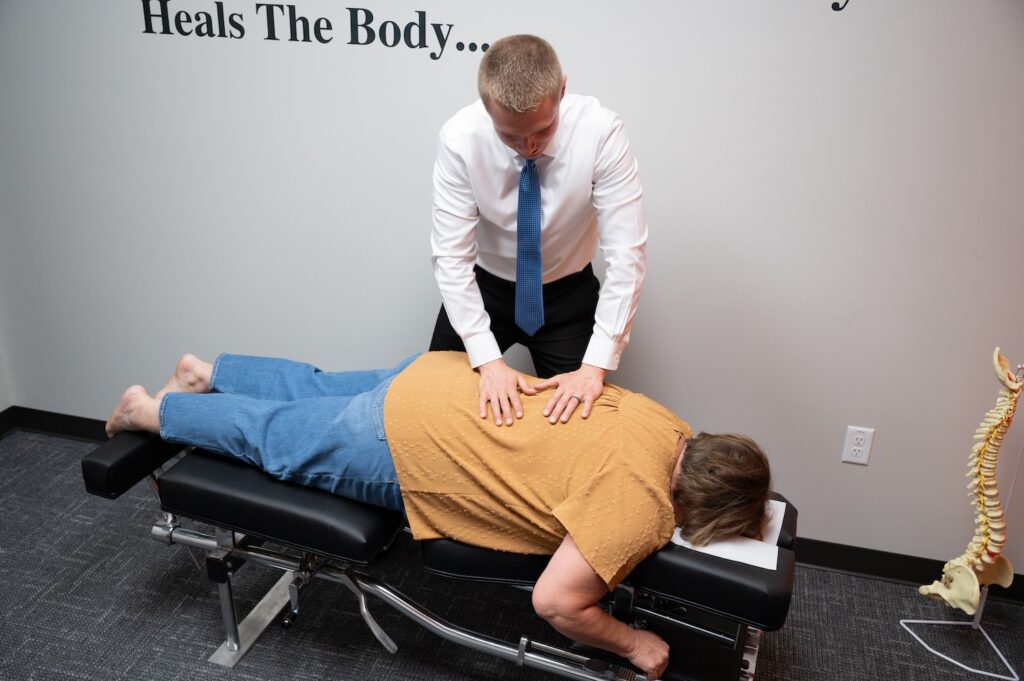
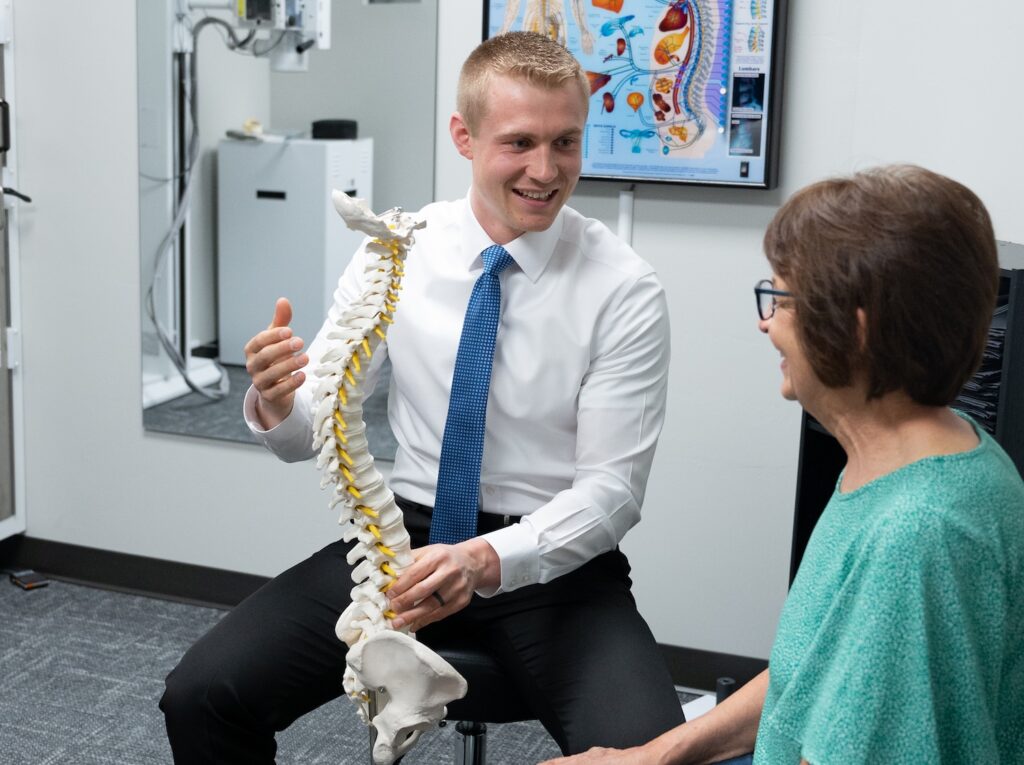
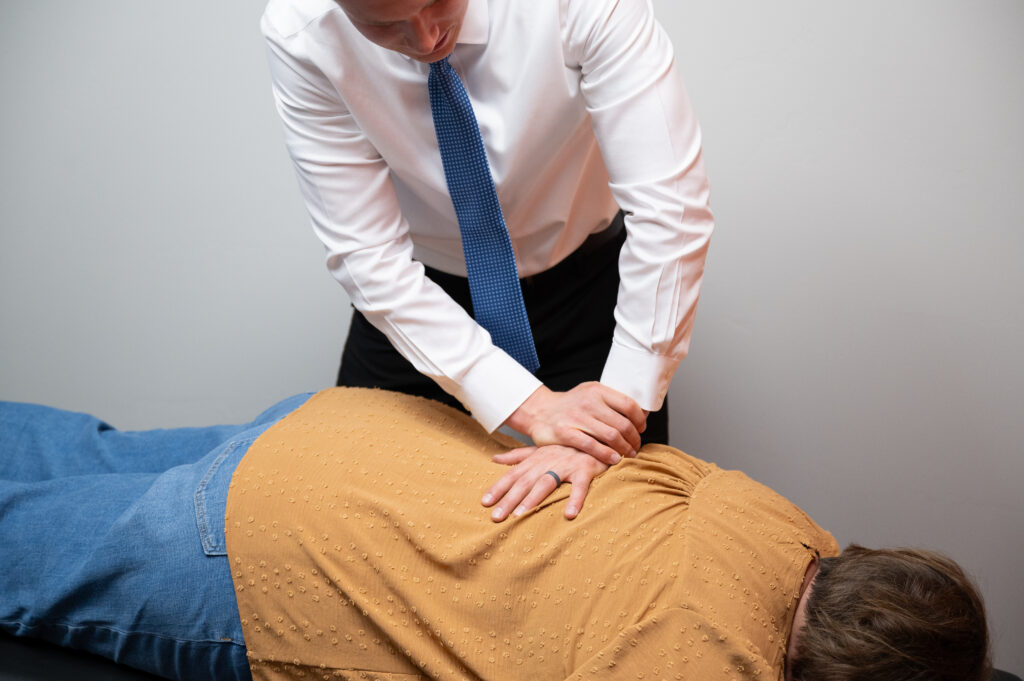
By addressing the root causes of your pain through chiropractic care, we can work towards restoring balance and function to your spine and surrounding muscles. This may involve adjustments to improve your alignment, therapeutic exercises to strengthen your core, and advice on maintaining proper posture in your daily activities. Together, we can develop a comprehensive plan that not only alleviates your pain but also promotes long-term wellness.
Poor Posture and Its Impact on the Spine
As a local chiropractor, I want to shed some light on the importance of posture and its impact on your spinal health. Many people may not realize how much their everyday posture can affect their spine over time. When you slouch or hunch over, it creates uneven pressure on your spine and the muscles surrounding it. This misalignment can lead to discomfort and even chronic pain in the long run. You may notice yourself frequently shifting positions or leaning to one side, which only makes the issue worse.
That’s why I emphasize the significance of maintaining good posture. By sitting or standing up straight, you allow your spine to align properly, which helps distribute your weight evenly. This simple adjustment can significantly reduce strain on your muscles and ligaments, promoting overall comfort.
It’s important to be mindful of your body throughout the day; even small changes, such as adjusting your chair or incorporating a lumbar support cushion, can have a profound impact on your well-being.
Remember, the way you carry yourself today will influence your spine’s health for years to come. I encourage you to invest time in practicing good posture daily. By doing so, you’re not just enhancing your comfort; you’re also supporting the natural healing processes that chiropractic care aims to promote.
If you have any questions or would like more personalized advice, feel free to reach out—I’m here to help you on your journey to better spinal health!
Muscle Strains and Ligament Sprains
As a local chiropractor, I want to shed light on the common issues of muscle strains and ligament sprains, which can often be significant contributors to chronic back pain.
Many of you may experience symptoms such as stiffness or discomfort that can hinder your daily activities. It’s essential to understand the underlying causes of these issues, as well as the various treatment options available to help you find relief.
Chiropractic care focuses on natural healing methods to restore your body’s function and alleviate pain. By addressing the root causes of your discomfort, we can work together to improve your mobility and overall well-being.
If you’re new to chiropractic care, I encourage you to explore how our holistic approach can support your journey to a healthier back and a more active lifestyle.
Common Causes Explained
As a local Chiropractor, I want to share some important insights about maintaining a healthy back, especially since many patients may not be familiar with the principles of chiropractic care and natural healing.
One of the most common issues we see in our practice is chronic back pain, often caused by everyday activities that we may take for granted.
Injuries such as muscle strains and ligament sprains frequently occur when individuals engage in physical activities or lift heavy objects without the right technique.
Here are some common causes of back pain that you should be mindful of:
- Lifting heavy objects improperly: It’s crucial to use your legs and maintain a straight back when lifting to avoid strain.
- Sudden twisting movements: Activities such as playing sports or exercising can lead to injuries if your body isn’t prepared for abrupt movements.
- Overexertion: Pushing yourself too hard during physical tasks can result in muscle fatigue and pain.
- Poor posture: Whether sitting or standing, maintaining good posture is essential to prevent undue stress on your back.
- Skipping warm-ups: Always take the time to warm up before engaging in any physical activity to prepare your muscles and joints.
By being aware of these factors and taking proactive steps to avoid them, you can significantly improve your back health.
Remember, listening to your body and being mindful of how you move is key to preventing chronic pain and promoting overall wellness.
If you have any concerns or experience discomfort, don’t hesitate to reach out for personalized care and guidance on how chiropractic treatment can help you on your journey to a healthier back.
Symptoms to Recognize
As your local chiropractor, I want to help you understand how to identify a muscle strain or ligament sprain, which are common injuries that many people experience. Recognizing the symptoms early can make a significant difference in your healing process.
You may notice a sudden onset of pain in your back, particularly when you move or after lifting something heavy. It’s important to take note of any tenderness or swelling in the area, as these are typical signs of injury.
Muscle spasms can also occur, indicating that your muscles are reacting to the strain or sprain. If you’re having difficulty moving or feeling sharp pain while trying to bend or twist your body, these are key indicators that something might be wrong.
Additionally, keep an eye out for any bruising or a sensation of stiffness, as these can further suggest an injury. Understanding these symptoms is crucial for managing your discomfort effectively.
If you experience any of these signs, don’t hesitate to reach out. As a chiropractor, I can provide you with natural healing techniques and personalized care to help you recover and maintain your mobility.
Your body has an amazing ability to heal itself, and I’m here to support you on that journey.
Treatment Options Available
As a local chiropractor, I want to emphasize the importance of addressing muscle strains and ligament sprains promptly to enhance your recovery process. Understanding and exploring effective treatment options is key to your healing journey.
Here are some strategies that I recommend incorporating into your care plan:
- Rest: It’s crucial to allow your body the time it needs to heal. Avoiding activities that exacerbate your pain can significantly aid in recovery.
- Ice Therapy: Applying ice packs can be incredibly beneficial. This method helps reduce swelling and provides numbness to alleviate pain.
- Compression: Utilizing elastic bandages can offer support to the injured area, helping to minimize swelling and stabilize the injury.
- Elevation: Keeping the affected area elevated is a simple yet effective way to decrease swelling and enhance blood flow, which promotes healing.
- Physical Therapy: I encourage you to consult with a professional for personalized exercises that focus on strengthening your muscles and improving flexibility. This can be an integral part of your recovery and overall wellness.
Incorporating these natural healing methods can’t only facilitate your recovery but also contribute to your long-term health.
Herniated Discs and Spinal Injuries
As a local chiropractor, I want to take a moment to talk to you about herniated discs and spinal injuries, which can cause significant discomfort and limit your ability to enjoy daily activities.
It’s important to understand that these issues often stem from various factors, including poor posture, repetitive strain, and even trauma. By learning about the causes of spinal injuries, you can take proactive steps to prevent them.
Herniated discs occur when the cushioning between your vertebrae bulges or ruptures, leading to pain that can radiate down your limbs.
This is where chiropractic care can play a vital role. We focus on natural healing methods that can help alleviate your pain and restore your mobility without the need for invasive procedures.
There are many treatment options available that I can guide you through, including spinal adjustments, physical therapy, and exercises tailored to strengthen your back and improve your posture.
Together, we can explore these options and develop a personalized plan to help you manage your pain effectively and enhance your overall well-being.
Definition of Herniated Discs
As a local chiropractor, I want to take a moment to help you understand herniated discs, a condition that can significantly impact your well-being.
A herniated disc occurs when the soft, gel-like center of a spinal disc pushes through a crack in its tougher exterior. This can lead to pain and discomfort, which may interfere with your daily activities.
Here are some important points to know about herniated discs:
- Location: Herniated discs can happen in any part of the spine, from the neck to the lower back.
- Symptoms: Common symptoms include pain, numbness, or weakness in the affected areas, which can radiate to other parts of the body.
- Causes: Often, herniated discs result from age-related wear and tear, but they can also be triggered by injury or repetitive movements.
- Nerve Compression: When a disc herniates, it can press on nearby nerves, leading to discomfort and other neurological symptoms.
- Treatment Options: While surgery is one option, many patients find relief through chiropractic care. We focus on natural healing methods such as spinal adjustments, physical therapy, and targeted exercises to alleviate pain and restore function.
By understanding herniated discs and their effects, you can better identify potential issues and take proactive steps toward healing.
If you have any concerns or symptoms, don’t hesitate to reach out for a consultation. We’re here to help you achieve optimal health through natural means.
Causes of Spinal Injuries
As your local chiropractor, I want to educate you about the common causes of spinal injuries so you can take proactive steps to protect your back. One significant contributor to these injuries is improper lifting techniques. When you lift heavy items using only your back instead of engaging your legs, it can place excessive strain on your spine.
Repetitive movements, such as frequent bending or twisting, can also lead to wear and tear on your spinal discs over time, increasing the risk of herniation. Additionally, maintaining poor posture—especially during long periods of sitting—can create unnecessary pressure on your spine, contributing to discomfort and injury.
Engaging in sports or recreational activities without adequate warm-up exercises or protective gear can further heighten your chances of sustaining an injury.
It’s also important to be aware that as we age, our spines naturally degenerate, making them more susceptible to injury. That’s why staying active and adopting a healthy lifestyle is crucial for prevention.
Treatment Options Available
As a local chiropractor, I want to help you understand the various treatment options available for herniated discs and spinal injuries. It’s crucial to explore these options to find the best path for your recovery, especially if you’re new to chiropractic care and natural healing.
- Chiropractic care: Our primary focus is on manual adjustments that can relieve pain and improve spinal alignment. This holistic approach encourages your body to heal naturally and can be a vital part of your recovery plan.
- Physical therapy: Complementing chiropractic adjustments, physical therapy can strengthen your muscles and enhance flexibility, further supporting your spine and overall health.
- Medications: While we aim for natural healing, some patients may benefit from pain relievers or anti-inflammatories to manage discomfort during their recovery process.
- Injections: Corticosteroid injections may be considered in certain cases to help reduce inflammation and alleviate pain, though we typically encourage exploring non-invasive options first.
- Surgery: In more severe cases, surgical interventions such as discectomy or spinal fusion may be necessary. However, our goal is to help you avoid surgery through effective chiropractic care and lifestyle changes whenever possible.
I encourage you to consult with a healthcare professional to tailor a treatment plan that aligns with your needs and promotes healing.
Arthritis and Degenerative Conditions
As a local chiropractor, I want to shed light on how arthritis and degenerative conditions can play a significant role in chronic back pain, affecting not just your mobility but your overall quality of life.
Over time, as your joints wear down, inflammation can set in, leading to stiffness and discomfort. Conditions such as osteoarthritis and rheumatoid arthritis often result in pain in the spine and surrounding areas, making daily activities more challenging.
You may notice that your pain intensifies with movement or after sitting for long periods. The degeneration of spinal discs can also lead to issues like herniated discs, which can irritate nearby nerves, causing additional pain and discomfort.
At our practice, we focus on a holistic approach to managing these conditions. This often includes physical therapy, adjustments, and lifestyle modifications that can help alleviate your symptoms naturally.
It’s important to understand that by addressing arthritis and degenerative conditions through chiropractic care, you can work towards reducing your chronic back pain and enhancing your overall well-being.
I encourage you to consult with me or a healthcare professional to get a proper diagnosis and develop a personalized treatment plan tailored to your needs.
Together, we can explore natural healing options that promote a healthier, pain-free life.
Osteoporosis and Bone Health
As a local chiropractor, I want to emphasize how important it’s to take care of your bones, especially when it comes to preventing conditions like osteoporosis.
This condition can quietly weaken your bones, increasing the likelihood of fractures and discomfort, particularly in the spine. Many people aren’t aware they’ve osteoporosis until they experience a fracture.
To help you maintain strong bones and lower your risk of this condition, I encourage you to adopt some healthy habits. Here are some essential practices to consider:
- Incorporate calcium-rich foods into your diet. Dairy products, leafy greens, and fortified foods are excellent sources that can help support your bone health.
- Ensure you’re getting enough vitamin D. This nutrient is crucial for helping your body absorb calcium effectively. You can obtain it through sunlight exposure or consider supplements if needed.
- Participate in weight-bearing exercises. Activities like walking, running, or resistance training can significantly strengthen your bones and enhance your stability.
- Limit your alcohol and tobacco use, as these substances can negatively affect your bone health.
- Schedule regular bone density check-ups, especially if you’re at risk. Monitoring your bone density can provide valuable insights into your bone health and help catch any issues early.
By integrating these practices into your daily routine, you can promote better bone health and prevent osteoporosis.
Previous Injuries and Their Long-Term Effects
As a local chiropractor, I want to shed some light on how previous injuries—like sports injuries or whiplash—can impact your body long after the initial incident.
Many of my patients come in with lingering back pain that significantly affects their daily activities. It’s important to understand that these past injuries can lead to misalignments in your spine, which can disrupt its normal function and contribute to ongoing discomfort.
Even surgical procedures on your back can have lasting effects, often leading to chronic pain.
By addressing these issues through chiropractic care, we can work together to restore proper alignment and function to your spine, helping to alleviate pain and improve your overall well-being.
Impact of Sports Injuries
As a local chiropractor, I often see individuals who love sports but may not fully understand the potential long-term consequences of injuries incurred while playing.
These injuries can lead to chronic issues such as back pain, which can significantly affect your daily life. Educating yourself about these potential outcomes can help you take proactive steps towards prevention and recovery.
Here are some long-term effects of sports injuries that I want you to be aware of:
- Chronic pain: Repeated injuries can result in ongoing discomfort that may not resolve without proper care.
- Reduced mobility: Damage to your muscles and joints can restrict your movement, hindering your overall physical performance.
- Posture issues: Injuries can create imbalances in your body, which can negatively impact your posture over time.
- Increased risk of future injuries: Previous injuries may weaken specific areas, making them more susceptible to re-injury.
- Psychological effects: Living with chronic pain can contribute to feelings of anxiety or depression, affecting your overall well-being.
By understanding these impacts, you can prioritize your health and make informed decisions about your sports activities.
Chiropractic care offers natural healing solutions that address these issues, helping you maintain an active lifestyle while minimizing the risk of long-term complications.
Let’s work together to keep you moving and feeling your best!
Whiplash and Back Pain
As a local chiropractor, I want to take a moment to educate you about whiplash and its potential impact on your overall well-being. While many people associate whiplash primarily with car accidents, it can lead to more than just neck discomfort; it often results in chronic back pain that may linger for years.
When you experience whiplash, your body undergoes a sudden jerking motion that can misalign your spine and place strain on various structures in your back. This trauma doesn’t just confine itself to the neck area; it can cause tension in the surrounding back muscles and joints, resulting in discomfort and stiffness.
You may find that certain movements exacerbate the pain, or that it worsens after sitting for extended periods.
As a chiropractor, I emphasize the importance of early intervention. By seeking chiropractic care, we can address these misalignments and help alleviate your symptoms through natural methods. Our goal is to restore proper function to your spine and improve your overall health.
If left untreated, the pain from whiplash can evolve into a chronic issue that affects your daily life.
Being informed about these potential long-term effects can empower you to take proactive steps towards recovery. Together, we can develop a personalized management strategy that promotes healing and helps you regain your quality of life.
Surgical Aftereffects on Spine
As a local chiropractor, I want to help you understand what to expect after spine surgery. Many patients are unaware of the potential long-term effects on their back health, and it’s vital to consider how your spine may respond post-operation.
While the primary goal of surgery is to relieve pain, there are several aftereffects you should be aware of:
- Increased Pain: It’s not uncommon for some individuals to find that their pain continues or even intensifies after surgery.
- Reduced Mobility: You may notice challenges in performing everyday activities that were once simple.
- Scar Tissue Formation: This can develop around the surgical site, leading to nerve pain and discomfort.
- Dependence on Pain Medication: Many patients inadvertently find themselves relying on medication for a longer duration than anticipated.
- Psychological Impacts: Living with chronic pain can contribute to feelings of anxiety or depression.
Recognizing these potential challenges is the first step in addressing them proactively.
Chiropractic care can be a natural approach to support your healing process, improve mobility, and help manage pain. If you have any questions about how chiropractic treatment can assist you after surgery, I’m here to help you navigate your recovery journey.
Sedentary Lifestyle and Lack of Physical Activity
As your local chiropractor, I want to share some important information about how a sedentary lifestyle can impact your back health. Many people don’t realize that sitting for extended periods—whether at work in front of a computer or relaxing on the couch—can lead to chronic back pain. This is because prolonged inactivity weakens your core muscles and diminishes your flexibility, which are vital for maintaining proper spinal alignment.
Your spine is supported by strong, healthy muscles, and when those muscles become imbalanced due to lack of movement, it can result in strain and discomfort in your back. Additionally, poor posture while sitting or standing adds extra stress to your spine, making these issues even worse.
To help counteract these effects, I highly recommend incorporating short breaks throughout your day to stretch and move around. Simple activities like doing planks or practicing yoga can be incredibly beneficial for strengthening your core and enhancing your flexibility.
By adopting these practices, you can take significant steps toward protecting your back and reducing the risk of chronic pain.
Remember, chiropractic care can also play a key role in your journey to better health. Regular adjustments can help realign your spine, alleviate discomfort, and improve your overall well-being.
Let’s work together to ensure you maintain a healthy spine and an active lifestyle!
Obesity and Its Role in Back Pain
As a local chiropractor, I want to help you understand how carrying excess weight can significantly affect your back health and contribute to chronic pain.
When you have additional weight, it puts extra stress on your spine, which can lead to misalignment, strained muscles, and even disc issues. Managing your weight is crucial for both preventing and alleviating pain in your back.
Here are some key ways that obesity can impact your back health:
- Increased Pressure on Spinal Structures: The additional weight places more pressure on your spine, which can lead to discomfort and pain over time.
- Altered Posture: Carrying excess weight can change the way you hold your body, which can create muscle imbalances and put further strain on your back.
- Reduced Mobility: Extra weight can make everyday activities more challenging, leading to decreased movement and flexibility, which can exacerbate back pain.
- Inflammation: The presence of excess fat can contribute to inflammation in the body, negatively affecting your overall health and potentially worsening back pain.
- Higher Risk of Other Conditions: Being overweight increases your likelihood of developing other health issues, such as arthritis or diabetes, which can also have a direct impact on your back pain.
As a chiropractor, my goal is to support you in managing your weight and improving your overall spinal health through natural healing methods.
Together, we can explore ways to enhance your well-being and reduce pain.
Stress and Mental Health Connections
As a local chiropractor, I want to help you understand the important connection between stress, mental health, and physical discomfort, particularly back pain. You may not realize it, but when you’re stressed, your body reacts by tensing up. This tension can lead to muscle tightness and discomfort, especially in your back.
Additionally, stress can influence your posture and lead to unhealthy habits, such as slouching at your desk or being less active. These behaviors can further contribute to back pain. It’s important to note that conditions like anxiety and depression can heighten your perception of pain, making it feel more intense and difficult to manage.
Recognizing the link between stress and back pain is crucial. By managing your stress levels, you can help alleviate some of the discomfort you may be experiencing. Incorporating techniques such as mindfulness, yoga, and proper breathing exercises can be incredibly beneficial.
These practices not only promote relaxation but can also help break the cycle of stress and pain.
Other Medical Conditions Contributing to Back Pain
As a local chiropractor, I want to help you understand that while stress and mental health are important factors in back pain, there are several medical conditions that could also be contributing to your discomfort.
Recognizing these underlying issues is key to effectively managing your pain and promoting natural healing. Here are some conditions that I often see impacting my patients’ backs:
- Arthritis: This condition involves inflammation of the joints, which can lead to stiffness and persistent pain in your back.
- Herniated Discs: When discs in your spine bulge or rupture, they can press on nearby nerves, resulting in significant pain.
- Osteoporosis: Weakening of the bones can cause fractures, which may lead to acute back pain and require attention.
- Scoliosis: An abnormal curvature of the spine can create uneven strain, causing discomfort and misalignment in your back.
- Kidney Issues: Conditions such as kidney stones or infections can sometimes cause pain that radiates to your back.
Understanding these conditions is essential for seeking the right treatment and finding relief.
As a chiropractor, I focus on natural healing through spinal adjustments, lifestyle changes, and holistic approaches.
If you’re experiencing back pain, I encourage you to consult with a healthcare professional, like myself, for a thorough evaluation and personalized care plan.
Together, we can work towards alleviating your discomfort and improving your overall well-being.
Conclusion
As a local chiropractor, I want to share some insights into the leading causes of chronic back pain and how understanding them can empower you to take charge of your health. Many times, issues like poor posture, unmanaged stress, and excess weight can contribute significantly to back problems. By working on these aspects, you can significantly lower your chances of experiencing back pain.
Incorporating regular exercise into your routine and being mindful of your physical capabilities are crucial steps in preventing injuries. It’s important to listen to your body and know when to seek help. If you find yourself dealing with persistent pain, don’t hesitate to reach out to a healthcare professional like myself. By taking proactive measures and embracing natural healing methods, you can work towards a more comfortable and active lifestyle. Remember, chiropractic care focuses on promoting your body’s ability to heal itself, and I’m here to help you on that journey.