
When it comes to back pain, seeking help from a specialist can be a game changer. You're not just getting a diagnosis; you're receiving a tailored assessment that targets the root of your issues. Plus, a back specialist offers personalized treatment plans that can greatly improve your quality of life. With access to advanced technologies and extensive pain management strategies, you'll find that relief is within reach. But perhaps the most valuable aspect is the preventive care and education they provide. So, what are the top reasons that make visiting a back specialist worthwhile?
Expert Diagnosis and Assessment
When you visit a back specialist, you'll receive an expert diagnosis and assessment tailored to your unique situation. Unlike general practitioners, back specialists focus exclusively on spine-related issues, allowing them to recognize nuances in your condition that others might overlook. This specialized knowledge means you'll get a detailed evaluation that encompasses your medical history, lifestyle, and specific symptoms.
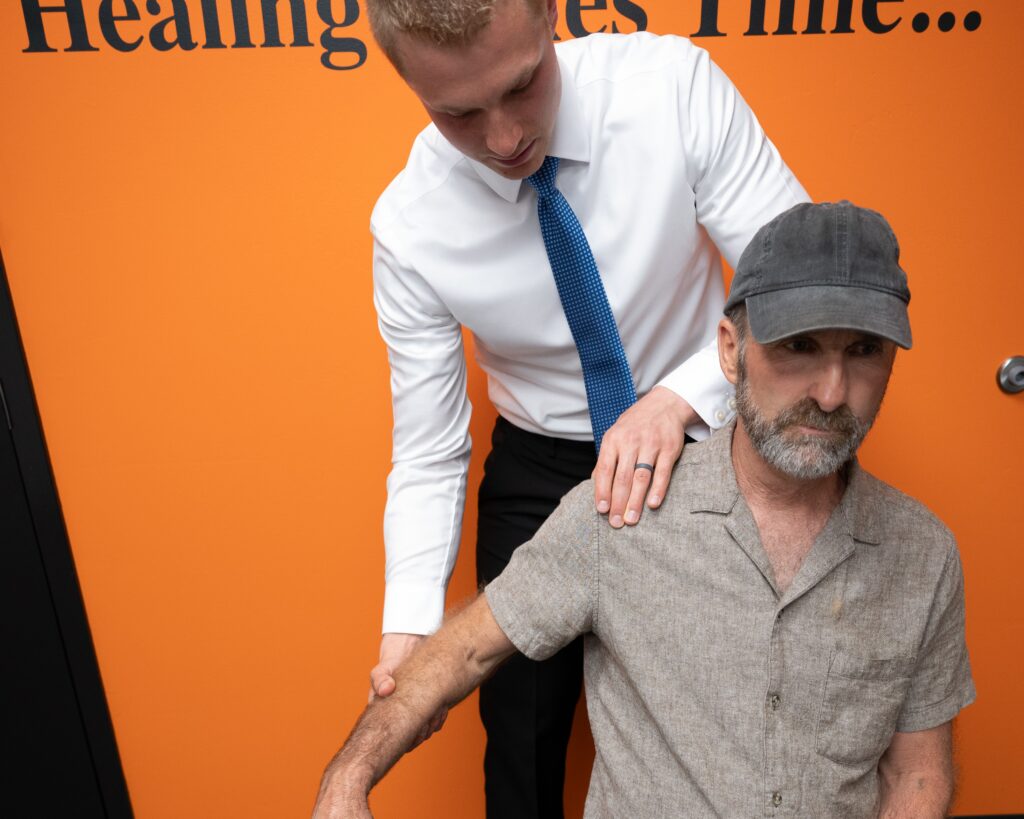
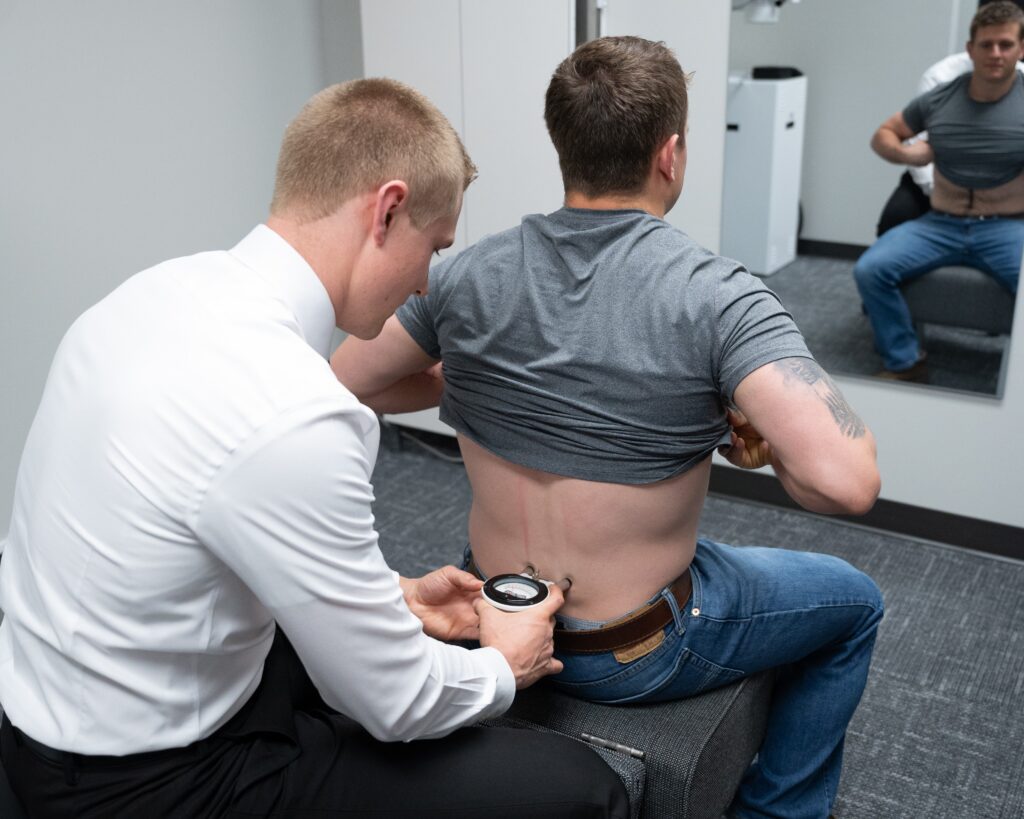
During your appointment, the specialist will likely conduct a physical examination, checking your posture, flexibility, and strength. They'll ask targeted questions to pinpoint the nature of your pain or discomfort. This process helps them understand how your back problems impact your daily life, ensuring they grasp the full picture.
Diagnostic imaging, like X-rays or MRIs, may also be utilized to uncover underlying issues, providing a clear visual representation of your spine's health.
With this extensive assessment, the specialist can rule out serious conditions and help identify less obvious problems such as herniated discs, sciatica, or spinal stenosis. Their expertise allows them to differentiate between various causes of back pain, so you won't waste time on ineffective treatments or unnecessary procedures.
Ultimately, this expert diagnosis and assessment serve as the foundation for your journey toward recovery. Knowing exactly what's going on with your back can give you peace of mind, empowering you to make informed decisions about your health.
Personalized Treatment Plans
After receiving an expert diagnosis, the next step is developing a personalized treatment plan that addresses your specific needs and goals. Your back specialist will consider various factors, including your medical history, lifestyle, and the severity of your condition. This individualized approach guarantees that you're not just treated as a one-size-fits-all case; instead, you receive a tailored solution that's designed just for you.
You may find the treatment plan includes a combination of therapies such as physical therapy, medication, or lifestyle changes. For instance, if your specialist identifies muscle weakness as a contributing factor, they might recommend targeted exercises to strengthen your back. If inflammation is an issue, anti-inflammatory medications or specific dietary adjustments could be part of your strategy.
Moreover, your plan might involve setting clear, achievable milestones. This way, you can track your progress and adjust your treatment as needed. Regular follow-ups with your back specialist not only offer support but also allow for modifications based on how well you're responding to the treatment.
Ultimately, a personalized treatment plan empowers you to take an active role in your recovery. You'll feel more confident knowing that your treatment is specifically designed to address your unique situation.
Access to Advanced Technologies
Access to advanced technologies is one of the key benefits of visiting a back specialist. These specialists utilize state-of-the-art diagnostic and treatment tools to accurately assess and address your back issues.
By leveraging these technologies, they can provide you with a more effective and tailored approach to your care. Here are some examples of advanced technologies that back specialists often use:
- MRI Scans: These scans help visualize your spinal structures in detail, revealing issues like herniated discs or tumors.
- X-rays: Quick and efficient, X-rays can show bone alignment and any fractures or degenerative changes.
- CT Scans: Combining the benefits of X-rays and MRI, CT scans offer a thorough view of your spine and surrounding tissues.
- Ultrasound: This technology allows specialists to assess soft tissue injuries and monitor progress in real-time.
- Robotic-Assisted Surgery: For some conditions, robotic systems can enhance precision and reduce recovery time during surgical interventions.
Comprehensive Pain Management
Thorough pain management is essential for anyone dealing with chronic back issues. When you visit a back specialist, you'll find a tailored approach to help alleviate your discomfort and improve your quality of life. Managing pain effectively means addressing not just the symptoms, but the underlying causes as well.
A back specialist will assess your condition and create a detailed pain management plan that might include medication, physical therapy, or even alternative therapies. You'll learn that medications can range from over-the-counter anti-inflammatories to prescription pain relievers, depending on the severity of your condition. Your specialist will guide you in finding the right balance that minimizes pain without overwhelming side effects.
Physical therapy is another vital component. By working with a trained therapist, you'll engage in targeted exercises designed to strengthen your back muscles, improve flexibility, and promote better posture. This not only helps in pain management but also aids in preventing future issues.
Additionally, your back specialist might introduce you to alternative therapies, such as acupuncture or chiropractic care. These methods can provide relief that traditional treatments sometimes don't achieve.
Ultimately, a thorough pain management strategy empowers you to take control of your back issues. You'll discover that with the right support and resources, you can regain your mobility and enjoy life to the fullest.
Don't hesitate to seek the expertise of a back specialist; your well-being could depend on it.
Preventive Care and Education
Preventive care and education are essential in maintaining a healthy back and avoiding future problems. When you take proactive steps, you not only enhance your quality of life but also reduce the risk of chronic pain and injuries. A back specialist can guide you through these preventive measures, empowering you to make informed decisions about your spine health.
Here are some key areas where preventive care and education can make a significant difference:
- Proper Posture: Learning how to sit, stand, and move correctly can alleviate unnecessary strain on your back.
- Exercise Routines: Engaging in specific exercises strengthens back muscles and improves flexibility, which is crucial for a healthy spine.
- Ergonomic Assessments: A specialist can evaluate your workspace and suggest adjustments to minimize stress on your back.
- Weight Management: Maintaining a healthy weight reduces the load on your spine, preventing long-term issues.
- Pain Recognition: Understanding early signs of back pain allows you to seek help before problems escalate.
Conclusion
Visiting a back specialist is vital for your spine health. You'll benefit from expert diagnosis, personalized treatment, and advanced technologies that enhance your care. With extensive pain management, you can find relief and regain your quality of life. Plus, preventive care and education will empower you to maintain a healthy back in the long run. Don't wait for pain to become unbearable—take the proactive step today and schedule an appointment with a back specialist!