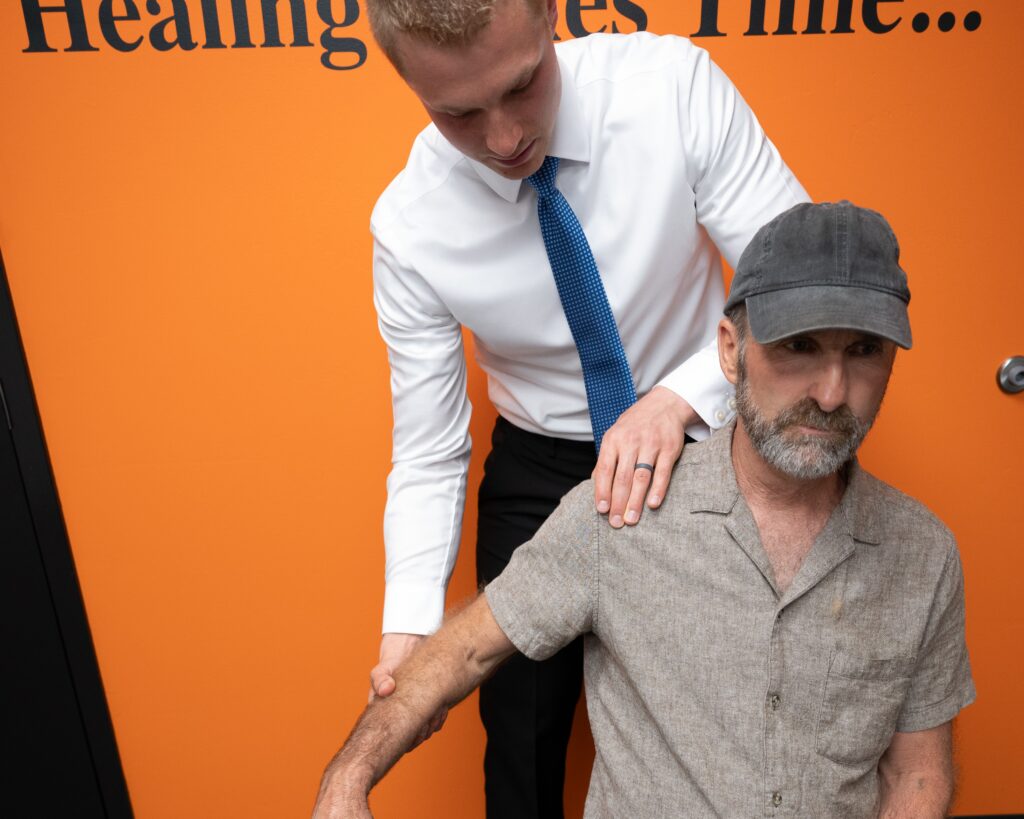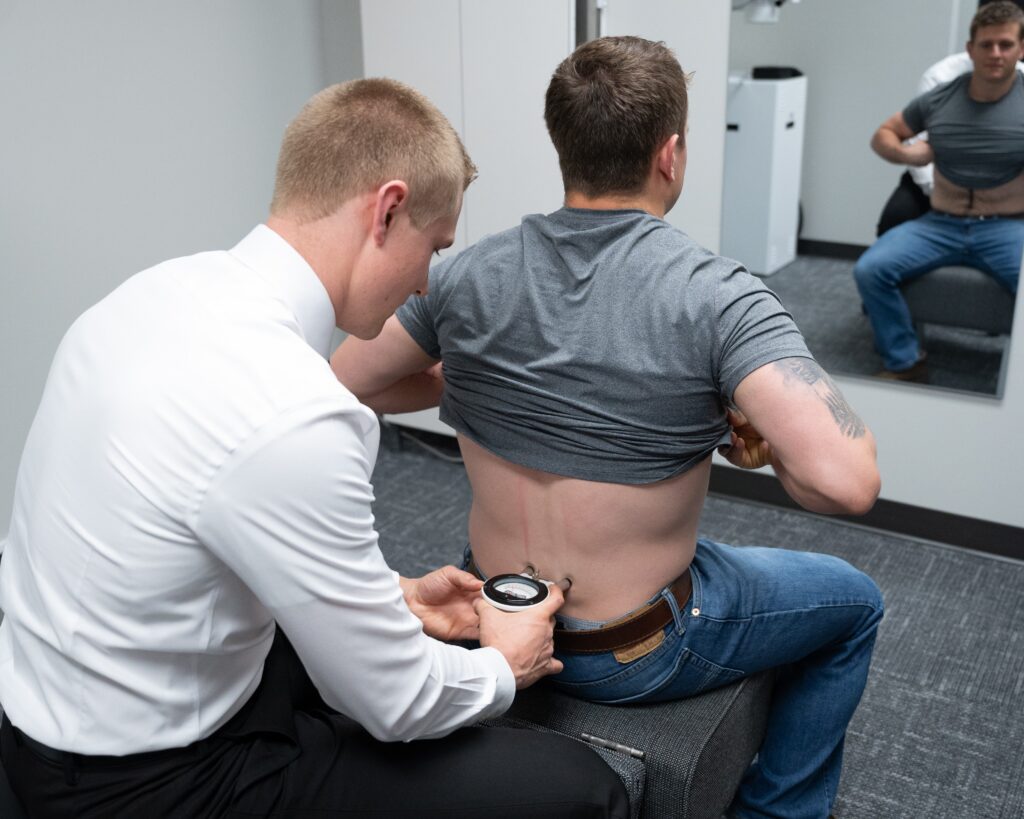

When you consider non-invasive stress relief methods, you might not realize just how impactful they can be on various aspects of your life. Techniques like mindfulness and yoga not only enhance your mental clarity but also improve your emotional resilience. This means you can tackle daily challenges with a fresh perspective. Plus, better sleep quality and physical well-being contribute to a more balanced life. But the most surprising benefit might just be the way these practices strengthen your social connections. Curious about how these elements intertwine to create a more fulfilling existence?
Improved Mental Clarity
One of the most notable benefits of non-invasive stress relief techniques is their ability to enhance your mental clarity. When you engage in practices like mindfulness, meditation, or gentle yoga, you're not just relaxing; you're actively clearing away the mental fog that stress can create. You may notice that after just a few minutes of focused breathing or guided visualization, your thoughts become sharper and more organized.
As you practice these techniques regularly, you'll find that distractions diminish. You'll become more adept at tuning into your thoughts and feelings, allowing you to process them without the weight of stress holding you back. This newfound clarity can lead to improved decision-making and problem-solving skills, making it easier to tackle challenges at work or in your personal life.
Moreover, non-invasive stress relief practices help you cultivate a sense of presence, which is essential for maintaining focus. When your mind isn't racing with worries or overwhelmed by anxiety, you can concentrate better on the task at hand. You'll likely find that you're more productive and creative, and you can engage more deeply in conversations and activities.
In addition, the calming effects of these techniques can reduce mental fatigue, enabling you to recharge your cognitive resources. As a result, your overall mental performance will improve, and you'll feel more equipped to handle the ups and downs of daily life.
Embracing non-invasive stress relief can truly transform the way you think and interact with the world.
Enhanced Emotional Resilience
Non-invasive stress relief techniques can considerably boost your emotional resilience, helping you bounce back from challenges with greater ease. When you engage in practices like mindfulness, yoga, or deep breathing, you're not just calming your mind; you're also training your brain to respond more effectively to stressors. This training builds a mental framework that allows you to face adversity with confidence.
As you incorporate these techniques into your daily routine, you'll notice an increase in your ability to manage emotions during tough times. Instead of feeling overwhelmed or defeated, you'll find that you can maintain a sense of balance. This shift occurs because non-invasive methods help you cultivate a more positive mindset, allowing you to view challenges as opportunities for growth rather than insurmountable obstacles.
Additionally, these stress relief techniques promote self-awareness, enabling you to recognize emotional triggers before they escalate. By understanding your reactions better, you can respond thoughtfully rather than impulsively. This self-regulation is key to enhancing emotional resilience.
Moreover, when you take the time to care for your mental well-being, you're reinforcing the belief that you can handle whatever life throws your way. You'll develop a more robust sense of self-efficacy, which is vital for emotional resilience.
Better Sleep Quality
Quality sleep is essential for overall well-being, and incorporating non-invasive stress relief techniques can greatly improve your nightly rest. When you experience high levels of stress, your body enters a state of heightened alertness, making it difficult to wind down at bedtime. By utilizing methods such as mindfulness meditation, deep breathing exercises, or gentle yoga, you can signal to your mind and body that it's time to relax.
Imagine lying in bed, your thoughts racing and worries piling up. Instead of tossing and turning, you can practice a few minutes of deep breathing to calm your mind. As you focus on your breath, you'll find it easier to let go of the day's stressors. Engaging in these techniques before bedtime not only helps you fall asleep faster but also enhances the quality of sleep you receive throughout the night.
Additionally, maintaining a consistent bedtime routine that incorporates non-invasive stress relief can signal your brain that it's time to shift into sleep mode. This may include activities like reading, journaling, or listening to soothing music.
The key is to create an environment that promotes relaxation, allowing you to drift into restorative sleep more easily.
When you prioritize better sleep quality through these non-invasive techniques, you'll wake up feeling refreshed and ready to tackle the day. You'll notice improved focus, emotional stability, and an overall enhanced sense of well-being.
Increased Physical Well-Being
Incorporating non-invasive stress relief techniques into your daily routine can lead to significant improvements in your physical well-being. When you reduce stress, your body responds positively, often resulting in enhanced overall health.
Here are four key benefits you might experience:
- Lower Blood Pressure: Stress is known to elevate blood pressure. By practicing relaxation techniques like deep breathing or meditation, you can lower your blood pressure, promoting heart health.
- Improved Immune Function: Chronic stress can weaken your immune system. Engaging in stress-relief activities helps bolster your body's defenses, making you less susceptible to illness.
- Increased Energy Levels: Reducing stress allows your body to recharge effectively. You may find that you have more energy throughout the day, enabling you to engage in physical activities that further enhance your well-being.
- Better Digestive Health: Stress can disrupt your digestive system, leading to issues like bloating or irritable bowel syndrome. Non-invasive stress relief techniques can alleviate these symptoms, promoting a healthier digestive process.
Strengthened Social Connections
Reducing stress not only benefits your physical health but also enhances your social life. When you're less stressed, you tend to engage more openly with those around you. You'll find it easier to connect with friends, family, and even acquaintances, strengthening those important social bonds.
As stress decreases, your mood often improves, making you more approachable and enjoyable to be around. You're likely to laugh more, share experiences, and enjoy conversations, which naturally attracts others to you. This increased interaction builds a support network that can help you navigate life's ups and downs.
Moreover, participating in group activities or social gatherings becomes more appealing when you're not weighed down by stress. Whether it's joining a yoga class, attending a book club, or simply having coffee with a friend, these experiences enrich your life and deepen your relationships. Engaging in such activities fosters a sense of belonging, which is essential for overall well-being.
Additionally, when you prioritize non-invasive stress relief methods, like meditation or exercise, you often meet like-minded individuals who share your interests. These connections can lead to lasting friendships and a more robust social circle, providing you with the emotional support needed during tough times.
In essence, as you reduce stress, you open the door to more fulfilling social interactions. You'll not only feel better but also cultivate relationships that enhance your life, making it richer and more rewarding.
Conclusion
Incorporating non-invasive stress relief techniques into your life can truly transform your well-being. By enhancing your mental clarity, emotional resilience, and sleep quality, you'll feel more energized and focused. As you prioritize your physical health and build stronger social connections, you'll notice a positive shift in your daily interactions and overall happiness. Embrace these practices, and watch how they empower you to tackle life's challenges with renewed strength and a clearer perspective.