
If you’ve recently experienced whiplash, you understand how challenging the recovery process can be. Prioritizing your healing is essential, and there are effective strategies to help you regain mobility and reduce pain, especially through chiropractic care. Each step you take plays a vital role in your journey to wellness. Let’s explore the top 10 tips that can enhance your recovery and guide you back to optimal health without the need for invasive treatments or medications.
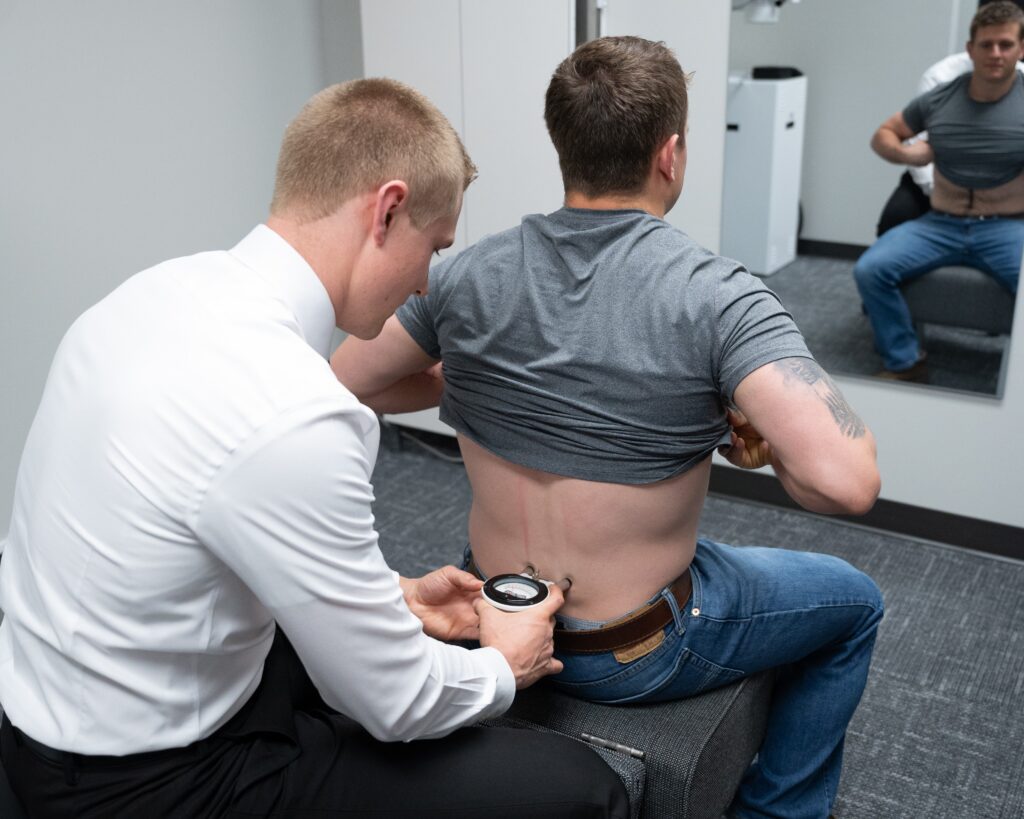
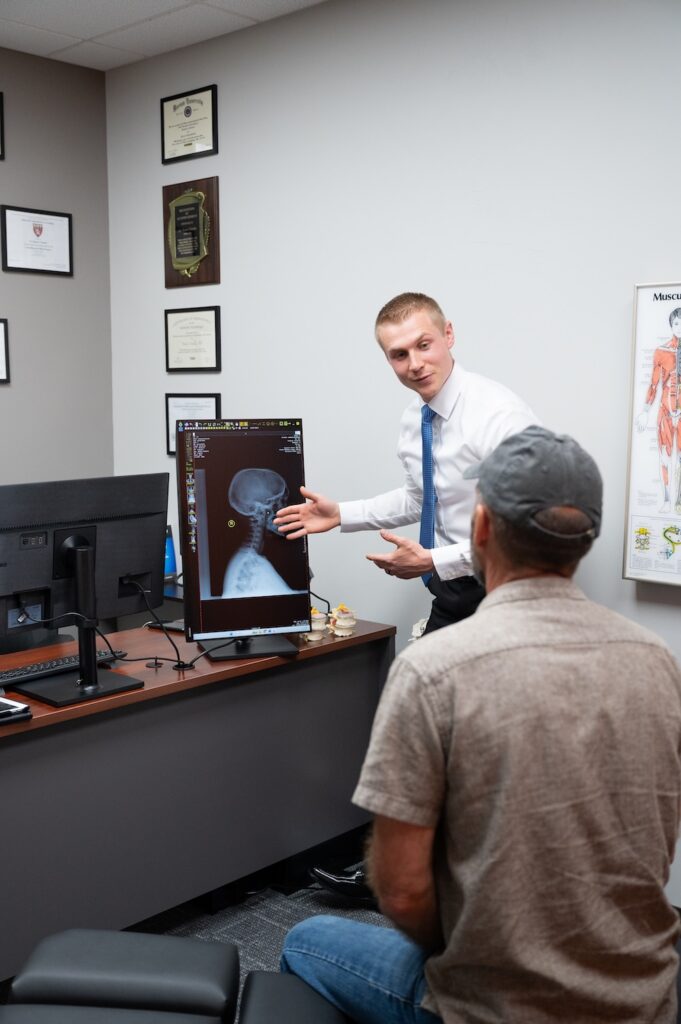
- Consult a Chiropractor: One of the best first steps is to seek a chiropractor’s expertise. Chiropractic adjustments can help realign your spine, relieve tension in the neck, and promote natural healing.
- Rest and Recovery: Giving your body time to heal is crucial. Avoid activities that strain your neck, but don’t be completely inactive. Gentle movements and stretches can help maintain mobility.
- Gentle Stretching: Incorporate light stretching of your neck and upper back. This can help alleviate stiffness and improve your range of motion. Your chiropractor can provide specific stretches tailored to your needs.
- Heat and Cold Therapy: Applying a cold pack can reduce inflammation, while heat can help relax tight muscles. Alternate between the two for optimal relief.
- Stay Hydrated: Drinking plenty of water supports overall health and aids in recovery. Proper hydration helps maintain the elasticity of spinal discs and tissues.
- Proper Posture: Pay attention to your posture, especially when sitting or standing for long periods. Good posture can reduce strain on your neck and spine.
- Sleep Support: Ensure you have a supportive pillow that keeps your neck in a neutral position while you sleep. This can help prevent additional strain during recovery.
- Nutrition Matters: Fuel your body with a balanced diet rich in vitamins and minerals. Foods high in omega-3 fatty acids, antioxidants, and anti-inflammatory properties can support healing.
- Mindfulness and Relaxation: Techniques such as deep breathing, meditation, or yoga can help reduce stress and tension, promoting overall wellness during your recovery.
- Follow Your Chiropractor’s Plan: Stick to the treatment plan your chiropractor provides. They will tailor a recovery program that may include adjustments, exercises, and lifestyle modifications to optimize your healing process.
By focusing on these tips and prioritizing chiropractic care, you can effectively manage your whiplash recovery and work towards a healthier, pain-free life. Remember, your journey to wellness is important, and with the right approach, you can regain your strength and mobility naturally.
Key Takeaways
- Rest and quality sleep are essential for your healing process after a whiplash injury. Giving your body the time it needs to recover will support overall wellness.
- For the first 48 hours post-injury, ice therapy can be your best friend. It helps reduce inflammation and pain. After that, consider switching to heat to relax those tight muscles and promote blood flow, aiding in recovery.
- Gentle neck stretches and exercises are highly beneficial. As your local chiropractor, I recommend specific movements that can enhance your mobility and strength. Always consult with your chiropractor for personalized advice tailored to your situation.
- Staying hydrated is crucial! Drinking plenty of water and eating hydrating foods can support tissue repair and help reduce stiffness, making your recovery smoother.
- Make regular chiropractic visits a priority. Personalized chiropractic care is one of the best ways to manage pain and promote healing throughout your recovery journey. Your chiropractor can provide hands-on treatment and guidance to ensure you’re on the right track to optimal health.
By focusing on these natural healing strategies and prioritizing chiropractic care, you can effectively navigate your recovery from whiplash and work towards a healthier, pain-free life!
Rest and Recovery
While it can be tempting to jump back into your daily routine after experiencing a whiplash injury, it’s crucial to prioritize rest and recovery for your healing journey. Your body is working hard to repair itself, and taking the time to relax and recuperate is essential.
Remember, your body knows what it needs—if you’re feeling pain or discomfort, listen to those signals and allow yourself the rest you deserve. This may involve modifying your daily activities or even taking some time off work.
Set aside specific periods throughout your day to unwind. Whether it’s napping, reading, or engaging in gentle activities that don’t put strain on your neck, these moments of relaxation can significantly aid your recovery.
And don’t underestimate the importance of quality sleep! A good night’s rest is a vital component of the healing process.
Avoid the temptation to rush back into your regular routine, as this can lead to setbacks and prolong your recovery. Instead, focus on caring for both your body and mind. Embracing proper rest won’t only help you heal faster but also enhance your overall well-being.
As a chiropractor, I recommend integrating gentle spinal adjustments into your recovery plan. Chiropractic care can help alleviate pain, promote healing, and restore proper function to your spine.
Apply Ice or Heat
Applying ice or heat is a simple yet effective way to support your recovery from whiplash. Ice is great for reducing inflammation and numbing sharp pain, while heat can help relax tight muscles and improve blood flow. Understanding when to use each can significantly enhance your comfort and speed up your healing process.
For the first few days after your injury, ice is your best friend. Wrap some ice in a cloth and apply it to the affected area for about 15-20 minutes several times a day. This can help control swelling and provide relief from acute pain.
After the initial inflammation subsides, switching to heat can be beneficial. A warm compress or heating pad can soothe tight muscles and promote relaxation. Just be sure to limit heat application to about 15-20 minutes as well, and always listen to your body.
In addition to ice and heat therapy, chiropractic care is an excellent avenue for managing whiplash. A chiropractor can assess your condition and provide gentle adjustments to help restore proper alignment and function to your spine. This can alleviate pain, enhance mobility, and prevent future issues.
Remember, your body is capable of healing itself, and with the right care—like chiropractic adjustments and natural therapies—you can achieve optimal health and wellness without the need for invasive procedures or medications.
Take charge of your recovery, and don’t hesitate to reach out to a local chiropractor for personalized guidance and support.
Ice for Inflammation Relief
To effectively manage inflammation after a whiplash injury, incorporating ice therapy can be a valuable part of your healing journey. Applying ice packs to the affected area helps constrict blood vessels, which can reduce swelling and numb discomfort.
I recommend icing the area for about 15-20 minutes every hour, especially during the first 48 hours following your injury. Just be sure to wrap the ice pack in a cloth to protect your skin from frostbite.
If you experience any increased pain or discomfort, remove the ice right away. Consistency is crucial, so try not to skip those icing sessions. This simple technique can greatly assist in minimizing inflammation and providing relief as your body heals naturally.
While ice therapy is beneficial, it’s also important to consider chiropractic care as a holistic approach to recovery. A chiropractor can help realign your spine and restore proper function, which may alleviate pain and promote overall wellness.
Combining ice therapy with chiropractic adjustments can enhance your recovery process, allowing your body to heal optimally. Keep up with both practices, and you’ll be on your way to feeling better in no time!
Heat for Muscle Relaxation
Using heat therapy can be a wonderful way to help relax your muscles and ease tension, especially after an injury like whiplash. When you apply heat—whether it’s a warm towel, a heating pad, or a soothing warm shower—you increase blood flow to the affected area. This enhanced circulation brings oxygen and nutrients that support healing, making it a natural and effective method for pain relief.
For best results, apply heat for about 15 to 20 minutes at a time. This duration is often enough to soothe tight muscles and reduce stiffness, allowing you to feel more relaxed overall. You may even notice an uplift in your mood from this simple act of self-care. Just remember to keep the heat at a comfortable level to avoid any burns.
Listening to your body is key. If heat therapy doesn’t feel right for you, it’s always a good idea to consult with a chiropractor. We specialize in natural healing and can offer personalized advice tailored to your specific needs, ensuring you find the best path to wellness without the use of medications or invasive procedures.
Incorporating heat therapy into your routine can complement your chiropractic care, further enhancing your recovery process. Alongside professional adjustments, these simple practices can help you achieve optimal health and well-being.
Application Timing Tips
As you work towards healing from whiplash, it’s essential to understand how to manage your symptoms effectively. Knowing when to apply ice or heat can significantly enhance your recovery process. Here’s a straightforward guide to help you determine the best approach:
| Condition | Recommended Treatment | Timing |
|---|---|---|
| Recent Injury | Ice | First 48 hours |
| Swelling | Ice | As needed |
| Muscle Tension | Heat | After 48 hours |
| Stiffness | Heat | When needed |
Using ice is a great way to reduce inflammation and numb any sharp pain you might be experiencing. It’s especially helpful in the first 48 hours after your injury. On the other hand, heat can be beneficial for promoting blood flow and relaxing tight muscles, making it a good choice after the initial healing phase.
Remember to listen to your body. If you’re feeling tense or stiff, don’t hesitate to alternate between ice and heat as needed. This approach can help alleviate discomfort and support your overall healing.
Chiropractic care is also an excellent option for managing pain and promoting natural wellness. A chiropractor can guide you through recovery, offering personalized techniques and adjustments that aid in restoring your spinal health and overall well-being. Embracing chiropractic care as part of your healing journey can lead to optimal health and a more comfortable recovery.
Gentle Stretching Exercises
Gentle stretching exercises are a vital component of your whiplash recovery and can significantly enhance your journey towards optimal health. As a local chiropractor, I believe that incorporating these stretches into your routine can alleviate tension, improve mobility, and support your overall well-being without the need for invasive procedures or medications.
Begin with simple neck stretches. Gently tilt your head from side to side, holding each position for about 15 seconds. This can effectively ease stiffness and promote flexibility in your neck. Remember, it’s important to keep the movements slow and controlled; never push through pain, as listening to your body is crucial for a safe recovery.
Another beneficial exercise is gentle neck rotations. Slowly turn your head from side to side, allowing your muscles to loosen up. These movements can help restore your range of motion, which is essential after experiencing whiplash.
In addition to neck stretches, don’t overlook the importance of shoulder rolls. By rolling your shoulders forward and backward in a circular motion for about 30 seconds, you can further relax your upper back and neck. This simple exercise can be integrated easily into your daily routine.
To maximize the benefits of these stretches, try to make it a habit to perform them daily, especially after a warm shower when your muscles are more relaxed. Always pay attention to how your body feels—if something feels uncomfortable, it’s best to stop.
By incorporating these gentle stretches into your daily life, you can support your recovery and promote a healthier lifestyle.
Physical Therapy
Incorporating chiropractic care into your whiplash recovery can significantly enhance your healing journey. A skilled chiropractor will evaluate your condition and create a personalized treatment plan tailored to your specific needs. Through gentle adjustments and spinal manipulations, you can improve neck strength, flexibility, and overall function without the use of medication or invasive procedures.
Chiropractic sessions often include hands-on techniques to relieve tension and restore mobility in your neck and spine. Your chiropractor can also provide valuable advice on maintaining proper posture and body mechanics, which can help prevent future injuries and promote long-term wellness.
It’s important to openly discuss your pain levels and any concerns with your chiropractor. Staying committed to your treatment plan is crucial, as regular visits can lead to better results and a quicker recovery.
In addition, here are some general tips to support your healing process at home:
- Practice gentle neck stretches to improve flexibility.
- Apply heat or cold packs to manage discomfort and reduce inflammation.
- Focus on maintaining good posture throughout the day, especially if you sit for long periods.
- Stay active with light exercises, as recommended by your chiropractor, to keep your body strong and resilient.
Pain Management Techniques
Managing pain effectively is crucial for a smooth recovery from whiplash, allowing you to focus on your rehabilitation and overall wellness. One of the best ways to alleviate pain is through chiropractic care, which addresses the root causes of discomfort and supports your body’s natural healing processes.
Chiropractors specialize in spinal health and can help realign your spine, reducing tension in your neck and promoting better function. This can lead to significant pain relief without the need for medications or invasive procedures. Regular adjustments can help restore mobility and improve your overall well-being.
In addition to chiropractic care, there are simple home remedies you can incorporate. Applying ice packs to your neck for 15-20 minutes can help reduce swelling and numb pain, especially in the first few days after your injury. As you begin to heal, gentle heat therapy can relax tense muscles and enhance circulation.
Don’t underestimate the benefits of relaxation techniques. Practices like deep breathing, meditation, and gentle stretching can help ease your pain while fostering a sense of calm.
Staying consistent with your physical therapy exercises, as guided by your chiropractor, is essential for rebuilding strength and flexibility, ultimately leading to better pain management.
Maintain Good Posture
After addressing pain management, it’s crucial to recognize how good posture is vital for your recovery from whiplash. Proper posture not only alleviates strain on your neck but also fosters the healing process.
Here are three essential tips to help you maintain good posture throughout your day and support your recovery naturally:
- Sit Up Straight: When sitting, aim to keep your back straight, shoulders relaxed, and head aligned over your spine. Consider using a chair that provides support for your lower back. This simple adjustment can significantly reduce discomfort and aid in your healing journey.
- Adjust Your Workspace: Ensure your computer screen is at eye level. Your chair should support your posture comfortably, which minimizes neck strain. By optimizing your workspace, you create a more ergonomic environment that promotes better spinal health.
- Practice Neck Exercises: Incorporate gentle neck stretches and strengthening exercises into your daily routine. These movements can enhance flexibility and support your recovery. Remember, a strong neck is essential for a healthy spine, and regular practice can make a difference.
By prioritizing good posture and incorporating these tips into your daily life, you can enhance your recovery from whiplash and promote overall wellness.
Chiropractic care is an excellent approach to ensure your spine remains healthy and aligned, providing you with the natural healing you deserve.
Stay Hydrated
Staying hydrated is crucial for your recovery from whiplash and overall health. Water isn’t just a basic necessity; it plays a vital role in muscle recovery, helping to alleviate stiffness and pain.
As a chiropractor, I can’t stress enough how important it’s to support your body’s natural healing processes. Proper hydration helps maintain the elasticity of your muscles and joints, which is essential for a full recovery.
To ensure you’re getting enough fluids throughout the day, keep a water bottle with you at all times. This simple habit can make a significant difference in your recovery journey.
Additionally, consider incorporating hydrating foods like fruits and vegetables into your diet, as they can also contribute to your fluid intake.
Remember, chiropractic care is an excellent way to address pain and promote natural healing. Alongside staying hydrated, regular chiropractic adjustments can help improve your spinal alignment and enhance your body’s ability to recover from injuries like whiplash.
Together, proper hydration and chiropractic care can lead you to optimal health and wellness. Stay proactive in your recovery, and embrace these natural approaches for a healthier, pain-free life!
Importance of Water Intake
As you focus on recovering from whiplash, it’s essential not to overlook the crucial role hydration plays in your healing journey. Staying well-hydrated can significantly enhance your overall comfort and recovery. Here are three compelling reasons to make water intake a priority:
- Supports Healing: Adequate hydration is vital for your body’s ability to repair tissues effectively. Drinking enough water can help speed up your recovery from whiplash, making it easier for your body to mend and regain strength.
- Reduces Pain: Staying hydrated can help ease headaches and discomfort that often accompany whiplash. By drinking more water, you may find that your daily activities become less painful and more manageable, allowing you to live your life more fully.
- Boosts Energy: Dehydration can lead to feelings of fatigue, which can make it tough to engage in gentle exercises and rehabilitation. Keeping your water intake up will help maintain your energy levels, making it easier to participate in activities that support your healing.
Incorporating water into your daily routine is simple. Aim to drink water consistently throughout the day to stay hydrated.
You’ll likely notice a positive impact on your overall recovery process. Remember, chiropractic care is also a vital part of your healing journey, helping to align your spine and improve your body’s natural function.
Hydration and Muscle Recovery
Hydration is a crucial element in supporting muscle recovery, especially during your journey to heal from whiplash. As a chiropractor, I want to emphasize how vital it’s to ensure you’re drinking enough water throughout your day. When your body is well-hydrated, your muscles can perform better, reducing stiffness and enhancing flexibility.
Water plays a key role in delivering essential nutrients to your muscles, which helps speed up recovery and lessen discomfort. On the flip side, dehydration can lead to muscle cramps and fatigue, which can slow down your healing process. To support your recovery, try to drink water consistently, particularly after any physical activities or therapy sessions.
A simple tip is to keep a water bottle with you at all times. This way, you can easily remember to sip on water throughout the day. Also, pay attention to your body’s signals; if you feel thirsty, it’s a clear indication that you need to hydrate.
Remember, staying properly hydrated isn’t just about quenching your thirst; it’s a vital part of effective muscle recovery and overall wellness during your whiplash healing.
Incorporating regular chiropractic care can further enhance your recovery. Chiropractic adjustments can improve your spinal alignment and nerve function, which supports your body’s natural healing processes.
Tips for Staying Hydrated
To stay hydrated effectively, it’s important to cultivate habits that seamlessly integrate drinking water into your daily life. Proper hydration plays a vital role in muscle recovery and overall well-being, especially when you’re on the path to healing from conditions like whiplash.
Here are three practical tips to help you ensure you’re drinking enough water throughout the day:
- Always have a water bottle handy: Keeping a water bottle nearby makes it easy to take sips throughout the day, supporting your body’s natural healing processes.
- Set hydration reminders: Utilize your smartphone or a simple kitchen timer to remind you to drink water at regular intervals. This helps you stay mindful of your hydration goals.
- Make your water exciting: Infuse your water with fresh fruits or herbs like lemon, cucumber, or mint. This not only adds flavor but also encourages you to drink more, promoting better hydration for your spine and overall health.
Remember, staying hydrated is a simple yet powerful way to support your body’s healing and wellness journey.
Mindfulness and Relaxation
Incorporating mindfulness and relaxation techniques into your recovery routine can significantly alleviate the discomfort associated with whiplash. These practices aren’t only beneficial for stress and tension management, but they also support your overall healing process. As a chiropractor, I often emphasize the importance of a holistic approach to health—one that includes both physical adjustments and mental well-being.
Start by dedicating a few minutes each day to focus on your breath. Close your eyes, take a deep breath in through your nose, and exhale slowly through your mouth. This simple practice can help calm your mind and body, creating a foundation for healing.
Guided meditation or gentle yoga can also be excellent additions to your routine. These activities promote relaxation and help you connect with your body, making you more aware of areas that may feel tight or sore. They encourage gentle movement and stretching, which can complement chiropractic adjustments and enhance your recovery.
Another effective technique is progressive muscle relaxation. This involves tensing and then relaxing different muscle groups, which can help release built-up tension and promote a sense of calm. As you practice this, pay attention to how your body feels, and be mindful of any areas that may need extra care.
Consistency is essential. By regularly practicing mindfulness and relaxation, you can foster a more peaceful state of mind, which is crucial for supporting your body’s healing process.
Gradual Return to Activities
As you start recovering from whiplash, it’s crucial to ease back into your daily activities gradually. Rushing into your old routine can impede your healing process. Instead, take small, mindful steps and listen attentively to your body’s needs.
Here are three helpful tips to support your safe return to activities while prioritizing your wellness:
1. Start with Gentle Movements: Begin with light stretching or short walks to gauge how your body feels. Gentle movements can help maintain mobility and flexibility in your neck without putting undue strain on it.
Incorporating chiropractic care can also enhance your recovery by aligning your spine and promoting overall well-being.
2. Increase Duration Gradually: As you become more comfortable, slowly extend the time you spend on activities. For instance, if you start with 10 minutes of walking, consider adding an extra 5 minutes each week.
This gradual approach allows your body to adapt without overwhelming it. A chiropractor can provide tailored exercises to support your progress.
3. Rest When Needed: Be attentive to your body’s signals. If you feel pain or discomfort, take a break. Rest is an essential part of the healing process.
Remember, chiropractic care can assist in alleviating discomfort and enhancing your recovery, helping you return to your activities more comfortably.
By focusing on these strategies and incorporating chiropractic care into your recovery plan, you can promote natural healing and work towards achieving optimal health.
Your journey to wellness doesn’t have to be rushed; take the time you need to heal effectively.
Seek Professional Guidance
While you embark on your recovery journey, seeking the expertise of a chiropractor can profoundly enhance your healing process. Chiropractic care focuses on the alignment of your spine and overall wellness, providing a natural approach to pain relief and recovery.
By consulting with a chiropractor, you can receive personalized care tailored to your unique needs. They’ll assess your condition and recommend specific adjustments and therapies designed to restore balance and function to your body.
Feel free to ask your chiropractor questions about your injury and the healing process. Understanding your situation gives you the power to make informed choices about your health.
Additionally, chiropractic care can equip you with effective strategies for managing pain and provide you with exercises that promote strength and flexibility, all while respecting your body’s recovery pace.
Here are a few general tips to help you on your journey to wellness:
- Stay Active: Engage in gentle activities like walking or stretching to keep your body moving without overexerting yourself.
- Practice Good Posture: Be mindful of your posture, whether sitting, standing, or lifting, to reduce strain on your spine.
- Stay Hydrated: Drinking plenty of water can aid in the healing process and help keep your joints lubricated.
- Listen to Your Body: Pay attention to how your body feels during activities and rest when needed to avoid further injury.
Chiropractic care isn’t just about relieving pain; it’s about achieving optimal health and wellness.
Conclusion
Incorporating these essential tips into your whiplash recovery plan can greatly enhance your healing process. A primary focus should be on getting adequate rest, which is vital for your body to heal. Staying hydrated is equally important, as it helps maintain the elasticity of your muscles and joints. Don’t hesitate to seek professional chiropractic guidance; a chiropractor can create a personalized recovery plan that aligns with your needs.
As you begin to reintroduce daily activities, it’s crucial to listen to your body and progress at a comfortable pace. Gentle stretching and chiropractic adjustments can also help restore mobility and alleviate pain. Remember, with patience and the right natural strategies, you can reclaim your well-being. Embrace this journey, and know that chiropractic care is a powerful ally in achieving optimal health and recovery. Keep moving forward—your health is worth it!