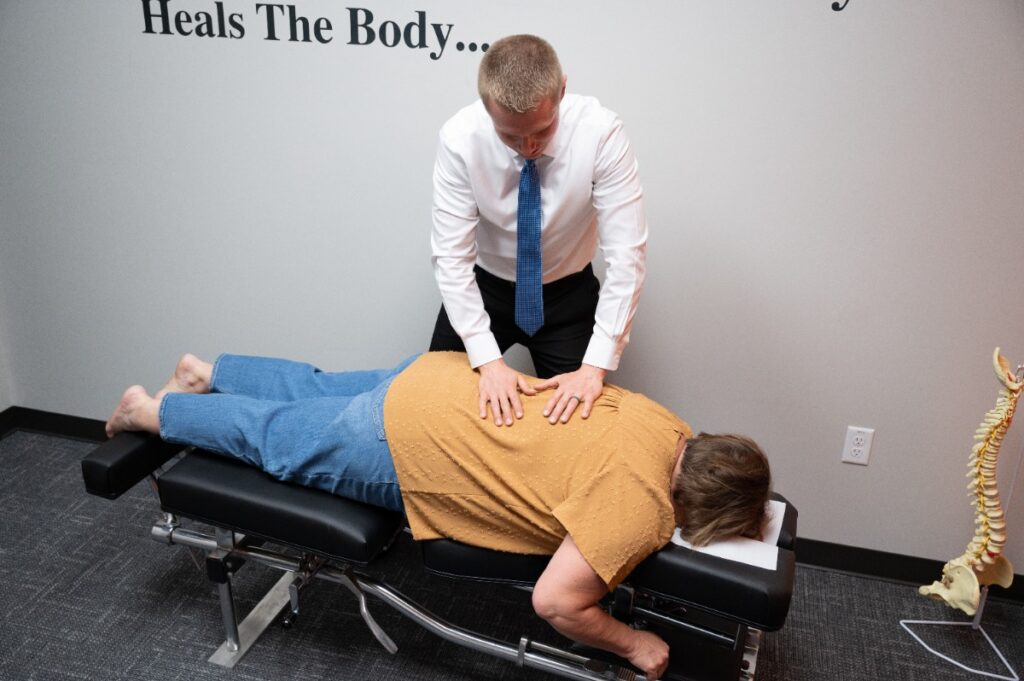

As a local chiropractor, I want to reassure you that if you're dealing with back pain, you're not alone. Many people face this challenge, but there are effective techniques that can help alleviate your discomfort. One of the key approaches I recommend is incorporating consistent stretching and core strengthening exercises into your routine. These practices can significantly enhance your spinal health and overall well-being.
Additionally, making ergonomic adjustments in your workspace can greatly reduce strain on your back. Simple changes like the height of your chair or the position of your computer screen can make a big difference.
You might also benefit from exploring alternative therapies such as chiropractic adjustments, massage therapy, or acupuncture, as well as mindfulness practices like meditation and yoga. Understanding which of these methods aligns best with your lifestyle is crucial for finding lasting relief. Remember, the journey to a pain-free back is unique for everyone, and I'm here to help you discover the best strategies tailored to your needs. Let's work together to explore these techniques and find what works for you.
Stretching Exercises
As a local chiropractor, I want to emphasize the importance of incorporating stretching exercises into your routine, especially if you're experiencing back pain. Stretching can be a powerful tool to alleviate tension, increase flexibility, and improve blood circulation—key components in the healing process.
Let's start with some gentle stretches that can target the muscles in your back and surrounding areas. One effective stretch I often recommend is the cat-cow pose. To perform this, get on your hands and knees. Arch your back upwards like a cat, then lower your belly while lifting your head, resembling a cow. This movement is excellent for mobilizing your spine and relieving tightness.
Another beneficial stretch is the child's pose. Kneel on the floor, sit back on your heels, and stretch your arms forward on the ground. This position gently elongates your spine and helps relax your lower back, providing much-needed relief.
Don't forget about the hamstring stretch, which is crucial as tight hamstrings can contribute to back pain. Sit with one leg extended and the other bent, reaching towards your toes. This stretch targets the hamstrings and can help alleviate some of the pressure on your back.
As you incorporate these stretches, hold each one for 15 to 30 seconds and remember to breathe deeply. Consistency is vital—try to stretch daily or at least several times a week. Always listen to your body; if a stretch feels too intense, don't hesitate to ease off.
Strengthening Workouts
As your local chiropractor, I want to share some valuable insights on how to effectively combat back pain through strengthening workouts that emphasize core stability. Many of my patients may not be familiar with the benefits of these exercises, but they play a crucial role in enhancing not only your strength but also your flexibility and mobility.
By incorporating core-strengthening exercises into your routine, you're not just working on your muscles; you're also providing vital support to your spine. A strong core helps to maintain proper alignment and reduces the risk of experiencing discomfort in the future.
Think of it as building a solid foundation for your body—one that can help you move more freely and comfortably.
At our practice, we believe in the power of natural healing, and combining chiropractic care with targeted strengthening workouts can lead to lasting relief from back pain.
Core Stability Exercises
As a local chiropractor, I want to share with you the importance of core stability exercises in managing and alleviating back pain. These exercises are crucial for strengthening the muscles that support your spine, which is essential for your overall health. By engaging your core, you create a solid foundation for your body, leading to improved posture and reduced strain on your back.
When we talk about core stability, it's not just about your abdominal muscles; it also involves your back, hips, and pelvic floor. This holistic approach is vital for maintaining a healthy spine and preventing discomfort.
To get you started on your journey to better core strength, I recommend incorporating exercises such as planks, bird-dogs, and bridges into your routine.
For a plank, lie face down and lift your body off the ground, balancing on your forearms and toes. Remember to keep your core tight during this exercise.
Bird-dogs are a fantastic way to enhance coordination and balance; while on your hands and knees, extend one arm and the opposite leg.
Lastly, bridges are excellent for activating your glutes. Simply lie on your back, bend your knees, and lift your hips towards the ceiling.
I advise incorporating these exercises into your routine several times a week. As you focus on building strength in your core, you may notice a reduction in back pain, along with increased stability in your daily activities.
Consistency is key—by regularly practicing these core stability exercises, you can pave the way for a healthier back and overall well-being.
Flexibility and Mobility Drills
As a local chiropractor, I want to emphasize the importance of flexibility and mobility in achieving relief from back pain and improving your overall physical health. Many patients are surprised to learn that specific drills can significantly enhance your range of motion and reduce tension in your back.
To get started, I recommend incorporating gentle stretches that target key areas such as your hamstrings, hip flexors, and lower back. These regions often accumulate tightness that can lead to discomfort. For instance, the cat-cow stretch is an excellent way to improve spinal flexibility.
Begin on all fours; as you inhale, arch your back, and as you exhale, round it. Hold each position for a few breaths to maximize the benefits.
Another effective stretch is the seated forward bend. Sit with your legs extended in front of you and reach for your toes while maintaining a straight back. This movement helps to lengthen and relax your spine, promoting better alignment.
Additionally, I encourage you to try mobility drills like the lunge with a twist. Step forward into a lunge position and gently twist your torso toward the front leg. This drill not only enhances hip mobility but also engages your core, which is essential for overall stability.
Consistency is key! Aim to incorporate these drills into your routine a few times a week to see a noticeable difference. Always listen to your body and avoid pushing beyond your comfort limits.
With regular practice, you can regain strength and flexibility, ultimately leading to lasting relief from back pain. Remember, chiropractic care is about empowering you to take charge of your health through natural healing methods.
Yoga Practices
As a local chiropractor, I often see patients who are dealing with back pain and are looking for natural ways to alleviate their discomfort. One effective approach that I frequently recommend is incorporating yoga practices into your daily routine. Yoga focuses on stretching, strengthening, and mindful breathing, all of which can significantly improve your posture and enhance flexibility, ultimately supporting your spine.
To get started, I suggest beginning with gentle poses like Child's Pose or Cat-Cow. These foundational positions are excellent for warming up your spine and promoting circulation, which helps to loosen tight muscles. As you become more comfortable, you can progress to poses such as Downward Dog or Cobra. These not only strengthen your back but also engage your core, which is crucial. A strong abdominal area provides essential support for your spine and helps mitigate strain.
Breath control is another fundamental aspect of yoga that plays a vital role in managing pain. By concentrating on your breathing, you can calm your mind and alleviate stress, both of which are often contributors to back pain. I encourage you to incorporate deep, intentional breathing as you transition through your poses. This mindfulness practice can truly transform your experience of pain.
Remember, consistency is essential for seeing results. I recommend aiming for at least two to three yoga sessions per week. Even dedicating just 15-20 minutes to your practice can lead to noticeable improvements over time. It's important to listen to your body and avoid pushing yourself too hard; don't hesitate to modify poses to suit your current fitness level.
Physical Therapy
As a local chiropractor, I want to share how chiropractic care can be a transformative solution for those suffering from back pain.
Our approach emphasizes the importance of targeted stretching exercises, which not only enhance flexibility but also alleviate muscle tension.
Additionally, we focus on strengthening your core muscles, which play a crucial role in providing support for your spine.
This proactive approach not only addresses your current discomfort but also helps prevent future pain, promoting a healthier, more active lifestyle.
Embracing natural healing through chiropractic care can make a significant difference in your journey to wellness.
Stretching Exercises Benefits
As a local chiropractor, I want to share with you the significant benefits of incorporating stretching exercises into your routine, especially if you're dealing with back pain. Stretching can greatly enhance your recovery by improving mobility and alleviating tension in your muscles. By making stretching a regular part of your day, you'll likely experience a greater range of motion in your joints, which can help ease discomfort and stiffness.
In particular, stretching works wonders for the muscles that support your spine. When these muscles are tight, they can contribute to pain and discomfort. By focusing on these areas, you can relieve strain on your back, which promotes better posture and spinal alignment.
Furthermore, regular stretching can increase blood circulation to the affected regions, supporting the healing process and speeding up your recovery.
Another important aspect of stretching is that it helps you develop a greater awareness of your body's movements and posture. This awareness is crucial in preventing future injuries and maintaining a healthy back.
I encourage you to set aside just a few minutes each day for stretching—it's a simple yet effective strategy for managing back pain. Whether you choose gentle yoga, basic stretches, or guided routines, dedicating time to stretch can be a vital part of your journey toward relief and recovery.
Strengthening Core Muscles
As a local chiropractor, I want to emphasize the importance of strengthening your core muscles for not only alleviating back pain but also enhancing your overall stability. A robust core plays a vital role in supporting your spine, enabling it to distribute weight evenly and reducing strain on your back.
When your core muscles are weak, it can lead to your back compensating, resulting in discomfort and pain.
To effectively build your core strength, I recommend starting with foundational exercises such as planks, bridges, and bird-dogs. These movements engage multiple muscle groups and help promote stability and balance.
Consistency is key; even dedicating a few minutes each day can lead to significant improvements in your core strength and, subsequently, your back health.
As you become more comfortable with these exercises, consider incorporating variations or adding resistance to further challenge your muscles. It's essential to focus on your form; proper technique is crucial to avoid injury and maximize benefits.
I also encourage you to integrate core-strengthening exercises into your regular workout routine for lasting advantages.
If you feel unsure about where to start or how to progress safely, working with a physical therapist can be incredibly beneficial. They can create a personalized program tailored to your specific needs and monitor your progress, guiding you through exercises that enhance your core strength while ensuring you're performing them safely.
By prioritizing your core muscle strength, you're laying the groundwork for a healthier back and a more active lifestyle.
Hot and Cold Therapy
As a local chiropractor, I want to share with you the benefits of hot and cold therapy for alleviating back pain.
These natural healing methods can be incredibly effective in helping to reduce inflammation, relax tight muscles, and promote better blood circulation, all of which contribute to your overall comfort and recovery.
Understanding how and when to utilize these therapies can significantly enhance your healing process.
Here's a straightforward guide to applying hot and cold therapy effectively:
- Heat Therapy: A heating pad or a warm towel can be applied to your back for 15-20 minutes. This warmth helps to soothe tense muscles and encourages improved circulation in the affected area.
- Cold Therapy: For reducing swelling and numbing sharp pain, use an ice pack or a bag of frozen peas wrapped in a cloth. Apply it to the area for 15-20 minutes. This method is particularly beneficial for acute pain and inflammation.
- Alternating Temperatures: To maximize pain relief and support healing, consider switching between heat and cold every 20 minutes. This approach can effectively address different types of discomfort.
- Stay Hydrated: After using hot or cold therapy, it's important to drink water. Staying hydrated aids your body in its recovery process and helps maintain optimal hydration levels.
- Listen to Your Body: It's essential to pay attention to how your body responds to these therapies. Adjust the temperature based on your comfort level, and if something feels too hot or too cold, discontinue use immediately.
Remember, give your body the time it needs to respond to these treatments.
Heat therapy is especially beneficial for alleviating stiffness and tension, while cold therapy excels in managing acute pain and inflammation.
By integrating these techniques into your routine, you can effectively manage your back pain and improve your overall well-being.
If you have any questions or need personalized guidance, feel free to reach out during your visit!
Massage Techniques
After you've explored hot and cold therapy for your back pain, I recommend considering the incorporation of massage techniques into your routine for enhanced relief and relaxation.
Massage therapy plays a significant role in reducing muscle tension, increasing blood circulation, and releasing endorphins—natural chemicals in the body that help alleviate discomfort.
For those new to self-care approaches, starting with self-massage techniques can be beneficial. You can gently use your fingers to apply pressure to tight areas in your lower back, kneading the muscles in small circular motions.
Tools like a tennis ball or foam roller can also be incredibly effective for targeting specific pressure points, utilizing gravity to assist with the necessary pressure.
If you seek a more specialized experience, I encourage you to schedule a session with a licensed massage therapist. They possess the expertise to customize the massage according to your individual needs, employing techniques such as Swedish, deep tissue, or trigger point therapy.
These methods can penetrate deeply into sore muscles, offering relief that self-massage may not fully achieve.
Also, remember that integrating stretching into your massage sessions can significantly enhance the benefits. Gentle stretching alongside massage can improve flexibility and further reduce tightness in your back.
Be sure to communicate openly with your therapist about any specific areas of concern and your preferred pressure levels to maximize your experience and benefits.
As a chiropractor, I believe in the power of holistic approaches to healing, and combining these techniques can lead to a better quality of life.
Posture Improvement
As a local chiropractor, I want to share how improving your posture can significantly alleviate back pain and boost your overall health. Many people are unaware that simple adjustments in your daily habits can lead to profound changes in how you feel.
One effective method is to establish an ergonomic workstation. This means arranging your desk, chair, and computer in a way that supports your body's natural alignment.
Additionally, practicing mindful sitting—being aware of how you hold your body during the day—can also make a substantial difference.
By incorporating these techniques into your routine, you can experience greater comfort and reduce the risk of pain.
If you're curious about how chiropractic care can further support your journey to wellness, I'd be happy to discuss it with you!
Ergonomic Workstation Setup
As a chiropractor, I often see how the setup of your workstation can significantly affect your posture and overall well-being. Many individuals are unaware that a proper ergonomic workstation can help maintain good posture, reduce physical strain, and ultimately alleviate issues like back pain.
Here are some fundamental tips to help you create a comfortable and supportive workspace:
- Chair Height: It's vital to adjust your chair so that your feet rest flat on the floor, with your knees forming a 90-degree angle. This position supports your spine and helps prevent discomfort.
- Desk Height: Ensure your desk is at a height where your elbows are also at a 90-degree angle while typing. Keeping your wrists straight will further reduce strain and promote a healthier posture.
- Monitor Position: Your monitor should be positioned at eye level and about an arm's length away. This will help you avoid unnecessary neck strain, which is common among those who spend long hours at a computer.
- Keyboard and Mouse Placement: Keep your keyboard and mouse close enough to your body so that you don't have to reach excessively. They should also be aligned at the same level to facilitate a natural arm position.
- Foot Support: If your feet don't comfortably reach the floor, consider using a footrest. This simple addition can enhance circulation and improve your overall comfort while sitting.
By implementing these ergonomic principles, you can create a workspace that not only supports your spine but also enhances your productivity and well-being.
Mindful Sitting Practices
As a local chiropractor, I want to share some mindful sitting practices that can significantly improve your posture and help alleviate back pain. Many of you may not be familiar with how your sitting habits can impact your spinal health, so let's explore this together.
When you sit, it's essential to be aware of your body's alignment. Start by placing your feet flat on the ground, ensuring your knees form a right angle. This foundational position is crucial for maintaining proper posture. Keep your back straight and your shoulders relaxed; gently pulling them back can help prevent slouching, which is a common issue I see in my practice.
Take a moment to check in with your body. Are you leaning forward? If so, you might need to adjust your seat depth so you can sit back comfortably against the chair's backrest. Don't hesitate to use a small cushion for lumbar support if you find it helps maintain the natural curve of your spine.
In addition to proper alignment, incorporating breathing techniques into your sitting routine can be beneficial. Take deep breaths—inhale through your nose and exhale through your mouth. This practice calms your mind and encourages you to remain conscious of your posture.
I also recommend setting reminders to shift your position every 30 minutes. Stand up, stretch, or take a short walk. This simple practice not only breaks the monotony of sitting but also promotes better circulation, which is vital for your overall spinal health.
Ergonomic Adjustments
As a local chiropractor, I want to share some valuable insights on how making ergonomic adjustments in your workspace can play a crucial role in alleviating back pain and enhancing your overall comfort.
By creating an optimal environment, you can promote better posture and reduce strain on your back, which is essential for maintaining overall spinal health. Here are some key adjustments I recommend:
- Chair Height: Ensure your chair is adjusted so that your feet rest flat on the floor, with your knees positioned at or below hip level. This alignment promotes a neutral spine, which is vital for preventing discomfort.
- Desk Setup: It's important to check that your desk height allows your elbows to be at a 90-degree angle while typing. Keeping your wrists straight will help minimize strain on your wrists and back, reducing the risk of injury.
- Monitor Position: Your computer monitor should be at eye level and about an arm's length away. This positioning helps prevent you from leaning forward or tilting your head down, both of which can contribute to neck and back pain over time.
- Keyboard and Mouse: Keep your keyboard and mouse within easy reach to avoid unnecessary stretching. This will help reduce shoulder and back strain, making it easier for you to maintain an ergonomic posture.
- Frequent Breaks: I encourage you to set reminders to take short breaks every hour. Stand up, stretch, and take a brief walk to relieve tension in your back and enhance circulation.
These small movements can make a significant difference in your comfort and well-being.
By incorporating these ergonomic adjustments into your daily routine, you can take proactive steps towards better spinal health and overall wellness.
Mindfulness and Relaxation
As a chiropractor dedicated to your well-being, I want to introduce you to the powerful benefits of mindfulness and relaxation in your journey toward relieving back pain. Incorporating just a few minutes of these practices into your daily routine can significantly enhance your healing process.
Many individuals may not realize that stress and tension are often key contributors to chronic back pain, and mindfulness can serve as an effective tool in managing these factors.
To get started, find a quiet spot where you can either sit or lie down comfortably. Take a moment to close your eyes and take several deep breaths, feeling the air flow in and out of your body. As you breathe, bring your attention to any areas of tightness or discomfort in your back. Rather than judging these sensations, simply acknowledge them and allow yourself to be present.
This mindful awareness helps you identify patterns that may be triggering your back pain.
I recommend exploring relaxation techniques such as progressive muscle relaxation. This technique involves tensing and then relaxing each muscle group, starting from your toes and moving up to your head. Not only does this approach help release physical tension, but it also aids in calming your mind, which is essential for healing.
Additionally, consider integrating meditation or guided imagery into your daily practice. Visualizing a peaceful scene or concentrating on your breath for just a few moments can significantly lower your stress levels.
By dedicating time to mindfulness and relaxation, you aren't only working toward alleviating back pain but also nurturing a greater sense of overall wellness.
Remember, consistency is crucial. By making these practices a regular part of your life, you'll be taking proactive steps towards enhancing your chiropractic care and achieving lasting relief from back pain.
I'm here to support you on this journey to better health!
Acupuncture and Alternative Therapies
As a local chiropractor, I want to take a moment to educate you about effective methods for relieving back pain, particularly through chiropractic care and other natural healing therapies. Many patients find that these approaches can provide significant relief when traditional treatments aren't enough.
Chiropractic care focuses on spinal adjustments, which involve gentle manipulations of the spine to relieve pain and improve alignment. By restoring proper function to the spine, we can help alleviate discomfort and promote your body's natural healing processes.
In addition to chiropractic adjustments, there are several alternative therapies that can complement your treatment and enhance your overall well-being. Here are some that I often recommend to my patients:
- Massage therapy: This technique can help alleviate muscle tension and improve blood circulation, offering immediate relief for sore areas.
- Yoga: Incorporating yoga into your routine can enhance flexibility and strengthen your core muscles, which is essential for reducing strain on your back.
- Physical therapy: A physical therapist can work with you to create a customized exercise plan that strengthens your back and improves posture, helping prevent future issues.
- Herbal remedies: Some natural herbs may assist in reducing inflammation and pain, especially when integrated with other treatments.
Each of these therapies has distinct advantages, and I encourage you to discuss them with me during our consultations.
Together, we can devise a tailored plan that suits your specific needs and lifestyle. By incorporating chiropractic care along with these alternative therapies, you're taking proactive steps toward achieving a more comfortable, pain-free life.
Always remember, your health and well-being are our top priorities, and we're here to support you on your journey to recovery.
Conclusion
As a local chiropractor, I want to share with you some effective techniques for relieving back pain that can significantly enhance your comfort and mobility. One of the key aspects of chiropractic care is the importance of incorporating stretching, strengthening exercises, and yoga into your routine. These practices help to support your spine and improve overall flexibility.
Additionally, physical therapy can play a vital role in your recovery and strengthening journey. It's essential to build a strong foundation for a healthier back, and I can guide you on the best exercises tailored to your individual needs.
Don't overlook the benefits of hot and cold therapy. Applying heat can help relax tight muscles, while cold therapy can reduce inflammation. Ergonomic adjustments in your workspace can also make a significant difference in how your back feels throughout the day.
Moreover, mindfulness practices can improve your overall well-being and help you manage pain more effectively. Exploring acupuncture and other alternative therapies may also provide you with additional relief from discomfort.
By embracing this holistic approach, including chiropractic care, you'll be well on your way to living a pain-free life. I'm here to help you navigate these techniques and find the best solutions for your back pain.