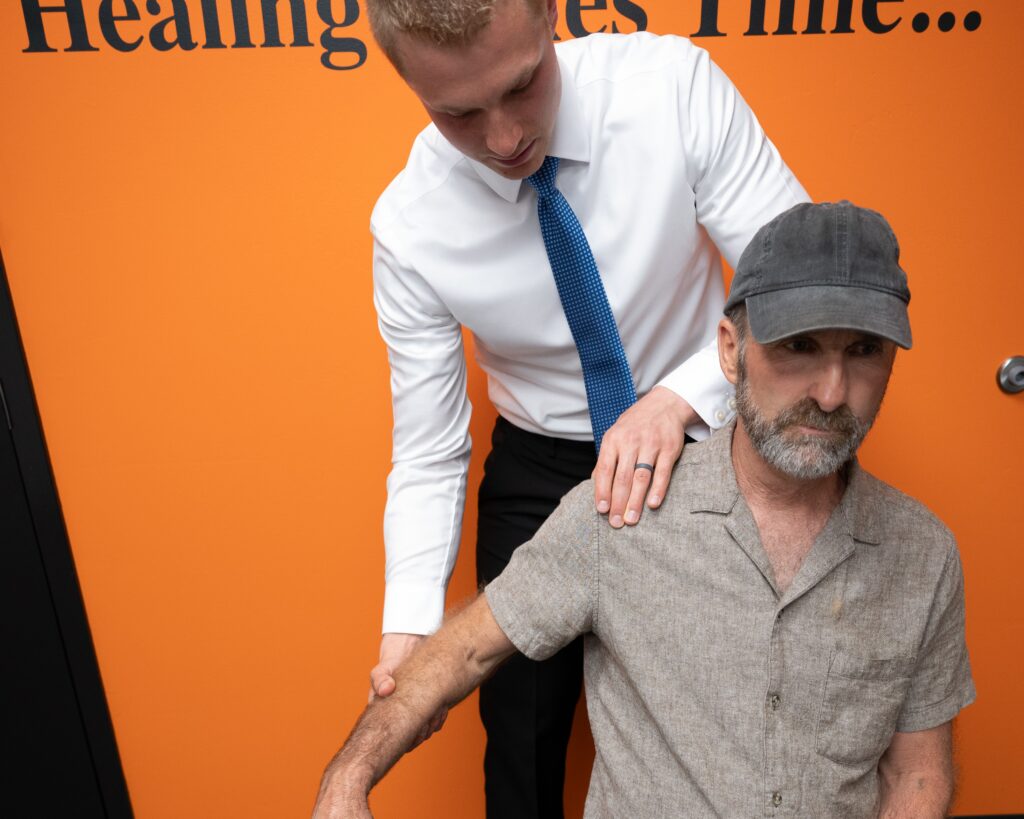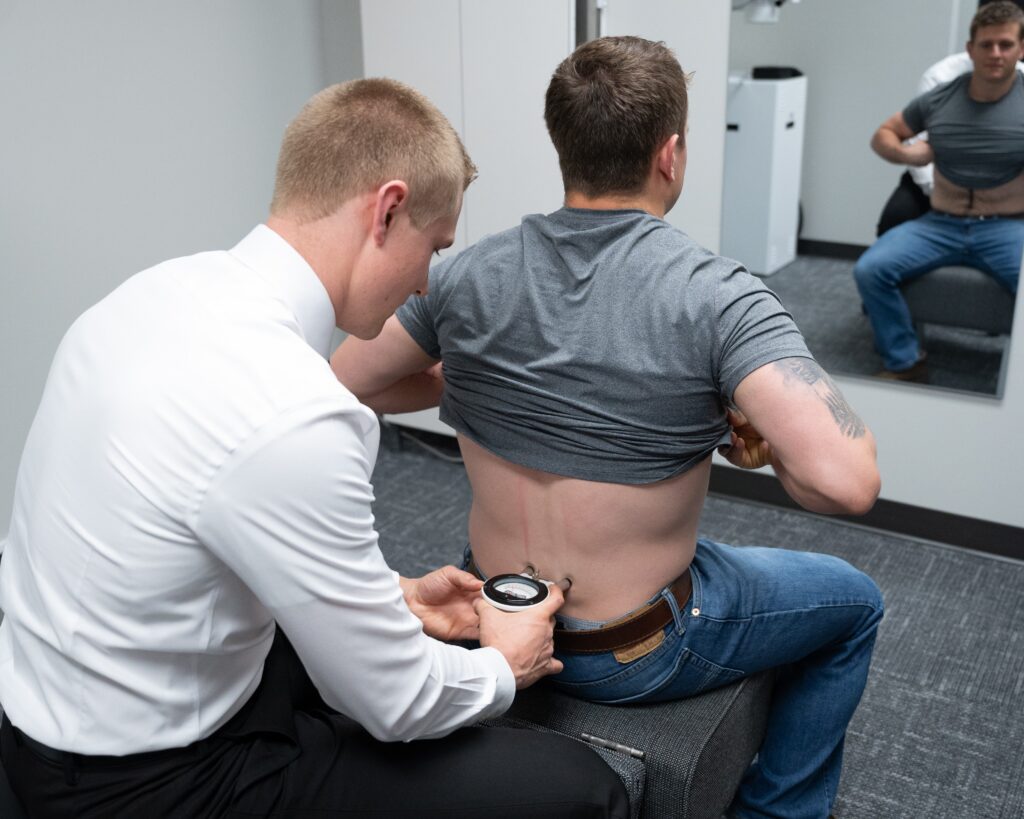

As a local chiropractor, I understand that many of you are grappling with lower back discomfort, and I want you to know you’re not alone in this struggle. It’s a common issue that can be quite frustrating, but the good news is there are effective, natural strategies to help manage your pain and enhance your overall quality of life.
Chiropractic care offers a holistic approach to healing that focuses on aligning your spine and improving your body’s function. By making simple adjustments to your daily routine and seeking professional guidance, you can take significant steps toward alleviating your discomfort.
Let’s explore some ways you can empower yourself to manage lower back pain and find relief through chiropractic care and other natural methods. Together, we can work towards restoring your well-being and helping you lead a more comfortable life.
Maintain Good Posture
As a local chiropractor, I want to emphasize the importance of maintaining good posture for your overall health, particularly when it comes to alleviating lower back discomfort. Many of you may not realize just how much posture affects your well-being, especially if you spend long hours sitting or standing throughout the day.
When sitting, I recommend that you keep your feet flat on the floor and ensure your knees are at a right angle. It’s also important to sit back against your chair with your back straight. If your chair doesn’t provide sufficient support for your lower back, consider using a cushion or lumbar roll to enhance your comfort and support.
For those times when you’re standing, remember to distribute your weight evenly between both feet and avoid locking those knees. Engaging your core muscles can provide additional support to your spine, helping to prevent strain.
If you catch yourself hunched over a computer or smartphone, take a moment to reset your posture. Pull your shoulders back, align your head with your spine, and direct your gaze straight ahead.
I encourage you to regularly check your posture throughout the day. Small adjustments can make a significant difference in reducing strain on your back and enhancing your comfort.
Incorporate Regular Exercise
As your local chiropractor, I want to emphasize the importance of incorporating regular exercise into your routine, especially if you’re dealing with lower back discomfort. Engaging in low-impact activities can be incredibly beneficial, as they won’t put unnecessary strain on your back.
Additionally, focusing on strengthening your core muscles is crucial; a strong core provides better support for your spine and can significantly enhance your comfort and mobility.
By embracing a balanced exercise regimen, not only can you alleviate some of that discomfort, but you can also promote overall health and well-being.
Choose Low-Impact Activities
As a local chiropractor, I often encounter patients who believe that only high-intensity workouts can keep them fit.
However, I want to emphasize that low-impact activities can be just as beneficial, especially for those of you dealing with lower back discomfort. These types of exercises minimize strain on your back while still delivering an effective workout.
Here are three low-impact options I encourage you to consider:
- Walking: This is a straightforward yet powerful way to elevate your heart rate without putting excess pressure on your back. It’s something you can easily incorporate into your daily routine.
- Swimming: The water’s buoyancy offers excellent support for your body, which can significantly ease the strain on your back. Swimming provides a fantastic opportunity for a full-body workout while being gentle on your joints.
- Cycling: Whether you choose a stationary bike or prefer outdoor cycling, this activity is easy on your back and joints. It not only helps improve your cardiovascular health but also keeps you active without the risk of exacerbating any discomfort.
Integrating these low-impact activities into your routine can help you maintain an active lifestyle while also alleviating discomfort.
If you have questions about how to get started or need guidance on proper techniques, please feel free to reach out. Your journey to health and wellness is important to us!
Strengthen Core Muscles
As a local chiropractor, I want to emphasize the importance of building strength in your core muscles for your overall health and well-being, particularly for supporting your lower back. A strong core serves as a solid foundation that not only helps you maintain proper posture but also alleviates strain on your back, leading to better stability and reduced discomfort.
Incorporating exercises such as planks, bridges, and abdominal crunches into your routine can be extremely beneficial. These movements effectively target your core, while also enhancing your flexibility and balance—key components of a healthy body.
I recommend aiming for at least 150 minutes of moderate exercise each week, and including core workouts two to three times during that period. It’s crucial to listen to your body; if you experience any pain during these exercises, take a moment to reassess your form or consider reducing the intensity.
By consistently engaging your core, you can protect your lower back and enjoy improved overall health. Committing to regular exercise won’t only help you feel better today but can also lead to long-term health benefits.
If you have any questions or need guidance on how to start, feel free to reach out to me. Together, we can work towards a healthier, pain-free life.
Stretch Your Muscles
As a local chiropractor dedicated to helping you achieve optimal health, I want to emphasize the importance of stretching your muscles, especially when it comes to alleviating lower back discomfort and enhancing overall flexibility.
Many of my patients have found that incorporating regular stretching into their daily routine not only relieves tension but also significantly improves their mobility, making everyday activities much more manageable.
Here are three effective stretches that I often recommend to my patients:
- Knee-to-Chest Stretch: Begin by lying on your back. Gently pull one knee toward your chest and hold the position for 15-30 seconds. Afterward, switch legs and repeat. This simple yet effective stretch can help release tension in your lower back, providing much-needed relief.
- Cat-Cow Stretch: Position yourself on all fours, with your hands under your shoulders and knees under your hips. Start with the Cat pose by arching your back upward, and then transition into the Cow pose by lowering your belly while lifting your head and tailbone. Repeat this flow several times to enhance the flexibility of your spine.
- Child’s Pose: Kneel on the floor and gently sit back on your heels while extending your arms forward on the ground. Hold this position for 20-30 seconds. This stretch is excellent for relaxing your lower back and hips, making it a perfect addition to your routine.
By integrating these stretches into your daily life, you can help reduce discomfort and promote a healthier back.
Use Proper Lifting Techniques
As a local chiropractor dedicated to your health and well-being, I want to share some essential tips on incorporating proper lifting techniques into your daily routine. By doing so, you can significantly protect your lower back and prevent discomfort, which is crucial for your overall health.
When lifting any object, always remember to bend at your knees instead of your waist. This simple adjustment helps keep your spine in a neutral position, thereby reducing strain on your back.
It’s also important to keep the load close to your body; the further away it is, the heavier it will feel, putting unnecessary pressure on your back.
Engaging your core muscles while lifting provides additional support and stability, making the task easier and safer. Before you lift, take a moment to assess how heavy the object is. If it seems too heavy to handle safely, please don’t hesitate to ask for help or use tools like a dolly.
When lifting, aim for smooth, controlled movements. Jerky motions can lead to injury, which we want to avoid at all costs.
Likewise, when setting the object down, remember to bend your knees and keep your back straight—just as you did when lifting.
By practicing these techniques consistently, you’re not only taking proactive steps to protect your lower back, but you’re also enhancing your overall health and well-being.
If you have any questions or need further guidance, don’t hesitate to reach out. Your health is my priority!
Invest in Supportive Furniture
As a local chiropractor, I often see the impact that poor seating and workspace arrangements can have on lower back health.
If you spend long hours sitting or working, investing in supportive furniture is crucial for your overall comfort and spinal health. The right furniture can promote proper posture and significantly reduce strain on your spine.
Here are three key items I recommend:
- Ergonomic Chair: It’s essential to choose an adjustable chair that offers lumbar support tailored to fit the natural curve of your lower back. This type of chair can help alleviate discomfort and prevent long-term issues during those extended periods of sitting.
- Standing Desk: Incorporating a standing desk into your workspace is a great way to alternate between sitting and standing. This change in position can relieve pressure on your back and improve circulation. Look for a height-adjustable desk that allows you to switch positions easily throughout your day.
- Supportive Cushions: If investing in a new chair isn’t feasible, consider using lumbar cushions or seat pads. These tools can promote better alignment and provide additional support, helping you maintain a healthy posture while sitting.
Remember, making these small changes can lead to significant improvements in your back health and overall well-being.
If you have any questions or would like further guidance, don’t hesitate to reach out!
Manage Stress Levels
As your local chiropractor, I want to emphasize the vital connection between managing stress levels and alleviating lower back pain. Many people may not realize that stress can lead to muscle tension, particularly in the lower back. When you’re feeling stressed, your body tends to tense up, which can exacerbate discomfort in that area.
To help combat this tension, I encourage you to incorporate relaxation techniques into your daily routine. Simple practices like deep breathing exercises can significantly calm your mind and reduce muscle tightness.
Additionally, mindfulness and meditation are fantastic tools for lowering stress and improving your overall well-being. Physical activity is another effective way to manage stress; even a brief walk can work wonders for both your mental state and physical health.
Don’t overlook the importance of quality sleep. A well-rested body is much better equipped to handle stress and discomfort.
Lastly, make it a priority to engage in hobbies and activities that bring you joy. Dedicating time to pleasurable tasks can provide a much-needed escape from daily stressors, ultimately supporting your back health.
As we work together on your chiropractic journey, remember that taking steps to manage stress can have a profound impact on your overall health and well-being.
Consult a Healthcare Professional
If you’re experiencing lower back discomfort, as your local chiropractor, I want to emphasize the importance of seeking expert guidance.
Understanding when to reach out for help is crucial, especially if your pain persists or intensifies.
Chiropractic care offers a natural approach to healing, focusing on your body’s alignment and overall well-being.
We provide personalized assessments and treatment plans tailored to your specific needs, helping you find relief and get back on track.
Don’t hesitate to consult with us—your journey to a pain-free life starts with the right support!
Importance of Expert Guidance
As your local chiropractor, I want to emphasize the importance of seeking expert guidance when it comes to managing lower back discomfort. Many individuals aren’t familiar with the benefits of chiropractic care and natural healing, but I assure you, consulting a professional like me can make a significant difference in your journey to recovery.
Here’s why you should consider reaching out for help:
- Accurate Diagnosis: With my training and expertise, I can accurately identify the underlying causes of your lower back pain. This is crucial for ensuring that you receive the most effective treatment tailored for your specific condition.
- Personalized Treatment Plans: I believe that no two patients are alike. That’s why I create customized treatment plans that cater to your individual needs. Whether it involves specific chiropractic adjustments, exercises, or lifestyle recommendations, my approach is designed to help you find relief and restore function.
- Prevention Strategies: One of my key roles is to educate you on ways to prevent future injuries. I’ll teach you techniques and exercises that not only promote healing but also help you maintain a healthy back for the long term.
Don’t hesitate to reach out to me for guidance on your back pain. Together, we can work towards a healthier, pain-free life!
When to Seek Help
As a local chiropractor, I want to emphasize the importance of recognizing when it’s time to seek professional help for your lower back discomfort. If you’ve been experiencing pain for more than a few weeks, it’s a clear signal that you should consult a healthcare professional, like a chiropractor. Persistent pain can often indicate underlying issues that need attention.
In particular, if you’re dealing with severe pain that doesn’t improve with rest or over-the-counter medications, don’t hesitate to reach out for help. It’s crucial to pay attention to any signs of numbness, tingling, or weakness in your legs, as these can be indicators of more serious conditions that require prompt care.
If your discomfort arises after an injury or is accompanied by symptoms such as fever, unexplained weight loss, or issues with your bowel or bladder, it’s imperative to consult a professional right away.
Early intervention is key—it can help prevent complications and guide you toward effective, natural treatment options tailored to your specific needs.
Conclusion
As a local chiropractor, I’m here to share that managing lower back discomfort is entirely achievable through some straightforward lifestyle adjustments. One of the most critical aspects is maintaining good posture, which can significantly alleviate strain on your back. Regular exercise and stretching are also vital—they help strengthen your muscles and improve flexibility, ultimately reducing pain.
It’s essential to use proper lifting techniques to protect your back, especially during daily activities. Additionally, investing in supportive furniture can make a world of difference in your comfort levels. Remember, stress management is equally important, as it impacts your overall well-being and can contribute to back discomfort.
If you find that your pain persists despite these efforts, I encourage you to consult with a healthcare professional, like a chiropractor, who can provide personalized advice and treatment options tailored to your needs. Your back deserves the best care possible!