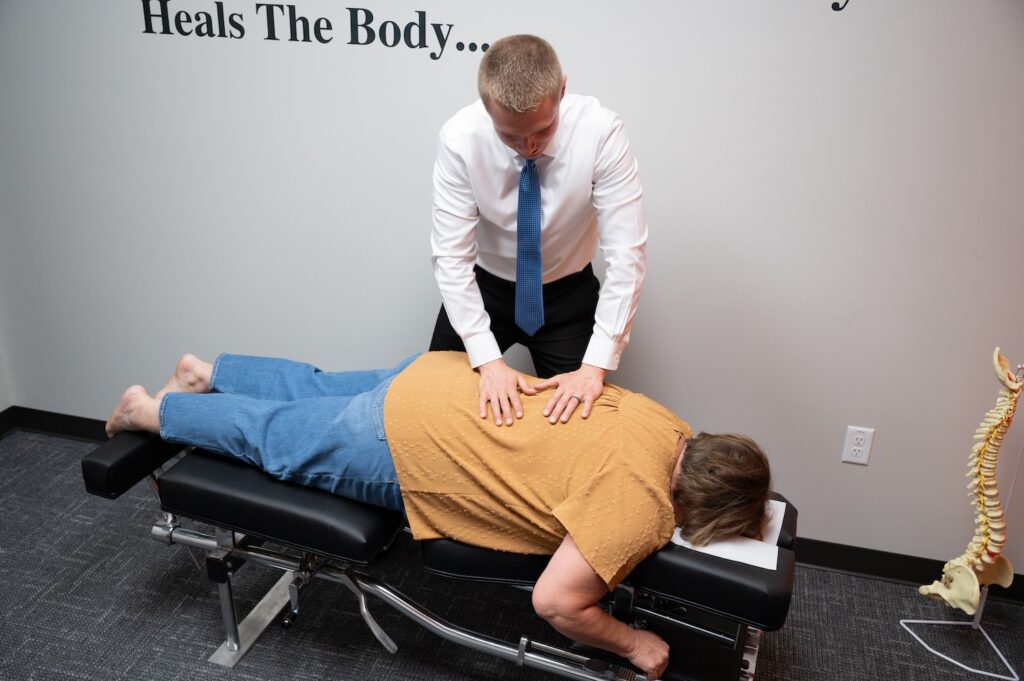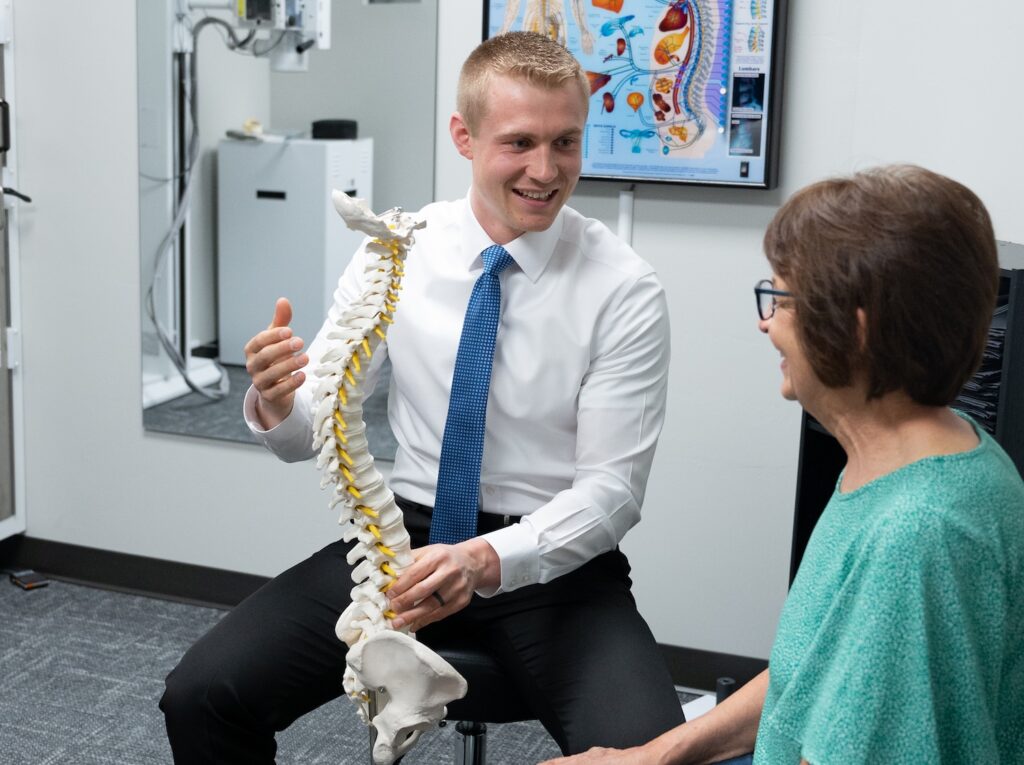

As a local chiropractor, I understand that chronic back pain can be a frustrating and limiting experience for many. It’s crucial to manage this pain effectively for your overall well-being. By gaining an understanding of the underlying causes of your discomfort and exploring practical strategies, you can significantly reduce pain and enhance your quality of life.
Chiropractic care focuses on restoring balance and function to your spine and nervous system, which can play a vital role in alleviating back pain. Simple adjustments to your posture and incorporating specific exercises into your routine can make a world of difference.
Are you ready to learn about the key changes that can transform your approach to handling back pain? Together, we can explore natural healing methods that empower you to take control of your health and live a more pain-free life.
Understand the Anatomy of Your Back
As a local chiropractor, I want to help you understand the anatomy of your back so that you can take an active role in managing your chronic back pain. Your spine is an intricate structure made up of 33 vertebrae, which are organized into several regions: cervical (neck), thoracic (upper back), lumbar (lower back), sacral (base of the spine), and coccygeal (tailbone). Each of these sections plays a crucial role in supporting your body and safeguarding the spinal cord.
The lumbar region, in particular, is vital as it bears a significant amount of your body’s weight and is commonly where pain originates.
In addition to the vertebrae, your spine is surrounded by muscles, ligaments, and tendons that work together to provide stability and facilitate movement. Between the vertebrae, there are discs that function as shock absorbers, absorbing impact and helping to maintain flexibility. However, these discs can wear down over time, which can contribute to discomfort.
Furthermore, nerves extend from the spinal cord, transmitting signals to your brain. When these nerves become compressed, you may experience pain or weakness.
By understanding how all these components interact, you can make informed choices about your treatment and lifestyle. Chiropractic care focuses on restoring proper alignment and function to your spine, which can alleviate pain and enhance your overall quality of life.
I’m here to guide you on your journey to better health through natural healing methods.
Maintain Proper Posture
As your local chiropractor, I want to emphasize the importance of maintaining proper posture to effectively manage chronic back pain.
One of the first steps you can take is to create an ergonomic workspace that supports your spine. This means ensuring your chair, desk, and computer screen are set up in a way that promotes healthy alignment.
It’s also crucial to balance your time between sitting and standing. This helps alleviate the strain on your back and encourages better posture throughout the day.
Additionally, strengthening your core muscles is vital. A strong core provides support for your back and can significantly improve your overall posture, which is key to reducing pain and preventing future issues.
Ergonomic Workspace Setup
As a local chiropractor, I want to emphasize how crucial it’s to maintain proper posture while working, especially if you’re dealing with chronic back pain. When your body isn’t aligned correctly, it can lead to increased discomfort and exacerbate existing issues.
To create an ergonomic workspace that supports your spine, start by adjusting your chair so that your feet rest flat on the floor and your knees are level with your hips. It’s important to use a chair that offers lumbar support to help keep your lower back in a healthy position.
Your computer screen should be at eye level to prevent unnecessary strain on your neck, and make sure your keyboard and mouse are within easy reach to avoid excessive reaching.
I also encourage you to take regular breaks throughout the day. Stand up, stretch, and change your position to promote better circulation and reduce stiffness in your muscles and joints.
While seated, aim to align your ears, shoulders, and hips in a straight line.
By making these simple adjustments, you can significantly improve your comfort and overall well-being, helping to manage pain more effectively.
Standing vs. Sitting
As a local chiropractor, I want to emphasize the importance of your posture during the workday, as it can significantly affect your back health.
Both sitting and standing have unique benefits, but it’s essential to choose the right position to support your spine.
When you sit, make sure your feet are flat on the floor and your knees are at a right angle. Your back should be straight and supported by your chair. I recommend using a chair that offers good lower back support to help you maintain proper alignment.
On the flip side, standing can enhance circulation and alleviate pressure on your spine. If you opt to stand, be sure to distribute your weight evenly across both feet and avoid locking your knees. Engaging your core muscles slightly will also help provide support to your back.
To promote better posture and minimize discomfort, I encourage my patients to alternate between sitting and standing throughout their day.
By doing so, you can contribute to your overall spinal health and well-being.
Strengthening Core Muscles
As your local chiropractor, I want to emphasize the importance of strong core muscles for maintaining proper posture and supporting your spine. Many of my patients don’t realize that when the core is weak, it can lead to slouching or leaning forward, which puts extra strain on the back.
To help strengthen your core, I recommend incorporating exercises such as planks, bridges, and abdominal crunches into your weekly routine—ideally, two to three sessions each week.
It’s crucial to not only perform these exercises but also to focus on maintaining correct form during each movement. Additionally, engaging your core during everyday activities—like sitting at your desk or lifting objects—can significantly reinforce good posture.
By prioritizing core strength, you can alleviate back pain and improve your overall stability and balance. This enhancement will help you move more comfortably throughout your daily life.
Incorporate Regular Exercise
As a local chiropractor, I want to emphasize the importance of incorporating regular exercise into your daily routine to alleviate chronic back pain and enhance your overall mobility. Engaging in low-impact activities, such as walking, swimming, or cycling, can significantly strengthen your muscles and improve your flexibility without putting undue strain on your back.
I recommend aiming for at least 150 minutes of moderate aerobic exercise each week. You can break this down into smaller, manageable sessions that fit into your lifestyle. Additionally, don’t overlook the benefits of stretching exercises. They’re crucial for increasing your range of motion and reducing stiffness, particularly in the back, hips, and legs.
A balanced routine that includes both aerobic and stretching exercises can be highly effective. It’s vital to listen to your body during your exercise routine. If you experience any pain, it’s important to stop and try a different exercise or consult with a professional.
As your chiropractor, I can help develop a personalized program that caters to your specific needs and limitations. Remember, consistency is key in managing chronic back pain. Finding activities that you genuinely enjoy will make it easier to stick with your exercise routine.
Use Ergonomic Furniture
As a local chiropractor, I often see patients who are struggling with chronic back pain, and one of the key factors I emphasize is the importance of using ergonomic furniture.
Many people underestimate how much the right furniture can influence their posture and overall spinal health. Investing in ergonomic options can significantly alleviate strain on your back.
Let me explain how these choices can benefit you:
- Ergonomic chairs: These chairs are designed to provide lumbar support, which helps maintain the natural curve of your spine. This can lead to less discomfort and improved posture over time.
- Height-adjustable desks: By allowing you to alternate between sitting and standing, these desks can relieve pressure on your back and promote better circulation.
- Supportive cushions: Adding cushions to your seating can enhance comfort and minimize discomfort, making it easier for you to maintain a healthy posture while sitting.
- Footrests: These are often overlooked, but they encourage proper foot positioning, which can enhance your overall alignment and reduce strain on your lower back.
- Keyboard and mouse positioning: Ensuring these are at the correct height is crucial to preventing shoulder and wrist strain, which can also contribute to back pain.
By making these ergonomic choices, you can take significant steps toward managing your chronic back pain and improving your overall well-being.
Apply Heat and Cold Therapy
As a local chiropractor, I want to share some valuable insights about managing chronic back pain through natural methods like heat and cold therapy. Many of my patients find that these techniques can significantly enhance their comfort and recovery.
Heat therapy is an excellent way to help relax tight muscles and promote better blood circulation in the affected areas. By applying heat, you’re encouraging your body to loosen up, which can alleviate stiffness and tension.
On the other hand, cold therapy is effective in reducing inflammation and numbing sharp pain. This method can help minimize swelling and provide immediate relief from acute discomfort.
Understanding how to properly utilize these therapies can empower you to take an active role in your pain management.
Whether you’re at home or in my office, I can guide you on the best practices to incorporate heat and cold therapy into your routine for optimal results.
Together, we can work towards a healthier, pain-free back.
Benefits of Heat Therapy
As a local chiropractor dedicated to your well-being, I want to share the benefits of heat therapy for those of you dealing with chronic back pain. This natural approach can be incredibly effective when used correctly, providing relief and promoting healing in your body.
Here are some key benefits you can anticipate from incorporating heat therapy into your pain management routine:
- It helps reduce muscle stiffness and tension, allowing your body to feel more at ease.
- Increased blood flow to the affected area can accelerate healing and improve overall function.
- Heat therapy can ease discomfort caused by muscle spasms and cramps, making daily activities more manageable.
- It enhances your flexibility and range of motion, which is essential for maintaining an active lifestyle.
- Lastly, the warm sensation promotes relaxation and can significantly reduce stress levels, contributing to your overall health.
For effective application, consider using heating pads, enjoying warm baths, or utilizing hot water bottles.
Just remember to be mindful of the duration; applying heat for about 15-20 minutes is usually sufficient.
By integrating heat therapy into your routine, you can experience greater comfort and an improved ability to stay active throughout your day.
As always, I’m here to guide you on your journey to natural healing and optimal health.
Cold Therapy Techniques
As your local chiropractor, I want to share with you the importance of cold therapy techniques in managing chronic back pain. While many people are familiar with the soothing effects of heat therapy, cold therapy plays a crucial role in your recovery as well. By using cold therapy, we can effectively reduce inflammation and numb any sharp pain you may be experiencing.
You can easily implement cold therapy at home by applying cold packs, ice wrapped in a cloth, or even a bag of frozen vegetables directly to the painful area. It’s best to apply these for about 15-20 minutes at a time, allowing your skin to return to its normal temperature between sessions.
A word of caution: always make sure to avoid placing ice directly on your skin to prevent frostbite.
Cold therapy is particularly beneficial after physical activity or during flare-ups of pain. While I often recommend alternating between cold and heat therapy for a comprehensive pain management strategy, it’s essential to prioritize cold treatments when you notice swelling.
You’ll likely find that combining these methods can significantly enhance your overall comfort and recovery process. Remember, I’m here to guide you on this journey to natural healing and better health!
Explore Physical Therapy Options
Exploring chiropractic care can be a vital step in managing chronic back pain, as specialized adjustments and holistic techniques often provide relief and enhance overall mobility.
Working with a chiropractor allows you to develop a personalized plan that caters to your unique needs and promotes natural healing.
Here are some key aspects to consider when looking into chiropractic options:
- Comprehensive Evaluation: We’ll conduct a detailed assessment of your posture, spinal alignment, and overall body mechanics.
- Spinal Adjustments: Gentle adjustments and manipulations to realign the spine and relieve tension in the muscles and joints.
- Rehabilitative Exercises: Tailored stretching and strengthening exercises designed to improve function and support spinal health.
- Patient Education: Understanding proper body mechanics and lifestyle choices to help prevent future injuries and discomfort.
- Ongoing Wellness: Strategies for maintaining your progress and reducing the risk of flare-ups through regular chiropractic care and lifestyle modifications.
Consider Alternative Therapies
As a local chiropractor, I want to share some valuable insights on managing chronic back pain through alternative therapies that complement chiropractic care. Many patients have found significant relief through methods like acupuncture and yoga.
Acupuncture, for instance, can effectively reduce pain and enhance mobility by targeting specific pressure points in the body. Similarly, incorporating yoga into your routine can improve flexibility and build strength, which is essential for overall spinal health.
Exploring these alternative therapies not only offers a more holistic approach to pain management but also aligns with the principles of natural healing that we advocate in chiropractic care.
Acupuncture Benefits
As a local chiropractor, I want to share with you the benefits of acupuncture as a natural therapy for managing chronic back pain. This ancient practice focuses on specific points in the body to help reduce discomfort and promote healing.
Here are some key benefits you may find valuable:
- Reduces inflammation and muscle tension: Acupuncture can effectively target areas of tightness, helping to ease muscle strain and reduce swelling.
- Increases blood flow: By enhancing circulation to the affected areas, acupuncture supports the healing process and can help alleviate pain.
- Triggers natural pain-relieving hormones: This therapy stimulates your body to release its own pain-relieving substances, providing a natural way to manage discomfort.
- Improves energy levels and mood: Many patients report feeling more energized and in a better mood after acupuncture sessions, contributing to overall wellness.
- Promotes relaxation and stress relief: Acupuncture encourages relaxation, which can help reduce the physical and emotional stress that often accompanies chronic pain.
If you’re looking for a holistic approach to managing your back pain, consider incorporating acupuncture into your care plan.
It can complement chiropractic adjustments and enhance your overall healing experience.
Yoga Techniques
As a local chiropractor, I want to share how incorporating yoga techniques into your daily routine can significantly alleviate chronic back pain.
Yoga not only enhances flexibility but also strengthens core muscles and promotes relaxation—key components in managing pain effectively.
I recommend starting with gentle poses such as Child’s Pose and Cat-Cow. These poses are excellent for stretching and mobilizing your spine.
Pay special attention to your breath; deep, controlled breathing is a powerful tool for reducing tension and fostering a sense of relaxation.
As you become more comfortable, you can gradually move on to poses like Downward Dog and Bridge.
Always listen to your body to prevent any strain; it’s crucial to honor your limits.
If you’re new to yoga, consider joining a class specifically designed for individuals with back pain or follow along with online tutorials that suit your level.
Consistency is vital; regular practice can lead to lasting benefits for your back health.
And remember, before starting any new exercise regimen, it’s always best to consult with your healthcare provider or chiropractor to ensure it’s appropriate for your individual needs.
Your journey towards relief and improved well-being is important, and we’re here to support you every step of the way.
Monitor Your Weight
As your local chiropractor, I want to emphasize the importance of maintaining a healthy weight and how it can significantly influence your chronic back pain management. Excess weight can place extra strain on your spine and surrounding muscles, making it more challenging for you to manage pain effectively.
By keeping an eye on your weight and making mindful choices, you can reduce that pressure and enhance your overall mobility.
Here are some practical strategies that I recommend to help you achieve and maintain a healthy weight:
- Choose balanced meals: Prioritize whole foods, such as fresh fruits, vegetables, lean proteins, and whole grains. These not only nourish your body but also support your spinal health.
- Stay active: Incorporate regular low-impact exercises into your routine, like swimming or walking. These activities are gentle on your back while promoting movement and flexibility.
- Track your intake: Maintain a food diary to increase awareness of your eating habits. This can help you identify patterns and make healthier choices.
- Set realistic goals: Focus on gradual changes rather than adopting extreme diets. Sustainable weight loss is more effective in the long run and contributes to better spinal health.
- Seek support: Consider joining a weight-management group or partnering with a friend for motivation. Having a support system can make a significant difference in your journey.
Remember, maintaining a healthy weight isn’t just about appearance; it’s about taking care of your overall health and well-being.
If you have any questions or need personalized guidance, don’t hesitate to reach out during your next visit. Together, we can work towards a pain-free life!
Manage Stress Effectively
As a local chiropractor, I want to shed light on the important connection between stress and chronic back pain. Many individuals may not realize that when you’re under stress, your body instinctively tenses up. This tension can lead to muscle tightness and discomfort, particularly in the back.
To effectively manage stress and its impact on your body, the first step is to identify your stressors. Are they stemming from work, personal life, or a combination of both? Understanding the root of your stress can empower you to address it more directly.
Incorporating relaxation techniques into your daily routine is essential. Simple practices like deep breathing exercises or mindfulness meditation can significantly calm both your mind and body, helping to alleviate muscle tension.
Engaging in physical activity, even something as straightforward as a brisk walk, can also do wonders for stress relief.
Don’t underestimate the importance of quality sleep, as insufficient rest can heighten stress levels and exacerbate back pain.
Lastly, I encourage you to reach out to friends or family for support. Sharing your feelings and experiences can lighten your emotional burden and enhance your ability to manage both stress and back pain effectively.
Consult a Healthcare Professional
When it comes to managing chronic back pain, seeking the expertise of a chiropractor can be a transformative step towards healing and relief. Chiropractic care focuses on the body’s natural ability to heal itself, and I’m here to guide you through this process.
Here’s what you can expect when you visit our practice:
- Comprehensive Assessment: We begin with a thorough evaluation to understand the root causes of your pain. This helps us formulate a personalized care plan tailored to your specific needs.
- Chiropractic Adjustments: Experience hands-on spinal manipulation and adjustments designed to restore proper alignment, reduce pain, and enhance mobility.
- Holistic Treatment Options: Alongside adjustments, we may discuss complementary therapies such as massage, exercises, or nutrition that promote overall wellness.
- Preventive Care: Learn strategies to prevent future flare-ups, including posture correction, ergonomic advice, and exercises that strengthen your back and core.
- Emotional Support: We recognize that chronic pain can take an emotional toll. Our office offers resources and a caring environment to help you cope with the psychological aspects of living with pain.
Don’t hesitate to come see us. As your local chiropractor, I’m dedicated to helping you reclaim your life and improve your quality of life through natural healing methods.
Together, we can work towards a pain-free future!
Conclusion
As a local chiropractor, I want to share some vital tips for managing your chronic back pain and enhancing your overall well-being. It’s important to take an active role in your health, and these strategies can help you regain control of your pain.
First and foremost, focus on maintaining proper posture throughout your daily activities. Whether sitting at your desk or lifting heavy objects, good posture is crucial for reducing strain on your back. Incorporating regular exercise into your routine can also make a significant difference; it strengthens your muscles and enhances flexibility.
Consider investing in ergonomic furniture that supports your spine while you work or relax at home. Additionally, don’t underestimate the power of heat and cold therapy—both can provide relief and promote healing. Exploring alternative treatments such as chiropractic adjustments, acupuncture, or massage can also be beneficial in managing pain.
Keep an eye on your weight, as excess weight can put additional pressure on your spine. Managing stress is equally important; mindfulness techniques like meditation or yoga can help alleviate tension that contributes to pain.
If your pain persists despite these efforts, I encourage you to seek personalized guidance from a healthcare professional, such as a chiropractor. We are here to help you understand your body and provide natural healing approaches tailored to your needs. Remember, your back deserves the best care possible!