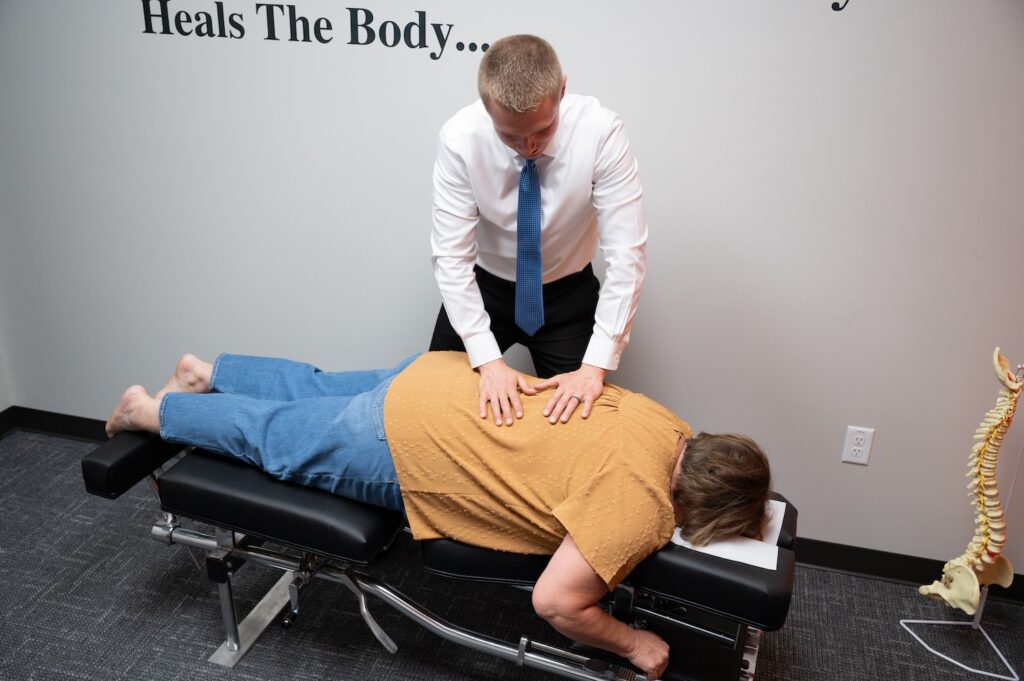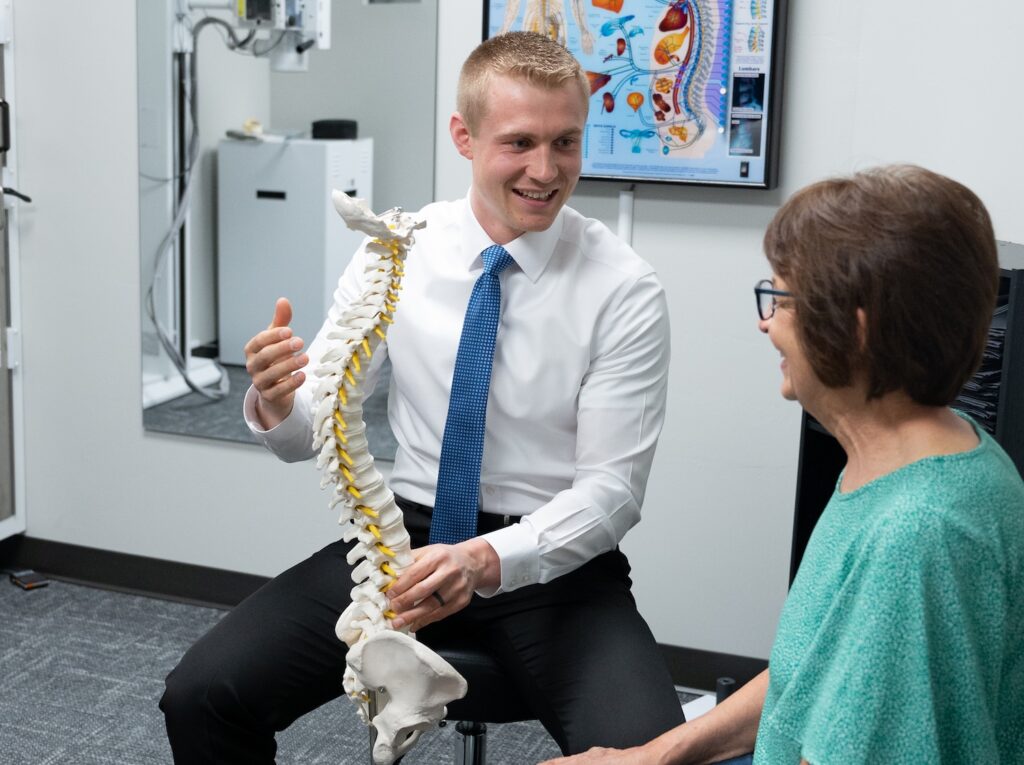

As a local chiropractor, I understand that many of you may be grappling with back pain, and I want you to know that you are not alone in this struggle. It’s a common issue, but the good news is that there are effective, natural techniques available that can help you find relief in just 30 days. By emphasizing the importance of stretching, building core strength, and maintaining proper posture, among other methods, we can work together to make significant strides toward alleviating your discomfort.
Are you curious about how these holistic approaches can support your journey to living pain-free? Let’s delve into each technique in detail. This exploration will not only improve your understanding of chiropractic care but also empower you to take control of your health and transform your daily life for the better. Together, we can navigate this path toward recovery and wellness.
Stretching Exercises for Flexibility
As a local chiropractor, I want to emphasize the importance of incorporating stretching exercises into your daily routine to enhance your flexibility, which is crucial for alleviating back pain.
Stretching not only helps lengthen tight muscles but also increases blood flow and improves your overall mobility. You don’t need to set aside a lot of time—just a few minutes each day can yield significant benefits.
It’s important to focus on major muscle groups, especially the hamstrings, hip flexors, and lower back. Simple stretches like the seated forward bend, cat-cow stretch, and child’s pose can be incredibly effective.
I recommend holding each stretch for 15 to 30 seconds while breathing deeply to encourage relaxation.
Consistency is essential. Aim to stretch at least three to four times a week. Pay attention to your body and remember, it’s crucial not to push through any pain.
With regular stretching, you’ll likely notice improvements in your posture and a reduction in discomfort, which can greatly enhance your quality of life.
Strengthening Your Core Muscles
As a local chiropractor, I want to emphasize the importance of strengthening your core muscles to effectively support your back and alleviate any discomfort you may be experiencing. Your core isn’t just about your abdominal muscles; it also encompasses your lower back, hips, and pelvis. A strong core plays a vital role in stabilizing your spine and helps distribute weight evenly, which can significantly reduce strain on your back.
I recommend starting with fundamental exercises such as planks and bridges. These movements engage multiple muscle groups and enhance your stability. As you become more comfortable, you can add exercises like bicycle crunches and leg raises to further engage your entire core.
For optimal results, aim for at least two to three sessions per week, and remember that focusing on proper form is far more important than the number of repetitions you perform.
Consistency is crucial in any exercise regimen. Gradually increase the intensity and duration of your workouts to keep challenging your muscles. It’s essential to listen to your body; if you experience any discomfort while exercising, please don’t push through the pain.
With commitment and the right approach, you can strengthen your core, support your back, and pave the way for relief from discomfort. If you have any questions or need personalized guidance, feel free to reach out to me; I’m here to help you on your journey to natural healing and well-being.
Improving Your Posture
As a local chiropractor, I want to emphasize the importance of good posture for not just reducing back pain but also enhancing your overall health. Many people underestimate the impact of their daily habits on their spine and well-being.
By being mindful of how you sit, stand, and move, you can significantly relieve strain on your back. Here are four effective strategies to help improve your posture:
- Align Your Ears, Shoulders, and Hips: It’s essential to maintain a straight head and keep your shoulders back. Ensure that your ears are aligned with your shoulders and hips. This alignment can help reduce unnecessary stress on your spine.
- Use Ergonomic Furniture: Investing in ergonomic chairs and desks is crucial, especially if you spend long hours sitting. These pieces of furniture are designed to support your spine’s natural curve, which can enhance your comfort and prevent pain.
- Strengthen Your Back Muscles: Incorporating specific exercises that focus on your upper back and shoulders is vital. Strengthening these areas promotes better spinal alignment and can help you maintain good posture throughout your daily activities.
- Take Breaks: Remember to take regular breaks during your day. Stand up, stretch, and walk around to prevent stiffness. These small, frequent movements encourage proper posture and help keep your body relaxed.
By integrating these practices into your routine, you can enhance your posture and reduce discomfort.
If you have any concerns about your posture or back pain, don’t hesitate to reach out for a consultation. Together, we can create a plan tailored to your needs for optimal spinal health.
Incorporating Regular Physical Activity
As a local chiropractor, I want to emphasize the importance of incorporating regular physical activity into your life, especially if you’re dealing with back pain. Engaging in activities such as yoga, swimming, or even brisk walking can significantly reduce discomfort and enhance your overall well-being. The key to making this a lasting change is to choose activities that you truly enjoy, which will make it easier to establish a consistent routine.
Let’s delve into some of the benefits of regular exercise. Not only can it help alleviate back pain, but it also promotes better posture, strengthens your core muscles, and improves flexibility—all essential components of spinal health. Additionally, exercise can boost your mood and energy levels, making it a vital part of a holistic approach to healing.
To get started, I recommend a few activities that are gentle on the back yet effective. Yoga, for instance, focuses on stretching and strengthening the muscles surrounding your spine. Swimming provides a low-impact workout that can help ease tension in your back. Brisk walking is another excellent option that can be easily incorporated into your daily routine.
Creating a consistent exercise plan is crucial to reaping these benefits. Start by setting realistic goals and gradually increase the intensity and duration of your workouts. It’s also important to listen to your body; if something doesn’t feel right, consult with your chiropractor for personalized advice.
Benefits of Exercise
As a local chiropractor, I want to share how exercise can be a powerful ally in managing back pain. Many individuals underestimate the impact of regular physical activity, but it plays a vital role in enhancing your overall health and well-being.
Here are four significant benefits of incorporating exercise into your routine for back pain relief:
- Improves Flexibility: Engaging in stretching and movement exercises can increase your range of motion, which helps reduce stiffness and discomfort in your back.
- Builds Strength: Specific exercises that target the muscles supporting your spine can significantly strengthen these areas, leading to improved stability and support for your back.
- Enhances Posture: Regular physical activity fosters better awareness of your body alignment. This awareness is crucial for maintaining a healthy posture, which is essential for preventing and alleviating back pain.
- Boosts Mood: Exercise triggers the release of endorphins, natural mood lifters that can help alleviate stress and promote a more positive outlook on life.
Incorporating these elements into your life not only aids in pain relief but also contributes to your overall health.
As your chiropractor, I encourage you to embrace exercise as part of your journey toward natural healing and wellness.
Recommended Activities
As a local chiropractor, I want to share some important insights on managing back pain through natural healing and the right activities. It’s essential to engage in exercises that promote healing and strengthen your back. Low-impact activities like walking or swimming are excellent choices, as they can significantly alleviate discomfort while improving your mobility.
Incorporating stretching into your routine is also vital. Gentle yoga or specific stretches for your back can help relieve tension and enhance flexibility. Additionally, focusing on core strengthening exercises, such as planks and bridges, is crucial. A strong core supports your spine and reduces strain, which is key to preventing further pain.
I also recommend considering balance-focused activities, like tai chi. These can improve your stability and help prevent falls, which is particularly important for maintaining a healthy back.
Lastly, I can’t stress enough the importance of proper posture during your daily activities. Being mindful of how you sit, stand, and move can make a significant difference in your level of discomfort.
Creating a Routine
Creating a consistent routine for regular physical activity is essential in managing back pain, and as your local chiropractor, I want to help you understand how this can transform your well-being.
Incorporating movement into your daily life not only strengthens your back but also enhances flexibility and alleviates discomfort. Here are four steps to guide you in establishing that routine:
- Set a Schedule: It’s vital to choose specific days and times for your workouts. This helps create a habit and builds consistency, which is crucial for long-term benefits.
- Start Slow: Begin with low-impact activities such as walking or gentle stretching. This approach allows your body to ease into a more active lifestyle without overwhelming it.
- Mix It Up: Engage in a variety of exercises, including yoga, swimming, or strength training. This not only keeps your routine interesting but also promotes overall strength and flexibility, which are key to a healthy spine.
- Listen to Your Body: Always pay attention to how your body responds during and after activities. Adjust your routine as necessary to avoid any pain or discomfort. If you experience persistent issues, don’t hesitate to consult with a healthcare professional.
With commitment to this routine, you can expect to see significant improvements in managing your back pain.
Using Heat and Cold Therapy
As a local chiropractor, I want to share with you the benefits of using heat and cold therapy to manage your back pain effectively. Many of my patients find quick relief and promote healing through these natural methods.
Heat therapy is a fantastic way to increase blood flow to the affected area. When you apply a warm towel or a heating pad, it helps relax tense muscles and alleviates stiffness. I generally recommend applying heat for about 15-20 minutes, ensuring it’s warm enough to provide comfort but not so hot that it risks burns.
Conversely, cold therapy can be incredibly effective for reducing inflammation and numbing sharp pain. You might consider using ice packs or even a bag of frozen vegetables wrapped in a cloth. Just like with heat, apply the cold for 15-20 minutes at a time and allow your skin to return to its normal temperature between sessions.
I often suggest alternating between heat and cold therapy, as this can enhance the relief you experience. It’s important to listen to your body and find out which method resonates best with your specific pain.
Exploring Mindfulness and Relaxation Techniques
As a chiropractor, I often see patients who are unfamiliar with the benefits of mindfulness and relaxation techniques in their journey toward back pain relief. Integrating these practices into your daily routine can significantly alleviate stress and tension in your body, which are common contributors to back pain.
Here are some effective techniques I recommend:
- Deep Breathing: This simple yet powerful practice focuses on your breath. By inhaling deeply through your nose, holding for a moment, and then exhaling slowly through your mouth, you can calm your mind and relax your muscles, creating a sense of relief.
- Meditation: Taking a few minutes each day to meditate can be transformative. It helps clear your mind and enhances your awareness of your body’s sensations, allowing you to tune into areas of discomfort and address them more effectively.
- Gentle Yoga: Incorporating gentle yoga into your routine can be beneficial for your back. Specific poses are designed to stretch and strengthen your back muscles while promoting mindfulness, which can help in reducing pain and improving your overall mobility.
- Progressive Muscle Relaxation: This technique involves systematically tensing and then relaxing each muscle group in your body, starting from your toes and working your way up to your head. It’s a great way to release built-up tension and promote relaxation.
By incorporating these techniques into your daily life, you can take an active role in managing your back pain and enhancing your well-being.
Seeking Professional Help and Treatment Options
As a local chiropractor, I want to emphasize the importance of seeking professional help when it comes to managing back pain. While incorporating mindfulness and relaxation techniques can be beneficial, understanding the role of chiropractic care can be a game-changer for your overall well-being.
When you come to see me, I’ll assess your condition to identify the underlying causes of your pain. Chiropractic care focuses on the relationship between the spine and the nervous system, and I can recommend tailored treatment options that may include spinal adjustments, exercise recommendations, and lifestyle modifications.
These holistic approaches can help restore function and alleviate discomfort without the need for invasive procedures or medication.
I encourage you to openly discuss your symptoms and concerns during our consultations. Together, we can explore a combination of therapies that might work best for you—perhaps integrating exercise, nutritional guidance, or even acupuncture into your care plan.
If your pain persists, I can also refer you to specialists such as orthopedic doctors or pain management experts to ensure you receive comprehensive care.
Staying proactive in your treatment is crucial. Regular follow-ups allow us to track your progress, make necessary adjustments, and keep you on the path to recovery.
Conclusion
As a local chiropractor, I want to empower you to take control of your back pain within just 30 days by integrating some effective techniques into your daily life. Regular stretching and core strengthening exercises can significantly enhance your mobility and provide the support your back needs. It’s also crucial to maintain good posture throughout your day to prevent further discomfort.
In addition to these practices, I highly recommend using heat and cold therapy to alleviate pain and reduce inflammation. Mindfulness techniques, such as meditation or deep breathing exercises, can also be beneficial for managing pain and stress. Staying active with low-impact exercises, like walking or swimming, is key to keeping your back healthy.
If you’re looking for personalized guidance tailored to your specific needs, don’t hesitate to reach out for chiropractic care. I am here to help you navigate your journey towards a pain-free back. Commit to these techniques, and you’ll be well on your way to improved well-being!