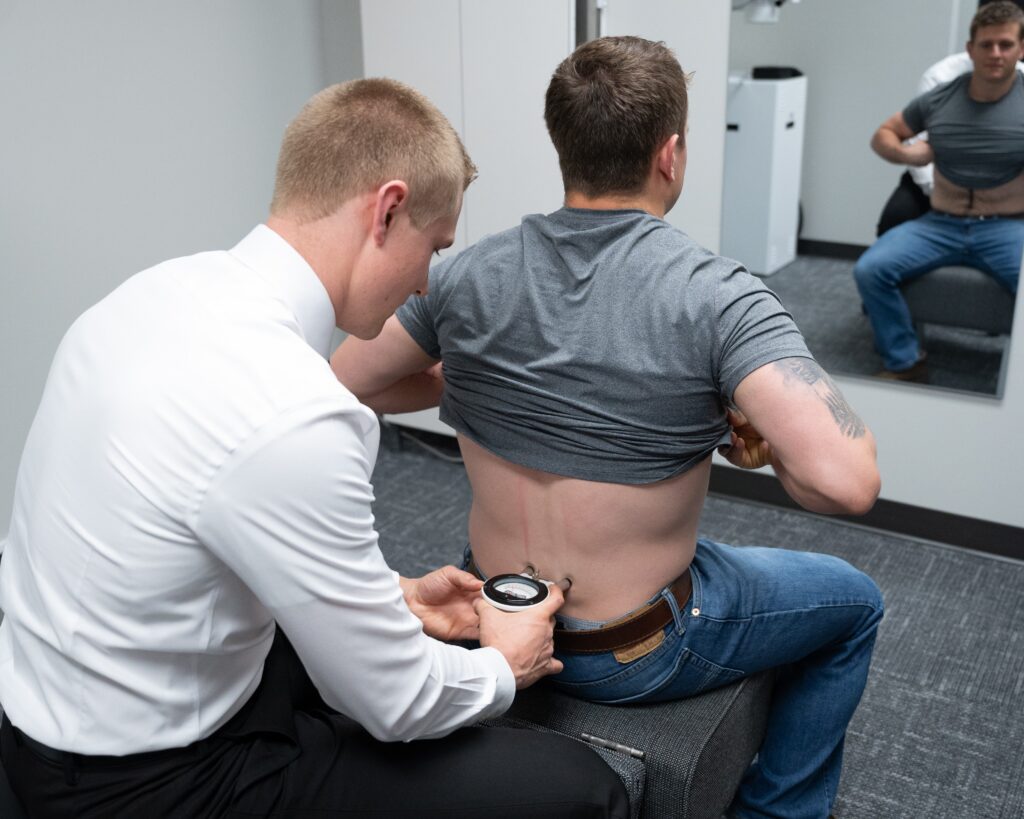

You might not realize how much tension in your muscles can lead to headaches. Everyday stress, poor posture, and long hours at a desk can contribute to that tightness. Fortunately, simple stretching techniques can help alleviate this discomfort, but it’s essential to remember that chiropractic care is also a powerful tool in managing and preventing headaches. By getting regular adjustments, you can address the underlying issues that contribute to muscle tension and headaches, leading to improved overall well-being.
Incorporating simple stretches into your routine can complement your chiropractic care and provide relief. Here are a few techniques to get you started:
- Neck Stretches: Gently tilt your head to one side and hold for 15-30 seconds. Repeat on the other side. This helps relieve tension in the neck muscles.
- Shoulder Rolls: Roll your shoulders forward and backward in a circular motion. This can help alleviate tightness in the upper back and shoulders, which often contributes to headaches.
- Chest Opener Stretch: Stand tall, clasp your hands behind your back, and gently pull your arms away from your body while lifting your chest. This promotes better posture and opens up tight chest muscles.
- Seated Torso Twist: While sitting, gently twist your torso to one side, placing your opposite hand on the outside of your knee. Hold for 15-30 seconds, then switch sides. This can help release tension in the spine.
Remember, while these stretches can provide immediate relief, regular chiropractic adjustments can help maintain proper spinal alignment and prevent headaches from returning. By prioritizing your spinal health through chiropractic care and incorporating stretching into your daily routine, you can take significant steps towards a pain-free life and improved overall wellness.
Key Takeaways
Stretch Your Way to a Pain-Free Head
As a chiropractor, I understand how debilitating headaches can be. One of the best ways to alleviate headache symptoms is through incorporating simple neck and shoulder stretches into your daily routine. These stretches can release built-up tension, helping you feel better naturally.
In addition to stretching, deep breathing techniques can enhance your relaxation. When you take a moment to breathe deeply during your stretches, you not only promote relaxation but also clear your mind, which is essential for overall wellness.
Establishing a consistent stretching routine each morning and evening can significantly improve your spinal health. When your spine is aligned and free from tension, you may notice a reduction in the frequency of tension headaches. Remember, a healthy spine is key to a healthy life!
Mindfulness meditation is another excellent way to manage stress—a common trigger for headaches. Taking just a few minutes each day to practice mindfulness can help you stay calm and centered.
If you’re experiencing persistent headaches, it may be beneficial to seek chiropractic care. Our skilled practitioners can help identify and address any spinal misalignments that might be contributing to your discomfort. By focusing on natural healing and wellness, chiropractic care can provide lasting relief without the need for medications or invasive procedures.
In summary, prioritize your health by incorporating daily stretches, practicing deep breathing, engaging in mindfulness, and considering chiropractic care. These steps can lead you towards a pain-free head and a healthier, happier life!
Understanding Tension Headaches
Tension headaches can often feel like a tight band wrapped around your head, making it difficult to concentrate. You may experience dull, aching pain accompanied by tightness in your neck and shoulders. These headaches frequently arise from stress, anxiety, or poor posture, and they can catch you off guard, often triggered by long hours spent in front of a computer or a lack of restful sleep.
Understanding your tension headaches is the first step toward finding relief. By paying attention to when they occur and the factors that contribute to them, you can start to make positive changes in your daily routine. Keeping a headache diary can be extremely helpful—note the time, duration, and any activities that led up to the discomfort. This awareness enables you to identify patterns and make necessary lifestyle adjustments.
As a chiropractor, I want to emphasize the importance of spinal health in managing tension headaches. A well-aligned spine can significantly reduce tension in your neck and shoulders, which are often the culprits behind these headaches. Regular chiropractic adjustments can help improve your posture, alleviate muscle tension, and promote overall wellness.
In addition to chiropractic care, here are some general tips to help manage and reduce the frequency of tension headaches:
- Practice Good Posture: Ensure your workspace is ergonomically friendly, keeping your computer screen at eye level and your chair supportive.
- Stay Hydrated: Drinking plenty of water throughout the day can help prevent dehydration, which is a common headache trigger.
- Take Breaks: If you’re working at a computer for long periods, remember to take frequent breaks. Stand up, stretch, and move around to relieve muscle tension.
- Incorporate Relaxation Techniques: Deep breathing, meditation, or gentle yoga can help reduce stress and tension in your body.
- Get Enough Sleep: Aim for a consistent sleep schedule and create a restful environment to improve your sleep quality.
Remember, you’re not alone in this challenge. Millions of people experience tension headaches, but with the right strategies—especially chiropractic care—you can effectively manage and reduce their frequency and intensity.
Embrace a healthier lifestyle, and prioritize your spinal health for optimal wellness.
The Role of Muscle Tightness in Head and Neck Pain
Muscle tightness is a key factor in head and neck pain, often making tension headaches even worse. When the muscles in your neck and shoulders tighten up, they can create extra pressure in your head, leading to discomfort and pain. This tightness is commonly caused by poor posture, stress, or repetitive movements that strain your muscles.
Have you ever noticed that when you’re stressed or sitting for long periods, your shoulders tend to creep up? This can create tension in your neck, making it hard to focus and potentially contributing to migraines. Recognizing and addressing these tight areas is crucial, as they may be the source of your headaches.
Chiropractic care is an excellent way to alleviate muscle tightness and the pain that comes with it. By visiting a chiropractor, you can receive personalized adjustments that help relieve tension in your muscles and realign your spine, promoting better overall health.
Here are some tips to help you manage muscle tightness at home:
- Practice Good Posture: Make sure to sit and stand with your back straight. Use ergonomic furniture if possible, especially if you work at a desk for long hours.
- Take Breaks: Stand up and stretch or walk around every hour to keep your muscles relaxed and prevent stiffness.
- Mindful Breathing: Stress can contribute to muscle tightness, so practice deep breathing exercises to help reduce tension and promote relaxation.
- Stay Active: Regular exercise can help keep your muscles strong and flexible, reducing the likelihood of tightness.
- Stay Hydrated: Drinking plenty of water is essential for muscle health and can help prevent cramping and tightness.
Essential Stretching Techniques for Relief
Incorporating a few essential stretching techniques into your daily routine can significantly alleviate head and neck pain, and complement the benefits of chiropractic care. As a chiropractor, I recommend starting with neck stretches. Gently tilt your head to one side, holding for 15-30 seconds, then switch to the other side. This simple movement helps to loosen tight neck muscles and can enhance your overall spinal health.
Next, let’s focus on shoulder rolls. Lift your shoulders toward your ears, then roll them back and down. Repeat this 5-10 times to release built-up tension in your shoulders, which can often contribute to neck discomfort.
Another beneficial technique is the chin tuck. Sit up straight and gently pull your chin toward your chest without tilting your head. Hold for a few seconds, then relax. This exercise helps to improve your posture and can reduce strain on your neck and spine.
Finally, conclude your stretching routine with a straightforward upper back stretch. Interlace your fingers, extend your arms in front of you, and push out while rounding your upper back. Hold this position for 15-30 seconds.
Remember to breathe deeply throughout each stretch; this allows your body to relax and fully benefit from the techniques.
Regular practice of these stretches can lead to lasting relief, especially when combined with chiropractic care, which addresses the underlying issues in your spine. By prioritizing natural healing and healthier living habits, you can achieve optimal health and wellness.
Always listen to your body and consult with your chiropractor for personalized advice tailored to your needs.
Incorporating Stretching Into Your Daily Routine
To keep headaches at bay and promote overall wellness, incorporating stretching into your daily routine is a simple and effective strategy. As a chiropractor, I often emphasize the importance of maintaining spinal health, and stretching plays a key role in this.
Start your day with morning stretches to wake up your body and get your spine moving. Gentle stretches can help relieve tension that builds up overnight, preparing you for the day ahead.
Throughout the day, especially if you work at a desk, take a few moments to perform stretches that target your neck and shoulders. This can alleviate tension and prevent headaches caused by poor posture.
In the evening, wind down with gentle stretches to relax your body and mind. This not only helps in reducing stress but also promotes better sleep, which is essential for healing and recovery.
Remember, regular stretching contributes to maintaining a healthy spine, which is crucial for optimal health. By incorporating these simple practices into your routine, you can enhance your wellbeing and reduce discomfort.
If you’re looking for more personalized advice or experiencing persistent pain, consider visiting a chiropractor who can provide tailored recommendations and support for your journey to natural wellness.
Morning Stretch Rituals
Every morning brings a new chance to relieve tension and set a positive tone for your day. As a chiropractor, I want to emphasize the importance of incorporating a simple morning stretch ritual into your routine. Not only can these stretches help alleviate discomfort, but they also promote overall spinal health and well-being. Here’s a straightforward guide to get you started:
| Stretch Type | Duration | Benefits |
|---|---|---|
| Neck Rolls | 30 seconds | Eases neck tension and improves mobility |
| Shoulder Shrugs | 30 seconds | Reduces shoulder tightness and enhances posture |
| Cat-Cow Stretch | 1 minute | Boosts spinal flexibility and encourages proper alignment |
Perform these stretches right after you wake up. They will help wake up your muscles and leave you feeling more energized and ready for the day. Consistency is crucial; making this morning ritual a regular part of your routine can lead to lasting benefits for your body.
In addition to stretching, consider visiting your chiropractor regularly to ensure your spine is aligned and functioning at its best. Chiropractic care not only addresses pain but also supports your body’s natural healing processes. By focusing on spinal health, you can achieve optimal wellness and enjoy a more active, pain-free life. Your body will thank you!
Desk Stretching Techniques
After establishing a morning stretching routine, it’s essential to carry that positive momentum into your workday. Desk stretching techniques are excellent for releasing tension in your body and maintaining your energy levels, which can contribute to overall spinal health.
Start by sitting tall in your chair—this helps support your spine. Gently roll your shoulders back and forth to alleviate tightness in your upper back.
Next, interlace your fingers and reach overhead, stretching your spine upward. This simple movement helps counteract the effects of prolonged sitting, which can lead to discomfort.
For neck relief, tilt your head side to side, holding each stretch for a few deep breaths. This is a great way to relieve tension that can build up from looking at screens for long periods.
Don’t forget to stretch your wrists and fingers, especially if you spend a lot of time typing. Simple wrist circles and finger stretches can help prevent stiffness and promote better circulation.
I recommend standing up every hour to do a quick hamstring stretch or calf raises. These movements help improve blood flow and keep your muscles engaged.
Incorporating these simple stretches into your daily routine can significantly enhance your overall comfort and focus, making it easier for you to stay productive throughout the day.
Evening Wind-Down Stretches
As your day winds down, incorporating evening stretches can greatly enhance relaxation and help prepare your body for restful sleep, especially when paired with regular chiropractic care.
Gentle neck rolls are a great starting point; they help release the tension that accumulates in your neck throughout the day. Following this, shoulder shrugs—lifting your shoulders up to your ears and then releasing them—can further alleviate stress and tension.
Next, try a seated forward bend. This stretch not only helps lengthen your spine but also calms your mind. A healthy spine is crucial for overall well-being, and stretching can support spinal alignment and flexibility.
Additionally, don’t forget to stretch your legs with a simple hamstring stretch; reaching for your toes while seated can help relieve tightness and promote circulation.
Finally, wrap up your evening routine with deep breathing. Inhale through your nose and exhale through your mouth, allowing your body to relax completely. These stretches and breathing techniques not only help alleviate discomfort but also signal your body that it’s time to unwind, making it easier to drift into a peaceful slumber.
Incorporating these practices into your evening routine, along with regular chiropractic adjustments, can pave the way for optimal health and wellness, allowing you to wake up rejuvenated and ready for the day ahead.
Additional Practices for Overall Well-Being
To enhance your overall well-being and maintain a pain-free head, consider incorporating chiropractic care into your routine. Chiropractic adjustments can help align your spine, relieve tension, and improve your body’s natural ability to heal.
Alongside regular chiropractic visits, practicing mindfulness meditation can further reduce stress and promote relaxation.
Staying hydrated and nourishing your body with wholesome foods are also vital for preventing headaches. Simple changes, such as drinking plenty of water and incorporating fruits and vegetables into your meals, can make a significant difference.
Remember, these practices work best when combined with the benefits of chiropractic care, creating a holistic approach to health that prioritizes natural healing and overall wellness.
Mindfulness Meditation Techniques
How can mindfulness meditation enhance your overall well-being and complement your chiropractic care? By focusing on the present moment, you can significantly reduce stress, which often leads to physical tension and discomfort in the spine. This, in turn, can improve your mental clarity and overall health.
Start with simple breathing exercises that align well with your chiropractic routine. Find a quiet space, close your eyes, and take deep, calming breaths, counting each inhale and exhale. This practice not only centers your thoughts but also helps to relax the muscles around your spine, promoting better posture and alignment.
Incorporate body scans into your mindfulness practice, where you mentally check in with each part of your body, paying special attention to your back and neck. As you become aware of areas of tension, consciously release that tension. This awareness can enhance the benefits of your chiropractic adjustments by allowing your body to maintain its alignment longer.
You might also explore guided meditations that focus on healing and relaxation, which can provide structure and inspiration for your mindfulness journey. Aim to practice for just a few minutes each day, gradually increasing the time as you become more comfortable.
This consistent practice not only cultivates awareness and reduces anxiety but also supports the natural healing process initiated by chiropractic care. By integrating mindfulness meditation into your routine, you can promote a more balanced life and enhance your overall well-being, making chiropractic care an essential part of your journey to optimal health.
Hydration and Nutrition Tips
Proper hydration and balanced nutrition are key components of your overall health and can significantly enhance the benefits of chiropractic care. As your local chiropractor, I want to emphasize how these factors can improve your well-being and support your journey toward natural healing.
Start your day right by drinking a glass of water to help kickstart your hydration. Aim for at least eight 8-ounce glasses throughout the day, adjusting this amount based on how active you are. Staying well-hydrated helps keep your spine and joints lubricated, which can contribute to reducing discomfort.
Make sure to fill your plate with a variety of fruits and vegetables. These foods are rich in vitamins and minerals that support muscle function, promote healing, and reduce inflammation—benefits that go hand-in-hand with chiropractic adjustments.
Try to limit processed foods and sugar, as these can lead to headaches and discomfort, making it harder for you to enjoy your daily activities.
Incorporating healthy fats like avocados and nuts into your diet can also be beneficial. These foods are good for your brain and can even enhance your mood, making it easier for you to stick to a healthy lifestyle.
Always listen to your body. If you’re feeling fatigued or experiencing headaches, it might be a sign to re-evaluate your hydration and nutrition habits.
When to Seek Professional Help
While stretching can be a great way to relieve tension and discomfort, there are times when it’s essential to seek professional help, particularly from a chiropractor. If your headaches persist despite regular stretching, it’s wise to consult a chiropractor who can assess your spine and overall health.
You should also reach out if you experience headaches that intensify over time, come on suddenly, or are accompanied by symptoms like vision changes, nausea, or difficulty speaking. These signs may indicate a more serious underlying condition, and a chiropractor can help identify any spinal misalignments or nerve issues contributing to your pain.
Additionally, if your headaches disrupt daily activities or impact your quality of life, don’t hesitate to seek assistance. A chiropractor can provide targeted adjustments and therapies to address the root causes of your headaches and develop a personalized treatment plan.
Remember, prioritizing your health is key to achieving a pain-free life.
Here are a few general tips you can implement at home to help manage headaches:
- Stay Hydrated: Dehydration can trigger headaches, so make sure you’re drinking plenty of water throughout the day.
- Practice Good Posture: Poor posture can lead to tension headaches. Be mindful of your posture while sitting, standing, or using your phone.
- Incorporate Regular Stretching: Gentle stretches for your neck, shoulders, and back can help relieve built-up tension.
- Manage Stress: Techniques like deep breathing, meditation, or yoga can help reduce stress, which is a common headache trigger.
- Sleep Well: Aim for a consistent sleep schedule and ensure you’re getting quality rest, as sleep deprivation can lead to headaches.
Trust your instincts—if something doesn’t feel right, it’s always best to get the help you need from a chiropractor. They’re trained to support your body’s natural healing processes and guide you towards optimal health and wellness.
Conclusion
Stretch Your Way to a Pain-Free Head
Incorporating stretching into your daily routine can be a game changer for reducing tension headaches and enhancing your overall well-being. Simple neck stretches, shoulder rolls, and deep breathing exercises can help alleviate muscle tightness and promote relaxation. These practices not only improve your posture but also contribute to your spinal health, which is essential for preventing headaches.
As a local chiropractor, I encourage you to prioritize these natural techniques in your wellness journey. They are easy to integrate into your daily life and can make a significant difference in how you feel. However, if headaches persist despite your best efforts, it’s important to seek the guidance of a chiropractor. We specialize in understanding the spine’s role in your health and can provide tailored adjustments and therapies to help you find relief.
Embrace these simple practices and consider chiropractic care as your go-to solution for achieving optimal health and a more enjoyable, pain-free life! Remember, taking care of your spine is taking care of your body.